REVIEW · NEW DELHI
New Delhi- Authentic Hands on Indian cooking class & meal
Book on GetYourGuide →Operated by Tastesutra · Bookable on GetYourGuide
Spice meanings hit different when you cook. In a warm Delhi studio kitchen, you learn classic Indian techniques from a local host, then eat a full thali meal you made yourself. You start with a welcome drink and get hands-on help all the way through.
I really like the focus on spices and their uses, not just memorizing steps. One participant, Tobias, pointed out how much more the spices made sense once the instructor explained what they do and why they’re used that way. I also like that you’re not stuck doing one dish—you cook a complete spread, including breads and dessert, so you leave with a broader sense of how Indian home cooking works.
A possible drawback is simple: there’s no hotel pickup. You’ll need to make your own way to Tastesutra Studio, and the easiest route is the Delhi Metro to Lajpat Nagar.
In This Review
- Key highlights worth circling
- A homestyle Delhi studio class built around spices and real technique
- Your full 3-hour thali menu: what you’ll cook (and what you’ll learn)
- Welcome drink and a spice briefing that actually sticks
- Chicken curry: spice layering you can repeat
- Paneer and dal: learning two different “soft food” skills
- Seasonal vegetable: variety without mystery
- Roti and paratha: the bread skills that level up your home cooking
- Rice and dessert served as part of the full table
- Taking recipes home: how this becomes more than a one-off meal
- Price and value: is $64 fair for what you get?
- Where to meet and how to get there fast by metro
- Who should book this cooking class in New Delhi
- Should you book this class?
- FAQ
- What is included in the cooking class?
- How long is the experience?
- What will I cook?
- Can I choose what menu I cook?
- Is the instructor available in English?
- Where is the meeting point?
- How do I get there using the Delhi Metro?
- Are allergies or dietary preferences accommodated?
- Is hotel pickup and drop-off included?
- Can I cancel for a refund?
- Are pets allowed?
Key highlights worth circling
- Hands-on, homestyle cooking in a Delhi studio kitchen with a local English- and Hindi-speaking instructor
- Full thali menu you cook and then eat: chicken curry, paneer dish, dal, seasonal vegetable, roti & paratha, rice, and dessert
- Welcome beverage included, often masala chai or lassi, plus water
- Spice learning with real purpose, so you can replicate flavors at home
- Recipes to take back, turning a meal into repeatable cooking practice
- No hotel pickup, so plan your route to the studio (Lajpat Nagar metro)
A homestyle Delhi studio class built around spices and real technique
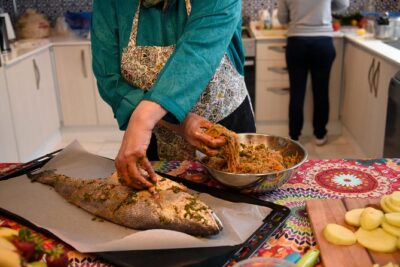
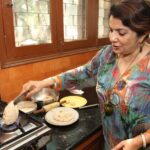
This isn’t a “watch and hope” cooking experience. You’re in the kitchen, using the tools, chopping, mixing, and cooking alongside the instructor, like you would in an Indian home.
The setting matters. A warm studio kitchen feels less intimidating than a big restaurant demo, and it gives you room to ask questions while you’re actually working with the ingredients. You also get a welcome drink right at the start, so the experience ramps up quickly.
You can also read our reviews of more tours and experiences in New Delhi.


Your full 3-hour thali menu: what you’ll cook (and what you’ll learn)
The class is built around a complete Indian meal. That’s a big part of the value: instead of one highlight dish, you cook a balanced spread that teaches different cooking skills in one sitting.
Here’s what’s included in the meal plan:
- 1 welcome beverage (examples include masala chai or lassi)
- 1 chicken curry
- 1 paneer (cottage cheese) dish
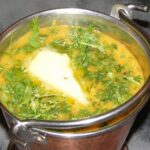
- 1 lentil (dal) preparation
- 1 seasonal vegetable
- 2 types of Indian bread (roti and paratha)
- Rice (served)
- Traditional Indian dessert (served)
You’ll also have menu choice. The experience says you can pick a menu of your choice, so don’t assume it’s frozen to one exact lineup. If you’re picky or you have a food preference, this is where that flexibility helps.
Why this menu format is so useful: curry teaches spice layering and sauce building, dal teaches lentil texture and seasoning, paneer shows how to manage soft ingredients without toughening them, and the breads add a totally different set of technique.
Welcome drink and a spice briefing that actually sticks
Your experience begins with a warm welcome and a refreshing Indian drink. This usually means something like masala chai or lassi, which is a great “reset” before you start cooking.
Then you’ll explore key Indian spices and their uses with your local expert. This is where the class earns points for staying practical. Tobias’s feedback hit on the same idea: spices become way easier to reproduce at home once you understand what each one is doing in the dish, not just where it’s sprinkled.
If you’re the type who loves cooking but hates guesswork, this section helps you build a mental map for flavor. You’re not just collecting recipes—you’re learning how to think like a cook.
Chicken curry: spice layering you can repeat
Chicken curry can be intimidating if you’ve only cooked it once or twice. In this class, you learn it the way home cooks usually approach it: work through the steps, watch how aromatics develop, then build the curry so it tastes right as it cooks.
You’ll cook the chicken curry as part of your meal, so you’re not relying on someone else’s version. That hands-on approach is what makes the curry feel doable later.
The practical takeaway: you should be able to recreate the basic flavor structure even if you swap in different ingredients at home. You’ll learn how the spices fit together, and how the sauce comes together into something that coats rather than just flavors.
Paneer and dal: learning two different “soft food” skills
Paneer teaches patience. It’s creamy, but it can go wrong if it’s mishandled. Here, you’ll prepare a paneer dish as part of the thali, which means you’ll practice how to get paneer to stay tender and flavorful in a sauce.
Dal is another confidence-builder. Lentils can turn bland or uneven fast, especially if you rush seasoning or miss the timing. Since dal is one of the core everyday foods in Indian kitchens, learning it hands-on is one of the best ways to make your cooking feel more authentic.
Together, these two dishes help you understand how Indian cooks treat soft ingredients differently: paneer needs gentle handling, while dal needs steady attention to texture and seasoning balance.






Seasonal vegetable: variety without mystery
You’ll also make a seasonal vegetable preparation. This matters because seasonal cooking is common in Indian homes—when ingredients change, the seasoning approach often changes too.
You’re not just learning “a vegetable recipe.” You’re practicing a pattern: how to season vegetables so they taste good on their own, not like a sad side dish. Even if the specific vegetable differs, the method and spice logic you learn should transfer well.
Roti and paratha: the bread skills that level up your home cooking
Indian breads are where many people feel stuck. Store-bought roti can be fine, but it won’t teach you anything. In this class, you cook two breads: roti and paratha.
Roti gives you the basics of dough handling and rolling. Paratha is a different challenge—often richer and more layered. By covering both, you learn two related techniques that expand what you can serve at home.
And yes, bread is a great “truth test.” When you’re making it, you feel the dough’s behavior immediately. That’s why this portion can be more memorable than another curry course.
Rice and dessert served as part of the full table
Once everything’s ready, you sit down with your group and enjoy the meal you cooked together. This is where it becomes a real dining experience, not just a workshop.
Rice is served with the thali, and a traditional Indian dessert rounds it out. The dessert component is a nice reminder that Indian meals often end on a sweet note, and it gives you one more “flavor memory” to take home.
Eating your own cooking matters more than you’d think. It’s the fastest way to learn what tasted right and what you’d tweak next time.
Taking recipes home: how this becomes more than a one-off meal
The experience includes equipment, cutlery, and ingredients, plus lunch. But the best part for your future kitchen is that you take back many recipes.
That turns the class into something you can use. You’re not just paying for one lunch—you’re paying for a practical kit of dishes you can repeat, including the spice thinking behind them.
If you’ve ever taken a cooking class and then cooked none of it again, this is the difference-maker. You’ll have both the dishes you made and a clearer sense of how the spice blend works.
Price and value: is $64 fair for what you get?
At $64 per person for a 3-hour, hands-on class with a full meal, the price can be a solid value if you’ll actually use what you learn.
You’re getting:
- A complete included menu (multiple mains, dal, vegetable, breads, rice, dessert)
- A welcome drink
- Equipment, cutlery, and ingredients
- Recipes to take home
- Instruction in English and Hindi
What you aren’t getting is added extras like hotel pickup and drop-off. That’s the trade: the experience budget stays focused on cooking and teaching, which usually makes the class feel “worth it” once you’re in the kitchen.
If you love food and want more than a sightseeing stop, $64 for a structured cooking session in a Delhi studio kitchen is easier to justify than a lot of half-day “see and snack” activities.
Where to meet and how to get there fast by metro
You’ll meet at Tastesutra Studio.
The Delhi Metro is the convenient way to reach it. Get off at Lajpat Nagar metro station and then make your last stretch to the studio from there. If you’re arriving in Delhi for the day, I’d plan your timing so you’re not sprinting—starting calm helps you enjoy the class more.
Also note: pets aren’t allowed. If you’re traveling with animals, you’ll need an alternative plan.
Who should book this cooking class in New Delhi
This is a great fit if:
- You want hands-on cooking, not a passive food show
- You want to understand spices and how they work
- You like eating what you cook
- You want recipes you can repeat at home
If you’re traveling solo, it’s also a good way to connect with local cooking culture without needing a long itinerary. If you’re a foodie couple, it hits the sweet spot between learning and enjoying a real meal together. And if you prefer small, practical experiences over big tours, the studio format should feel right.
Should you book this class?
If you’re serious about food—and especially if you want a cooking class that teaches spice logic you can reuse—this is a smart booking.
Skip it only if you strongly dislike logistics (no hotel pickup) or if your schedule is so tight that a 3-hour studio session near Lajpat Nagar feels stressful. For most people who want an authentic, hands-on Indian meal in New Delhi, this one is easy to recommend.
FAQ
What is included in the cooking class?
You’ll get the equipment, cutlery, and ingredients, plus lunch. A welcome drink (like masala chai or lassi) and water are also included, along with the meal you cook.
How long is the experience?
The class lasts 3 hours.
What will I cook?
The included meal covers chicken curry, a paneer dish, dal, a seasonal vegetable, roti and paratha, rice, and a traditional Indian dessert (with the welcome drink at the start).
Can I choose what menu I cook?
Yes. You can pick a menu of your choice.
Is the instructor available in English?
Yes. The instructor speaks English and Hindi.
Where is the meeting point?
The meeting point is Tastesutra Studio.
How do I get there using the Delhi Metro?
Take the Delhi Metro and get off at Lajpat Nagar metro station, then continue to the studio from there.
Are allergies or dietary preferences accommodated?
Please let the host know at booking if you have allergies or dietary preferences. Requests for specific dishes may also be accommodated for a customized menu.
Is hotel pickup and drop-off included?
No, hotel pickup and drop-off is not included.
Can I cancel for a refund?
Free cancellation is available up to 24 hours in advance for a full refund.
Are pets allowed?
No, pets are not allowed.