REVIEW · ZANZIBAR
Zanzibar Cooking Class & Spice Tour
Book on Viator →Operated by Kiyzo · Bookable on Viator
Spice in Zanzibar starts at the market. This 5-hour Darajani Market + spice farm + cooking class tour is a practical way to understand the flavors locals actually build with, not just sample them. I especially like the chance to shop for ingredients right in Stone Town, where you see how food culture starts at the source.
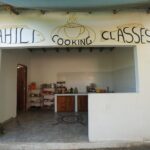
The other big win is the hands-on cooking class led by local hosts (many groups are guided by Lutfia, with Rashid also mentioned in some sessions). You learn methods and get tips for dishes such as rice pilau and even banana prep, then you eat what you made as a proper lunch. One consideration: punctuality can be a risk on any tour—there has been at least one past report of a late pickup—so keep a little buffer in your day if you’re catching a flight.
In This Review
- Key things that make this tour worth your time
- Zanzibar Cooking Class & Spice Tour: more than a food stop
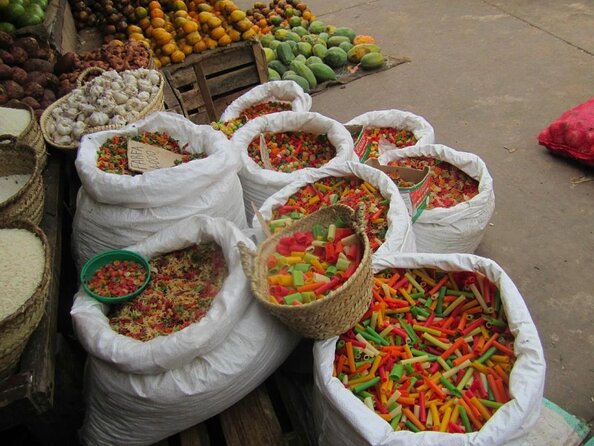
- Darajani Market: learning flavors by buying them
- Azusa Spice Farm: spices, tropical fruits, and tasting as you learn
- The cooking class: hands-on prep and real Zanzibar dishes
- Who’s teaching you: Lutfia, Rashid, and the local host vibe
- Timing, transfers, and small-group logistics in Stone Town
- Price and value: why $40 can actually make sense here
- What to bring and how to get the most out of it
- Who should book this Zanzibar cooking tour
- Should you book the Zanzibar Cooking Class & Spice Tour?
- FAQ
- What time does the Zanzibar cooking class & spice tour run?
- Where is the meeting point?
- How long is the tour?
- How many people are in the group?
- Does the tour include hotel transfers in Stone Town?
- What’s included in the itinerary?
- Is there a mobile ticket?
- What is the cancellation policy?
- When do I get confirmation for my booking?
Key things that make this tour worth your time
- Darajani Market ingredient shopping so you learn what matters in Zanzibari cooking
- Azusa Spice Farm with a guided walk and spice-fruit tastings
- Cooking class with lunch where you prep and then eat what you cook
- Small groups (max 10) for more attention and a calmer pace
- Two start times (9:00 AM or 3:00 PM) with Stone Town hotel transfers included
Zanzibar Cooking Class & Spice Tour: more than a food stop
Zanzibar is famous for spices, but most visits stay at the restaurant level. This tour helps you connect the dots from plant to plate. You start in Stone Town’s food market, move to a spice farm where you taste what you’re learning about, then finish by cooking Zanzibar dishes with a local cook.
I like that it’s not pretending to be a show. It’s structured like a real food day: buy, learn, taste, cook, eat. And because the group is capped at 10 travelers, it tends to feel less like a factory tour and more like a small class.
For me, the most useful part is the translation. You leave with more than recipes—you understand why certain ingredients show up again and again. That’s what makes future meals in Zanzibar taste more meaningful, instead of just delicious.
You can also read our reviews of more tours and experiences in Zanzibar.
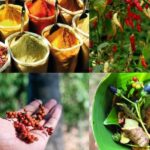
Darajani Market: learning flavors by buying them
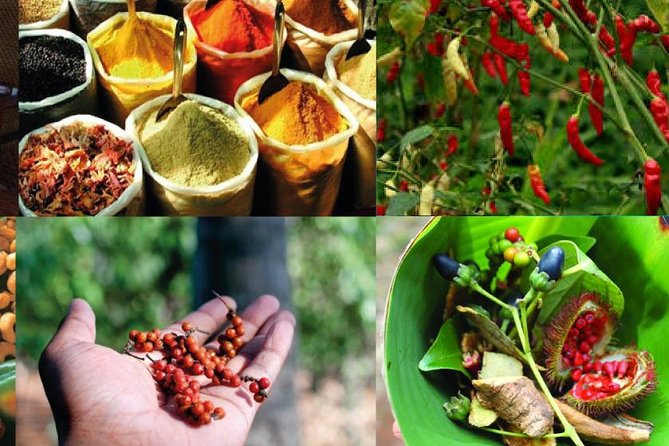
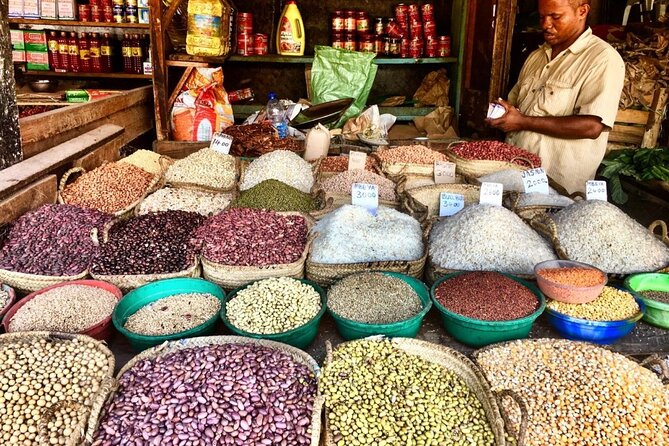
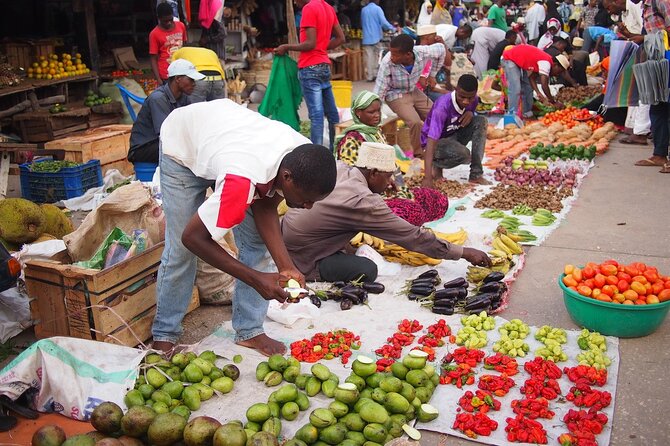
Your morning or afternoon session begins with pickup around Stone Town, then you head to Darajani local market. The tour isn’t just a walk past stalls. It includes a short guided market visit and time to buy ingredients you’ll use later.
Why this stop matters: markets teach you what people reach for day to day. You also get your bearings fast. Even if you’ve never been to Zanzibar before, you start recognizing common building blocks of the cuisine—things you’ll later see in spice blends and cooking methods.
The one thing to watch is pacing. Market time can stretch when you’re shopping, asking questions, and selecting ingredients. If you’re the type who hates time pressure, this is the part of the day where your patience helps most.
Also, since you’re doing ingredient shopping, you’ll want to keep an eye on what you’re told you’ll need for the cooking class. If anything feels unclear, ask early. In this kind of class, small confusion at the market can become a bigger one later in the kitchen.
Azusa Spice Farm: spices, tropical fruits, and tasting as you learn
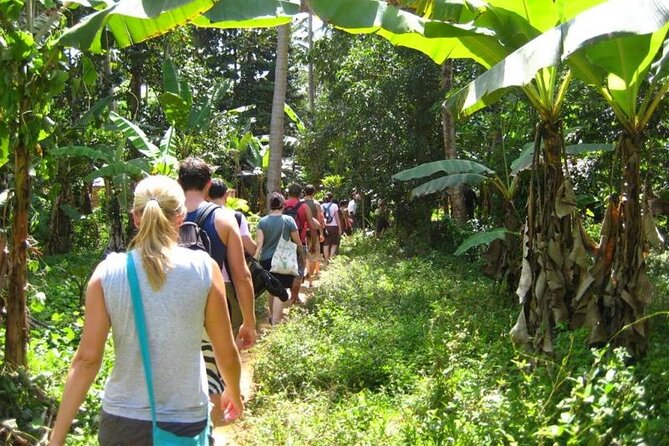
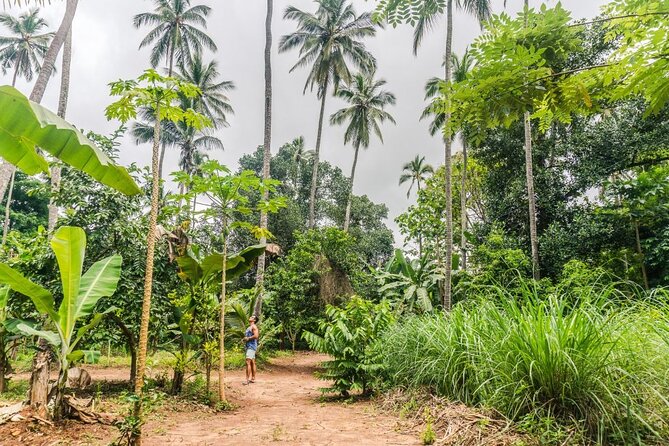
After the market, you head to the spice farm—Azusa Spice Farm is specifically called out in the experience info. Here you get a guided walk around and you’ll taste spice-fruits as part of the tour.
This is where the tour earns its keep. Spices on a menu can be vague. On the farm, you see plants and you connect the smell and flavor to the living source. One of the standout themes from the experience is how interactive it can be—people talk about seeing many different spices and tropical fruits and tasting most of them during the visit.
You also learn the farm logic behind Zanzibar flavor. The way spices are grouped, used, and talked about locally makes more sense once you’re standing in the growing area, not just reading about it.
A practical note: farm settings can involve heat and uneven ground. If you’re planning this on a busy travel week, wear comfortable shoes and expect it to feel more outdoorsy than a typical cooking workshop.
The cooking class: hands-on prep and real Zanzibar dishes
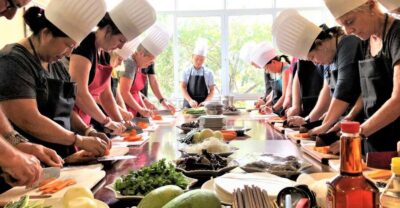
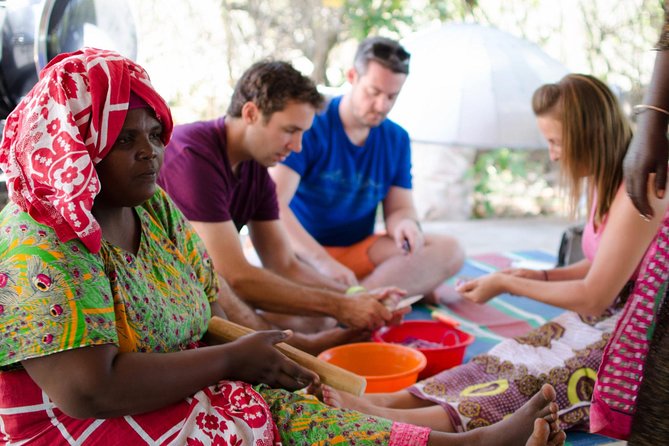
Then comes the best part: the kitchen time. After the spice farm, you head to the cooking class where you’ll learn how to cook authentic Zanzibar dishes. You don’t just watch—you prep the meal and then you eat lunch.
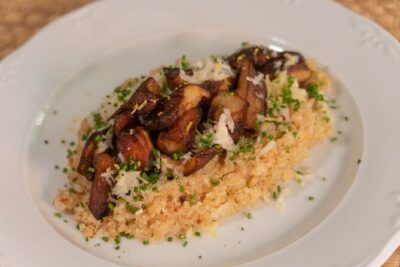
Several cooking sessions emphasize dishes such as rice pilau. You should expect specific tips on getting it right, not just a vague “cook it until it smells good.” There’s also mention of guidance for banana prep, which fits the broader Zanzibar idea of using fruit and spice together rather than treating them as separate worlds.
In the class, pay attention to the small techniques. In many home-style traditions, the “minor steps” are what make the final taste click—timing spices, building flavor in stages, or knowing when a dish is ready. This tour is designed to give you those practical cues.
And yes, you’ll eat what you cooked. That matters for value. Cooking classes can feel like you’re paying to stand near a counter. Here, you finish with lunch that comes from your work, so the day doesn’t end when the instruction ends.
Who’s teaching you: Lutfia, Rashid, and the local host vibe
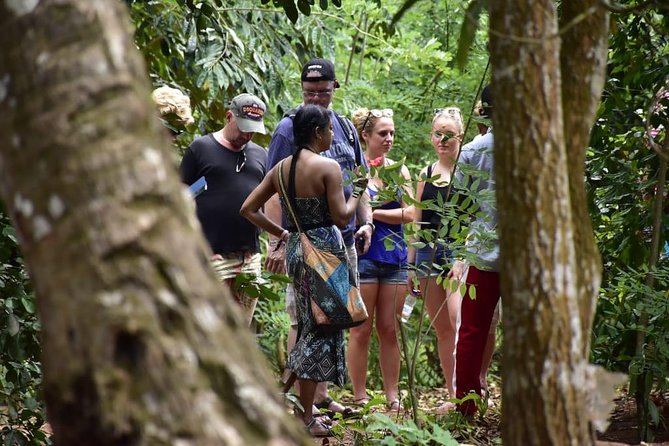
The experience is run by Kiyzo, but the day-to-day magic often comes from the hosts and cooks. Lutfia is repeatedly named as a warm, caring guide and cook. In some sessions, Rashid also shows up as part of the hosting team.
What I take from that: the tour isn’t meant to be anonymous. You’re likely to get a more personal explanation style—someone who answers questions, explains ingredients in a grounded way, and keeps the group comfortable through the day.
That kind of host energy is a big deal in markets and kitchens. Markets can feel chaotic if you’re on your own. Cooking classes can feel intimidating if you don’t know what to do next. A good guide reduces both problems fast.
If you’re the kind of traveler who likes conversation, you’ll probably get more out of this than someone who just wants photos. Ask about ingredients you keep seeing. Ask why certain flavors are common. That’s when the tour turns from activity into understanding.
Timing, transfers, and small-group logistics in Stone Town
This tour has two start times: 9:00 AM for the morning session or 3:00 PM for the afternoon session. Transfers from Stone Town hotels are included, which is huge. You’re not navigating traffic and pickup points while trying to be on time for a cooking class.
The experience runs about 5 hours. That’s a sweet spot: long enough to hit the market and spice farm, short enough that you still have a lot of your Zanzibar day left after lunch. For the afternoon session, you may also find it easier to pair with other Stone Town activities.
Group size is limited to max 10 travelers. In practical terms, that means you’re less likely to spend the whole time waiting. It also tends to keep the kitchen workflow smoother because the group isn’t too large to manage at once.
Still, remember the cooking class depends on people arriving and everyone staying on schedule. If you’re coming from somewhere else in Stone Town (or heading out later), plan a bit of buffer. You want your day to feel like a calm food outing—not a last-minute sprint.
Price and value: why $40 can actually make sense here
At $40, this isn’t a “cheap snack tour.” But it also isn’t just a market walk plus photos. You’re paying for three major components in one trip:
- Market time that includes guided ingredient shopping
- Spice farm tour and tastings at a named farm
- A hands-on cooking class that ends with lunch
Add hotel transfers from Stone Town to that, plus a small group cap, and the value starts looking more real. If you tried to arrange those pieces separately, the cost and hassle would likely stack up.
The other hidden value is learning. In a cooking class, your money turns into skills—how to handle ingredients, how to think about flavor building, and what to look for on future menus. That can pay you back many times over during the rest of your trip.
My advice on value: come hungry and curious. If you treat this like a casual stroll, you might not get your money’s worth. If you show up ready to taste and ask questions, you’ll probably feel the difference.
What to bring and how to get the most out of it
The experience details don’t list gear specifics, so I’ll keep this practical without guessing. Bring comfortable clothes and shoes, because you’ll be moving between market and farm areas. Also, plan for a day that includes tasting—so don’t schedule this when you’re already maxed out on other food plans.
To get more out of the cooking class, come with a small mental goal: pick one dish you want to understand deeply—like rice pilau—and focus on the key steps. If you’re into fruit-spice combos, pay attention when they talk about banana and spice-fruit tastings.
And do one simple thing that makes tours better: ask one question early. Something like what ingredient is used most often at home, or why a certain spice is added at a specific stage. In this kind of class, those answers tend to unlock the rest.
Who should book this Zanzibar cooking tour
This is a great fit if you want a more grounded view of Zanzibar cuisine. You’ll enjoy it if you like food culture, markets, and learning how dishes are actually built.
It’s also a strong choice for first-timers in Stone Town. The tour includes a market visit for context, and the rest of the day ties that context directly to cooking.
It may be less ideal if you:
- Have zero flexibility for timing, like a tight airport transfer with no buffer
- Hate hands-on activities and prefer pure sightseeing
- Want purely restaurant-style tasting, not ingredient shopping and cooking
If you want to understand Zanzibar through flavor, though, this tour is one of the most direct ways to do it.
Should you book the Zanzibar Cooking Class & Spice Tour?
If you like learning by doing, I’d book it. The mix of Darajani Market shopping, Azusa Spice Farm tastings, and a real cooking class with lunch is a smart use of 5 hours. And the small-group approach makes it more likely you’ll get help rather than just watch.
My only caution is timing. Since there has been at least one reported issue with late pickup in the past, I’d give yourself buffer if you’re flying or have a fixed appointment later that day. If your schedule can handle that, you’ll likely leave with dishes you can repeat and flavors you actually understand.
If you’re ready for more than a meal—if you want the why behind the taste—this is a very reasonable $40 step into the real food story of Zanzibar.
FAQ
What time does the Zanzibar cooking class & spice tour run?
You can choose a 9:00 AM morning session or a 3:00 PM afternoon session.
Where is the meeting point?
The meeting point is listed as R5QQ+697, Zanzibar, Tanzania.
How long is the tour?
The duration is about 5 hours.
How many people are in the group?
The tour has a maximum of 10 travelers.
Does the tour include hotel transfers in Stone Town?
Yes, Stone Town hotel transfers are included.
What’s included in the itinerary?
You’ll start at Darajani local market, then visit a spice farm for a tour and tastings, and finish with a cooking class that includes lunch.
Is there a mobile ticket?
Yes, the tour includes a mobile ticket.
What is the cancellation policy?
The experience is non-refundable and cannot be changed for any reason.
When do I get confirmation for my booking?
Confirmation is received at the time of booking.