REVIEW · PARIS
Paris Cooking Class: Learn How to Make Macarons
Book on Viator →Operated by Le Foodist · Bookable on Viator
Macarons look easy; they really aren’t. In Paris at Le Foodist, this max-four class gives you personal help while you make take-home macarons in the colors you pick. You start with meringue shells from scratch, then pipe buttercream and assemble macarons with step-by-step coaching.
One thing to consider: your macarons are very sweet, so plan to pace yourself. And if you’re flying home, the box may not feel like serious airline-proof gear—treat it gently.
In This Review
- Key moments that make this class worth your afternoon
- Le Foodist’s small-group macaron class: what you’re really paying for
- Where to go in Paris: Le Foodist on Rue du Cardinal Lemoine
- The welcome drink: the relaxed start before the meringue work
- Building your macarons: meringue shells, color choices, and clean piping
- Step one: meringue shells from scratch
- Step two: piping the buttercream filling
- What to watch for (practical reality)
- The tasting and the French macaron talk: why these cookies matter
- Take-home box: what you’ll leave with and how to travel with it
- Price and value: is $156 worth it for macarons?
- Who this class fits best in your Paris plan
- Quick tips to make your macarons day smoother
- Should you book this macaron class in Paris?
- FAQ
- How long is the macaron class?
- What time does the class start?
- Where does the class meet?
- What’s the group size?
- Is the class taught in English?
- What’s included in the price?
- Can I choose macaron flavors or colors?
- Is this class suitable for gluten allergies?
- Is there an age limit?
- What is the cancellation window for a full refund?
Key moments that make this class worth your afternoon
- Max-four size means fewer people waiting and more hands-on help
- Meringue shells from scratch so you understand the tricky part, not just the assembly
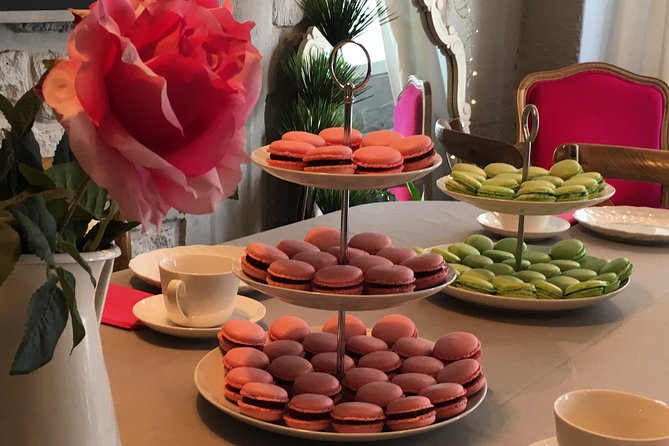
- Color choice for your shells lets you make the macarons look like your Paris day
- Pipe-and-fill instruction focuses on technique, including how to pipe for clean results
- Tea or coffee tasting at the end, plus a host talk on French macaron culture
- A take-home box of 20–30 macarons, so you’re not leaving empty-handed
Le Foodist’s small-group macaron class: what you’re really paying for
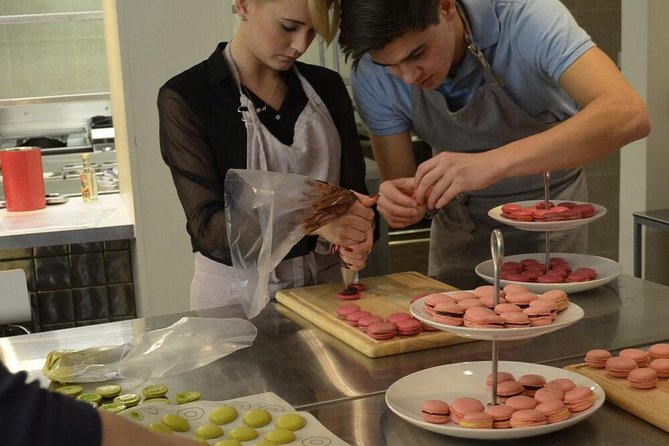
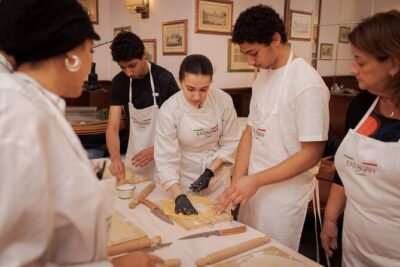
This isn’t a quick demo where you watch someone else do the hard work. You’re in a kitchen class format, with enough time at your station to get the meringue right, practice piping, and assemble macarons you actually recognize as yours.
What I like most is the small-group feel. With a cap of four travelers, it’s easier to ask questions, get corrections fast, and not spend your afternoon hovering around the counter hoping someone notices. I also love that the class leads you through the process end-to-end: meringue shell, filling, assembly, then the tasting.
Price-wise, $156 can sound like “just for macarons,” until you count what’s included. You’re getting equipment and attire, a welcome drink, coffee or tea, a take-home box, and instruction in a pastry technique that’s famously fussy. For anyone who’s ever bought macarons and wondered why yours never look like the store ones, this is the value.
You can also read our reviews of more tours and experiences in Paris.

Where to go in Paris: Le Foodist on Rue du Cardinal Lemoine
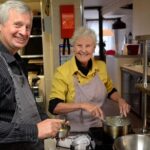
Your class meets at Le Foodist, 59 Rue du Cardinal Lemoine, 75005 Paris. This is a central Paris neighborhood, and the activity is described as being near public transportation, so you’re not stuck with a long trek before you even begin baking.
The start time is 3:00 pm, and the class runs about 3 hours. That timing is great if you want an afternoon that doesn’t drain your whole day, especially on a trip when you’re already doing museums in the morning and dinner plans at night.
If you like things to be calm and predictable, you’ll also appreciate the mobile ticket and the fact that you receive confirmation at the time of booking.
The welcome drink: the relaxed start before the meringue work
You’ll head into the cookery school in the afternoon, then meet your instructor over a refreshing drink before baking begins. This is one of those small touches that makes the rest of the session feel smoother—no rushing, no awkward cold start.
The instructor time at the beginning matters because macarons punish rushed brains. You’ll be learning the delicate art of the shells, including how the meringue behaves and how to shape it properly. The welcome moment gives you a mental runway: you can pay attention instead of juggling nerves and clocks.
The class runs in English, so you won’t have to guess what piping terms mean while your batter is sitting there doing its own thing.
Building your macarons: meringue shells, color choices, and clean piping
This is the core of the experience, and it’s also where you learn the skills that make macarons feel less like magic and more like technique.
Step one: meringue shells from scratch
You’ll learn to make your meringue shells from the beginning, not just “finish” a pre-made batch. The class focuses on the process for getting shells that bake into the right macaron shape.
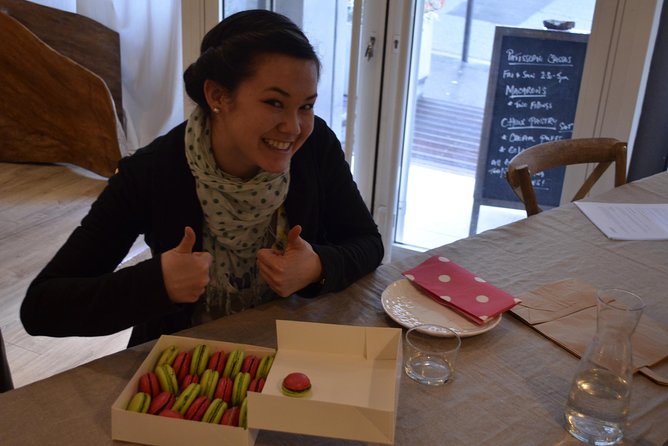
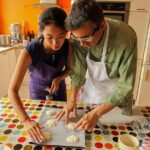
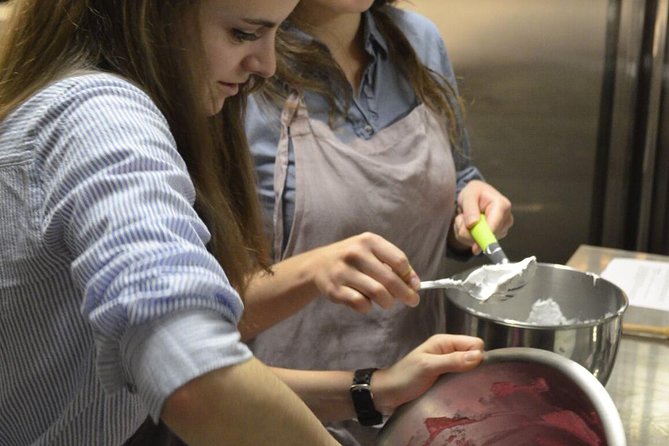
You also get to make shells in the colors you choose. That detail is more than cute. When you select colors, you’re participating in the crafting, so the final box feels personal rather than generic “class macarons.”


Step two: piping the buttercream filling
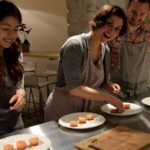
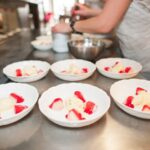
Once your shells are ready, you’ll practice piping the buttercream filling. Piping is the part where many people get stuck at home because they copy the result, not the method. In class, you get step-by-step guidance while you’re doing it, so you can correct your hands, not just your memory later.
What to watch for (practical reality)
Macarons can be unforgiving, and the class is designed to help you anticipate what goes wrong. Even if your first shell isn’t perfect, the instruction style aims to get you back on track.
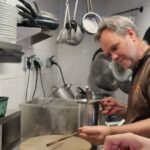
In the past, different instructors at Le Foodist have been praised for bringing humor and clarity while guiding students through the tricky steps. If you end up with Chef Stéphane or Chef Luc, you can expect a teaching style that’s active and detail-oriented, with lots of chances to fix small issues while you work.
The tasting and the French macaron talk: why these cookies matter
When your macarons are ready, you’ll sample what you made with a cup of tea or coffee. This is the payoff moment, but it also serves a purpose: you taste the results immediately, while the technique is still fresh in your mind.
After that, your host talks about the macaron’s place in French culture and tradition. You don’t need to be a pastry expert to enjoy this part. It adds context so your macarons feel connected to Paris, not just like something you baked in a kitchen somewhere.
It also helps you understand what makes a good macaron beyond looks—texture, sweetness balance, and that signature bite.
Take-home box: what you’ll leave with and how to travel with it
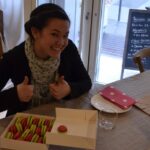
You’ll take home a box of 20 to 30 macarons. That’s a big deal, because you’re not leaving with a single “proof cookie.” You’ll have enough to share, nibble later, and still bring some back to the apartment without acting like you’re on a sugar heist.
That said, there’s one real-world consideration. One of the class experiences was described as having a box that didn’t feel very rigid during travel. So if you’re flying, you’ll likely be happier keeping the box in a carry-on area (or at least transporting it with care).
Price and value: is $156 worth it for macarons?
Let’s be honest: $156 is not what you pay for a casual pastry stop. You’re paying for time, ingredients, equipment, and the instructor’s attention while you learn a technique that’s easy to mess up.
Here’s why it can still be good value:
- Small group cap (max four): more direct help, fewer people competing for the instructor
- Equipment and attire included: you’re not showing up to a random kitchen with your own tools
- Welcome drink + tea/coffee: part of the experience, not just a token
- Take-home box (20–30 macarons): you’re getting a sizable edible souvenir
- Skill transfer: the class teaches the process well enough that you can try again at home later
There’s also an upgrade option: if you choose an advanced macarons class, you should expect extra attention to macaron subtleties. If you’re serious about mastering this, that upgrade can be a smarter use of your time than just doing the basic session and hoping you’ll figure out the hard parts alone.
Who this class fits best in your Paris plan
This works especially well if you fall into one of these categories:
- You love French pastries and want to learn the technique behind them
- You enjoy hands-on classes more than museum-style sightseeing
- You want a clear, memorable activity that doesn’t require advanced baking skills beforehand
- You’re traveling with someone who’d enjoy doing something creative together
The class is also listed as suitable for those with gluten allergies, and the minimum age is 12. Unaccompanied children aren’t accepted, so if you’re bringing younger teens, plan for a supervising adult.
If you’re the type who hates waiting and you only like ultra-short activities, note that this is about three hours. It’s not a quick snack class; it’s a real baking session with active participation.
Quick tips to make your macarons day smoother
A few practical moves can help you get the best results and enjoy the class more:
- Arrive on time for the 3:00 pm start so you can settle in before meringue work begins.
- Wear comfortable clothes since you’ll be standing and working at a station for a while (you’ll still have provided attire/equipment, but comfort matters).
- Take mental notes during piping and assembly, not just when your instructor explains. Your hands will learn faster when your brain stays engaged.
- If you’re taking macarons home by plane, plan careful transport. The box may not be built for rough luggage treatment.
- Don’t over-focus on perfection. Macarons are about technique and consistency. The class is designed to help you improve step by step.
Also, don’t be shy about asking your instructor for food and pastry recommendations. Several instructors have been described as going beyond the baking—sharing dining suggestions, where to shop for French sweets, and in some cases helping with restaurant planning. Even a couple of tips can turn this from a fun class into a better Paris itinerary.
Should you book this macaron class in Paris?
Book it if you want a hands-on Paris activity where you’ll leave with actual results: a box of 20–30 macarons plus the technique to make macarons less mysterious next time. The max-four setup is the kind of detail that makes classes feel personal and worth your money.
Skip it if you’re looking for a low-effort experience, or if you’re worried that sugar-heavy desserts won’t be your thing. Also, if you’re flying and you know your travel style is rough on fragile items, plan your carry-on strategy in advance.
FAQ
How long is the macaron class?
The class runs for about 3 hours.
What time does the class start?
The start time is 3:00 pm.
Where does the class meet?
You meet at Le Foodist, 59 Rue du Cardinal Lemoine, 75005 Paris, France.
What’s the group size?
The experience has a maximum of 4 travelers.
Is the class taught in English?
Yes, the class is offered in English.
What’s included in the price?
The class includes a welcome drink, use of required equipment and attire, coffee or tea, and a box of 20 to 30 macarons to take home.
Can I choose macaron flavors or colors?
You will make the meringue shells in the colors of your choosing.
Is this class suitable for gluten allergies?
Yes, the tour/activity is suitable for those with gluten allergies.
Is there an age limit?
The minimum age is 12 years, and no unaccompanied children are accepted.
What is the cancellation window for a full refund?
You can cancel up to 6 days in advance of the experience for a full refund.