REVIEW · PARIS
Paris French Cuisine Small Group Cooking Class with Lunch
Book on Viator →Operated by Meeting the French · Bookable on Viator
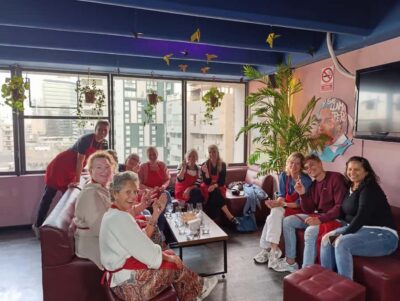
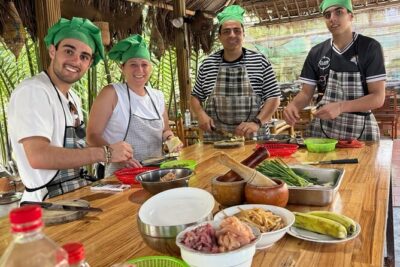
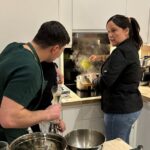
Cooking French food in a real Paris kitchen. I love the hands-on feel of learning French technique at an apartment cooking station (not a classroom bench), with an experienced chef working in close range. This kind of setup also keeps the group truly manageable—up to 8 people—so you can ask questions while the food is actually happening.
My other favorite part is the optional market tour, where you pick ingredients that drive flavor choices—then you turn those same ingredients into a full starter, main, and dessert. The main drawback to plan for: there’s no hotel pickup, and the class is strict if you’re late—if you’re delayed more than 20 minutes, entry can be refused with no refund.
In This Review
- Five things that make this class worth your time
- Why cooking in a Paris apartment changes everything
- Market tour option: where good French meals start
- Meet your chef and the small-group rhythm
- The lesson menu: what you’ll cook (starter, main, dessert)
- How the class actually feels hour by hour
- Lunch and wine: the part you shouldn’t treat like an afterthought
- Price and value: what $217.77 is really buying
- Logistics that matter in real life (and how to handle them)
- Dietary needs, allergies, and what the chef can realistically handle
- Who should book this cooking class?
- Final verdict: should you book it?
- FAQ
- How long is the cooking class?
- Is a market tour included?
- What will I cook during the class?
- Is lunch and wine included?
- How big is the group?
- Does the experience include hotel pickup?
- What if I’m late to the class?
Five things that make this class worth your time
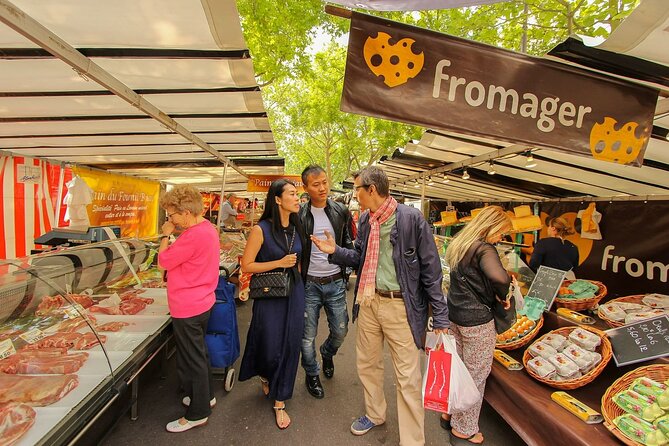
- Apartment cooking in the middle of Paris city limits, with a home-kitchen vibe
- Small group (max 8), so you get real interaction instead of watching only
- Three-course meal built from scratch, not just reheated convenience
- Market option lets you choose fresh ingredients before you cook
- Lunch plus wine at the end, so you get to eat what you made right away
Why cooking in a Paris apartment changes everything
This is one of those tours where the setting matters almost as much as the menu. Instead of a commercial kitchen or a big group format, you cook in a chef’s Paris apartment. That usually means two good things: the pace feels human, and the food feels personal.
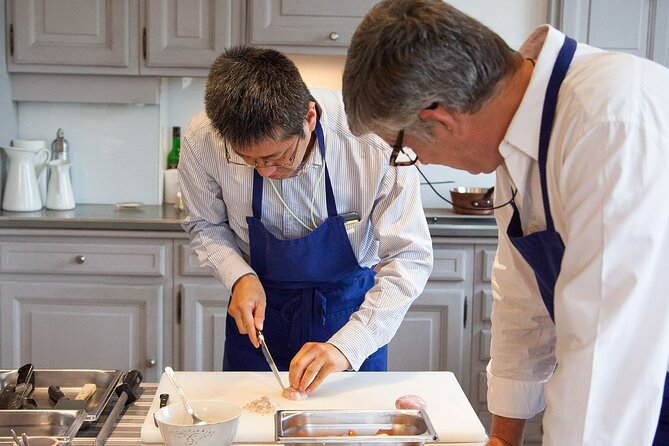
A small group of up to 8 also changes how the lesson lands. You’re not just learning recipes in the abstract. You’re learning techniques while your chef is physically walking the room through tasks—knife work, prep timing, seasoning, and when to stop cooking. Several chefs (like Chef Carole, Dominique, Frederic, and Myriam, depending on your date) are known for explaining ingredients with practical details: where they come from, how they behave, and how flavor patterns fit together.
If you’re a beginner, this format can feel welcoming because your tasks can be scaled to your comfort level. If you’re a more confident cook, you still get value—things like knife skills and “why this method works” usually show up more than fancy showmanship.
You can also read our reviews of more tours and experiences in Paris.

Market tour option: where good French meals start
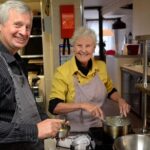
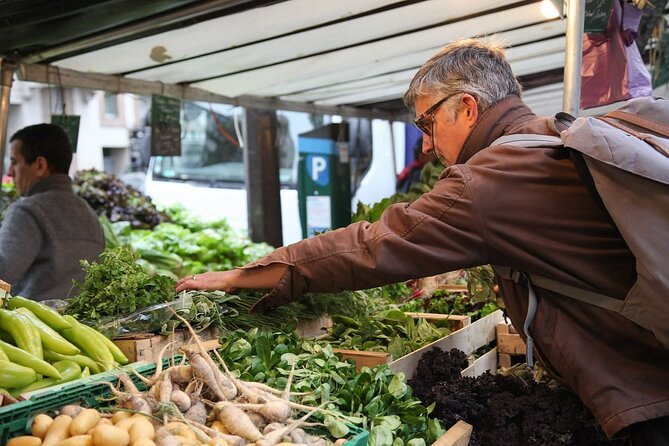
Choose the longer lesson and you add a market stop, with an open-air local market experience. The point isn’t just to look around—it’s to train your eye and your instincts like a Paris home cook.
Here’s what the market option gives you:
- You see produce and pantry items up close before you commit to a recipe.
- You get to select ingredients that match the dishes you’ll make.
- You get a chef’s guidance on what’s freshest and what actually tastes best together.
In some sessions, the market experience also turns into a food education moment—cheese and wine talk can show up depending on the chef and what’s available. For example, you might hear guidance on how cheeses pair, what to watch for in cuts, or how a wine choice connects to a dish’s sauce style.
Then you go right from buying to cooking. That “ingredient to plate” loop is a big reason people rave about this class.
Meet your chef and the small-group rhythm
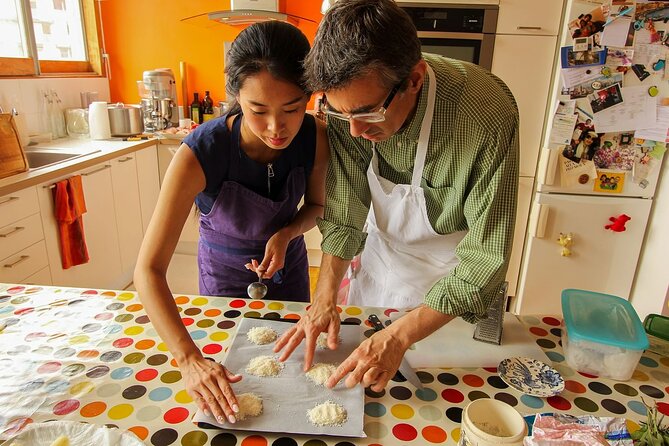
You’ll be taught by an experienced French chef, and the whole class is designed for a maximum of 8 people. That’s not just a comfort perk—it’s a teaching strategy.
In a group that size:
- You can actually get your questions answered while the chef is mid-instruction.
- You’re less likely to feel stuck waiting for a turn.
- The chef can keep an eye on doneness, seasoning, and technique quality.
One practical note: hands-on time can vary by how the chef structures tasks. In some formats, everyone contributes in turns and the group may build components together (so you might stand and watch a bit). Still, most people come away learning skills they can repeat—knife work, how to prep vegetables consistently, how to handle proteins, and how to balance seasoning.
You also get a more personal experience than you would in a standard group cooking class. It often feels like you’re invited into a real routine—chat included—while still staying on schedule.
The lesson menu: what you’ll cook (starter, main, dessert)
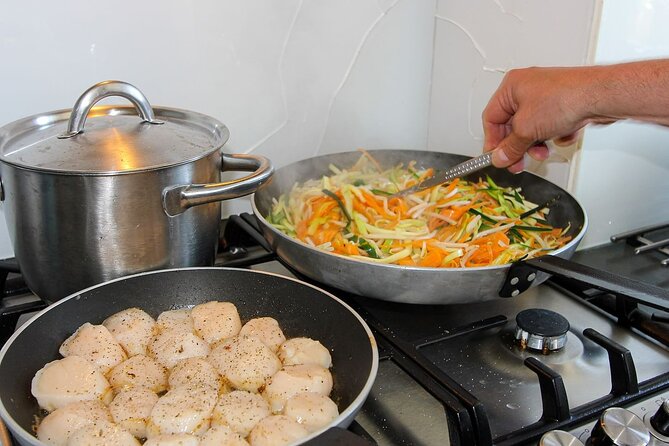
You’ll prepare a traditional French meal with three courses:
1) Starter
2) Main dish
3) Dessert
The exact menu can vary by date, but a sample set has been:
- Starter: Mediterranean zucchini
- Main: Marinated chicken
- Dessert: Mini chocolate lava cake
Even when the dishes change, the structure stays the same, and that’s what makes it useful. You learn the workflow:
- How to start strong (starter prep and timing)
- How to build the main course (protein and sauce logic)
- How to finish with dessert (temperature control and doneness cues)
From what’s been taught across different chef styles, you can also expect some repeat skill themes:
- Knife technique and clean prep (including tips for cuts like julienne-style work)
- Better produce selection and handling
- Protein cooking that doesn’t rely on guesswork
- Dessert methods where timing matters (lava cake-style results depend on attention)
A dessert like mini chocolate lava cake is a classic “wow” ending because it’s simple in ingredients but not forgiving in timing. When a chef guides you through it, you learn the key checkpoint you can use later at home.
How the class actually feels hour by hour
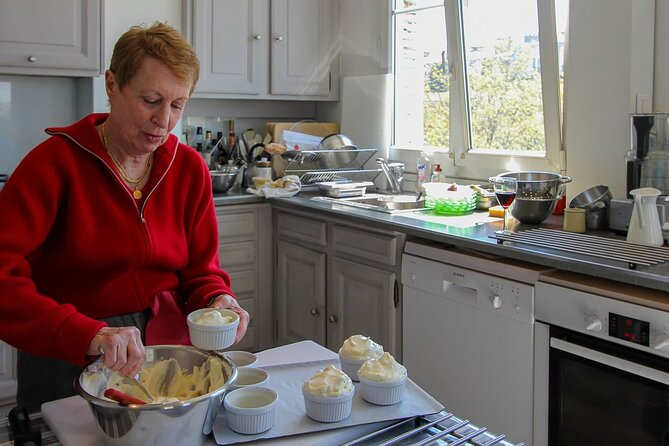
Most sessions run about 4 hours 30 minutes if you choose the market option, or about 3 hours if you choose the shorter lesson.
Either way, the flow usually looks like this:
- You arrive at the chef’s apartment and get your tools (apron and cooking utensils are provided).
- If you selected the market, you spend part of your time choosing ingredients.
- Back at the kitchen, you start with the starter, moving through prep steps and cooking instructions.
- You shift into the main dish, focusing on proteins, sauces, and balance.
- You finish with dessert, where the chef teaches both method and the exact signs to look for.
A nice detail: you don’t just get a recipe scribbled on paper. You get ingredients and a copy of the recipe to take home, which helps you recreate the dishes without guessing what changed during the class.
And yes—there’s a meal at the end. You’ll enjoy your lunch (or dinner depending on the option) plus a glass of wine.
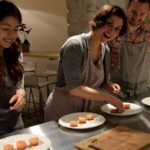
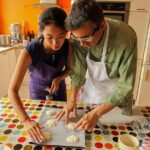



Lunch and wine: the part you shouldn’t treat like an afterthought
This class doesn’t end when the cooking ends. The lunch step is where everything clicks.
Eating what you made matters for two reasons:
- You can taste how your technique choices played out (salt balance, acidity, texture, doneness).
- You get a moment to learn socially—chefs often talk through ingredient sources and regional habits while you eat.
Wine is included as a glass with the meal, which is great because it turns the lunch into a real French-style sit-down. And since you cooked alongside your instructor, you’re not stuck reading about pairings—you’re experiencing the result.
If you’re planning this around other Paris highlights, this is also one of the better “use my time wisely” experiences. After the class, you’ll be full and content, and you’ll have a memory that goes beyond photos.
Price and value: what $217.77 is really buying
At $217.77 per person, this isn’t a bargain class. But it does score well on value if you compare it to what you get:
You’re paying for:
- A private home kitchen experience in Paris
- An experienced French chef
- A small group setup (max 8)
- Three courses made from scratch
- All ingredients
- Apron and cooking utensils
- A recipe copy you can bring home
- Lunch (or dinner) plus a glass of wine
- Optional market tour where you select ingredients
So the real question is: how much do you value hands-on learning with a chef, plus sitting down to eat a finished meal? If you want to do “one great food experience” in Paris and you care about technique—not just eating—this price can feel fair.
Where it may feel steep is if you’re mainly looking for a casual snack-and-pose activity, or if you expect every participant to cook every exact step on their own plate. Some teaching formats involve group teamwork and shared contributions.
Logistics that matter in real life (and how to handle them)

There’s no hotel pickup. You’ll need to get to the chef’s apartment on your own using public transportation. The good news: it’s described as near public transportation, so you’re not trapped in a car-only situation.
The exact address is sent after reservation, and it should be available if you don’t receive it within 72 hours of your date, you’re supposed to contact. Translation: don’t wait until the last minute. Screenshot your details or save the message so you can navigate calmly.
Also, be on time. If you’re delayed more than 20 minutes, entry can be refused and no refund is given. That’s the kind of policy that turns a minor transit hiccup into a big disappointment, so I suggest planning extra buffer time—especially if you’re unfamiliar with the neighborhood.
One more practical tip: use the address you receive for your booking, not an estimate or shortcut. In past experiences, some people ended up at the wrong spot due to confusing directions. So double-check the final message before you head out.
Dietary needs, allergies, and what the chef can realistically handle
The class asks you to advise dietary requirements at booking. They do their best to accommodate, and they’ll tell you if a specific requirement can’t be met.
Allergies are also something you should flag early (food and animal-related allergies). This is especially important in a cooking class where you’re working with real ingredients, shared prep spaces, and dishes that include multiple components.
If you’re pescatarian, for example, you might find accommodations and menu adjustments—some chefs have successfully tailored dishes in that direction. But don’t assume. Send your needs clearly when you book.
Who should book this cooking class?
This works best if you:
- Want a hands-on cooking experience rather than a show-and-taste tour
- Enjoy learning technique you can repeat at home
- Like eating what you cook with wine in a home setting
- Prefer small groups where you can interact with your chef
- Are excited by the market-to-kitchen idea (especially if you pick the 4.5-hour option)
It’s a solid fit for couples, friends, and even parent-and-teen groups. Some people book it for a shared activity because it feels comfortable and personal—like cooking with a host, not working through a checklist.
If you’re traveling solo, you’ll still benefit from the close instruction, but check your expectations on whether you’ll be standing in on teamwork steps at times. Some classes can be more collaborative than strictly one person equals one dish step.
Final verdict: should you book it?
Yes, I think you should book this class if you want an authentic Paris food day that’s more than eating. The apartment setting, the small group size, the three-course outcome, and the included wine all make it a complete package. And the market option is a real plus because it teaches you ingredient thinking, not just recipe copying.
I’d hesitate only if you’re worried about being late, hate navigating to an exact apartment location, or you want maximal individual hands-on work at every moment. If those aren’t issues for you, this is one of the better ways to spend a morning or afternoon with French cooking skills you can actually bring home.
FAQ
How long is the cooking class?
You can choose a shorter 3-hour cooking lesson or a longer 4.5-hour option that includes a market tour.
Is a market tour included?
The market tour is included only if you select the longer option. If you choose the shorter lesson, there is no market stop.
What will I cook during the class?
You’ll prepare three courses: a starter, a main dish, and a dessert, all from scratch with the chef’s guidance.
Is lunch and wine included?
Yes. Your meal is included (lunch or dinner depending on the option you choose), and the experience includes a glass of wine with your meal.
How big is the group?
The class is limited to a maximum of 8 travelers, so it stays small and interactive.
Does the experience include hotel pickup?
No. You’ll need to make your own way to the meeting point and then the chef’s apartment location.
What if I’m late to the class?
If you are delayed by more than 20 minutes, access to the class may be refused and no refund is granted.
If you tell me your travel month and whether you prefer the market option, I can help you pick the best length and set expectations for how the day will likely feel.