REVIEW · PARIS
Paris: Full-Day Cooking Class with 3-Course Lunch
Book on GetYourGuide →Operated by Le Foodist · Bookable on GetYourGuide
One of the fastest ways to understand French cooking. In a small group at Le Foodist in the Latin Quarter, you shop for ingredients, then learn classic techniques and build a full three-course meal. I especially like the market trip first approach, because it teaches you how French home cooks think about what to cook next, not just what to follow.
The other big win is the teacher-and-story combo: you’ll eat what you make, paired with red and white wine plus cheese, while an English-speaking French host shares food culture stories that stretch far back in time. One possible drawback to plan for: the class is typically a bit hands-on and paced, so if you’re already a very seasoned home chef, you may find some steps feel more like solid fundamentals than brand-new tricks.
In This Review
- Key things to know before you go
- Latin Quarter market run: building your menu from what looks best
- Le Foodist kitchen setup and the small-group advantage
- The French technique lessons behind your 3-course lunch
- Wine and cheese lunch: what makes the sit-down part special
- Recipe handouts and learn-it-for-real value
- Price and value check: why $222 can make sense
- Who should book this cooking class in Paris (and who might not)
- Practical tips to get the most from the day
- Should you book this Paris 3-course French cooking class?
- FAQ
- How long is the cooking class in Paris?
- Where do I meet for the class?
- How big is the cooking class group?
- What do I cook during the class?
- Is wine and cheese included?
- Are recipes provided after the class?
- Can the class handle dietary restrictions?
- Is this class suitable for children?
- What if the class doesn’t run due to low signup numbers?
Key things to know before you go
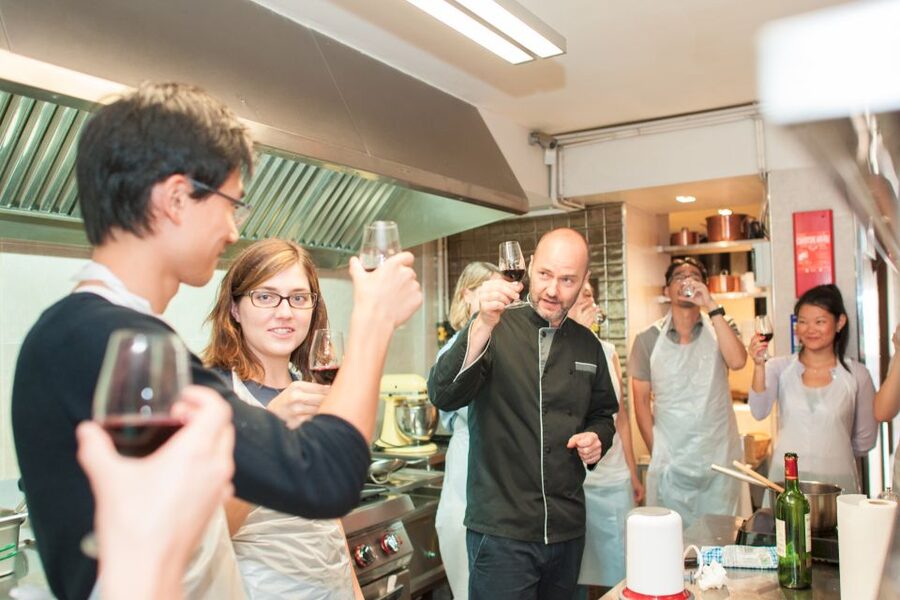
- Market-first menu planning in the Latin Quarter, using what you find that day
- Small group size (about 3–7) so you actually get time at the stove
- 6–8 cooking techniques taught across appetizer, main, and dessert
- Wine and cheese lunch with a long, un-rushed sit-down
- English-speaking French host who mixes technique with culinary history stories
Latin Quarter market run: building your menu from what looks best
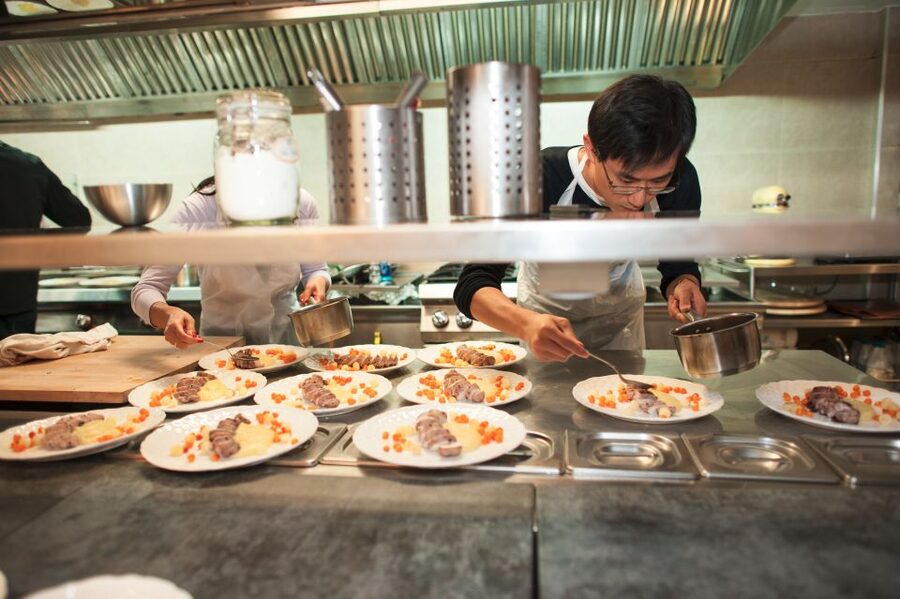
Your day starts with a welcome at 10:30, after your hosts return from a local market with fresh produce. The key detail here is that you’re not locked into a fixed menu. You build your menu from the ingredients that look best that day, which mirrors how real French cooking works at home.
It also changes the vibe. Instead of “watch me make dish X,” you’re learning how to make decisions: what goes together, what cooks well within the class timeline, and how to plan a meal around what you have. That’s a skill you’ll use long after you’re back home.
If you like food details, this part can be fun in a low-key way. Many cooking classes stop at instructions in the kitchen. Here, the market phase helps you understand why certain French classics are built the way they are. Even when your menu shifts, the technique lessons stay consistent.
You can also read our reviews of more tours and experiences in Paris.
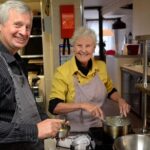
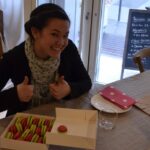
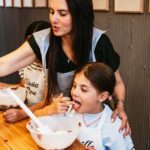
Le Foodist kitchen setup and the small-group advantage
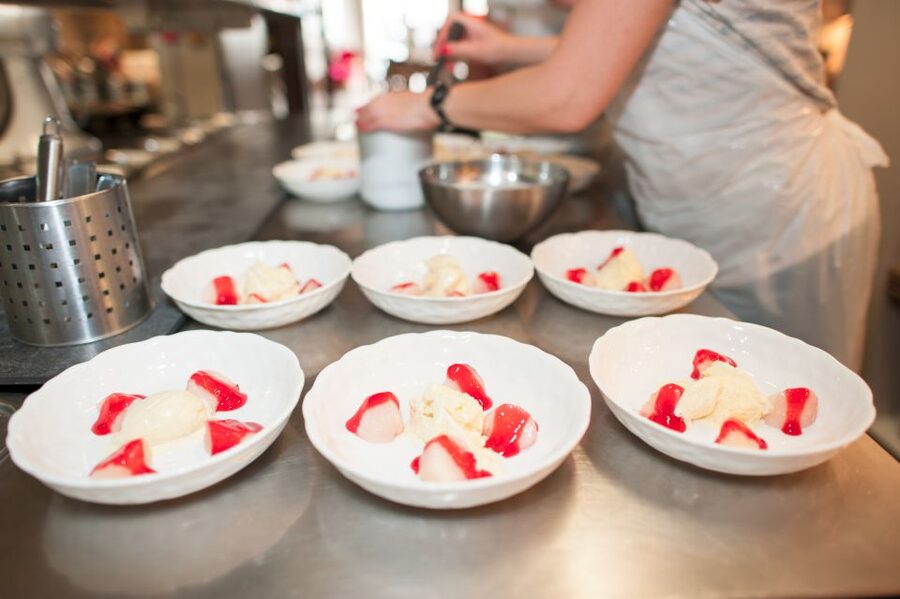
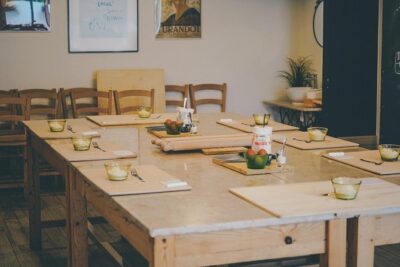
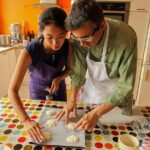
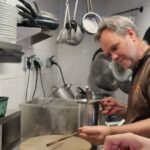
You meet at Le Foodist, 59 rue Cardinal Lemoine, 75005 Paris. From the moment you step into the space, the kitchen feels made for teaching: proper equipment, good working room, and an organized flow so you’re not constantly waiting around.
The class size is typically kept intimate, usually between 3 and 7 people. That matters more than you might expect. With fewer people, the chef can watch your pace, fix small issues early, and explain what to do next without rushing. You’ll also feel comfortable asking questions in the moment, which is where the best learning happens.
One small but important comfort factor: everyone gets an apron, and the class provides all cooking equipment. That means you can focus on technique and taste, not on bringing tools or figuring out what’s missing.
If you’re traveling with a friend or as a couple, this also feels sociable. More importantly, it feels functional. You’ll spend most of the day cooking, not hovering.
The French technique lessons behind your 3-course lunch
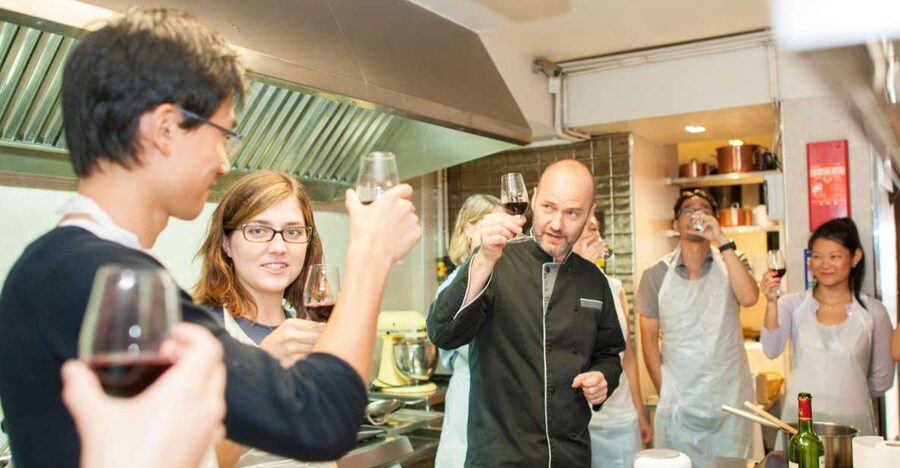
This is a full-day style class without the “all day, no break” feeling. Total duration is 5 hours, and about 2 hours go to cooking before lunch.
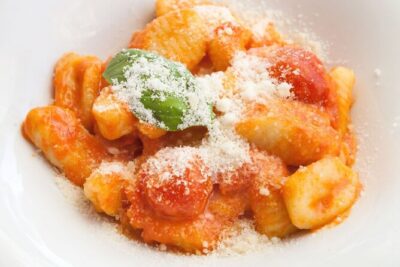
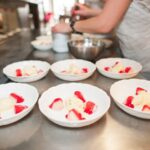
You’ll learn a menu that includes an appetizer, main course, and dessert, using classic French methods. The exact dishes can vary based on what’s available, but you can expect classic French touches such as a wine-based sauce and a dessert element like ice cream.
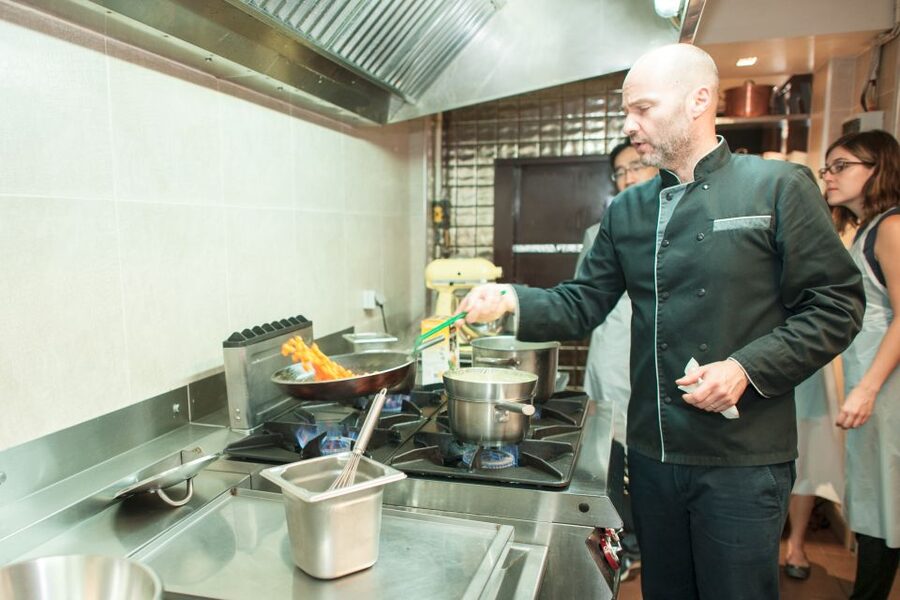
Across the day, you’ll pick up 6–8 different techniques. Here’s what that looks like in practice:
- Meal planning skills, so you know what can be done ahead and what needs last-minute attention
- Core cooking fundamentals applied to French classics, like managing timing and heat for the right texture
- Sauce thinking, especially in ways French cooking treats flavor as structure, not just seasoning
- Dessert workflow, including understanding how to keep everything on schedule so lunch is ready together
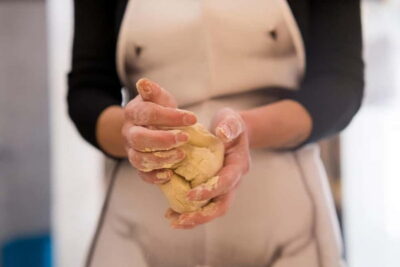
Your chef often breaks tasks into clear steps. Several past students noted that even when they’re not cooking at a high level, the approach is approachable. You might not do every single step of every course personally, especially in a small-group setup with stations, but you’ll still get hands-on work and concrete technique takeaways.
Also, if you care about knife skills, you’ll likely appreciate the small hints. Some teaching styles include quick coaching on how to prep and move efficiently, which helps you replicate the results later.
Wine and cheese lunch: what makes the sit-down part special
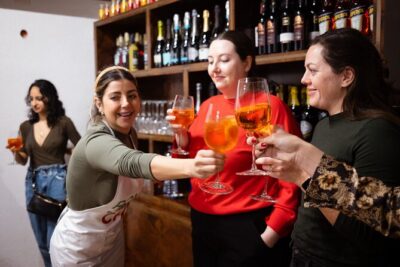
Once cooking wraps, the lunch feels like the payoff, not just the end of the class. You’ll get wine paired with the meal (both red and white), along with generous servings of cheese.
And unlike some short classes where you eat quickly and leave, this one gives you time to enjoy the meal. Lunch typically finishes around 15:00, and you’re not pushed out the door. That extra time turns the class from a workshop into something closer to a real Paris meal moment.
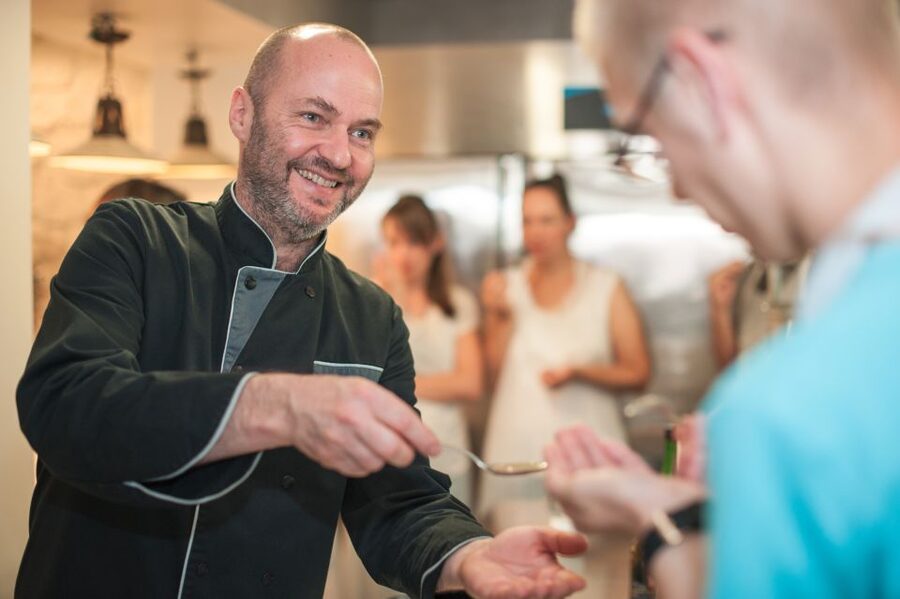
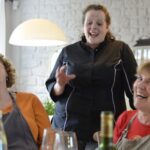
This is also where the host’s personality matters. The English-speaking French guide brings food culture stories with the meals—culinary history you can actually connect to what’s on your plate. The point isn’t trivia for trivia’s sake. The goal is to help you understand why these techniques became the standard in French kitchens.
You’ll taste your own cooking while the story layer makes it feel bigger than a recipe card. That combination is one reason so many people end up recommending the class as a highlight, not just a fun activity.
Recipe handouts and learn-it-for-real value
You leave with recipes in both hard copy and electronic format, all written in English. For me, that’s a big part of the value. Learning techniques in a kitchen is great, but you still need a clear way to repeat the results later. Having the full set of recipes makes that possible.
It also helps you re-create the timing and planning that made the lunch work. Many people can cook a French dish once. Fewer people can cook it again smoothly. The “what can be prepared in advance” lesson is one reason this class is useful, not just entertaining.
Even if some dishes feel straightforward, the method often isn’t. French classics are usually about ratios, timing, and technique precision. When you get those details in a structured way, you can repeat them at home without guessing.

Price and value check: why $222 can make sense
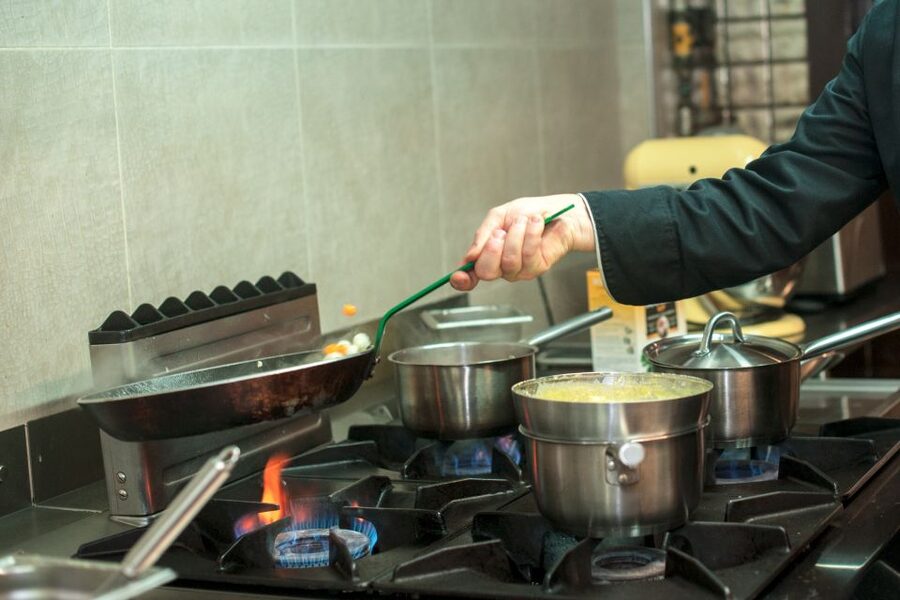
At $222 per person for about 5 hours, this isn’t a budget activity. So the real question is what you’re getting for the price—and you do get more than a meal.
You’re paying for:
- Hands-on instruction across multiple techniques (not just one demonstration)
- Market-first ingredient selection that shapes what you cook
- A full three-course lunch with wine and cheese
- Use of the kitchen, equipment, and apron
- Recipes provided after the class in English
If you think about it as “dinner plus a guided cooking lesson,” the math improves. You’d likely spend a similar amount on a nice tasting meal and drinks in Paris, but you’d get fewer skills in return. Here, you get both the food and the method.
One note: one past participant felt the pricing was high for the time length, mainly compared to a shorter class. That’s fair. If you’re expecting a long, slow cooking day with constant individual step-by-step coverage, you might feel the pace. On the other hand, if you want a practical 3-course outcome and techniques you can actually use later, the value can feel strong.
Who should book this cooking class in Paris (and who might not)
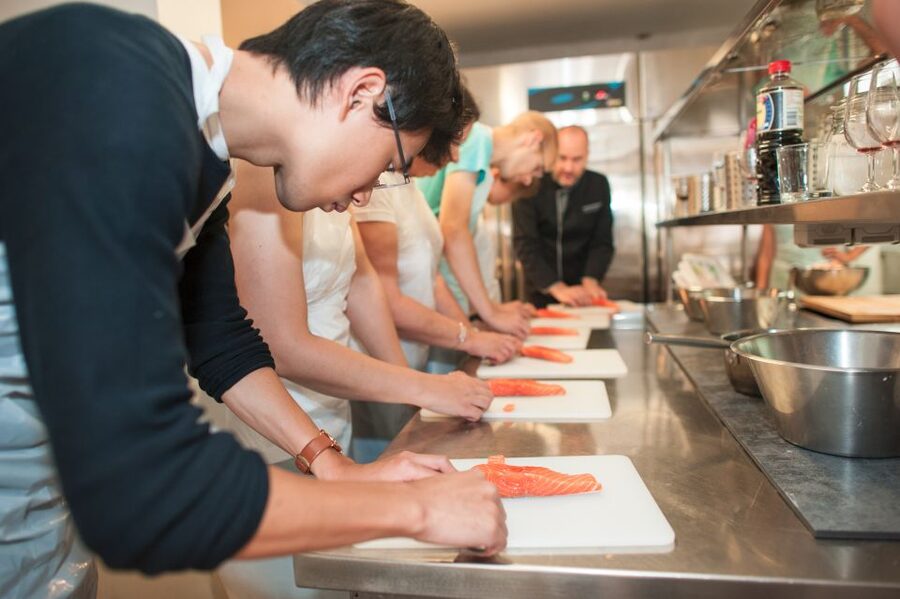
This class is a great fit if you:
- Want classic French techniques taught clearly in English
- Prefer small groups where you get attention and time at the stations
- Like eating what you make, paired with wine and cheese
- Want recipes you can cook from after your trip
- Enjoy cultural storytelling while you eat
It’s less ideal if you:
- Are bringing kids under 10, since children under 10 are not permitted in the class
- Are expecting a slow-paced, purely beginner-only lesson (some guests felt it might be basic for advanced cooks, though others found it fun and useful)
- Have dietary needs and you didn’t plan ahead—tell the team about dietary restrictions at least 24 hours before class so the menu can be adjusted
If you’re vegan or vegetarian or you have allergies, it’s worth asking early. One vegetarian-focused student noted that the menu was designed around their needs. The key is communication in advance.
Practical tips to get the most from the day
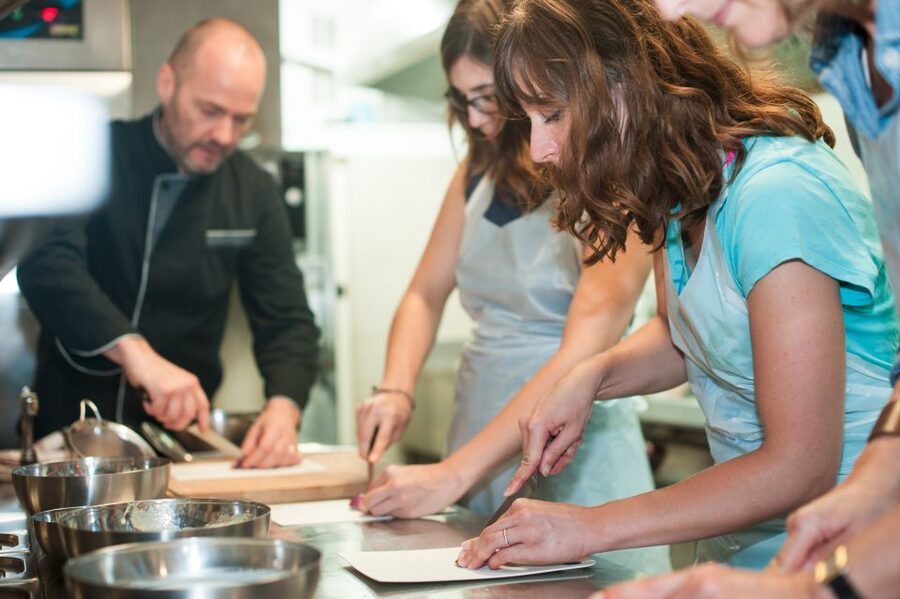
A few small choices can make your experience smoother:
- Expect a hands-on day, with active cooking and prep while learning techniques
- Ask questions right away when you see something unclear—chefs can adjust explanations best in real time
- If you’re sensitive to wine or you prefer lighter drinking, plan your pace and drink water between courses
Also, check your dietary requirements before booking. The class asks for dietary restrictions at least 24 hours prior, and that’s how the team can adapt your menu and keep the lunch flow on track.
Should you book this Paris 3-course French cooking class?
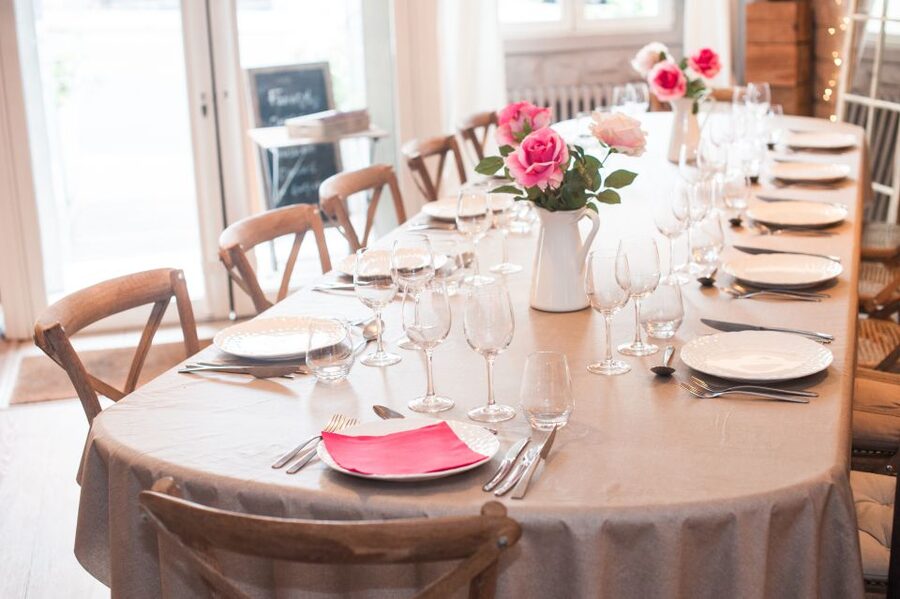
I think you should book it if you want a day that’s both tasty and useful. The market-to-kitchen structure teaches you how to think like a cook, not just how to follow instructions. The small group size makes the learning feel personal, and the wine, cheese, and long sit-down lunch turn it into a real Paris food afternoon.
Skip it if your priority is only to eat and you don’t care about learning methods, or if you’re bringing children under 10, or if you’re already cooking at a very advanced level and you’re hunting for cutting-edge technique.
FAQ
How long is the cooking class in Paris?
The class lasts 5 hours, and lunch typically ends around 15:00.
Where do I meet for the class?
You meet at Le Foodist, 59 rue Cardinal Lemoine, 75005 Paris.
How big is the cooking class group?
The class is typically limited to between 3 and 7 people.
What do I cook during the class?
You cook a three-course meal: an appetizer, a main course, and a dessert using classic French techniques. Exact dishes can depend on the ingredients available.
Is wine and cheese included?
Yes. You’ll enjoy wine with the meal (red and white) and cheese is included with lunch.
Are recipes provided after the class?
Yes. You receive recipes in English, in both hard copy and electronic format.
Can the class handle dietary restrictions?
Yes, but you need to advise them at least 24 hours prior to the class so they can adjust the menu.
Is this class suitable for children?
No. Children under 10 are not permitted.
What if the class doesn’t run due to low signup numbers?
If only 2 people or less have signed up, the provider can cancel the class and offer an alternative date or a full refund.