REVIEW · ROME
Pasta and tiramisù Cooking class with Wine at Piazza Navona
Book on GetYourGuide →Operated by Cook and Eat Rome · Bookable on GetYourGuide
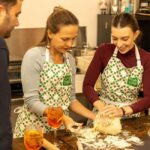
Fresh pasta and tiramisù, made with your own hands. This cooking class takes place just steps from Piazza Navona, and turns the classic Roman comfort-food duo into a real, do-it-yourself experience. You’ll work at the table making pasta from scratch, then tackle tiramisù with a chef who keeps things clear, playful, and fast moving.
What I like most is how hands-on it all feels, from kneading and shaping pasta to assembling tiramisù the traditional way. The second big win is that you finish with the meal you made, plus wine and a small limoncello toast—so it’s not just a demo you watch. One drawback to note: the class includes pasta and tiramisù preparation, but the sauces are handled by the restaurant staff, so you won’t see sauce prep.
In This Review
- Key Highlights You’ll Actually Notice
- Piazza Navona Timing: Why This Neighborhood Works So Well
- Your Main Task: Roman Pasta From Scratch (No Shortcuts)
- The Sauce Twist: You Don’t Watch It Get Made
- Tiramisù Workshop: The Classic You Can Rebuild at Home
- Choosing Wine and Limoncello: Small Drinks, Big Atmosphere
- Chef Personalities: From Lucas to Chef Alfons
- Group Size Energy: Why You Won’t Feel Lost
- Price and Value: What $55 Buys You in Rome
- Who This Class Fits Best (And Who Might Skip)
- Practical Tips So You Leave With Skills, Not Just Photos
- Should You Book This Piazza Navona Pasta and Tiramisù Class?
- FAQ
- How long is the cooking class?
- What does the $55 price include?
- Do I make both pasta and tiramisù?
- Is wine included?
- Who prepares the sauce?
- What languages is the class taught in?
- Is it suitable for kids?
- Is the class vegan-friendly?
- What if I arrive late?
- Who runs the class?
Key Highlights You’ll Actually Notice
- Roman fresh pasta from scratch: flour and egg, then knead, roll, and shape.
- Real tiramisù technique: you build it following the classic Italian method.
- Chefs with big energy: you might get hosts like Lucas, Riccardo, or Chef Alfons, and they’re big on fun plus instruction.
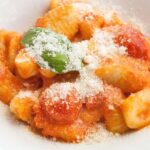
- You eat what you make: pasta with sauce and your finished tiramisù served afterward.
- Wine with the experience: red or white, plus a limoncello toast to close it out.
- Recipes to bring home: so your next dinner doesn’t rely on memory alone.
Piazza Navona Timing: Why This Neighborhood Works So Well
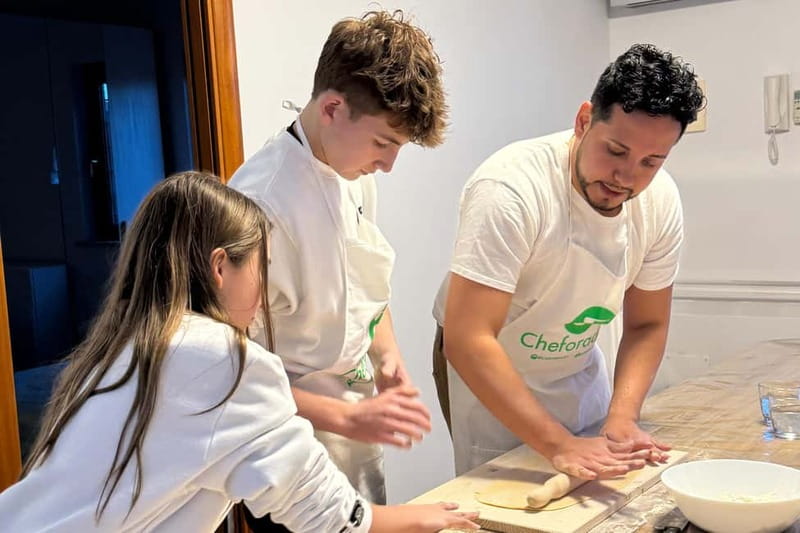
If you’re spending time in central Rome, this class hits a sweet spot: it’s close to the iconic sights, but the experience itself is calm and focused. Expect to be working in a restaurant setting rather than in a loud, touristy kitchen. That matters because the class is only about two hours, so you want the time to go into your dough, your filling, and your hands-on practice.
Also, this is the kind of activity that gives you a break from sight-hopping. One minute you’re thinking about Piazza Navona’s streets and fountains. The next, you’re rolling pasta sheets and learning what to look for as the dough comes together. It’s a smart way to “use” your limited time in Rome.
One small practical note: plan to arrive 15 minutes early. Late arrivals may not be admitted, and you could be asked to reschedule depending on availability.
You can also read our reviews of more tours and experiences in Rome.

Your Main Task: Roman Pasta From Scratch (No Shortcuts)
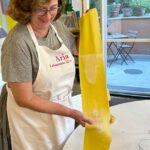
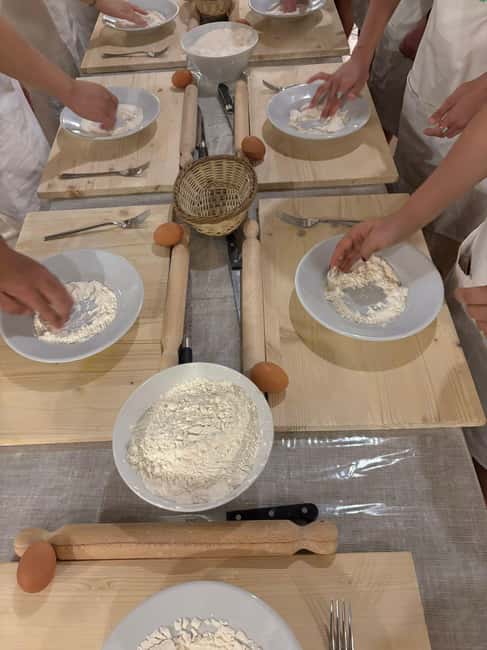
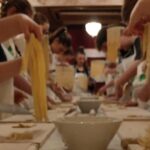
The pasta part is the heart of the class. You’ll make fresh Roman pasta from scratch using just flour and an egg, the traditional approach. That means you’re not relying on store-bought dough, and you’re learning the feel of the dough rather than memorizing steps from a brochure.
Here’s what you’ll typically do during your hands-on pasta time:
- Knead the dough so it becomes smooth and workable
- Roll and shape it into pasta you’ll recognize from Roman tables
- Learn the small physical cues that make a difference (like how the dough should move under your hands)
People who did the class with kids often mention how easy it was to stay engaged, and that’s because the steps are physical. You can’t get bored while you’re flattening dough, dusting, and shaping.
A helpful tip you can carry beyond the class: go for gentle pressure and steady rhythm. One chef instruction that shows up in feedback is the idea of massaging the dough gently rather than forcing it. That’s exactly how you keep it from turning tough.
The Sauce Twist: You Don’t Watch It Get Made
Now for the one part you should understand before you go: sauce preparation happens off to the side. You’ll choose your sauce, and you’ll eat pasta with sauce, but participants do not see sauce prep. That’s not a dealbreaker, but it does change the “scope” of what you learn. You’re there to master dough and tiramisù, not to run a sauce kitchen.
Tiramisù Workshop: The Classic You Can Rebuild at Home
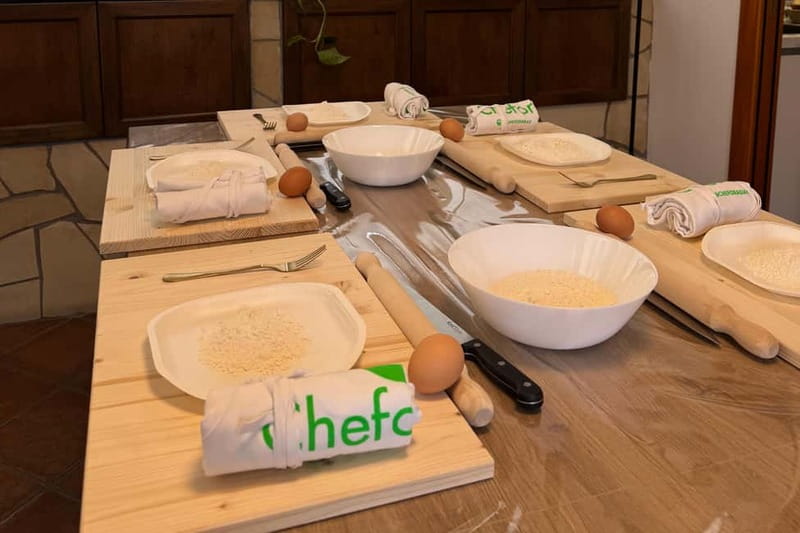
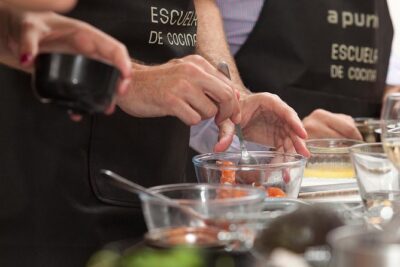
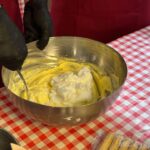
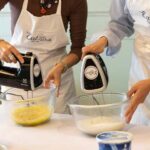
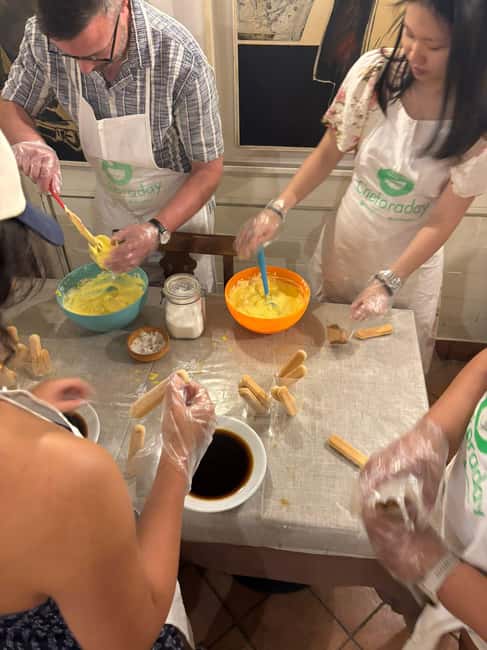
Tiramisu is where the class earns its reputation. You’ll learn how to prepare a classic tiramisù using fresh ingredients and an original Italian recipe style. This is the part you’ll likely remember long after you leave Rome, because you’re assembling it with layers and textures you can’t fake with shortcuts.
What makes the tiramisù lesson useful is not just the final dessert. It’s the technique and the logic:
- You learn how the ingredients should behave when combined
- You follow the rhythm of assembly so the layers make sense
- You get tips that help you avoid common mistakes like wrong consistency or uneven layering
In many sessions, the pacing works so tiramisù can rest and set while you focus on pasta. Even if the exact order varies, the practical point stays the same: you’re building a dessert that benefits from time in the right condition.
And you don’t just make it and walk away. You’ll finish by tasting what you built—so you can connect instructions with results.
Choosing Wine and Limoncello: Small Drinks, Big Atmosphere
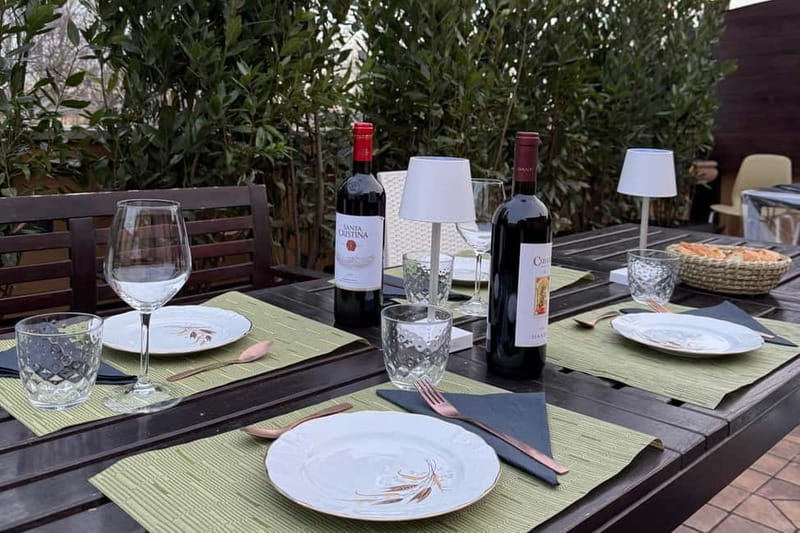
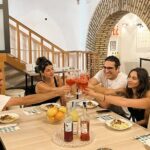
This class includes wine—red or white—served alongside your meal. It’s not a high-drama wine experience, but it’s enough to make the dinner feel like a real Roman evening rather than a cooking class snack.
There’s also a limoncello toast included, which gives you a distinctly Italian finish. The best part is that these drinks don’t stretch the schedule. You still end in time, but the vibe is celebratory.
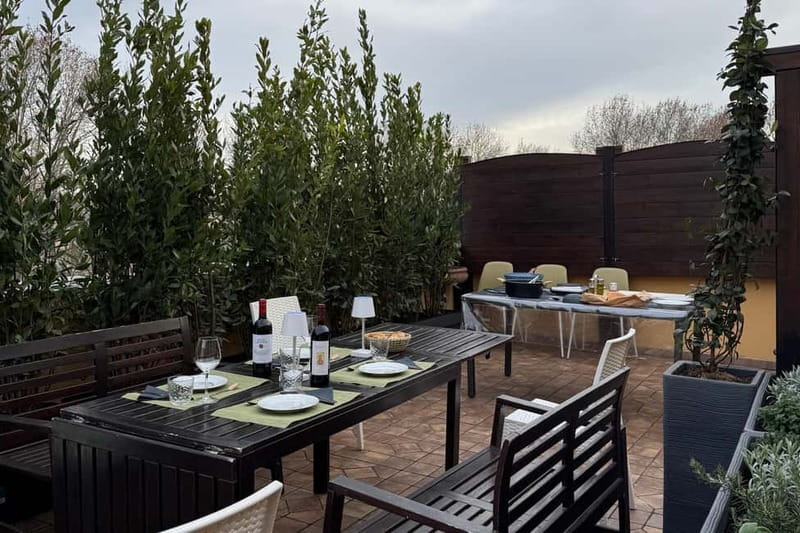
One detail I appreciate from the overall setup: the class isn’t just “cook, then run.” You sit down and eat restaurant-style. That’s where the experience clicks, especially if you’re traveling with a partner or kids who want to participate and then immediately reap the rewards.

Chef Personalities: From Lucas to Chef Alfons
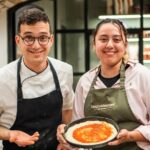
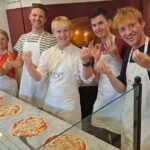
A cooking class lives or dies by its instructor, and this one seems to have that figured out. Reviews frequently name energetic hosts like Lucas, Riccardo/Ricardo, and Chef Alfons/Alfonso/Alphonse. While names differ by session, the pattern is consistent: friendly energy, clear steps, and a willingness to explain why you’re doing each part—not just what to do.
You’ll also notice a “teach with participation” approach. Some classes have chefs inviting volunteers for mixing or assembly steps, which is a fun way to keep everyone involved without turning it into chaos.
If you’re cooking alongside kids, that’s another big theme in feedback. Chefs were described as patient with children as young as 5, with the team finding ways for kids to take part while adults still get hands-on time too.
Group Size Energy: Why You Won’t Feel Lost
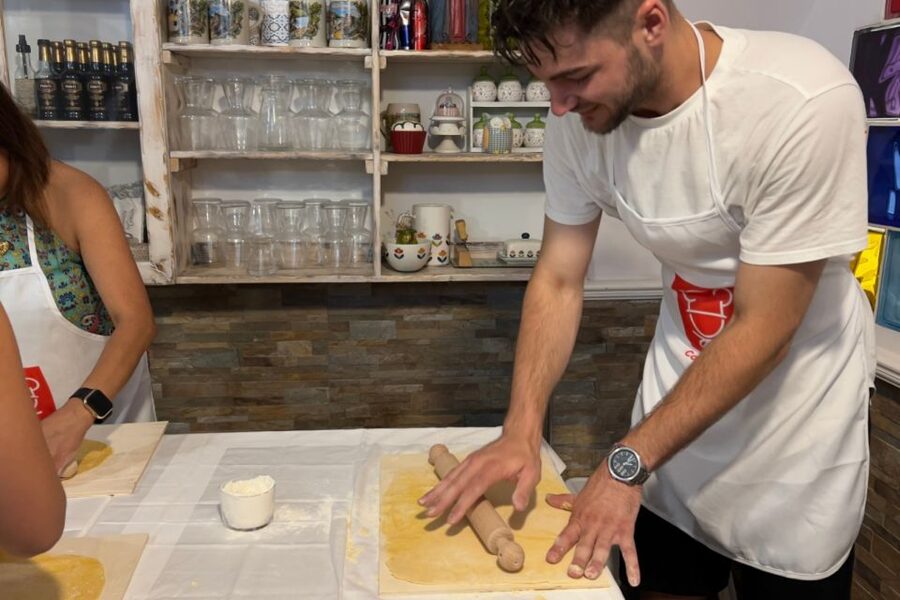
This is listed as a group cooking class, but the big practical advantage is that the cooking steps are organized. You’re not standing in a long line waiting your turn for dough. You’re working at your workstation with equipment and ingredients provided, and the chef keeps things moving at a pace that fits the two-hour window.
That time constraint actually helps. After a certain point, cooking classes can drag. Here, you get a full flow—prep, cooking/assembly, then meal—without turning it into an all-afternoon event.
If you’re worried about technique, you can relax. The instructions are offered in English and Spanish, and the class is designed for both beginners and more experienced home cooks.
Price and Value: What $55 Buys You in Rome
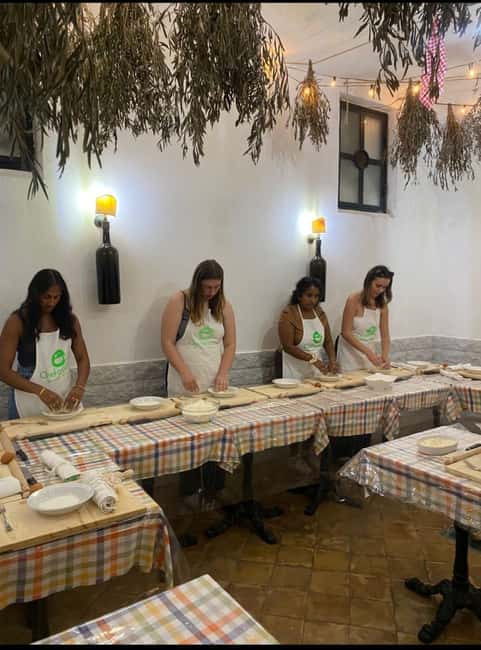
At $55 per person for a two-hour class, the value comes from what you get at the end. You aren’t paying just for instruction. You’re paying for:
- All equipment and ingredients
- Expert guidance
- Fresh pasta and sauce meal
- A freshly made tiramisù
- Wine plus a limoncello toast
- Water during the class
- Recipes to recreate the dishes at home
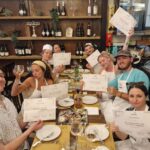
- A participation certificate
If you’ve priced out cooking classes elsewhere, you know $55 can be either a bargain or a trap. Here, it lands in the bargain zone for Rome because you leave with a full dessert-and-pasta dinner experience, not just a “lesson” where you snack on crumbs.
Two ways to judge value before you book:
- If you’re the type who likes eating what you make, this price makes sense fast.
- If you want to learn dough technique and dessert assembly well enough to repeat it later, the included recipes help justify the cost.
Who This Class Fits Best (And Who Might Skip)
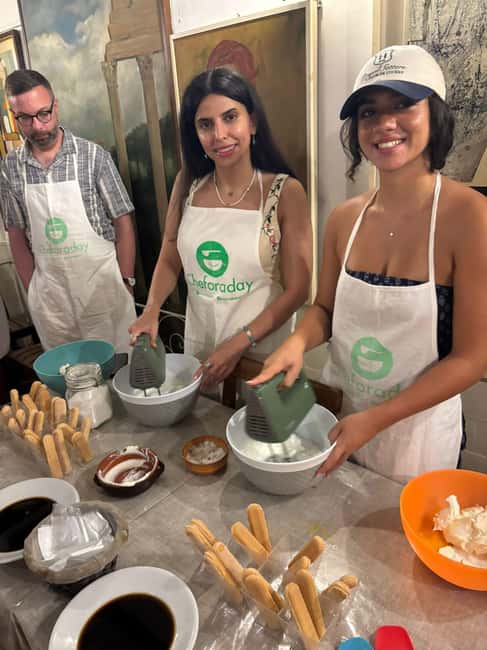
This is a strong match if you want a hands-on Rome cooking experience that’s not locked behind a fancy formality. It works especially well for:
- Couples who want a shared activity and then get an actual meal
- Families with kids (many feedback notes kids loved it)
- Food-first travelers who want something practical beyond restaurant dining
- Beginner cooks who want real technique and not vague tips
It’s not a match for everyone. It’s not suitable for vegans, and wheelchair users aren’t accommodated. If those apply to you, you’ll need to look for a different class style.
Practical Tips So You Leave With Skills, Not Just Photos
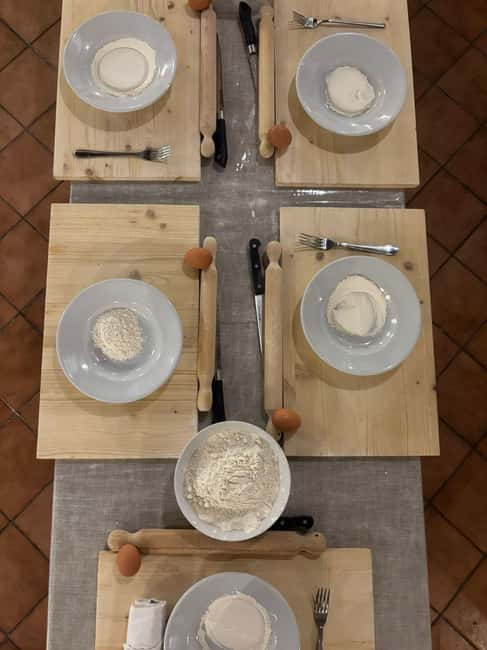
The class is designed to be fun and accessible, but you can make it even better with a few simple moves.
- Come hungry. You’re making and then eating pasta plus tiramisù, and it’s best when you actually have room for it.
- Wear comfortable clothes. You’ll be handling dough, so avoid anything too precious.
- Listen for dough cues. The most useful learning tends to be the chef’s reminders about texture and handling.
- Save your questions for the right moment. If you ask when you’re confused, you get help right away instead of later.
- Take the recipes seriously. The included recipes are meant to help you recreate it at home, so treat them like your plan, not like a souvenir.
And yes, take at least one photo. But try to do it between steps, not while the dough is mid-action. That’s how you get the best results.
Should You Book This Piazza Navona Pasta and Tiramisù Class?
Yes, if you want an activity that combines technique, laughs, and a meal you can’t get elsewhere in quite the same way. For first-timers, it’s a clear, friendly introduction to Roman pasta basics and a classic tiramisù you can rebuild later. For returners to Rome, it’s a refreshing switch from churches and lines, and it gives you a “hands-on memory” you’ll still talk about next year.
I’d hesitate only if you strongly care about watching sauce prep (you don’t) or if vegan needs or wheelchair access apply (those aren’t supported here). If those don’t apply, this is one of the easiest “book it, enjoy it, learn something” choices you can make in central Rome.
FAQ
How long is the cooking class?
The class runs for 2 hours.
What does the $55 price include?
You’ll get an expert instructor and group class, all equipment and ingredients, fresh pasta with sauce, a freshly made tiramisù, water during the class, wine (red or white), a limoncello toast, a certificate of participation, and recipes to recreate the dishes at home.
Do I make both pasta and tiramisù?
Yes. During the class you’ll prepare fresh pasta from scratch and you’ll also prepare tiramisù.
Is wine included?
Yes. Wine (red or white) is included, and there’s also a limoncello toast included.
Who prepares the sauce?
The sauces are prepared by the restaurant staff that hosts the event. You choose the sauce, but you do not see the sauce preparation.
What languages is the class taught in?
The instructor is available in English and Spanish.
Is it suitable for kids?
Children under 7 are welcome to join for free, but they must share a workstation with an accompanying adult.
Is the class vegan-friendly?
No. It is not suitable for vegans.
What if I arrive late?
Late arrivals may not be admitted and might need to be rescheduled for the next available session. A rescheduling fee of €15.00 per person may apply.
Who runs the class?
The experience is led by a chef/instructor (session hosts have included people like Lucas, Riccardo/Ricardo, Tim, Brandon, and Chef Alfons/Alfonso/Alphonse based on past classes).