REVIEW · PALERMO
Palermo: Market Tour and Sicilian Cooking Class with Lunch
Book on GetYourGuide →Operated by Towns of Italy · Bookable on GetYourGuide
Smell the market, then cook Sicilian classics. In Palermo, I love the Mercato del Capo produce walk for learning what is truly fresh, and I love the fact that you cook hands-on with Palermo chefs like Marcello or Salvo in English. You leave with a full 3-course meal you actually made, plus real skills you can use back home.
One catch: this is not suitable for celiac or for gluten intolerance, so if that’s you, you’ll need a different option. If you can eat gluten, it’s a fun, small-group way to experience Palermo through food, not a lecture.
In This Review
- Key highlights to look forward to
- Mercato del Capo: Shopping With the Right Eye in Palermo
- The Kitchen Setup: Apron On, Then Real Step-by-Step Cooking
- Cooking the Palermo Classics: Arancini, Pasta alla Norma, and Cannoli
- Arancini (fried rice meatballs)
- Pasta alla norma
- Cannoli (the famous Sicilian dessert)
- Lunch With Unlimited Wine: Eating What You Cook
- What You Take Home: Digital Booklet and a Graduation Certificate
- Price and Value: Is $65 Worth It in Palermo?
- Who Should Book This Class (and Who Might Skip It)
- Practical Tips Before You Go
- Should you book this Palermo market and Sicilian cooking class?
- FAQ
- What dishes will I cook during this Palermo class?
- How long is the experience?
- Is the class in English?
- Is lunch included, and is wine provided?
- What happens if the market is closed?
- Is this class suitable for vegetarians?
- Is it safe for celiac or gluten intolerance?
- Where do I meet the group?
Key highlights to look forward to
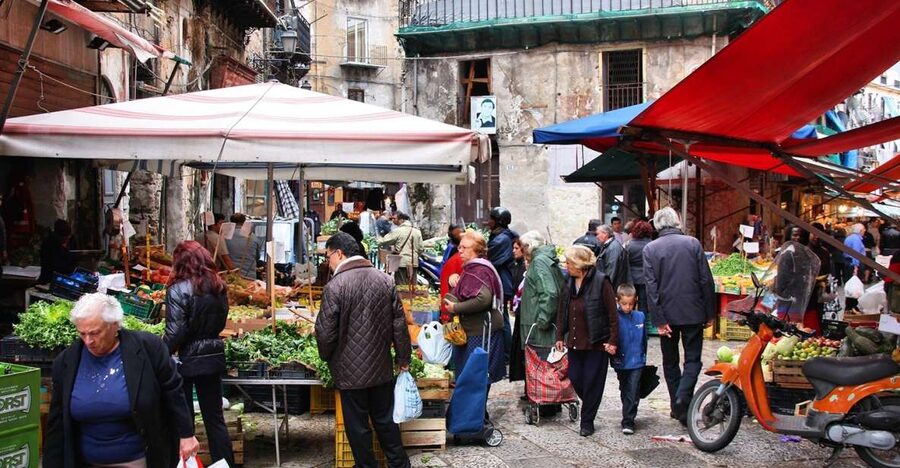
- Mercato del Capo shopping with seasonal guidance so you know what to buy and why
- English instruction from local chefs (names you might see include Marcello, Salvo, Enza, Serena, and Lidia)
- A hands-on 3-course menu built around arancini, pasta alla norma, and cannoli
- Lunch with unlimited wine served with what you cooked
- A digital recipe booklet plus a graduation certificate so you can repeat the dishes later
Mercato del Capo: Shopping With the Right Eye in Palermo
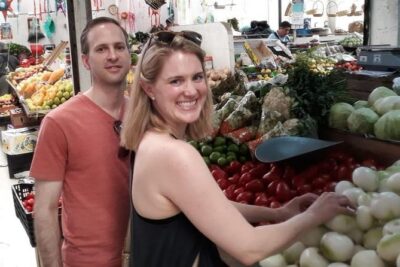
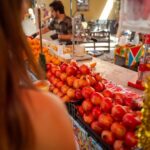
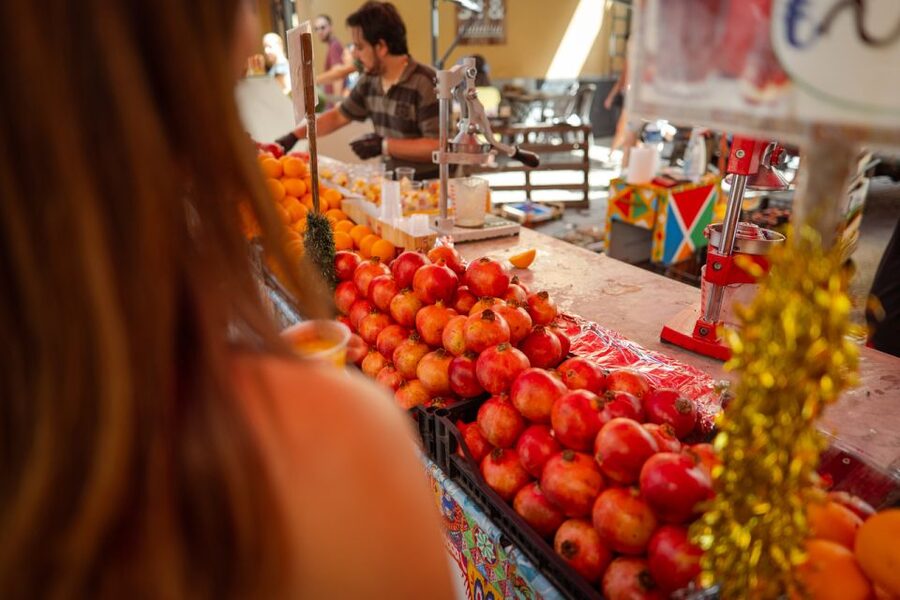
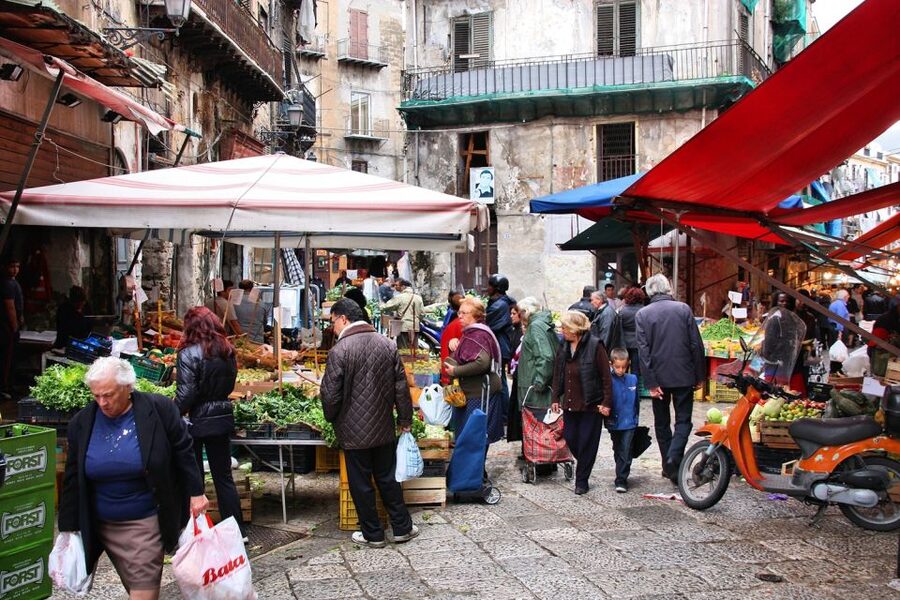
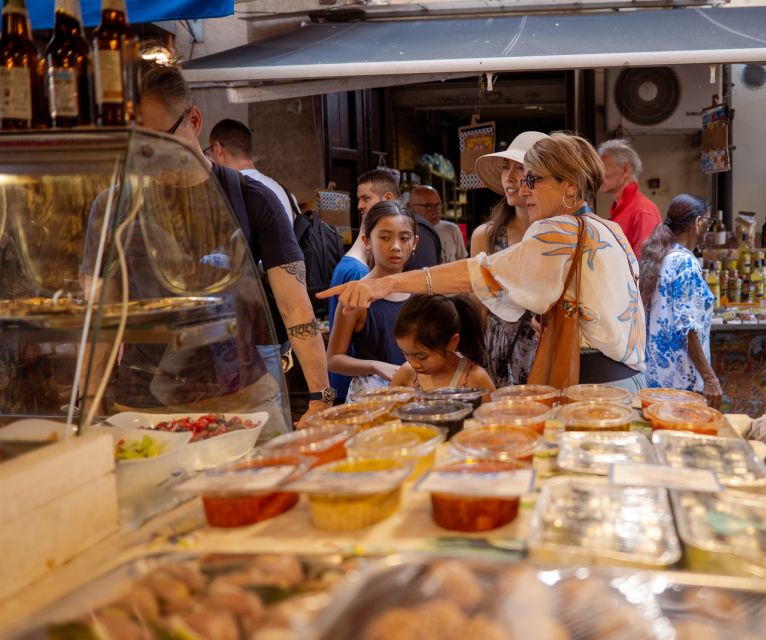
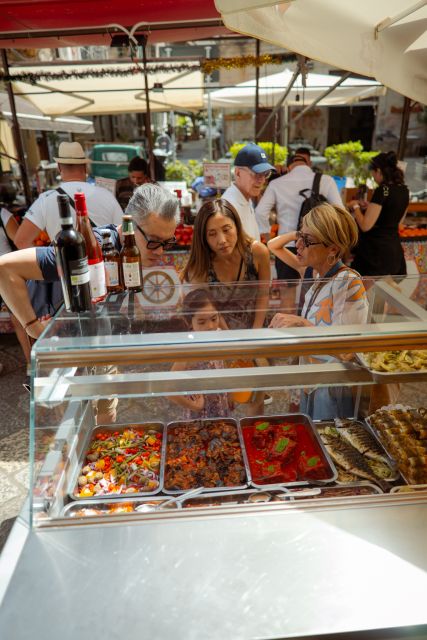
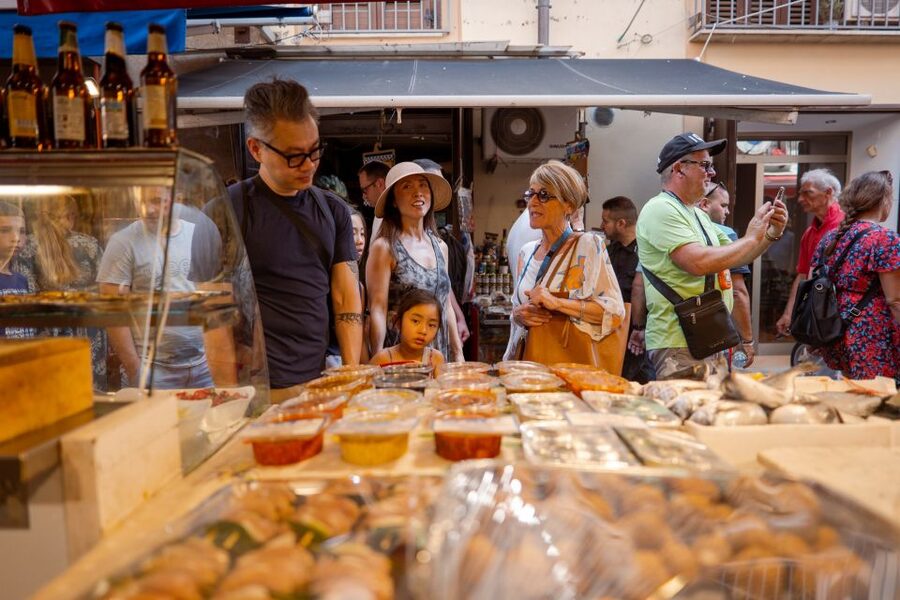
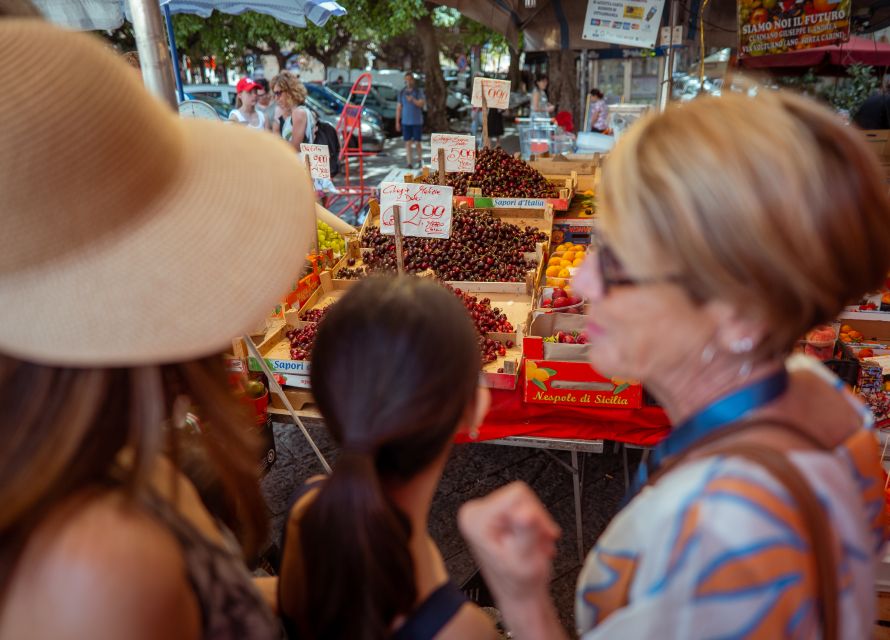
The experience starts where Sicilians actually shop: at Mercato del Capo. This market is the step that turns cooking class food into something real. Instead of jumping straight to recipes, you learn how to pick ingredients like a local, including how to spot produce at its best and how the market shapes what you cook.
I like this approach because it gives you a mental map of Palermo’s flavors. You’ll be guided through what’s in season and what works together, and that matters for Sicilian cooking where small ingredient choices change the whole dish. Even if you’re not a big cook, you’ll walk away with better instincts for things like ripe tomatoes, fresh herbs, and the kinds of cheeses and pantry staples that show up in dishes like cannoli and baked or fried pasta classics.
A practical note: fish shops are closed on Mondays. And if the market is closed (there’s a longer option tied to market timing), you’ll get a special introduction and extra tastings at the cooking school instead. Translation: you’re not paying for an empty street. You’ll pivot to keep the food learning going.
You can also read our reviews of more tours and experiences in Palermo.
The Kitchen Setup: Apron On, Then Real Step-by-Step Cooking
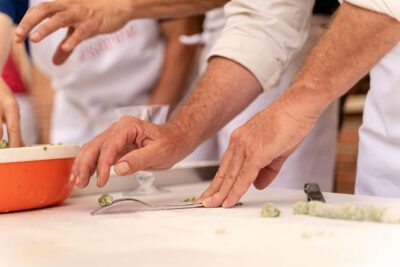
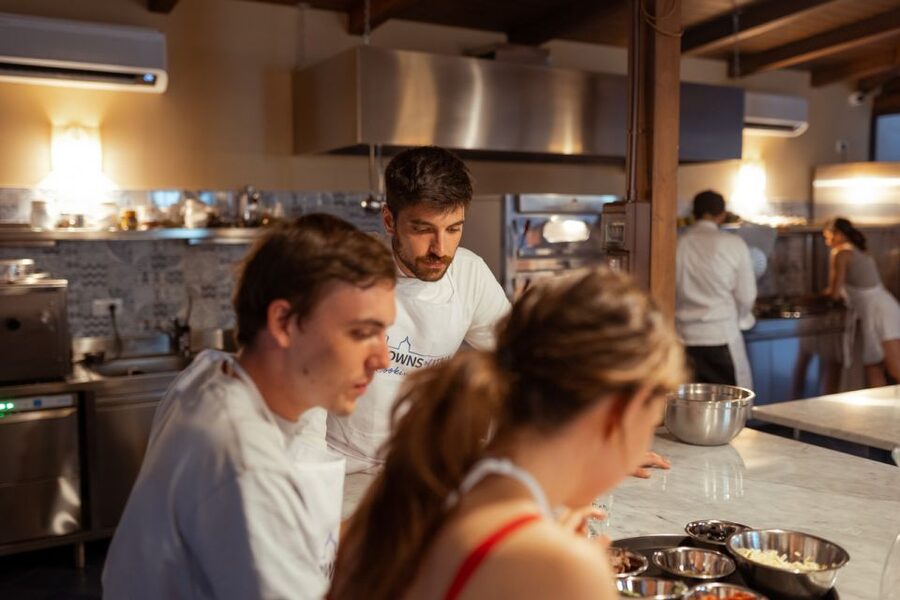
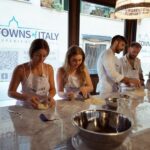
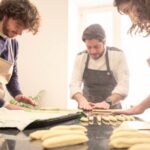
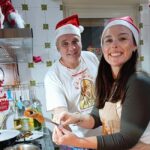
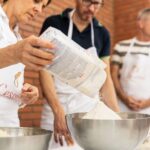
After the market stop, you switch gears fast. You put on an apron, use utensils and ingredients provided, and get cooking with a professional chef. The instruction is in English, and the format is described as small group, which is a big deal. With smaller groups, chefs can actually coach you—whether you’re shaping arancini, working dough, or trying to time sauces and frying.
From the way sessions are described, you should expect clear, thorough guidance. Chefs like Zena, Enza, Marcello, Salvo, Serena, and Lidia are repeatedly praised for being welcoming and for explaining what they’re doing and when. A common theme is that you are not just watching. You jump in during prep steps, and you get coached as you go.
One more thing to know: some preparation may be done in advance to keep the flow on schedule. That’s normal in busy kitchens. The payoff is that you still do the key hands-on parts, then you eat what you made.
Also, the teaching style seems to be practical, not fancy. If you’ve cooked before, you’ll still pick up technique and pacing. If you haven’t, you’ll likely feel comfortable because you’re not thrown into a chaotic free-for-all.
Cooking the Palermo Classics: Arancini, Pasta alla Norma, and Cannoli
You’ll make a 3-course Sicilian lunch. The exact menu can shift based on seasonal ingredients, but the core lineup is consistently described as these Palermo favorites:
Arancini (fried rice meatballs)
You’ll learn to make arancini, fried rice meatballs filled with meat sauce and peas. This is one of those dishes that feels intimidating until someone shows you how it’s put together. What you take home is the structure: how to build the filling, how to portion, and how to form the shape so it fries properly.
In multiple accounts, people really enjoy how chefs keep energy up while teaching. That matters here because arancini is timing-sensitive. If your oil isn’t ready or you overhandle the rice, the texture suffers. A good class format helps you avoid those common mistakes.
Pasta alla norma
Next comes homemade pasta alla norma. Pasta alla norma is one of Sicily’s signature flavors: pasta paired with a rich tomato base and a “must-have” taste profile that’s instantly recognizable once you’ve made it. In the way this class is described, you’ll learn how the sauce and pasta come together and how the dish is built so it actually tastes like the real thing, not like a simplified version.
Cannoli (the famous Sicilian dessert)
You end with cannoli, and this is often the favorite part. Expect to make it from scratch as part of the course. Cannoli is one of the best ways to learn because it’s both dough work and filling work, and the class format forces you to practice key steps rather than just assembling something packaged.
One balanced note: a couple of people felt they would have liked more time spent on specific cannoli elements (like dough prep) rather than the market time. If you’re the kind of cook who wants every technical step with maximum hands-on time, keep that preference in mind. For most people, though, the structure still feels like the right trade-off: you get market learning plus a full dinner on top.
Lunch With Unlimited Wine: Eating What You Cook
When class ends, you sit down with the meal you prepared. This lunch includes unlimited wine. That’s a fun perk because it turns your hard work into a proper, sit-and-eat experience rather than a quick tasting.
You’re not just sampling small bites. The class is built around serving the 3 courses as a real lunch, and the portions are described as satisfying. People also mention there’s water available, which helps keep things comfortable and paced.
I also like that the wine is tied to the lunch, not added as a separate cost or complicated pairing session. It keeps the vibe simple: you cook, you eat, you learn, you move on with your day in Palermo.
If you plan to drive or you prefer not to drink, you can still enjoy the meal. But if you do drink, keep it reasonable. The point here is food learning, not getting wiped out before your next stop in the city.
What You Take Home: Digital Booklet and a Graduation Certificate
The “value after the meal” is strong. You get a digital booklet with recipes, so you’re not trying to rebuild instructions from memory. That matters because Sicilian cooking has little timing and technique cues that disappear if you don’t write them down.
You also receive a graduation certificate. It’s not life-changing, but it’s a nice touch, especially if you’re traveling as a family. One of the most consistent themes in the feedback is that the day feels like a real shared achievement, not a casual demo.
If you’re buying ingredients at home afterward, the booklet helps you repeat the flavors more accurately. And because the class is tied to seasonal buying in the market, the recipes are more believable than generic “Italian cooking” lessons.
Price and Value: Is $65 Worth It in Palermo?

At $65 per person (about a 3 to 5 hour experience), you’re paying for three things in one package:
1) a market visit that teaches ingredient selection,
2) hands-on cooking instruction in English with a professional chef, and
3) a full lunch with unlimited wine.
That combination is where the value lives. A market tour alone might not teach you how to cook the dishes you see. A cooking class alone might not explain why the ingredients matter in the first place. Here, you get both, plus you eat what you made.
Also, this is designed for small groups. In practical terms, that usually means more coaching and less waiting around. Even if you’re an experienced cook, the market-to-kitchen flow can still sharpen your instincts and technique. If you’re new to cooking, it’s a guided path with built-in structure.
Two considerations for value:
- If your priority is maximum time on cannoli technique, you may wish the schedule weighted a little more toward the dessert.
- If you need gluten-free, the class likely won’t work for you because it’s not suitable for celiac or gluten intolerance. In that case, you’d want a different class that explicitly supports gluten-free prep.
Who Should Book This Class (and Who Might Skip It)
This Palermo cooking class is a good fit if you want an authentic taste of Sicilian food without needing to speak Italian. The instruction is in English, the pace feels friendly, and the hands-on format means you can participate even if you don’t cook often.
It’s especially appealing for:
- couples and families looking for a shared activity
- people who like learning through food shopping, not just sitting in a classroom
- vegetarian diners, since vegetarian options are supported (you need to inform the provider when booking)
It might be a miss if:
- you have celiac disease or gluten intolerance
- you want a purely cooking-only experience with no market component
- you’re expecting a fish-focused emphasis, since fish shops are closed on Mondays and the market plan adjusts with timing
On schedule, plan for a 3 to 5 hour day. If your time in Palermo is tight, check the start time and duration option so you don’t end up rushing your other plans.
Practical Tips Before You Go
- Arrive at the meeting point at Via Volturno, 44, Palermo, about 15 minutes early. Late arrival isn’t accommodated.
- Bring curiosity. The market part is where you learn what to buy and how to choose.
- Tell the provider about dietary needs in advance. Vegetarian options are supported, but the gluten limitation is clear, so don’t wait.
- If you’re sensitive to specific ingredients or have allergies/intolerances, notify them ahead of time.
Should you book this Palermo market and Sicilian cooking class?
I’d book it if you want a true Palermo experience through food: market ingredients, expert coaching, and a proper 3-course lunch you made yourself. The biggest strengths are the Mercato del Capo shopping and the hands-on 3-course teaching, delivered by local chefs such as Marcello, Salvo, Enza, Serena, and Lidia in English.
Skip or seriously reconsider if you need gluten-free for celiac or gluten intolerance. For everyone else, it’s one of those rare activities where the learning stays with you after you leave—because you eat the results, then take home the recipes in a digital booklet.
If you’re deciding between just walking around the market on your own versus doing it with a chef, I’d pick this class. You’ll spend the same day in Palermo, but you’ll come away with skills, not just photos.
FAQ
What dishes will I cook during this Palermo class?
You’ll prepare a 3-course Sicilian meal. The most frequently mentioned dishes are arancini, pasta alla norma, and cannoli. The exact menu can vary depending on seasonal ingredients.
How long is the experience?
The duration is listed as 3 to 5 hours. Check availability to see starting times for the option you choose.
Is the class in English?
Yes. The instructor is listed as English-speaking.
Is lunch included, and is wine provided?
Lunch is included, and wine is included with unlimited servings during the meal.
What happens if the market is closed?
If you choose the 5-hour option and the market is closed, a special introduction and extra tastings at the cooking school substitute for the market visit.
Is this class suitable for vegetarians?
Yes, it’s suitable for vegetarians. You should inform the activity provider about your dietary needs when booking.
Is it safe for celiac or gluten intolerance?
No. This tour is not suitable for celiac, and it is not suitable for people with gluten intolerance.
Where do I meet the group?
Meet at the Towns of Italy tourist hub and cooking school in Palermo, located at Via Volturno, 44, 90138 Palermo. Arrive at least 15 minutes early.