REVIEW · TOKYO
Japanese Cooking class in Tokyo
Book on Viator →Operated by Morimi's Home Kitchen · Bookable on Viator
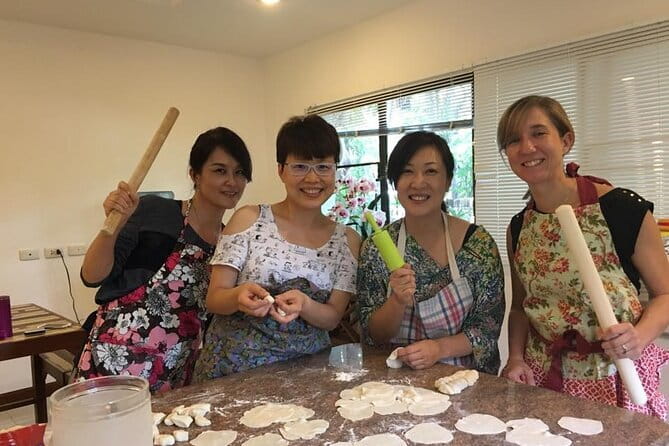
A Japanese home kitchen lesson beats another museum day. You’ll cook with Morimi’s Home Kitchen in Setagaya, learning core skills like dashi and getting practice with real traditional tools. It’s not just watching, either. You work right along with the chef.
I like the way this class is structured for making food that tastes Japanese at home: you learn how the flavors are built, then you turn that knowledge into dishes you can repeat. I also like the course choices and diet flexibility, including a Tofu course that can be vegan and gluten-free.
One thing to plan for: this is in a residential area, and private transportation isn’t included, so you’ll want to be comfortable using public transit or having pickup arranged.
In This Review
- Key Things That Make This Tokyo Class Worth It
- Cooking With Morimi-san: A Tokyo Class That Feels Personal
- When You Go: Timing, Pickup, and Getting to Setagaya
- Your Three Course Options: Tofu, Sushi, or Curry
- The Tofu Course: The Big Flavor Test for Plant-Based Japanese Cooking
- The Sushi Course: Temari Sushi and Pressed Sushi With a Mold
- The Curry Course: Japanese Curry Built on Roux and Japanese Dashi
- The Core Skills: Dashi and Rice That Make Everything Easier
- The Tools: Suribachi and the Oshizushi Mold Experience
- Lunch You Actually Make (and Get to Eat)
- Optional Sake and Wagashi: A Nice Tokyo Taste Bonus
- English Recipes and What They Mean for Cooking Back Home
- Price and Value: Why $71 Can Still Feel Like a Deal
- Diets, Allergies, and What to Tell Them Up Front
- Who This Tokyo Cooking Class Fits Best
- Should You Book This Japanese Cooking Class in Tokyo?
- FAQ
- What courses can I choose in the Japanese Cooking class?
- How long is the class?
- Is pickup available?
- Are vegetarian or vegan options available?
- Is there a gluten-free option?
- What’s included with the price?
Key Things That Make This Tokyo Class Worth It
- Dashi first: the stock you’ll use to flavor rice, soup, and curry the Japanese way
- Traditional tools you actually touch: suribachi and the oshizushi mold (not just photos)
- Three course options: tofu, sushi, or curry, each with a clear end product
- English recipes after class: you can recreate the dishes at home without guessing
- Diet-friendly menus: tofu course can accommodate vegetarian, vegan, and gluten-free needs
- Optional extras: sake and wagashi show up during tasting time
Cooking With Morimi-san: A Tokyo Class That Feels Personal
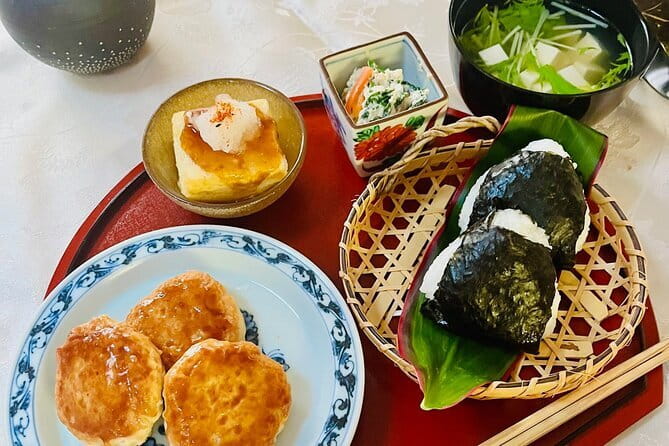
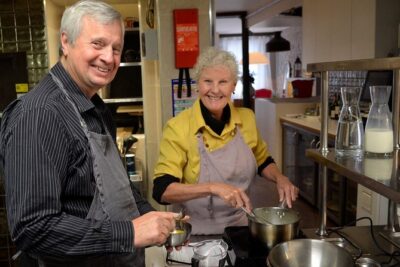
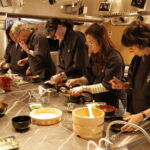
Tokyo has plenty of cooking shows, but this one is built like a home lesson. You’re not stuck in a crowded workshop. Instead, you’ll be in Morimi’s Home Kitchen in Setagaya, where the pace tends to be calm and the focus stays on technique and flavor. The class centers on practical Japanese home cooking, which is exactly what most people want when they’re tired of eating out but still want real local food.
The day is built around fundamentals. You start learning how to make dashi, the base that shows up everywhere in Japanese cooking. Then you move on to rice (using a regular pot, not a fancy rice cooker tutorial fantasy). After that, you make dishes that let you practice those flavors directly.
What makes it extra appealing is that you can choose a course that matches your food goals. If you love plant-based meals, go tofu. If you’re chasing the joy of sushi, choose sushi. If you want something hearty and comforting, curry is the way to go.
You can also read our reviews of more tours and experiences in Tokyo.

When You Go: Timing, Pickup, and Getting to Setagaya
The class starts at 10:30 am and runs about 3 hours. That timing is nice because it gives you a full morning with enough structure to actually finish what you’re cooking, then still have the rest of the day free for Tokyo wandering.
There’s pickup offered, so you might be able to simplify getting there depending on your exact booking terms. If pickup isn’t your plan, the meeting point is in Setagaya City at Morimi’s Home Kitchen. It’s described as near public transportation, so you should be able to reach it without too much trouble, but you will want to map your route ahead of time.
Also note what’s not included: private transportation. If you’re staying far from Setagaya, budget a bit of time for transit or make sure pickup is arranged when you book.
Finally, you’ll get a mobile ticket, which makes check-in straightforward.
Your Three Course Options: Tofu, Sushi, or Curry
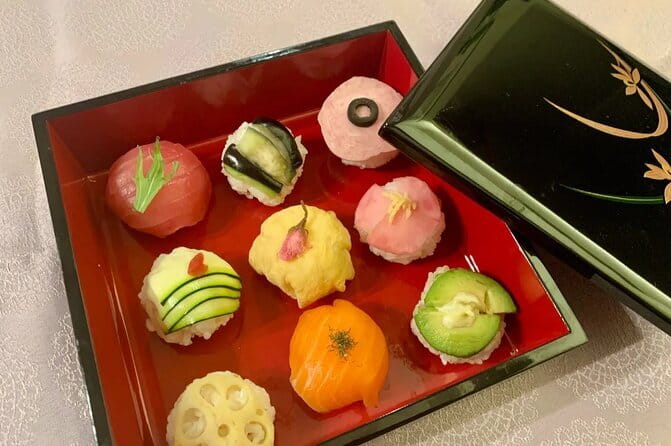
This class works well because it’s not one generic “Japanese cooking” experience. You pick a course, and the cooking stays focused. Each option also includes recipes in English, which matters more than it sounds. Japanese cooking can look simple until you try to repeat it later. Having the written recipe helps you recreate the dish without relying only on memory.
The Tofu Course: The Big Flavor Test for Plant-Based Japanese Cooking
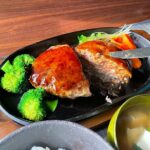
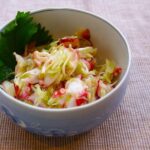
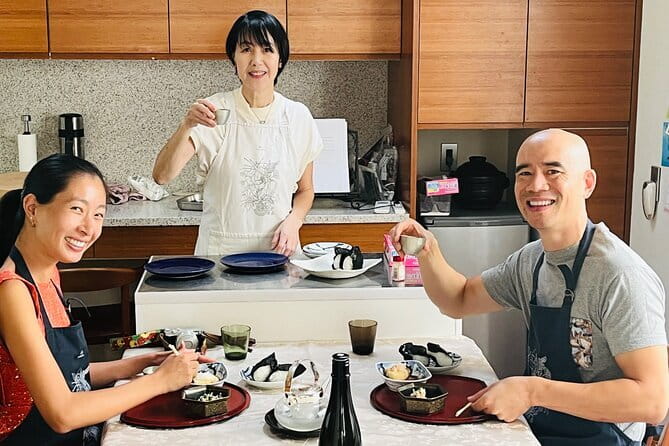
If you choose the Tofu course, you’ll cook a full lineup around tofu and Japanese flavor building. The menu includes tofu hamburgers, agadashi tofu, shiraae (tofu salad), tofu soup, and rice balls. You also learn how to prepare dashi stock and cook rice using a regular pot.
This is the course I’d point to when you want variety. You’re not eating one tofu dish in three forms. You’re learning how tofu behaves in different styles: pan-style, fried, blended into a salad, simmered in soup, and shaped into rice balls. That’s the kind of knowledge that sticks.
Diet notes are clear here: vegetarian and vegan guests can be accommodated, and gluten-free options are available with the tofu course. If you have dietary restrictions, this option tends to be the easiest path.
The Sushi Course: Temari Sushi and Pressed Sushi With a Mold
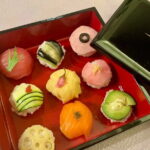
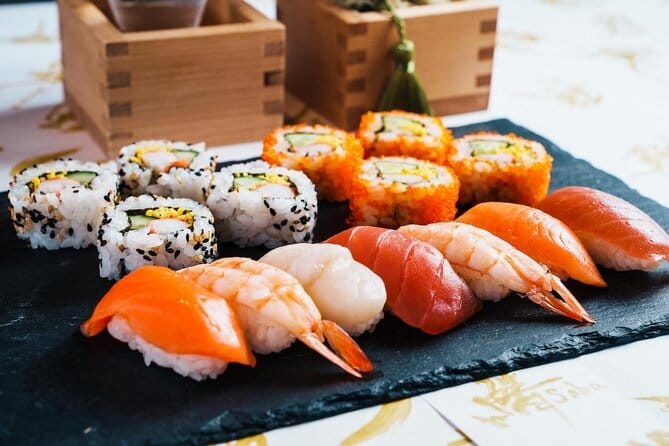
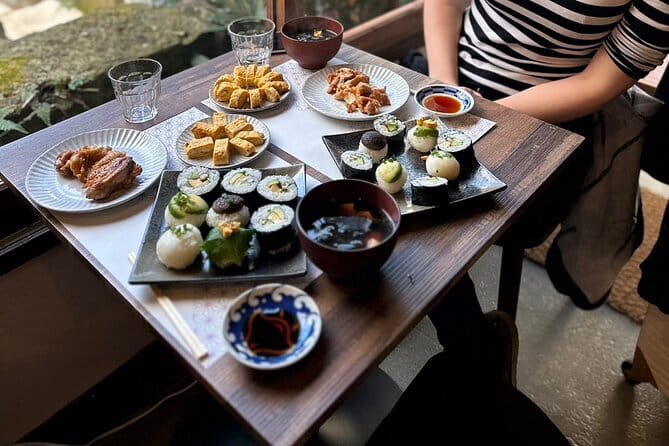
The sushi course is for people who want to do sushi beyond the basics. It starts with making sushi rice. Then you choose from a variety of sashimi and vegetables to create six types of temari sushi of your choice.
You’ll also make one roll of oshizushi, the pressed sushi style, including shrimp and smoked salmon. The pressed format is a big part of the fun because it’s tactile and structured. You use the mold, shape it, and get that neat, compact slice-ready result.
There’s a gluten-free option available for sushi. If that matters for you, plan ahead at reservation so the right setup is prepared.
This course is especially good if you’ve ever watched sushi being made and thought, I want to try that handwork myself.



The Curry Course: Japanese Curry Built on Roux and Japanese Dashi
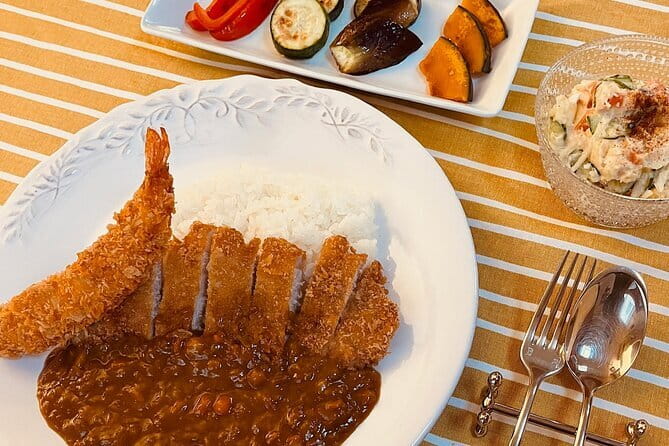
The curry course is a comfort food class with Japanese character. You’ll prepare Japanese-style curry using roux, along with tonkatsu (pork cutlet), ebi fry (fried shrimp), and a Japanese-style potato salad.
You’ll learn how rice and curry come together in Japanese style, not just how to cook curry in general. Japanese curry is its own thing: roux thickens it, dashi influences depth, and the result has a different flavor profile than many other curry styles.
This course is also a great choice if you want food that feels like a meal, not just a snack you assemble. You’ll leave full, with components that make sense even if you don’t plan a complicated cooking project at home.
The Core Skills: Dashi and Rice That Make Everything Easier
Dashi is the star ingredient in the course description for a reason. Japanese cuisine depends on broth flavor in a way many other cuisines don’t. If you get the base right, the rest of the cooking often becomes simpler.
You’ll learn how to make dashi stock as part of the course content. Then you’ll see how that foundation supports dishes you’ll eat during the meal—rice, soup, and curry preparations all tie back to dashi flavor building.
Rice is the other skill. You’ll be taught how to cook delicious Japanese rice using a regular pot. That’s key. A lot of people buy into rice cookers and end up with a one-device solution. Learning the regular pot method means you can repeat the results at home without changing your kitchen.
The Tools: Suribachi and the Oshizushi Mold Experience
Japanese cooking tools aren’t museum objects here. They’re part of the workflow.
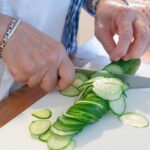
You’ll be introduced to traditional tools including the suribachi (Japanese mortar) and the oshizushiki (pressed sushi mold). Using these tools is oddly satisfying, because you feel the difference between Japanese technique and common Western kitchen shortcuts.
For sushi lovers, the pressed sushi mold especially brings structure to the process. Instead of freestyle rolling only, you get to shape layered sushi with a form, making it easier to create neat pieces and giving you an actual technique to bring home.
If you’re doing tofu or curry, tools like suribachi still matter because they support how flavors and textures are built. You’re learning method, not just recipes.
Lunch You Actually Make (and Get to Eat)
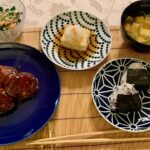
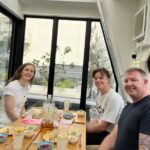
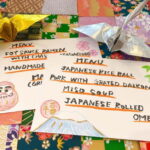
This class includes lunch with the food you prepare. The tofu course includes three types of tofu dishes, two rice balls, and soup. The sushi course includes temari sushi, pressed sushi, and soup. The curry course includes rice, curry, tonkatsu, fried shrimp, grilled veggies, and potato salad.
That list matters for value. Cooking classes often hand you one dish to make, then feed you something else. Here, the included meal is a direct result of your work. You get to taste what you created, and that helps you understand how the flavors are supposed to land.
Coffee and/or tea are also included. Green tea and mineral water are unlimited, and herbal tea is available. It’s a small detail, but unlimited drinks keep the pace comfortable when you’re hands-on for hours.
Optional Sake and Wagashi: A Nice Tokyo Taste Bonus
During the tasting session, you can add sake and wagashi (traditional Japanese sweets) if you want. Even when you don’t add alcohol, the tasting time is a fun moment because it connects what you cooked to how Japanese sweets and drinks fit with the meal.
If you do want sake, let the team know when you book. This is one of those optional add-ons that can turn a good cooking class into a more memorable food evening vibe, even though the activity is in the daytime.
You’ll also receive a souvenir at the end.
English Recipes and What They Mean for Cooking Back Home
The promise of English recipes isn’t just a nice-to-have. Japanese cooking depends on small details—ingredient ratios, soaking or simmering timing, and how seasonings are balanced.
Here, you’re given recipes in English, so when you return home and realize you can’t remember whether you added broth in stages or all at once, you’ll have a real guide. That’s what turns a cooking class from a one-time experience into skills.
Price and Value: Why $71 Can Still Feel Like a Deal
At $71 per person, this class is priced like a solid half-day food activity rather than a budget “grab-and-go” workshop. The value comes from a few practical things:
- You get a full included lunch tied directly to your course
- You learn core skills like dashi and rice using a regular pot
- You use traditional tools (suribachi and the pressed sushi mold)
- You receive English recipes for cooking later
- You’re in a small, private setup where only your group participates
Also, it’s an experience that people tend to book in advance. On average, it’s booked about 15 days ahead, which hints that spots can fill. If you want a specific course (like sushi), don’t wait until the last minute.
Diets, Allergies, and What to Tell Them Up Front
The class explicitly accommodates vegetarian and vegan needs through the tofu course, and gluten-free options are available with the tofu course or sushi course. That’s helpful because it’s not vague. It tells you where your diet fits within the course structure.
If you have allergies or foods you can’t eat, you should let them know. When allergies are involved, the best strategy is simple: tell the team clearly during reservation so they can prepare your course correctly.
Who This Tokyo Cooking Class Fits Best
I think this works best for a few types of travelers.
Food-first travelers who want real technique will like it. You’ll learn bases (dashi) and practical methods (rice in a regular pot). This isn’t just tasting.
Couples and small groups often enjoy the private feel. Since it’s a private activity with only your group, you’re not watching your attention get split across a big crowd.
If you’re on a diet or have restrictions, the tofu course is the most straightforward choice based on what’s offered. And if sushi is your personal food mission, the sushi course gives you both temari sushi and pressed sushi work, not just rolling one simple roll.
If you dislike hands-on work or you only want street-food style tasting, you might find a cooking class less satisfying than a market meal. You’ll be doing food work, not just watching.
Should You Book This Japanese Cooking Class in Tokyo?
Book it if you want to leave Tokyo with skills, not just photos. The course choices make it easy to match your cravings: tofu if you want plant-based Japanese cooking, sushi if you want hands-on Japanese technique, and curry if you want a filling meal you can rebuild later.
Skip it (or consider another option) if you need a hands-off experience, or if you expect the tour to handle all transportation. Private transportation isn’t included, and you’ll need to plan how you get to Setagaya or confirm pickup.
If you’re asking for one “Tokyo experience that teaches something useful,” this is a strong bet.
FAQ
What courses can I choose in the Japanese Cooking class?
You can choose one of three course options: Tofu, Sushi, or Curry. Each course includes specific dishes, with English recipes provided.
How long is the class?
The experience is about 3 hours (approx.).
Is pickup available?
Pickup is offered. You’ll want to confirm how it applies to your booking when you reserve.
Are vegetarian or vegan options available?
Yes. Vegetarian and vegan guests can be accommodated with the Tofu course.
Is there a gluten-free option?
Yes. Gluten-free options are available with the Tofu course or the Sushi course.
What’s included with the price?
Lunch is included. Coffee and/or tea are also included, with green tea and mineral water unlimited. Optional sake and wagashi may be available during tasting.