REVIEW · FUJIKAWAGUCHIKO MACHI
Ramen Cooking Class at Ramen Factory in Mt.Fuji
Book on Viator →Operated by Japan food entertainment Ltd · Bookable on Viator
Ramen starts with your hands, not a ticket counter. This Mt. Fuji class is built around one big idea: you make your own original ramen from scratch, step by step, right in the workshop. You’ll tackle noodles, soup, and toppings instead of just watching a demo.
I especially like the way the instructors walk you through each stage with easy directions, including help from Jojo and Eri during the process. You get to tailor your broth by blending different broths and sauces, so your bowl tastes like you meant it to. One possible drawback: the class runs about 1 hour 30 minutes, so it’s hands-on and fast-paced rather than relaxed and slow.
One more thing to consider is logistics. Transportation to the meeting point is not included, so you’ll want to plan how you’ll get to Fujikawaguchiko-machi before you book. If you’re traveling with tight timing, also note the activity ends back where you start.
In This Review
- Key highlights at a glance
- Ramen Factory Mt. Fuji is a hands-on bowl you can repeat
- Where the class starts (and why that matters)
- What you’ll do: the class flow from noodles to soup
- Noodle workshop: knead, roll, cut, boil, drain
- Chicken garnish (and how tofu fits in)
- Broth customization: choosing sauces and blending flavors
- The food part: tasting plus lunch and dinner
- Omiyage: pick a souvenir you can actually use
- Price and value: is $141.56 worth it?
- Who should book this ramen class
- Quick practical notes before you go
- Should you book Ramen Factory Mt. Fuji?
- FAQ
- Where is the Ramen Factory Mt. Fuji meeting point?
- Which store is this class held at?
- How long does the ramen class last?
- What’s included in the price?
- What is not included?
- What souvenirs are included, and can I choose?
- Are dietary needs accommodated?
- Is the ticket mobile?
- How big is the group?
- What is the cancellation policy?
Key highlights at a glance
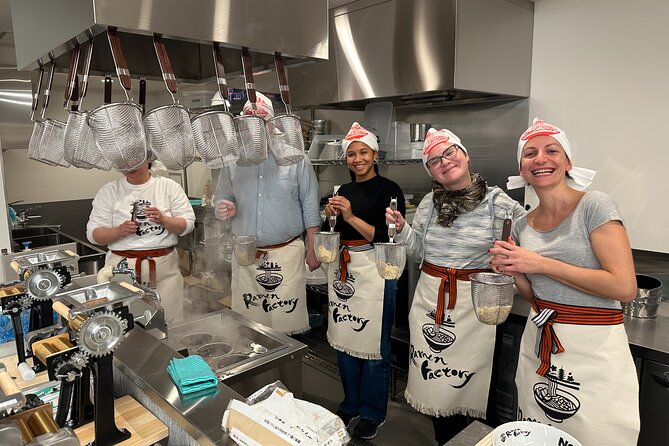
- Make ramen end to end: knead dough, shape noodles, cook, and assemble your bowl
- Broth customization: choose from different broths and sauces and blend them your way
- Hands-on chicken garnish: tie, cook, slice, then top your ramen
- Dietary flexibility: vegetarian, vegan, gluten-free, and Muslim-friendly options with advance notice
- Small group size: up to 18 travelers for a more guided experience
- Omiyage included: pick a souvenir like a T-shirt, ramen bowl, or Japanese apron
Ramen Factory Mt. Fuji is a hands-on bowl you can repeat
The real magic here is participation. You don’t just taste ramen in the abstract; you build it from the ground up: kneading flour into dough, rolling and shaping noodles, boiling and draining them, and then finishing everything in soup with your chosen toppings. That full cycle is what makes the experience feel memorable, because you end the class knowing you could recreate it at home.
I also like that the class is designed for real-world eaters. You can request vegetarian, vegan, gluten-free, and Muslim-friendly options ahead of time. That matters because ramen can be easy to make incorrectly for certain diets if the kitchen isn’t prepared.
The Mt. Fuji location is also a practical detail. This activity is held at the Mt. Fuji store, and you’ll want to double-check you’re not mixing it up with the Kyoto store before you show up.
Where the class starts (and why that matters)
Your meeting point is: Ramen Factory Mt.Fuji, 3487-15 Funatsu, Fujikawaguchiko, Minamitsuru District, Yamanashi 401-0301, Japan. The good news is that it’s listed as near public transportation, and the activity ends back at the starting point.
That “return to the same place” piece is underrated. It means you don’t have to stitch together extra logistics right after class when you’re hungry and a little wired from cooking. For scheduling, the class duration is about 1 hour 30 minutes, so it fits nicely between sightseeing blocks around Fuji and Lake Kawaguchiko.
If you’re planning ahead, keep in mind the average booking window is around 31 days in advance. Popular cooking experiences around Mt. Fuji can fill up, so booking earlier gives you more choice.
What you’ll do: the class flow from noodles to soup
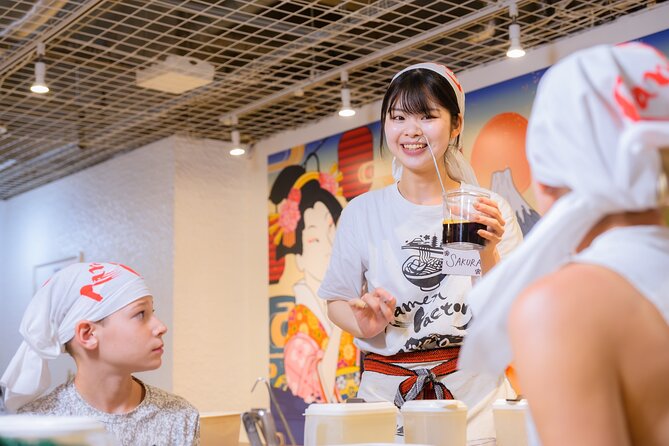
The class is structured to keep you moving, with instructors guiding you step by step. The emphasis is on doing the work yourself, and getting help when you need it.
Here’s the sequence you should expect:
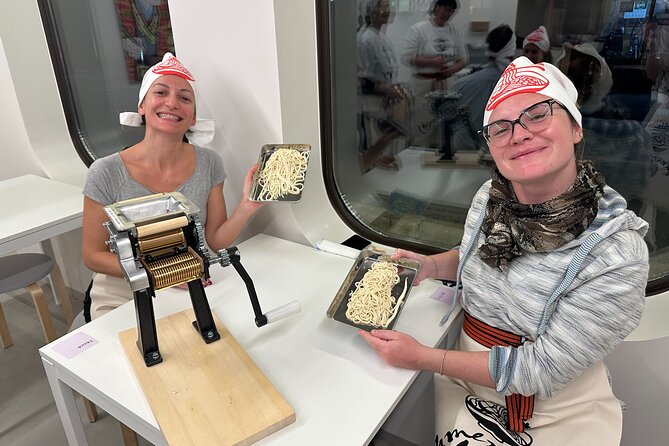
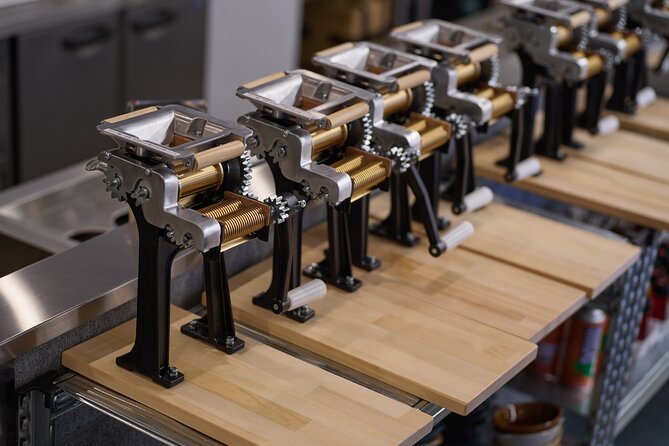
First comes the noodle work. You start by kneading flour to make the dough, then you roll it out, cut it into shapes, and boil the noodles. After cooking, you drain them so they’re ready for soup. This part teaches you the basics that actually matter when you try ramen later.
Next is the broth and seasoning stage. You choose from different broths and sauces, then blend them together. This is where you can influence the flavor more directly than you might think. Even if you’re not a cook, the process gives you a sense of how ramen flavor is built.
Then you handle toppings. For garnish, you roast chicken yourself. You tie the chicken with string, add condiments, cook, and slice it as desired. If you’re going vegetarian or vegan, you can have tofu as an option with advance notice.
Finally, you assemble. You place the boiled noodles in the soup, add your toppings, and the dish is ready to eat. The assembly step is quick, but it’s the payoff moment where everything you made starts tasting like ramen.
Noodle workshop: knead, roll, cut, boil, drain
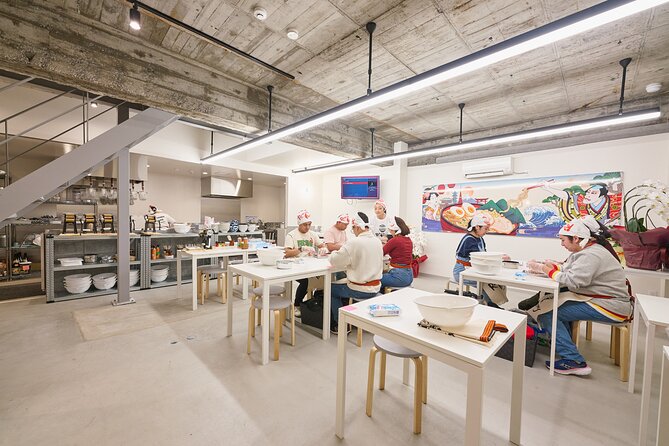
This is the core skill set of the whole class. Ramen noodles are about texture and consistency, and this workshop forces you to practice the chain of steps rather than only learning theory.
You begin by kneading the flour. That physical step matters because it’s where the dough’s structure forms. Then you roll the dough out and cut it into noodle shapes. When you get to boiling and draining, you finally see how heat changes the dough into something springy and ramen-like.
I like that you’re doing the noodle steps yourself instead of getting a finished product handed to you. It’s the kind of activity that gives you confidence. Even if your first noodles aren’t perfect, you’ll understand where improvement would come from next time.
Chicken garnish (and how tofu fits in)
The chicken garnish part is a fun counterpoint to noodle-making. It adds flavor work and cooking techniques, not just prep.
You’ll tie the chicken with string, add condiments, cook it, and then slice it the way you want. That means your bowl feels personalized, not generic. If you enjoy topping-driven meals, this section will likely be the most satisfying.
If you’re vegetarian or vegan, you’re not left out. The class can offer tofu as a vegetarian or vegan option with advance notice. The key point for you: tell the team about your dietary needs during booking so they can plan what goes into your course.
Broth customization: choosing sauces and blending flavors
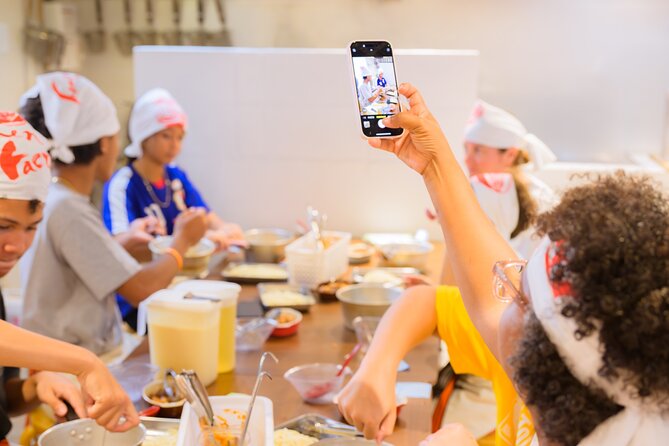
Ramen can taste wildly different from shop to shop, and this class gives you a controlled way to explore that. You choose from various broths and sauces, then blend them. That combination is where you build a flavor profile instead of simply following a fixed recipe.
If you’re picky about saltiness, richness, or how strong the broth feels, pay attention during this part. The more you participate in the selection and blending, the more your finished bowl will taste like your preferences.
This is also a good moment for you to ask questions. The class is described as instruction-led with instructors on site, so if something doesn’t make sense, you can get help while the ingredients are still in play.
The food part: tasting plus lunch and dinner
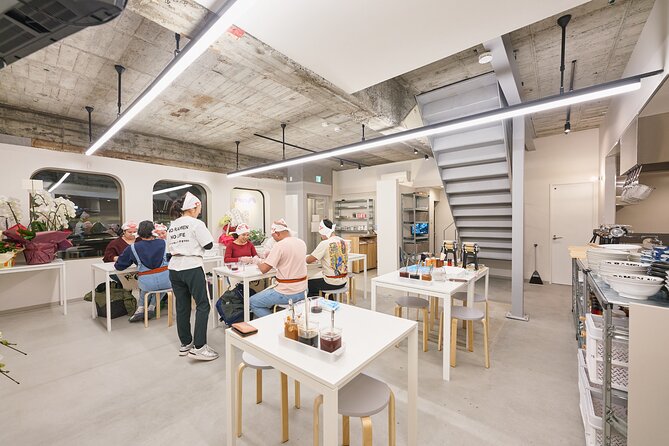
You’ll have food tasting, plus lunch and dinner included. That means you’re not only cooking your own bowl and then leaving hungry. The meals are part of the overall value, especially because you get both hands-on work and something finished to round out the experience.
The tasting portion is useful because it gives you context. After you make noodles and blend broth, tasting helps you understand what good ramen tastes like in a more grounded way. It also helps you notice differences that you might not catch from cooking alone.
Timing stays tight, but the class is designed so you eat what you make. You place boiled noodles into soup, add toppings, and your dish is ready, which turns the cooking session into a meal you can evaluate immediately.
Omiyage: pick a souvenir you can actually use
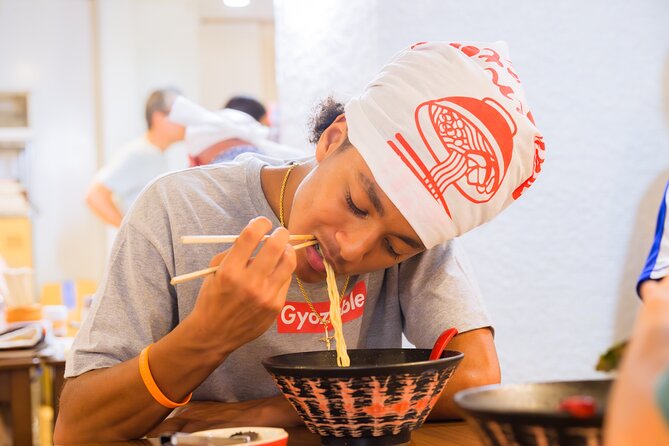
One of the easiest ways to remember a cooking class is a take-home item you’ll keep. This experience includes an omiyage, and you can choose one of the following: T-shirt, ramen bowl, or Japanese apron.
I like this because it’s practical. A T-shirt is easy to wear or pack. A ramen bowl is directly related to what you learned, so it feels like a tool rather than clutter. A Japanese apron is great if you enjoy cooking back home and want a reminder you used real steps, not just watched.
Price and value: is $141.56 worth it?
At $141.56 per person, this is not a budget activity. But it can be good value if you think in terms of what you’re paying for.
You’re getting:
- a guided, all-inclusive cooking class (escort/host and all fees and taxes)
- food tasting plus lunch and dinner
- hands-on instruction for noodles, broth blending, and topping prep
- a take-home omiyage you choose
Also, the group size is capped at 18 travelers, which tends to help with attention and questions during a hands-on activity. And you’re not paying extra for the cooking components since they’re included.
If you’re the type of traveler who likes skills you can repeat, the price is easier to justify. If you’re only looking for a quick snack and don’t care about cooking, it might feel like overkill. But for a foodie who wants to go beyond eating, it’s the kind of paid experience that turns into something you can do again.
Who should book this ramen class
This is a great fit if you:
- want a hands-on cooking experience with clear steps
- like customizing food and tasting the results
- need dietary accommodations and want them handled in advance
- are visiting the Fuji area and want a structured activity that still feels authentic
It’s also a good choice if you like friendly, supportive instruction. The class is guided and you’ll have instructors available if you need help, with English described as clear by the people who have taken it.
Who might skip it? If you dislike cooking at all, or if you want a totally hands-off meal experience, you may prefer ramen tastings instead. And because the class is about 1 hour 30 minutes, it won’t feel slow and leisurely.
Quick practical notes before you go
- The activity uses a mobile ticket. Have it ready on your phone.
- Transportation is not included, so plan how you’ll reach Fujikawaguchiko-machi.
- Confirmation comes at booking time.
- You can accommodate dietary needs (including gluten-free and Muslim-friendly) if you indicate them during booking.
- The class ends back at the meeting point, so you can plan your next stop nearby.
Should you book Ramen Factory Mt. Fuji?
If you’re visiting Mt. Fuji and you want a cooking experience that ends with you eating exactly what you made, I think it’s worth booking. The hands-on noodle work, broth blending, and topping cooking create a real skill you can repeat, and the included meals plus omiyage help the cost feel more balanced.
Book it sooner rather than later, since it averages about a month in advance. And if you have dietary needs, put them in at the time of booking so the kitchen can prepare properly.
If all you want is a casual bowl with zero kitchen time, you may find better value elsewhere. But for an active foodie day that’s built around making ramen from scratch, this is a strong pick.
FAQ
Where is the Ramen Factory Mt. Fuji meeting point?
The meeting point is Ramen Factory Mt.Fuji, 3487-15 Funatsu, Fujikawaguchiko, Minamitsuru District, Yamanashi 401-0301, Japan.
Which store is this class held at?
The activity is held at the Mt. Fuji store. Be careful not to confuse it with the Kyoto store.
How long does the ramen class last?
The duration is about 1 hour 30 minutes.
What’s included in the price?
The price includes tour escort/host, all fees and taxes, food tasting, lunch, and dinner.
What is not included?
Transportation is not included.
What souvenirs are included, and can I choose?
Yes. You can choose one omiyage option: a T-shirt, a ramen bowl, or a Japanese apron.
Are dietary needs accommodated?
Yes. You can request vegetarian, vegan, gluten-free, and Muslim-friendly options if you indicate your needs at the time of booking.
Is the ticket mobile?
Yes, you’ll receive a mobile ticket.
How big is the group?
The class has a maximum of 18 travelers.
What is the cancellation policy?
Free cancellation is available up to 24 hours before the experience starts for a full refund. If you cancel within 24 hours of the start time, the amount paid is not refunded.