REVIEW · KATHMANDU
Kathmandu: Nepali Cooking Class with Hotel Pickup
Book on GetYourGuide →Operated by Himalayan Social Journey · Bookable on GetYourGuide
Food is often the best guide. In this Kathmandu Nepali cooking class, you start with a rickshaw ride to the Ason market and end up making classics like momo and sel roti. I like that the market ingredient run sets you up for what you’ll actually cook, and I also like the way the chef uses English instruction plus music and a few Nepalese phrases. One watch-out: the schedule can feel tighter than the 4-hour label, with some time spent more quickly than you might expect.
In This Review
- Quick, practical takeaways
- Key points before you go
- Hotel pickup from Thamel: convenient, but time slips happen
- Ason market by rickshaw: your ingredient shortcut to real Kathmandu
- What you’ll actually cook: momo, curries, roti, and sel roti
- Curries and dumplings: why the cooking skills matter
- Music, phrases, and the classroom vibe
- Chef-led instruction in English: useful, but watch the timing
- Price and value: is $60 worth it?
- Rain or shine: what to wear and bring
- Who this cooking class suits best
- Should you book this Kathmandu Nepali cooking class?
- FAQ
- How long is the Kathmandu Nepali cooking class with hotel pickup?
- Do you pick up guests from Thamel hotels?
- Which market do we visit in Kathmandu?
- What dishes will I cook?
- Is the class taught in English?
- Is there music or language learning during the class?
- Is the experience wheelchair accessible?
- What should I bring for the class?
- Are there any restrictions on alcohol or drugs?
- Does it run in bad weather, and can I cancel if plans change?
Quick, practical takeaways
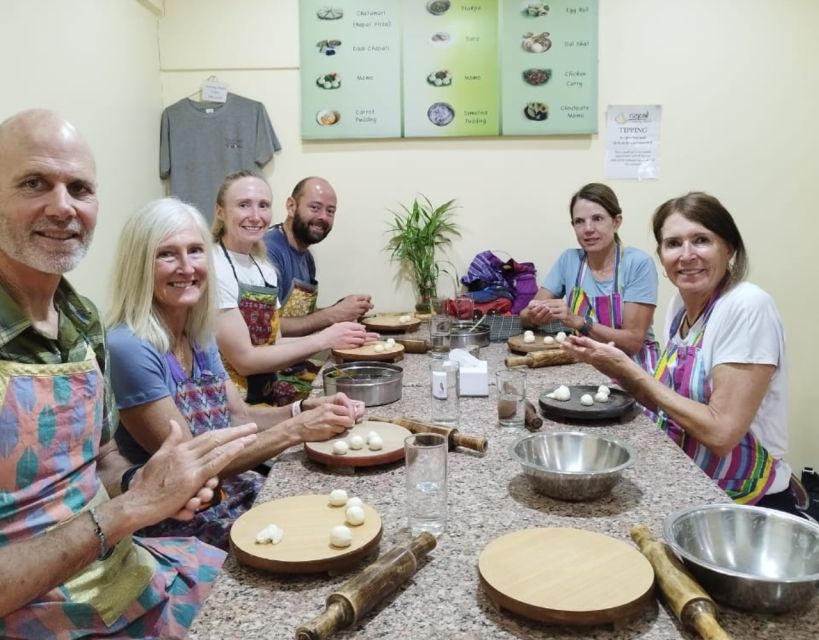
This experience is run by Himalayan Social Journey and is built around two parts: a Kathmandu market stop and a hands-on cooking session.
If you want a food-focused Kathmandu half-day that doesn’t feel like a museum tour, this works well. Just keep your expectations flexible on how long the market wandering lasts and how much cooking time you personally get.
Key points before you go
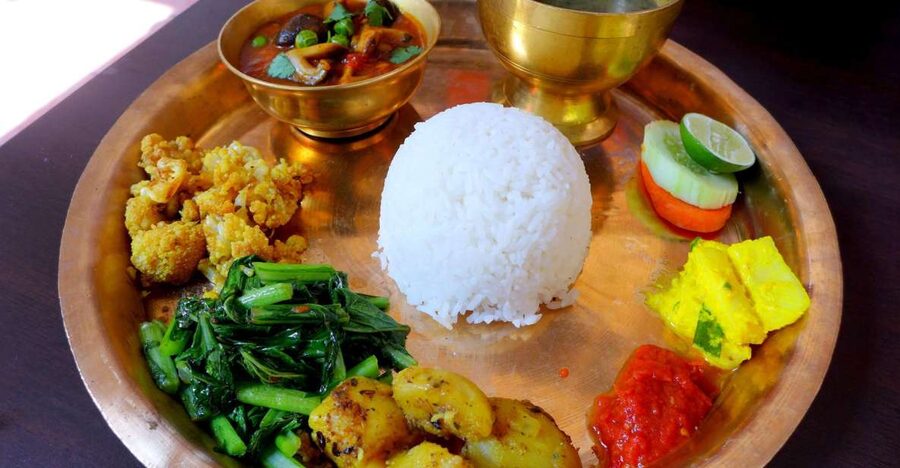
- Ason market by rickshaw from the Thamel area sets the day’s food story up fast
- You cook multiple Nepali staples like momo, curries, roti, and sel roti
- Chef-led English instruction plus an English audio guide helps you follow along
- Nepalese folk music and basic phrase learning make the meal feel less staged
- Rain or shine, so plan for weather and bring shoes you can stand in
You can also read our reviews of more tours and experiences in Kathmandu.
Hotel pickup from Thamel: convenient, but time slips happen
The day starts with hotel pickup and drop-off from the Thamel area, which matters in Kathmandu. You don’t have to figure out transport while you’re hungry and jet-lagged. You get a ride to the meeting flow, and then the group moves on together.
This is advertised as a 4-hour activity, but I recommend thinking of it as a half-day block with variable minutes. In real life, the “cooking class” window may run closer to what feels like a shorter session, depending on how the group moves and what needs prep time.
Still, even with a tighter schedule, the value is there because you’re not just watching—you’re cooking.
Ason market by rickshaw: your ingredient shortcut to real Kathmandu
One of the most satisfying parts is the ride to a typical local market in Kathmandu (Ason) by rickshaw. It’s not just transportation. It’s your first cue that this is day-to-day food culture, not a staged set of stalls.
At the market, you meet sellers and see the busy rhythm of a working marketplace. You’ll pick up ingredients for your meal, which makes the cooking class feel practical. When you later measure and prep, you’ll recognize what you bought and why it matters.
A consideration: the market stop can feel more like a quick ingredient run than a long roam. If you’re hoping for hours of browsing, adjust your expectations and focus on the food items you’ll use next.
What you’ll actually cook: momo, curries, roti, and sel roti
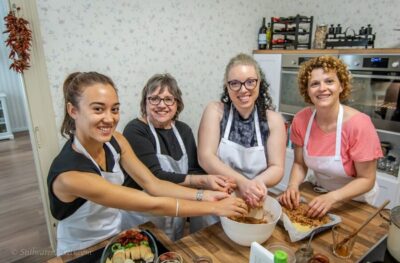
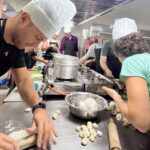
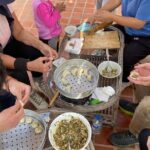
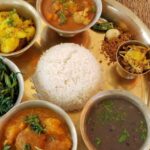
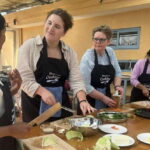
This class is built around Nepal’s comfort-food lineup. You’ll cook a mix of savory and sweet, so you leave with multiple skills—not just one dish.
Here’s what you should expect to make:
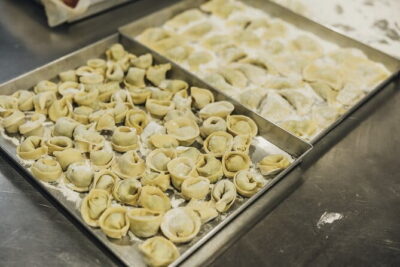
- Momo (Nepali dumplings)
- Varieties of curries
- Roti (a bread you’ll make as part of the meal)
- Sel roti, a special ring-shaped fried bread that’s a bit like American donuts in spirit and shape
What I like about this menu is the range. Momo teaches folding and filling. Curries teach flavor building and sauce thinking. Roti gets you into dough handling. And sel roti is a fun, very Nepal-specific payoff that gives you something you won’t easily recreate from a cookbook without context.
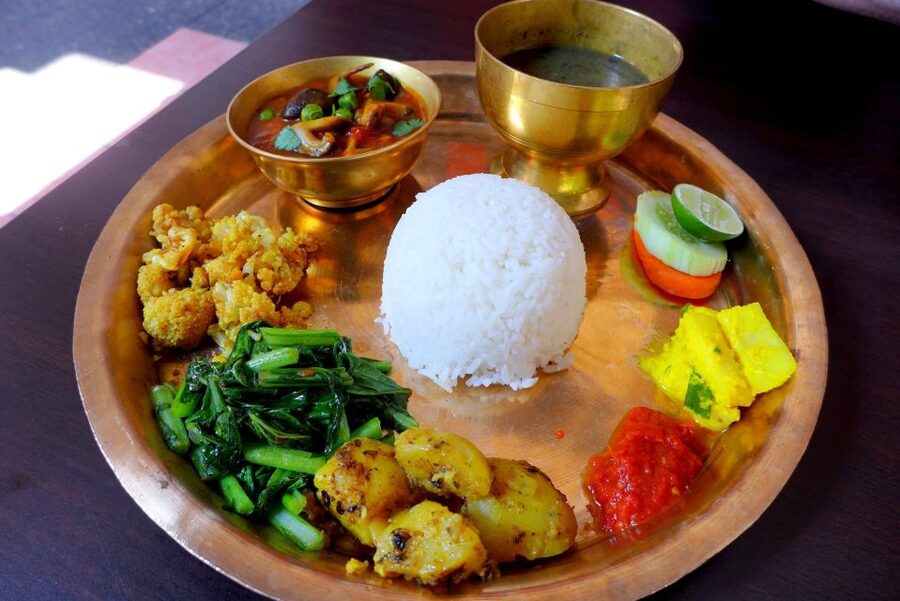
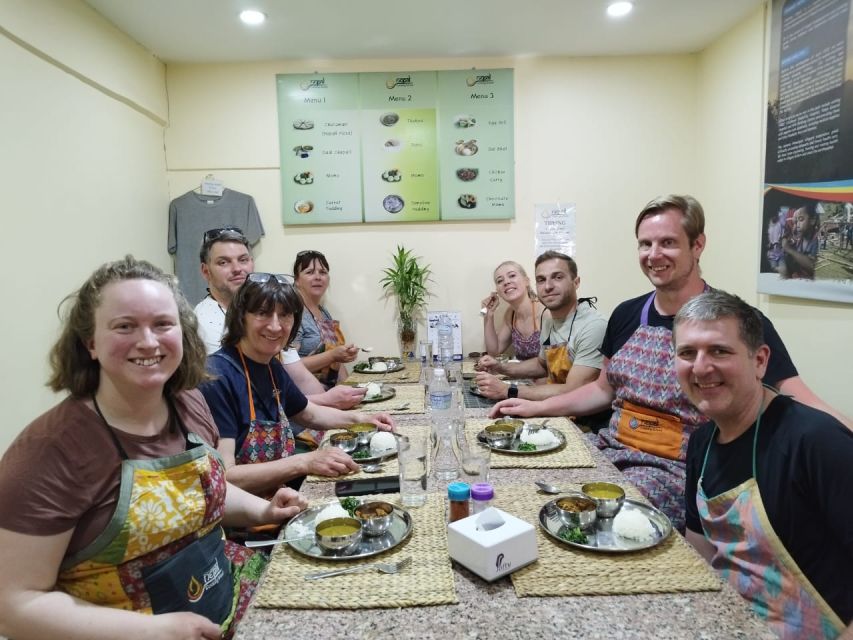
Also, the class includes a meal at the end, so you’re tasting what you made rather than leaving with only recipes.
Curries and dumplings: why the cooking skills matter
It’s easy to book a cooking class and treat it like a fun day. But the real value is learning how Nepalese dishes are built from ingredients and technique.
For curries, the important takeaway is how flavors are balanced and how the cooking method affects the end result. You’ll learn what type of ingredients are used and how they come together during cooking. Even if you don’t remember every spice name later, you’ll better understand the logic: what’s added early, what builds depth, and how the sauce should behave.
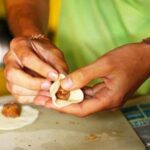
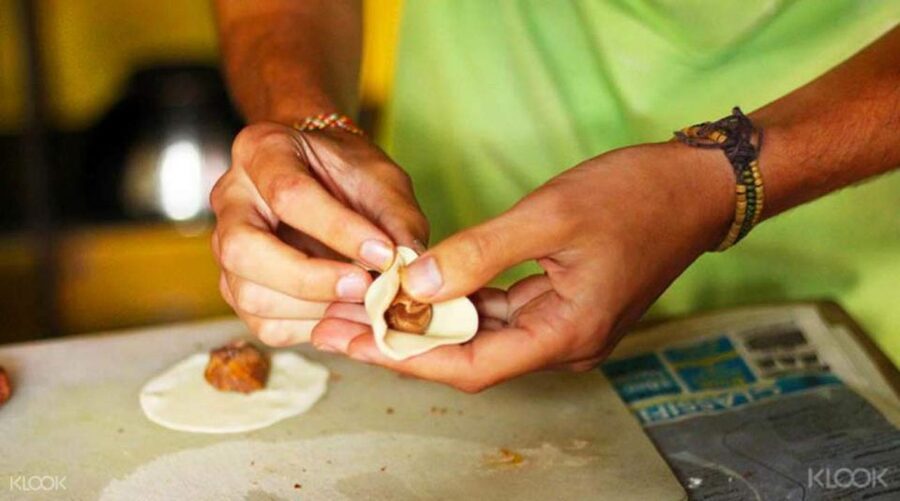
For momo, the skill is in consistency and care. The filling and wrapping process teaches you how to work with dough gently and portion evenly. Once you understand that flow, you’ll feel more confident making dumplings anywhere afterward.
And because you’re doing several dishes in one sitting, you’re less likely to forget the “why” behind the steps.
Music, phrases, and the classroom vibe
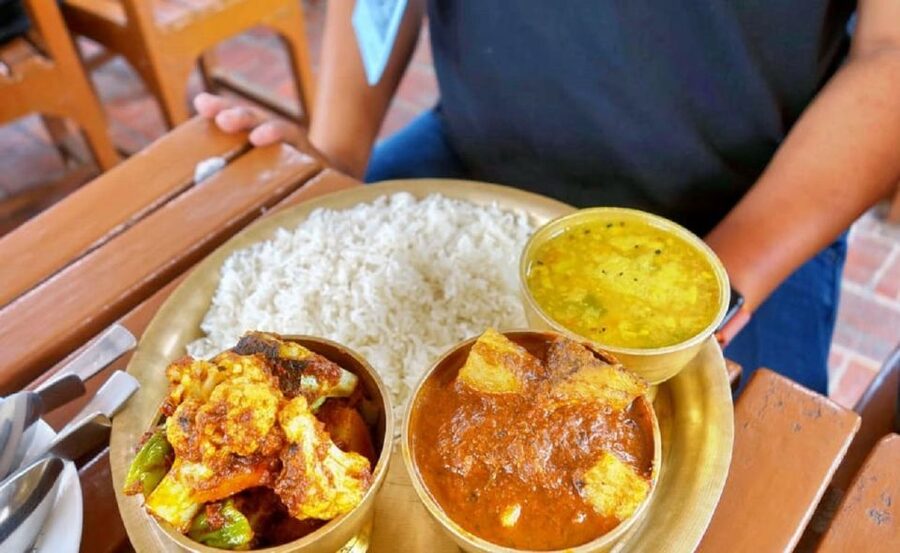
This isn’t a silent, clipboard-only cooking workshop. Nepalese folk music plays during the class and the meal, and you’ll also learn some Nepalese phrases along the way.
That matters because it changes how you experience the food. You’re not just learning recipes; you’re picking up small cultural cues about how people talk, celebrate, and move through mealtime. The music creates a steady pace during prep and cooking, and it helps the class feel more connected to everyday life.
It’s also a nice touch if you’re trying to leave Kathmandu with more than just photos. Even a few phrases can make a market interaction later less intimidating.
Chef-led instruction in English: useful, but watch the timing
The instructor is listed as English-speaking, and there’s also an English audio guide included. For most visitors, that combination is what makes a cooking class work. You can ask questions, follow steps, and still understand why the chef is doing each part.
One practical note: the “chef instructor” is competent, but the teaching setup can vary. You might find that the instructor is part of a local training environment rather than a single lifelong chef leading every class. That’s not automatically a bad thing—good instruction is what matters—but it’s worth knowing so you’re not expecting a celebrity chef style.
Timing can also feel uneven. If you’re on a tight schedule, give yourself cushion before your next booking. When the market portion or the cooking portion runs short, you still get fed, but your overall sense of how “long” the experience feels may differ.
Price and value: is $60 worth it?
At $60 per person for about 4 hours (with a listed cooking class length of 3–4 hours), this sits in the mid-range for Kathmandu food experiences. The price makes sense if you value three things at once:
1) Pickup and drop-off from Thamel (time and stress saved)
2) Market ingredient shopping (you get context, not just ingredients on a table)
3) A real hands-on menu (momo, curries, roti, and sel roti)
I think the best value is for people who want structure. If you don’t want to plan a market shopping list yourself and then hunt for a place to cook, you’re paying for someone to organize the full flow.
If you’re extremely price-sensitive, you may find cooking classes cheaper that focus on fewer dishes or skip the market run. On the other hand, if you want a more complete food experience and you like the idea of starting with the ingredients, this one feels fair.
Also, the overall rating is 4.1/5 based on a small number of bookings. That’s a good sign, but it’s not “everyone had the same perfect day” territory—so use this as an enthusiastic plan, not a guaranteed schedule to the minute.
Rain or shine: what to wear and bring
This activity runs rain or shine, so you should treat it like you’re walking in Kathmandu weather with food prep waiting at the end. Wear shoes that grip well and won’t ruin your mood if you end up standing around while ingredients get organized.
Bring passport or an ID card—a copy is accepted. Since you’re going to a market and then cooking, also assume you’ll do a bit of moving around on uneven ground.
One more restriction that affects your day: alcohol and drugs are not allowed. If you’re the type who likes to pair drinks with cooking, plan for water and tea instead.
Who this cooking class suits best
This is a strong fit if you:
- Want a hands-on Kathmandu experience focused on food
- Enjoy markets and like seeing ingredients before cooking
- Prefer English instruction and an included audio guide
- Want a mix of savory and sweet, including a Nepal-specific dish like sel roti
- Like cultural add-ons such as folk music and a few phrases
It may feel less ideal if you:
- Need a strict minute-by-minute itinerary (timing can vary)
- Want a long market wander for browsing beyond ingredients
- Are hoping for only one signature dish rather than a full meal lineup
Should you book this Kathmandu Nepali cooking class?
If you want a food-forward half-day with Thamel pickup, an Ason market stop, and a menu that teaches more than one technique, I’d book it. The combination of market-to-kitchen flow is what makes it feel grounded, and the dish lineup is broad enough to keep it interesting.
Just book with flexibility. Give yourself buffer time, especially if you’re stacking plans. And if you care a lot about how long the market wandering lasts, go in expecting it to be an ingredient run first—then enjoy the cooking as the main event.
FAQ
How long is the Kathmandu Nepali cooking class with hotel pickup?
The experience is listed as 4 hours. The cooking class portion is described as 3–4 hours, so your exact timing may vary.
Do you pick up guests from Thamel hotels?
Yes. The experience includes hotel pickup and drop-off from the Thamel area.
Which market do we visit in Kathmandu?
You visit a local market in Kathmandu (Ason) and travel there by rickshaw as part of the experience.
What dishes will I cook?
You’ll cook Nepali favorites including momo, varieties of curries, roti, and sel roti.
Is the class taught in English?
Yes. The instructor is listed as English speaking, and an English audio guide is included.
Is there music or language learning during the class?
Yes. You’ll listen to Nepalese folk music during the class and at mealtime, and you’ll also learn some Nepalese phrases.
Is the experience wheelchair accessible?
Yes. It is listed as wheelchair accessible.
What should I bring for the class?
Bring your passport or ID card. A copy is accepted.
Are there any restrictions on alcohol or drugs?
Yes. Alcohol and drugs are not allowed during the activity.
Does it run in bad weather, and can I cancel if plans change?
It takes place rain or shine. There is free cancellation up to 24 hours in advance for a full refund.