REVIEW · SIEM REAP
Siem Reap: Cambodian Desserts Cooking Lesson with Tastings
Book on GetYourGuide →Operated by Beyond. Unique Escapes · Bookable on GetYourGuide
Khmer desserts get real fast. In Siem Reap, this 3-hour class turns palm sugar and coconut milk into three sweets you can recreate at home, with hotel pickup and a tuk-tuk ride. I love how the day starts with a market-style ingredient tour, then moves straight into cooking with your own station and tools. I also love that the chef (I met one called Prey, and hosts named Sofia showed up in other sessions) teaches you the why, not just the what, so the flavors make sense.
The one drawback to consider: you’re working with sticky, fragrant ingredients—great fun if you like cooking, but not ideal if you want a no-touch, hands-off experience in a hurry. 3 hours is also plenty of time to learn, but you still won’t master every technique like a professional.
In This Review
- Key things I’d circle before you book
- Palm Sugar From Tree to Spoon: The Ingredient Lesson That Actually Matters
- Door-to-Door Tuk-Tuk Time: Getting to the Kitchen Without Stress
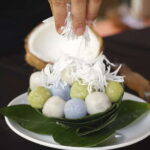
- The Three Desserts You’ll Make (And Why Each One Builds Skills)
- Steamed ginger custard
- Palm sugar and coconut bananas
- Sweet coconut pancakes
- The Market Stop: How Ingredient Shopping Builds Better Cooking
- Hands-On Teaching in English: A Class That Feels Patient
- Recipe Card Take-Home: Turning a Fun Hour Into Real Repeat Cooking
- Price and Time: Is $32 Worth It?
- Who Should Take This Dessert Class (and Who Might Not)
- Should You Book This Siem Reap Dessert Lesson?
- FAQ
- How long is the cooking lesson?
- What does the class cost?
- Will I get hotel pickup and drop-off in Siem Reap?
- What desserts will I learn to make?
- Is the instructor available in English?
- Are tastings included?
- Do I receive a recipe to take home?
- Where should I be when pickup happens?
- Is free cancellation available?
Key things I’d circle before you book
- Palm sugar from tree to candy: you get the ingredient story, not only the recipe.
- Three specific desserts, not a sampler: ginger custard, palm sugar coconut bananas, and sweet coconut pancakes.
- Your own workstation and equipment: it’s hands-on, with clear instructions in English.
- Tuk-tuk transport and door-to-door service: hotel pickup and drop-off makes it easy.
- Lots of tasting and take-home: you won’t leave hungry, and you’ll likely pack extras.
Palm Sugar From Tree to Spoon: The Ingredient Lesson That Actually Matters
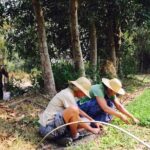
If you’ve ever tried to cook with palm sugar at home and wondered why it tastes different, this class is built to fix that. The chef focuses on palm sugar as a core Khmer staple—how it comes from the sugar palm, what it brings to desserts, and why it behaves the way it does in cooking.
In practice, palm sugar isn’t just sweet. It adds a deep caramel-like warmth, with a gentle molasses note. That matters for Cambodian desserts, because these sweets rely on balance: sweetness, aromatics, and the creamy cushion of coconut milk. When you understand what palm sugar is doing, you can adjust future batches without guessing.
This is also where the class feels more “cultural” than just “food entertainment.” You learn the ingredient’s journey from the palm to the finished product. That context helps you stop copying steps blindly and start cooking with confidence. I like classes that explain flavor logic. This one does.
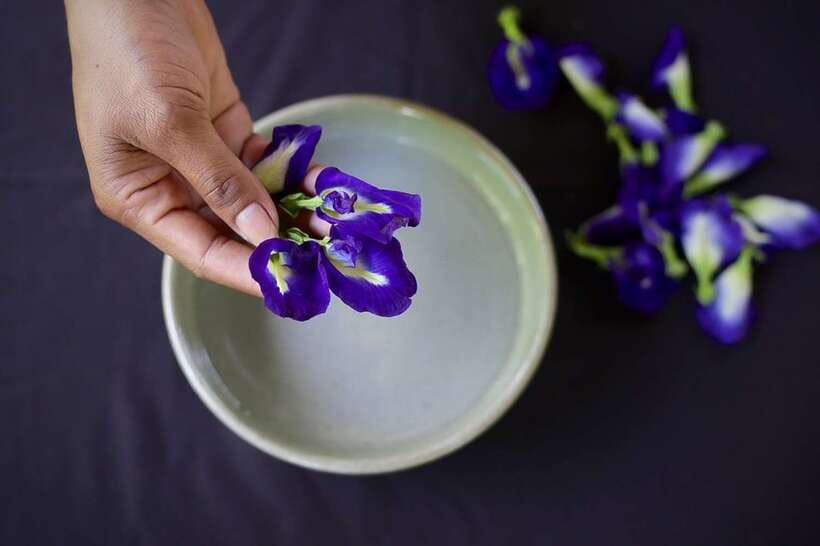
The other ingredient work supports that big idea. You’ll handle coconut milk, plus fragrant aromatics like ginger and lemongrass. Those aren’t throwaway add-ins. Ginger brings heat and brightness to the custard. Lemongrass adds a citrusy edge that keeps coconut desserts from tasting flat.
You can also read our reviews of more tours and experiences in Siem Reap.
Door-to-Door Tuk-Tuk Time: Getting to the Kitchen Without Stress
In Siem Reap, getting around can be part of the fun, but it can also waste time. This experience solves that with hotel pickup and drop-off, so you’re not figuring out tuk-tuk logistics on an empty stomach.
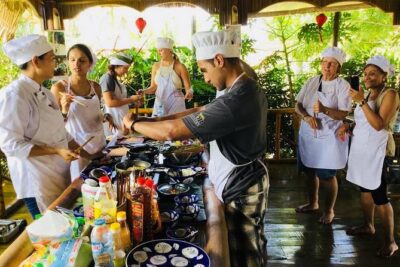
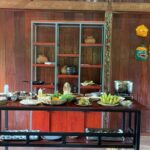
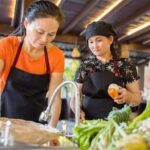
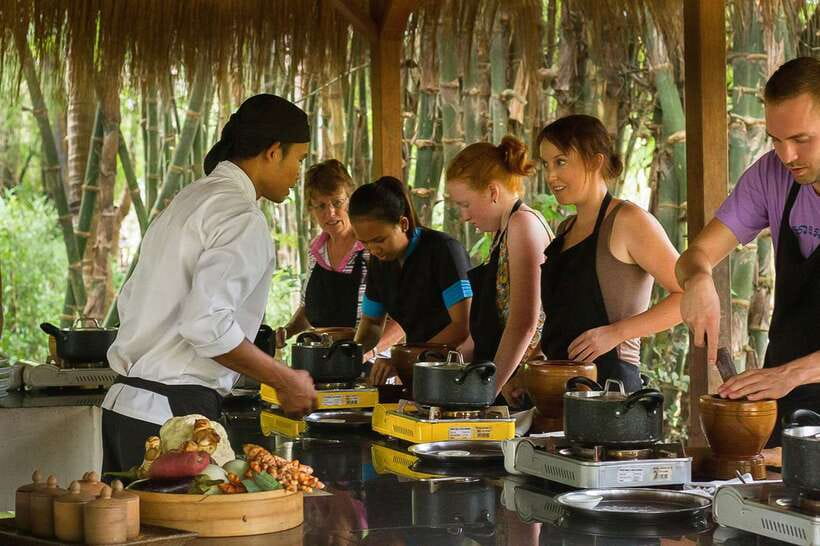
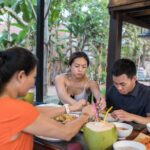
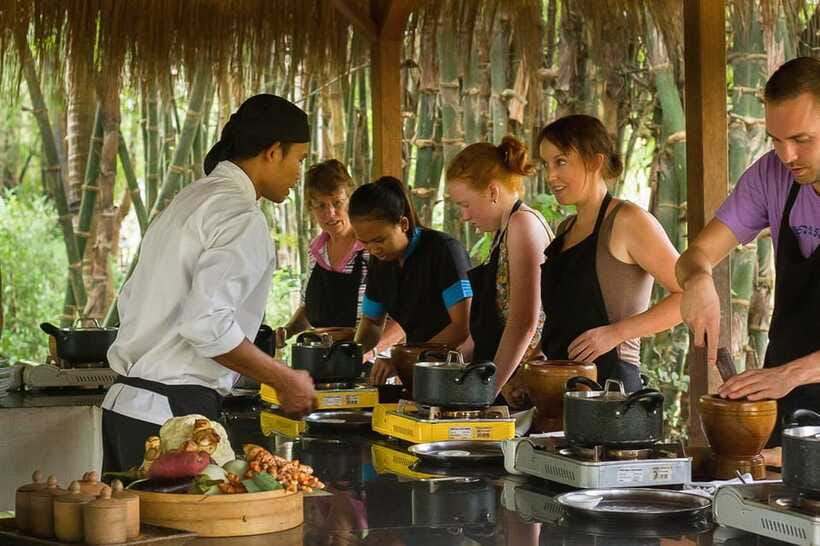
You ride to the workshop by tuk-tuk, and the cooking happens in a peaceful outdoor kitchen setting. That matters more than you might think. When the air is open and the space is set up for cooking, you feel less cramped and the whole process feels like a real Khmer kitchen moment—less like a classroom, more like a friendly food hangout.
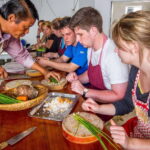
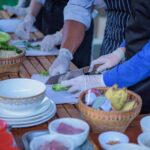
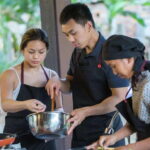
Once you arrive, you get your own cooking station and equipment. That’s a key point for value. A lot of “cooking experiences” are watch-and-wait. Here, you’re actively cooking. And when instructions are clear and you’re next to your ingredients, you learn faster. Reviews reflect this vibe: guests highlight patient, friendly teaching and a relaxed feel that still stays organized.
The Three Desserts You’ll Make (And Why Each One Builds Skills)
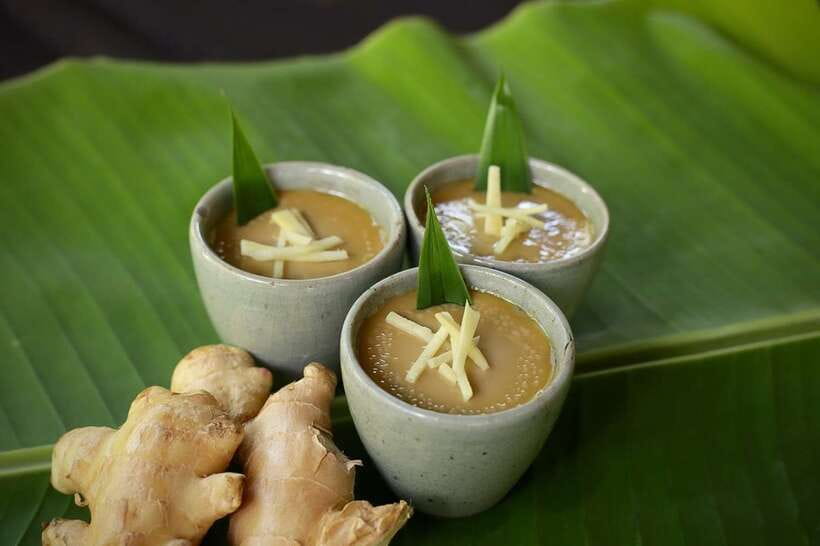
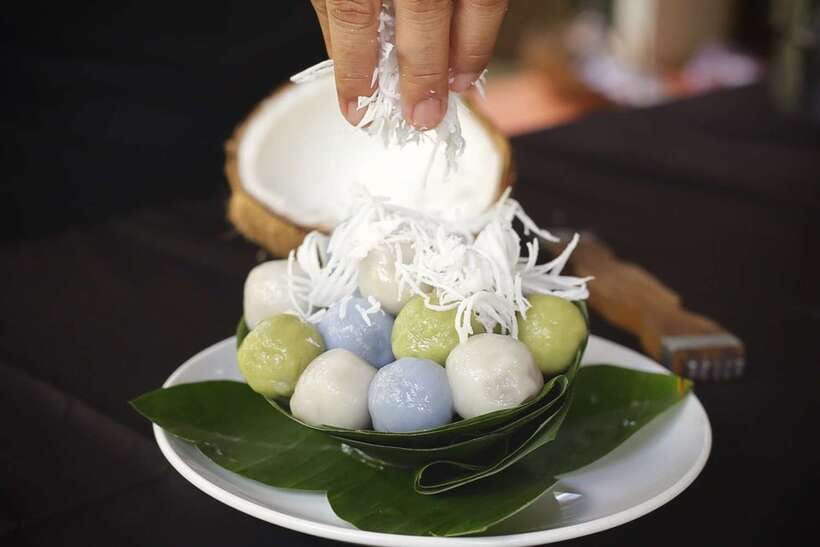
This class isn’t random. You learn three specific Khmer desserts, each with its own technique. That’s why it’s easier to repeat at home.
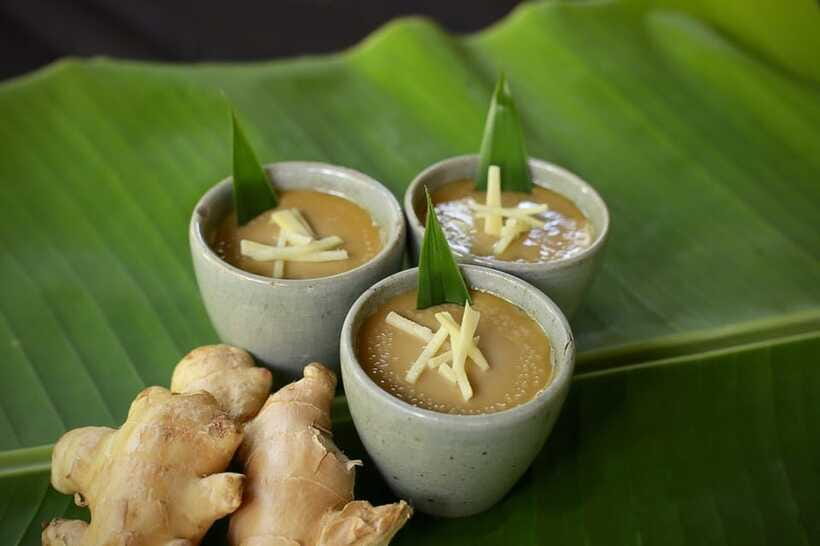
Steamed ginger custard
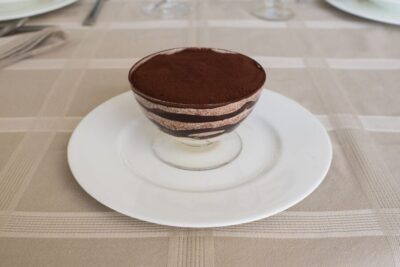
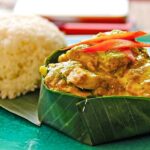
This is the one that teaches gentle heat and timing. Ginger gives warmth and a fresh bite, and the custard structure relies on careful steaming. If you’re used to baked custards, steaming feels different—often smoother and more forgiving, but still sensitive to timing.
What you’ll enjoy: it tastes like comfort, but with a ginger edge that makes it feel lighter than typical custards.
Palm sugar and coconut bananas
This one focuses on turning ingredients into a cohesive sweet. Palm sugar works like the glue and the flavor engine. Coconut milk rounds everything out, while bananas bring softness and a natural sweetness.
The skill takeaway: you learn how palm sugar flavors change when cooked with coconut and fruit, rather than staying one-note.
Sweet coconut pancakes
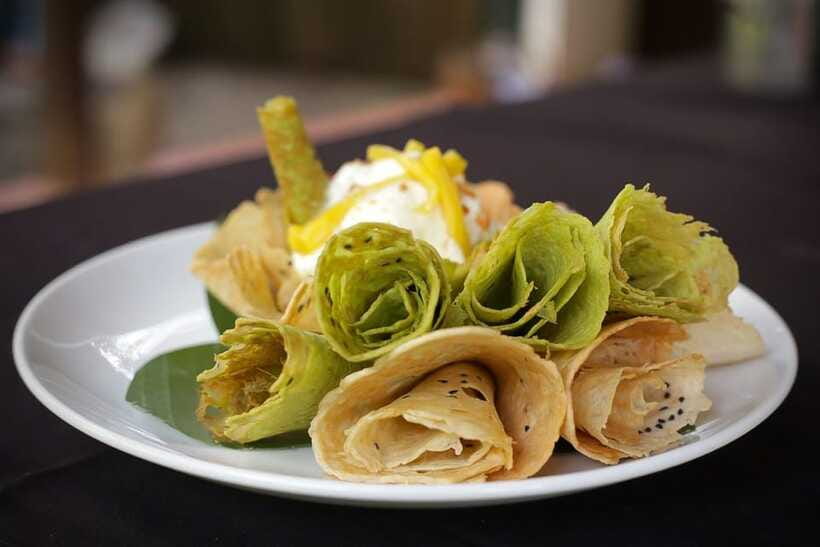
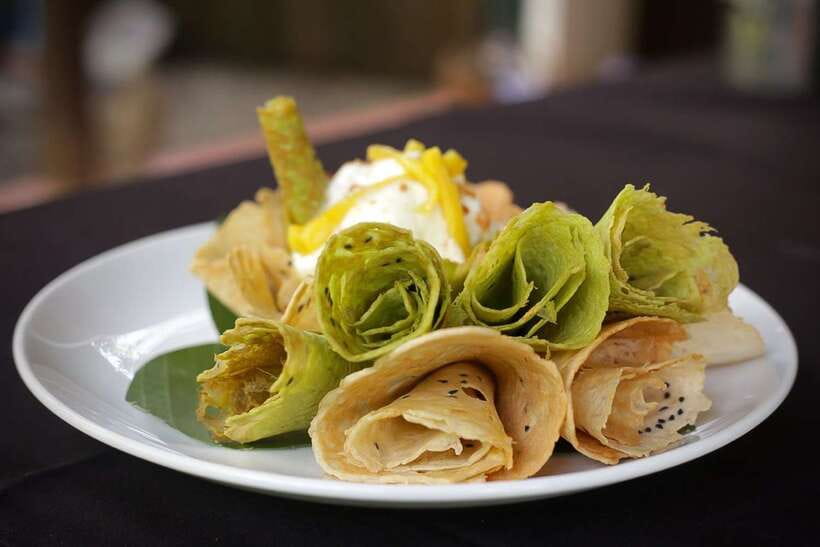
Pancakes might sound simple, but Cambodian-style coconut pancakes use coconut flavor as the star, not the sidekick. You’ll work with texture and cooking method so they cook evenly and taste balanced.
The skill takeaway: you learn how to manage coconut-based batter so it stays tender instead of greasy or flat.
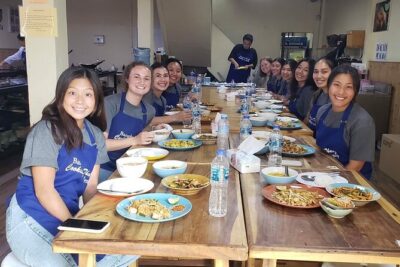
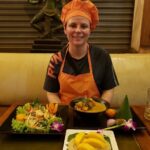
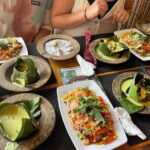
Across all three, you also get tastings as you go. That’s not just about eating. Tasting during cooking gives you feedback fast—so you can adjust before the whole batch is done. Guests consistently note that there’s plenty to eat and that portions are boxed up for take-home, which is a big plus in a short 3-hour experience.
The Market Stop: How Ingredient Shopping Builds Better Cooking
One of the best parts of this experience is the market-style ingredient browsing before you cook. You get to see common Khmer dessert inputs up close and ask questions while the host explains what matters and what to look for.
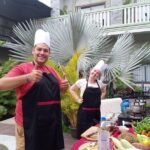
In some sessions, you may meet a host named Sofia, who helps guide the market walk and answers questions. Other sessions include a chef like Prey or a chef referenced as Chef Bri. Names aside, the format is consistent: you learn what goes into Khmer desserts, then you move into the kitchen with better awareness.
Here’s why that’s valuable for you. When you only get recipes with no ingredient context, the same dish can end up tasting different at home. But when you see the ingredient choices firsthand—especially aromatics like ginger and lemongrass and staples like coconut milk—you can reproduce the flavor more closely.
You also get a snack along the way. That’s a small touch, but it helps you arrive at the cooking part ready to focus. One guest even mentioned being offered fruit and tea when they hadn’t had breakfast, which tells me the team actually pays attention to guests’ needs during the session.
Hands-On Teaching in English: A Class That Feels Patient
Language matters. This is taught by an English-speaking instructor, and guests regularly mention clear explanations and patient step-by-step guidance. That combo is what makes a short class worth your time.
In other words: you don’t just get told what to do. You get told how to do it, and you get time to follow along while cooking your own dessert. With a workstation and equipment provided, you can focus on learning instead of hunting for utensils or translating instructions.
The classroom tone also comes through in feedback: people describe the vibe as friendly, organized, and welcoming—especially when the host and chef keep things calm while still moving forward. If you’ve done cooking classes where everything feels rushed or overly formal, you’ll probably appreciate this style.
And because the desserts are Khmer classics, it’s not just fun food. It’s actual technique you can carry home.
Recipe Card Take-Home: Turning a Fun Hour Into Real Repeat Cooking
A big difference between a good experience and a “cool memory” is whether you can recreate it later. This class gives you a recipe card to take home. Some guests also received a small recipe booklet, which is a nice extra if you like having more than one reference.
What you’ll likely find useful about the card isn’t only the ingredients list. It supports the skills you practiced during the class: the timing of steaming, the way palm sugar integrates with coconut and fruit, and how coconut flavor behaves in pancake batter.
If you want to cook with family later, this is the part that makes it stick. You’ll have the same flavors and the same workflow you learned on-site, plus a reference you can pull out when you forget one detail (and you will).
Price and Time: Is $32 Worth It?
At $32 per person for 3 hours, this is priced like a focused, hands-on workshop rather than a big-day tour. And based on what’s included, it’s a solid value.
You’re getting:
- hotel pickup and drop-off
- the cooking lesson
- tastings
- a recipe card
- a full hands-on session with your own station
When you factor in the ingredients involved—palm sugar, coconut milk, ginger, lemongrass—plus the staff time for instruction and tastings, it makes sense. Many cooking classes charge more for less real cooking, or they omit door-to-door transport.
The short duration is also part of the value. You get a complete experience cycle—market to kitchen, then cooking to tasting—without losing half a day. If you’re doing Angkor sightseeing the same trip, this slots in nicely as a culture-and-food day without requiring a huge schedule commitment.
The one thing to keep in mind: if you’re an experienced baker who already works confidently with custards and caramel-like syrups, you might want more than three desserts. But for most people, this is exactly the sweet spot.
Who Should Take This Dessert Class (and Who Might Not)
I think this experience is best for:
- food lovers who want hands-on Khmer desserts, not just a meal
- travelers who enjoy learning ingredients, especially palm sugar and coconut flavors
- families who want a skill that turns into a repeatable home cooking night
- anyone who likes a friendly, organized class with English instruction
You might skip it if:
- you strongly dislike cooking with sticky sweets or hot steaming steps
- you only want scenic sightseeing and prefer not to touch ingredients
- you’re looking for a longer class that covers advanced technique in depth
If you’re traveling solo, it can still be great. Reviews show guests sometimes attended as a single participant and still got a full, patient experience. You’ll still get the same core learning.
Should You Book This Siem Reap Dessert Lesson?
Yes—if you want something you can actually bring home. This class blends ingredient education (especially palm sugar) with three clear desserts and real hands-on cooking. The door-to-door tuk-tuk pickup makes it low-stress, and the tastings plus take-home sweets help you feel like you got your money’s worth.
My decision logic is simple: for $32, you’re paying for transport, instruction, and ingredients support, and you’re leaving with both recipe guidance and plenty of food. That’s the kind of value that makes a short tour feel substantial.
If your schedule allows 3 hours in Siem Reap and you’re even mildly curious about Cambodian sweets, this is an easy yes.
FAQ
How long is the cooking lesson?
The class lasts 3 hours.
What does the class cost?
It costs $32 per person.
Will I get hotel pickup and drop-off in Siem Reap?
Yes. You’ll be picked up and dropped off directly at your accommodation.
What desserts will I learn to make?
You’ll make three Cambodian desserts: steamed ginger custard, palm sugar and coconut bananas, and sweet coconut pancakes.
Is the instructor available in English?
Yes, the lesson is taught in English.
Are tastings included?
Yes. Tastings are included as part of the experience.
Do I receive a recipe to take home?
Yes. You’ll get a recipe card to take home.
Where should I be when pickup happens?
Please be waiting in your hotel lobby 30 minutes before the activity start time.
Is free cancellation available?
Yes. You can cancel up to 24 hours in advance for a full refund.