REVIEW · ROME
Rome & Milan: Cooking class & wine pairing at Come Na Vorta
Book on GetYourGuide →Operated by COME NA VORTA · Bookable on GetYourGuide
Fresh pasta beats a museum every time. This Come Na Vorta class turns pasta-making into a real skill session, then rewards you with a wine pairing dinner you can actually taste and understand. I love that you learn from a multi-generation family approach, not just a demo, and I like that the pacing includes lots of food along the way (Prosecco and bruschette during class). One thing to consider: the meeting point and exact location shift depending on whether you pick Rome or Milan, so plan for a bit of local navigating.
In Rome, the class happens in the Trastevere area, and in Milan it runs around the Navigli. Either way, you’re set up for a relaxed, hands-on meal rather than a fast, ticketed performance. The small-group size helps you get answers as you knead, shape, and cook.
The best part is how practical it feels: you’ll learn fresh fettuccine and gnocchi from scratch, then eat two pasta dishes with sauce choices, finished with tiramisù. If you want a cooking class that feels like food culture you can repeat at home, this is the kind of evening you’d pick.
In This Review
- Key highlights you’ll feel immediately
- Rome or Milan: where the class actually happens
- The 3-hour rhythm: Prosecco, dough, sauce, and tiramisù
- What you’ll make: fettuccine, gnocchi, and Roman-style sauce choices
- Fresh fettuccine
- Pillowy gnocchi
- Sauce choices (the Roman part)
- Tiramisù variations: why the dessert lesson is more than a sweet finish
- Wine pairing options: pick Bronze, Silver, or Gold with purpose
- The meal you get: two pasta dishes, one tiramisù, and plenty to drink
- Guides and small-group energy: when names like Lorenza and Luciana come up
- Price and value at about $77 per person
- Who should book, and what could be a mismatch
- Best fit
- A possible mismatch
- Should you book this pasta and wine class?
- FAQ
- FAQ
- How long is the Come Na Vorta cooking class?
- Where does the class take place in Rome and Milan?
- What pasta and dessert will I make?
- What will I eat during the class?
- Does the experience include wine, and what are the options?
- Is there Prosecco during the class?
- What languages are offered?
- Is pickup included?
- Is the class wheelchair accessible?
Key highlights you’ll feel immediately
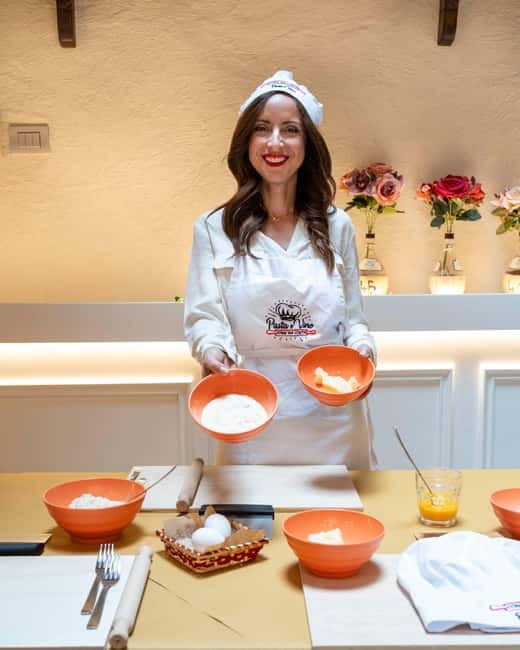
- A real family lesson from three generations focused on techniques and ingredient quality
- Fresh fettuccine and gnocchi plus guidance on how to recognize great dough
- Two pasta dishes per person with sauces of your choice, then one tiramisù each
- Free-flow Prosecco and bruschette during the class, with extra virgin olive oil
- Wine pairing options from locally produced bottles to Brunello and Amarone levels
Rome or Milan: where the class actually happens
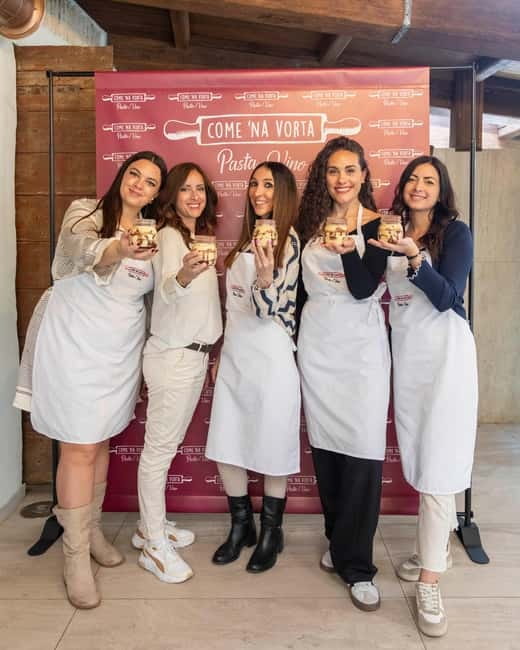
Come Na Vorta runs in two lively bases, and that choice shapes the whole vibe.
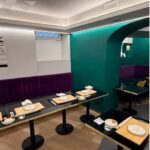
In Rome, you’ll meet in the Trastevere district at a family-owned restaurant. Trastevere is classic for getting a feel of everyday Rome after dark, with side streets and restaurant noise close enough to hear. In Milan, you’ll head to the Navigli, known for its canals and nightlife energy. The experience keeps the same structure across both cities, but the neighborhood mood changes how the evening feels.
You should also note that the meeting point can vary based on the option booked. If you’re arriving in town the same day, I’d give yourself some buffer time to find it calmly. There’s no pickup included, so your best move is to plan the trip so you’re already near your meeting area when it’s time to start.
You can also read our reviews of more tours and experiences in Rome.
The 3-hour rhythm: Prosecco, dough, sauce, and tiramisù
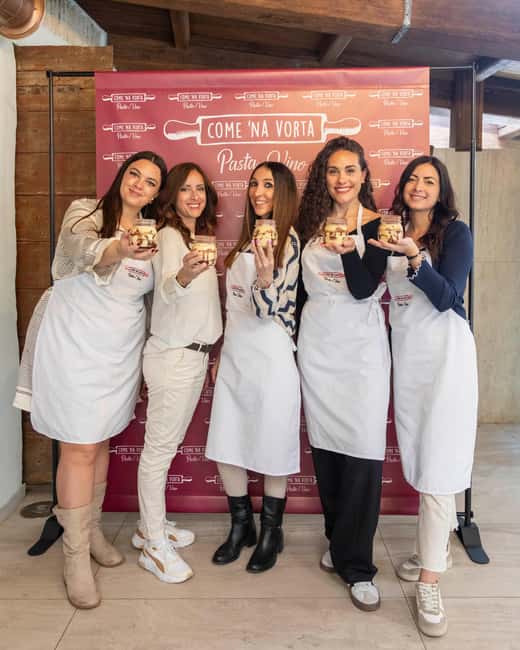
The class lasts about 3 hours, with roughly 2 hours dedicated to cooking and the rest for enjoying what you make. That timing matters. It’s long enough to learn hands-on, short enough that you won’t feel stuck in a kitchen from start to finish.
Here’s the flow you can expect:
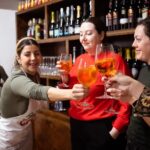
- Start with Prosecco: you’ll receive a glass of Prosecco at the beginning, and Prosecco continues to be part of the atmosphere during the class.
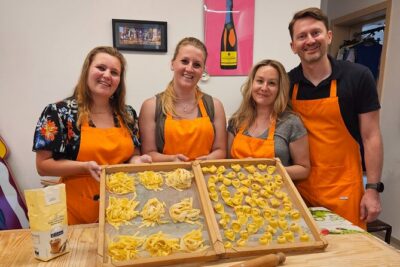
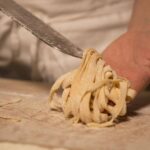
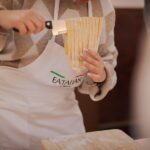
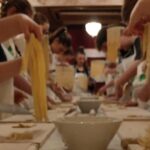
- Hands-on pasta work: you’ll roll up your sleeves and make fresh pasta—specifically fettuccine and gnocchi—with step-by-step guidance.
- Breaks with bruschette: bruschette come out during the lesson, paired with extra virgin olive oil, so you’re not just learning in a vacuum.
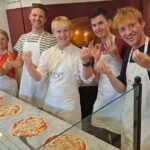
- Cook and eat: once your pasta is ready, you’ll choose Roman-style sauces and sit down to enjoy two pasta dishes plus water.
- Finish with tiramisù: you’ll also learn about tiramisù variations that people really respond to, then eat your own homemade tiramisù.
This structure is especially good if you want the cooking class to feel like an actual meal, not an appetizer to a different restaurant later. And because Prosecco and bruschette are woven into the class, it feels social without turning into a party where nobody teaches you anything.
What you’ll make: fettuccine, gnocchi, and Roman-style sauce choices
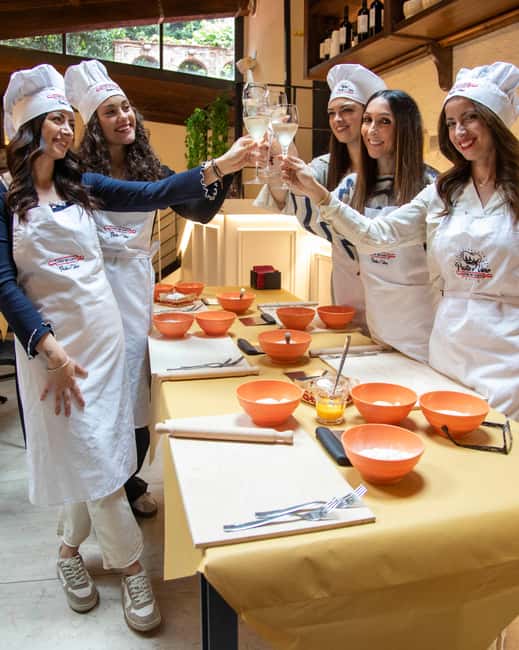
This isn’t a one-dish class. You’re learning a couple of pasta styles that use different techniques, and that gives you something more useful than just a recipe.
Fresh fettuccine
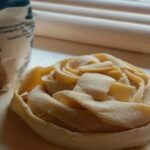
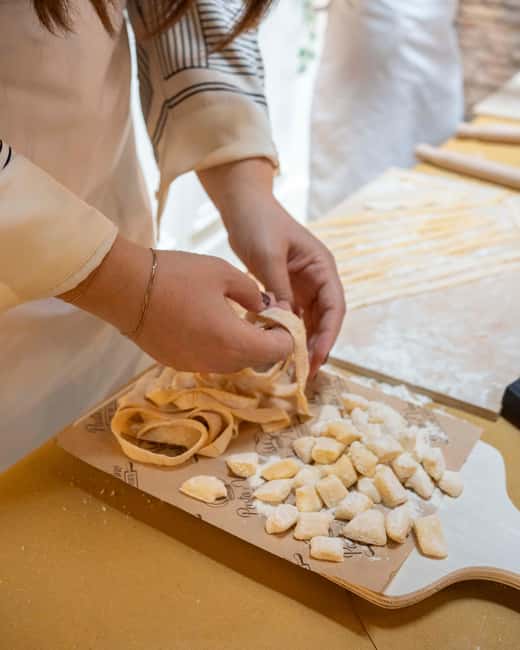
You’ll learn to make fresh fettuccine and how to handle the dough so it behaves like real pasta dough, not sticky kitchen chaos. Part of the value is learning what matters—how the dough should feel and how to recognize good quality ingredients. The goal isn’t fancy showmanship; it’s control and confidence.
Pillowy gnocchi
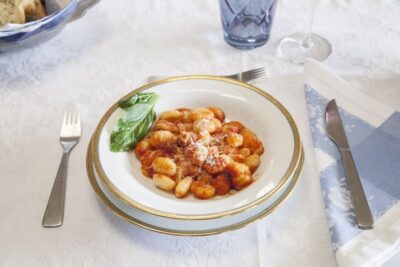
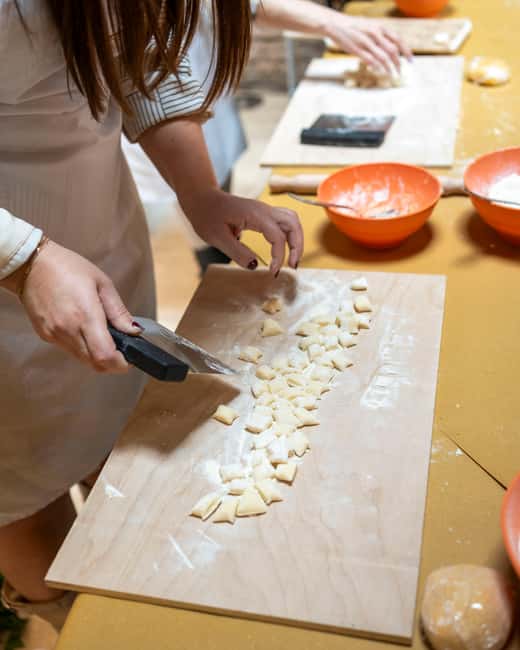
Gnocchi are the second big lesson, and they’re where a cooking class can either be vague or genuinely helpful. Here, the focus is on getting the dough right and timing it so it turns out tender instead of heavy. The class also teaches you how to recognize the point where gnocchi are ready.
Sauce choices (the Roman part)
After shaping, you’ll cook your pasta and pair it with traditional Roman sauces of your choice. That choice is important: you can adjust the meal to what you like, instead of being locked into whatever one sauce the kitchen picked.
Tiramisù variations: why the dessert lesson is more than a sweet finish
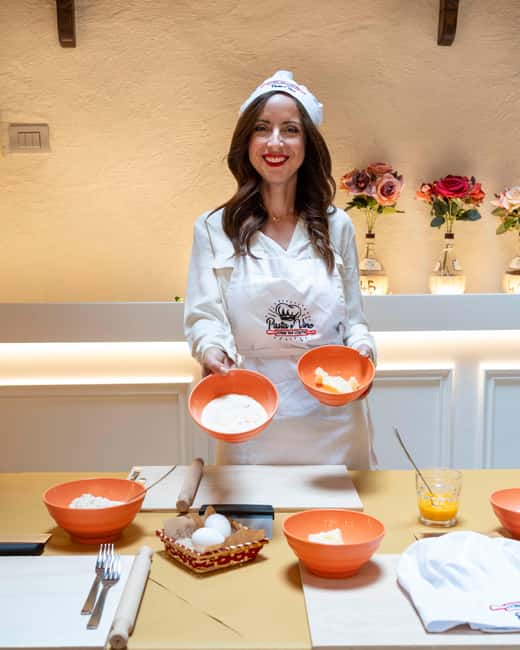
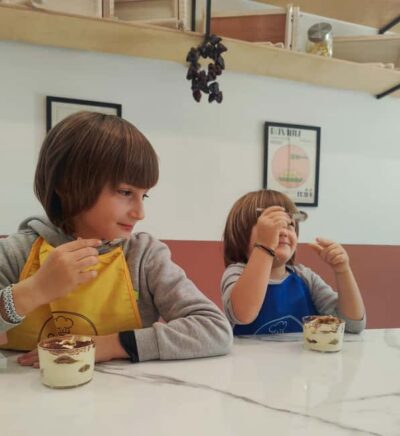
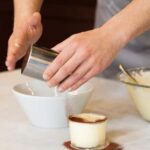
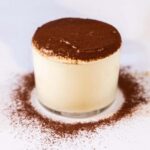
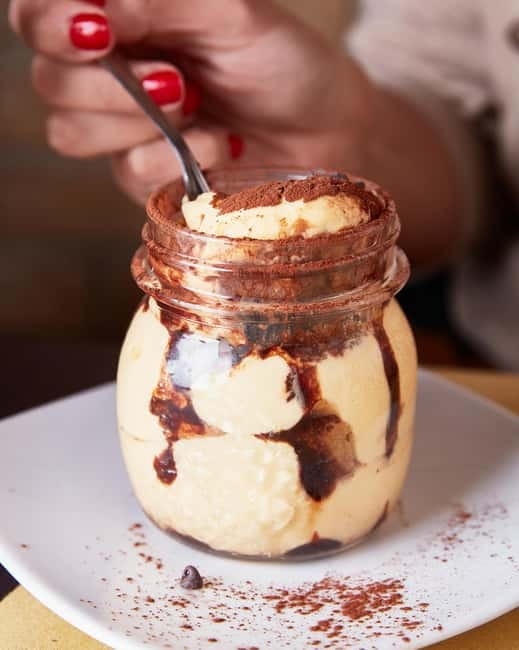
Tiramisù is often treated like a simple ending. Here, it’s treated like part of the teaching. You’ll learn the iconic tiramisù from scratch, and you’ll also get the variations that the team says many guests love.
That matters because tiramisù is one of those desserts where tiny shifts change the result: texture, sweetness, and how it holds up. Even if you don’t remember every step later, you’ll leave with a better sense of what makes a tiramisù taste correct, not just sweet.
And since dessert lands after you eat your pasta, you’re not rushing through the best part. You get a full meal arc: work → eat → sweet stop.
Wine pairing options: pick Bronze, Silver, or Gold with purpose
Wine is built into the experience, but you get choice. The class offers three booking levels:
- Bronze: one glass of locally produced and popular wine
- Silver: two glasses of traditional Italian wines (examples given include Chianti and Chardonnay)
- Gold: two glasses of prestigious Italian wines (examples given include Brunello di Montalcino and Amarone della Valpolicella)
How I’d think about it: if you want the cooking class for the food skills and you’re not too focused on collecting wine names, Bronze fits. If you’re making this a meal night and like pairing across the course, Silver is a solid middle. Gold makes the most sense if you’re the type who wants your wine to feel like a special buy—something you would not casually order at random.
Also, you’ll still have Prosecco during the class regardless of wine tier. So your tier level mainly affects the wine served with the meal, not the whole vibe.
The meal you get: two pasta dishes, one tiramisù, and plenty to drink
Let’s be direct about value: you’re eating what you make.
Included for each person:
- Two pasta dishes (based on what’s cooked from your work), with sauces of your choice
- One tiramisù
- Water
- A wine amount based on your Bronze/Silver/Gold option
- Prosecco and bruschette during the class (and the bruschette use extra virgin olive oil)
That combination is practical. A lot of cooking classes claim food but deliver small portions. Here, the dinner is part of the ticket. It makes the class feel like a complete evening: you learn, then you eat, then you take the knowledge home through the recipe booklet.
Guides and small-group energy: when names like Lorenza and Luciana come up
A cooking class lives or dies on the person guiding it. In this experience, multiple guides are praised by name, including Lorenza, Luciana, and Alice.
What stands out in the way the class is described is not just friendliness. It’s how they explain pasta in plain language:
- Lorenza is noted for strong English, and for teaching in a way that goes beyond just Here is the recipe. You learn how to judge dough quality and when gnocchi feel right.
- Luciana is described as engaging and as providing extra trip recommendations after the class, which can help you keep the evening going without guessing.
- Alice is praised for professionalism and upbeat energy in a typical Rome restaurant setting.
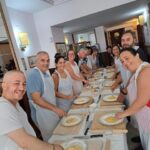
Small group also matters here. The class is designed for you to ask questions while your hands are already busy. If you’ve ever taken a workshop where the instructor can’t see everyone, you’ll appreciate the setup.
Language-wise: instruction includes English, Italian, and Spanish. If you book as part of a multi-country group, the class will automatically be held in English. For Spanish, Italian, Arabic, French, or Romanian classes, the info says you should contact directly.
Price and value at about $77 per person
At $77 per person, this class sits in the middle ground for a two-city cooking experience. The reason it feels reasonable is what’s bundled, not the headline price.
You’re getting:
- About 3 hours of instruction
- Real ingredients time and effort (you make pasta, cook it, then eat it)
- Two pasta dishes and tiramisù per person
- Prosecco plus bruschette during the class
- A wine pairing component (one or two glasses depending on your tier)
- A downloadable recipes booklet
- An individual certificate of participation
If all you wanted was a restaurant dinner, you’d pay for that anyway. This is the difference: you also leave with repeatable skills—especially the techniques for dough and shaping—plus the sauce-and-desert structure that makes the meal feel coherent.
If you’re comparing options, I’d focus on whether the class includes a full meal you sit down for, and whether wine and Prosecco are actually part of the session. This one is designed so they are.
Who should book, and what could be a mismatch
Best fit
This is a great choice for:
- Couples who want a date night that’s more hands-on than a standard dinner
- Solo diners who want an activity that encourages easy conversation in a small group
- Families and friend groups who like shared tasks and want something memorable
- Anyone interested in Roman cooking technique, especially if you want to learn both pasta shapes and dessert
A possible mismatch
If you’re the type who wants purely quiet sightseeing time, this is hands-on and food-forward. Also, because there’s no pickup and the meeting point varies, you’ll want to be comfortable finding your start point in either Trastevere (Rome) or Navigli (Milan).
Should you book this pasta and wine class?
I think you should book if your goal is skill plus dinner in one evening. The structure makes it more than a tasting: you learn fettuccine, make gnocchi, choose sauces, and finish with tiramisù. Add free-flow Prosecco and a clear wine pairing tier, and the value starts to make sense fast.
Skip it only if you know you don’t want to cook at all, or if your schedule is so tight that getting to a changing meeting point in Rome or Milan will stress you out.
FAQ
FAQ
How long is the Come Na Vorta cooking class?
The experience lasts around 3 hours, with roughly 2 hours for preparation and the time to enjoy your meal.
Where does the class take place in Rome and Milan?
In Rome, the class is held at one of Come Na Vorta’s family-owned restaurants in the Trastevere district. In Milan, it’s held in the Navigli area.
What pasta and dessert will I make?
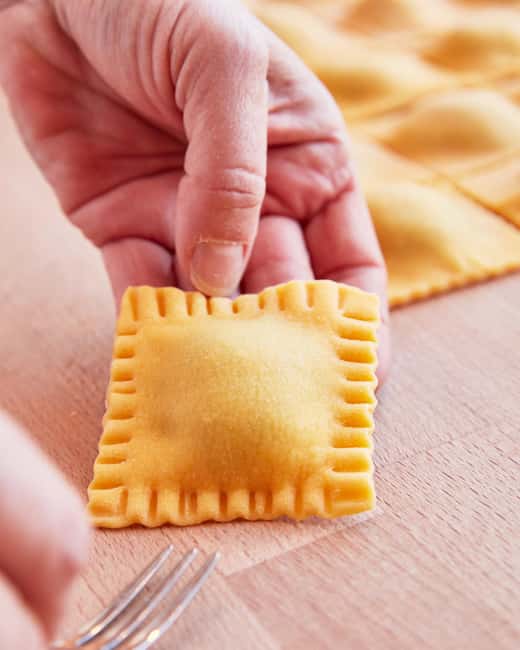
You’ll learn to make fresh fettuccine, pillowy gnocchi, and tiramisù from scratch.
What will I eat during the class?
You’ll be served two pasta dishes with sauces of your choice, plus one tiramisù for each guest.
Does the experience include wine, and what are the options?
Yes. Bronze includes one glass of locally produced wine. Silver includes two glasses of traditional Italian wines such as Chianti and Chardonnay. Gold includes two glasses of prestigious Italian wines such as Brunello di Montalcino and Amarone della Valpolicella.
Is there Prosecco during the class?
Yes. Prosecco is included and described as free-flowing throughout the class, along with bruschette.
What languages are offered?
Instruction is available in English, Italian, and Spanish. If guests booked from multiple countries, the class will automatically be held in English. For Spanish, Italian, Arabic, French, or Romanian classes, you’re asked to contact directly.
Is pickup included?
No. Pickup or drop-off is not included, and you’ll need to make your own way to the meeting point.
Is the class wheelchair accessible?
Yes, it is listed as wheelchair accessible.