REVIEW · ROME
Rome: Pasta Cooking Class in a Professional Pasta Laboratory
Book on GetYourGuide →Operated by Professional Lab Pasta Experience · Bookable on GetYourGuide
Fresh pasta class in a real lab. I love that this one takes you into a professional pastificio and teaches you how to roll dough and shape ravioli the traditional way. One thing to consider: it is hands-on, so if you’re hoping to watch and sip only, you may want a more demo-focused class.
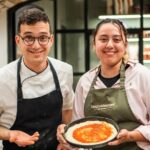
Your guide is Chef Angelo, working with the team that often includes Emanuele, and the vibe is equal parts precise technique and friendly energy. I also like the way the class plans for dietary needs, including gluten-free and an egg-free vegan pasta. The main drawback for some people is time: it’s a tight 3 hours, so Thursday’s gnocchi depends on the day you book.
In This Review
- Why this pasta class feels different
- Entering the pastificio: where the class starts on Via dei Latini
- Three grains and one technique: rolling pasta by hand
- Ravioli shaping and Roman sauce styles you can recreate
- Thursday gnocchi variant: what changes and what doesn’t
- Gluten-free and vegan pasta options that still feel like the main event
- The tasting and wine portion: the meal isn’t just a reward
- What you actually get: chef hat, recipes, and the tools mindset
- Price and logistics: is $66.84 worth 3 hours in a pastificio?
- Who should book this pasta laboratory class
- Should you book this Rome pasta laboratory class?
- FAQ
- How long is the Rome pasta cooking class?
- What is the group size?
- Where do I meet for the class?
- What pasta and sauces will we make?
- Does the class offer gluten-free pasta?
- Is there an egg-free or vegan pasta option?
- Is wine included?
- What languages are the instructors speaking?
- Can I get a refund if my plans change?
Why this pasta class feels different
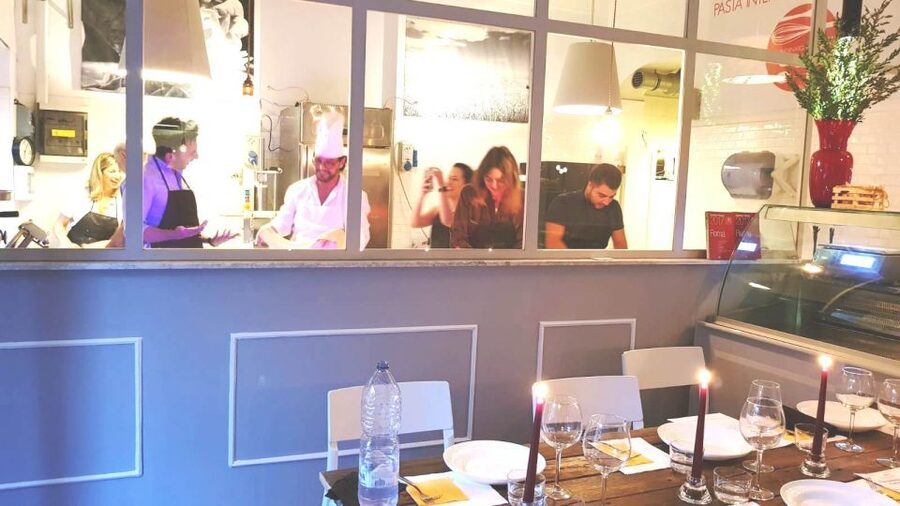
- Real pastificio setting: you learn in a functioning pasta laboratory, not a hotel kitchen.
- Three-grain dough lessons: including ancient Triticum Monococcum and buckwheat (Grano Saraceno).
- Roll by hand focus: thin sheets, cut, shape, and fill, not just pushing buttons on a machine.
- Roman sauces with tastings: carbonara, cacio e pepe, or gricia style sauces paired with wine.
- Small group format: limited to a maximum of 9 participants, so you get real coaching.
- Dietary planning built in: gluten-free options and a vegan, no-egg pasta you’ll make.
Entering the pastificio: where the class starts on Via dei Latini
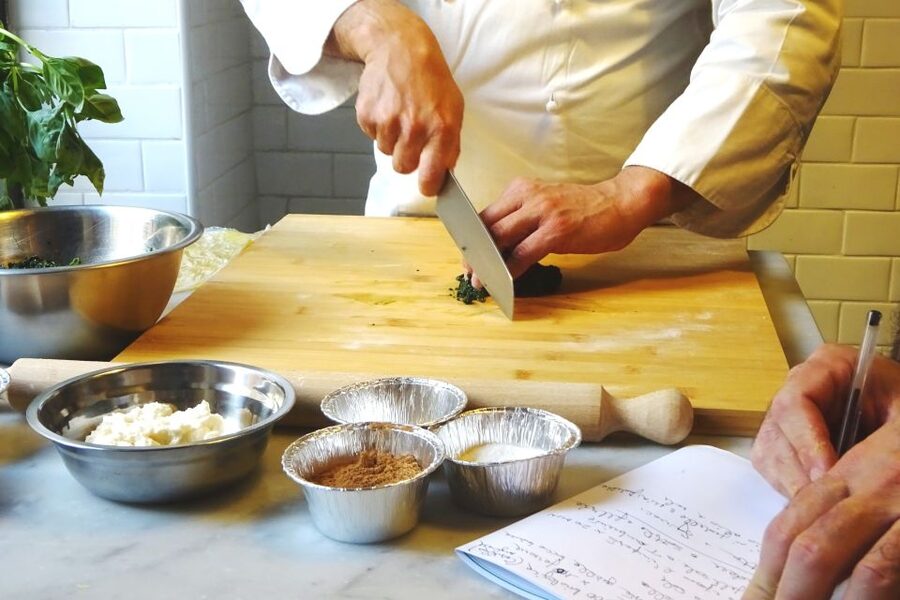
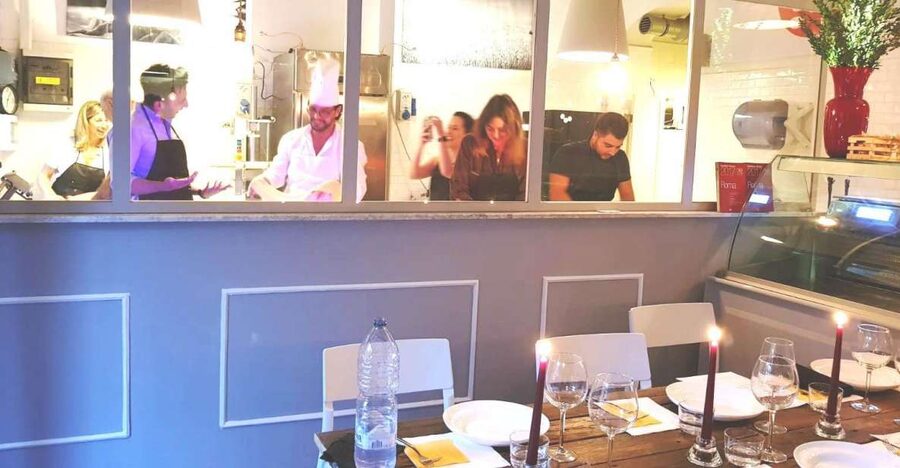
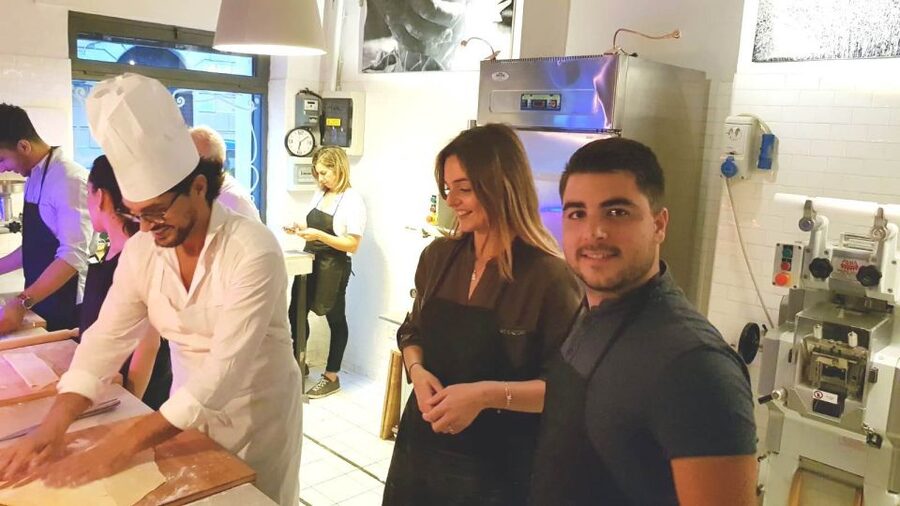
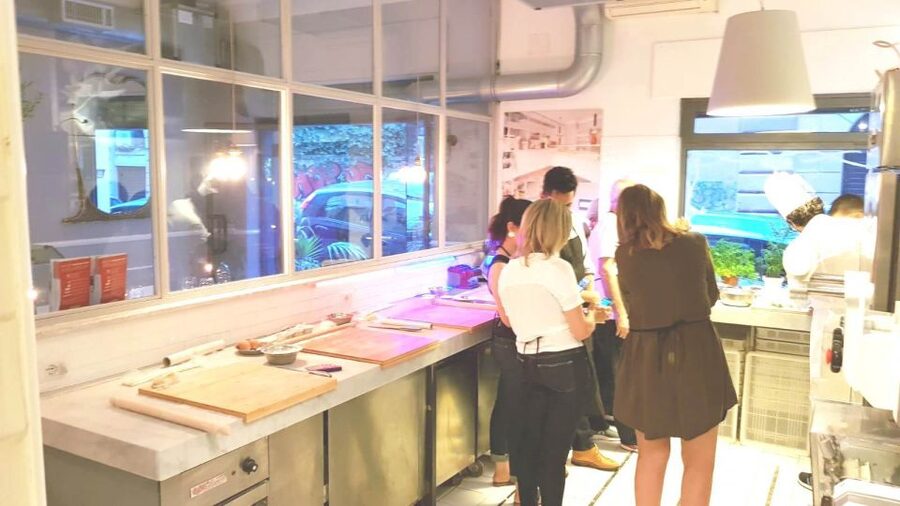
The class begins at Pastificio Faini, 13 Via dei Latini, Roma 00185, and it ends back there. That location choice matters more than it sounds. A pastificio is designed around flour, dough handling, and the rhythm of production. You feel that when you walk in.
You start with a welcome drink and a quick explanation of safe cutting procedures. This is not the stuffy kind of briefing. It is practical, and it sets you up to work confidently with tools as you prep fillings and portion dough. The class stays structured so you know what’s happening next, and the small group size helps your questions land fast instead of being delayed.
Meeting point note: arrive a few minutes early. With a lab setting, you’ll get better value if you’re ready to roll (literally) when your station is set.
You can also read our reviews of more tours and experiences in Rome.
Three grains and one technique: rolling pasta by hand
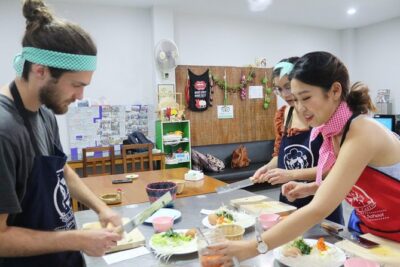
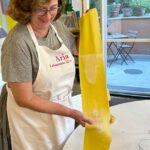
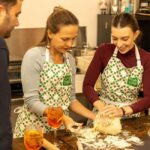
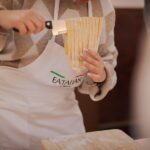
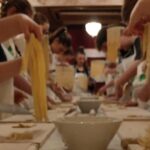
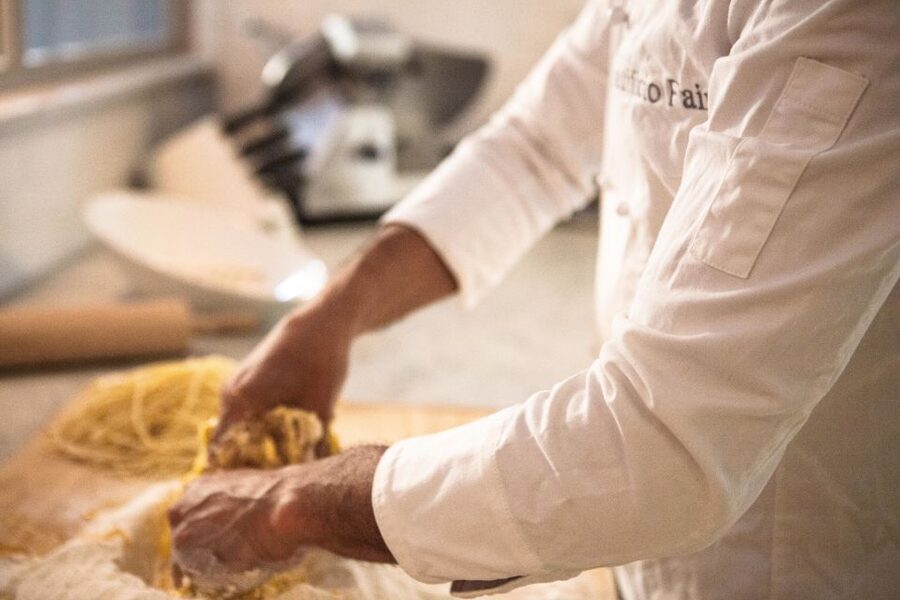
This is a true hands-on pasta class. Chef Angelo and the team explain the steps, then you do the steps. You make thin sheets of dough and learn how to work the dough so it feels elastic and workable. Several details stand out here.
First, you’re making pasta with three different kinds of grains, not one default flour blend. The class introduces:
- ancient Triticum Monococcum, described as the first cereal cultivated by humans around 7500 BC
- Senatore Cappelli, a variety selected in 1915 and later rediscovered after disappearing
- Grano Saraceno (buckwheat) flour for gluten-free pasta
Second, you learn the texture cues. You’re not just copying shapes; you’re learning how the dough behaves. That is what you need if you want to recreate it later at home when your kitchen is warmer, drier, or more humid than Rome.
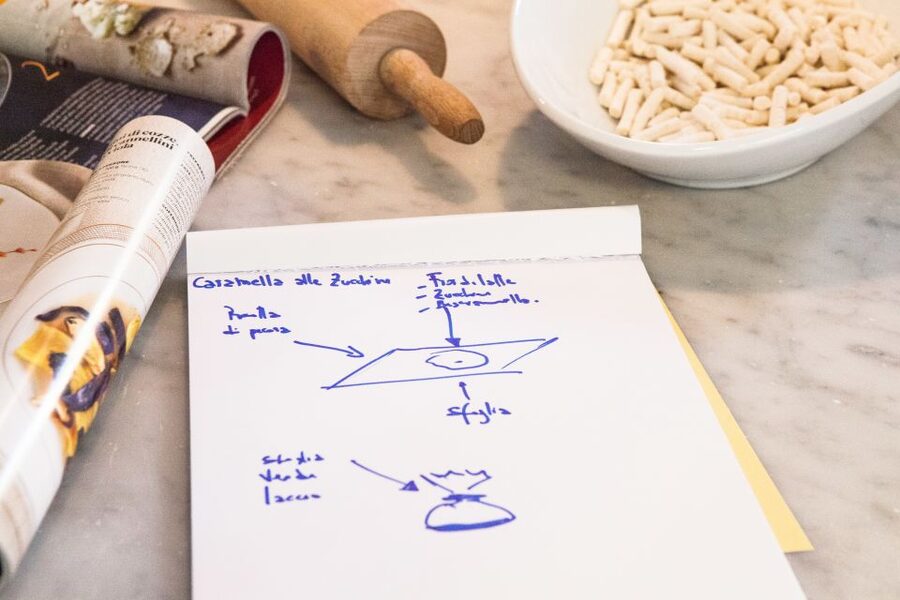
And yes, this class emphasizes traditional methods. One review notes that rolling uses a rolling pin rather than relying on a pasta machine. Whether you’re brand new or you’ve tried pasta before, the rolling-pin focus can make a big difference. It teaches you a skill, not a workaround.
Ravioli shaping and Roman sauce styles you can recreate
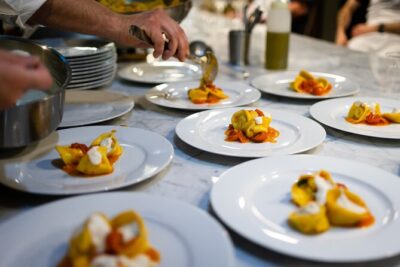
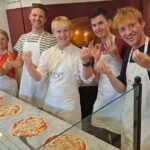
After dough work, you move into shaping and filling. You create three types of ravioli, and you’ll also learn how to make the fillings that go inside. Ravioli is where the class becomes memorable because it forces you to slow down and get the edges right. When you get it right, the pasta seals, cooks evenly, and the filling stays where it belongs.
Then comes the Roman sauce part. You’ll discover a typical Roman sauce path such as carbonara, cacio e pepe, or gricia style. These are the sauces people talk about for a reason. They also give you building blocks for home cooking:
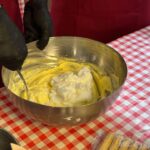
- carbonara-style sauce teaches balance with egg and cheese-based richness
- cacio e pepe teaches how to handle cheese and pepper so it becomes sauce, not just topping
- gricia sits close to that family, and it helps you understand the flavor logic
You’ll taste what you make while sipping Italian wine, and that timing helps. If you taste immediately, you connect the final flavor to the specific step you performed. That connection is why this kind of class sticks after the trip ends.
One more smart detail: you’ll be able to recreate the dishes at home. The class includes recipes and gives you ingredient and equipment guidance, so you’re not left with a memory and a vague wish to try again.
Thursday gnocchi variant: what changes and what doesn’t
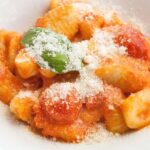
If you book on a Thursday, the class includes a different element. On Thursdays, you will make homemade Italian gnocchi with fresh potatoes. That’s a fun upgrade because potato gnocchi can be forgiving in a way fresh pasta dough isn’t. You’ll get a second Italian technique, not just another version of the same process.
What does not change is the overall format: the lab setting, the hands-on structure, and the sit-down meal feel at the end. You should still expect a paced schedule so everyone finishes in time.
If you have to pick one day, think about what you want to bring home. If your goal is the pasta-making skill set, any day works well. If you crave potato gnocchi specifically, book a Thursday.
Gluten-free and vegan pasta options that still feel like the main event
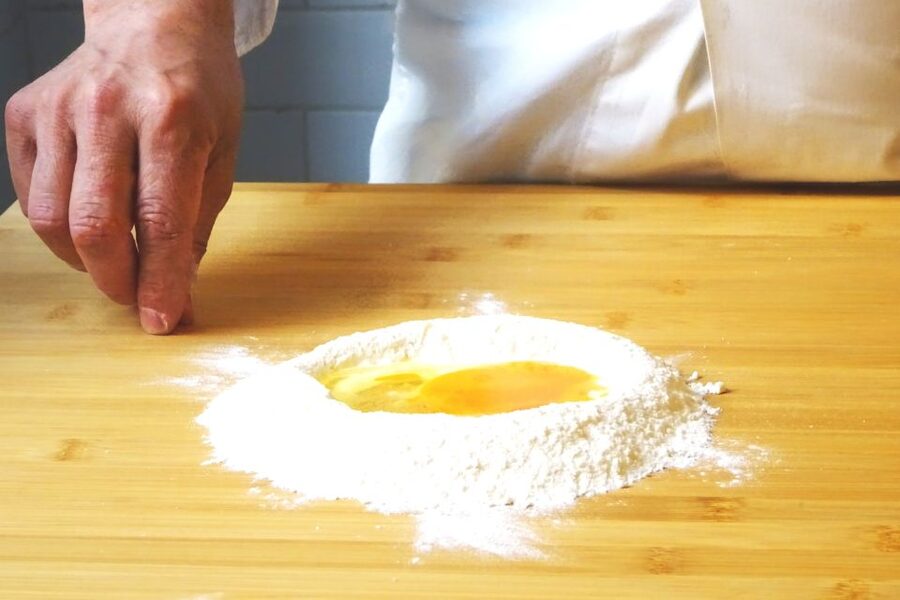
A lot of classes promise gluten-free. Fewer plan it properly. This one does, and it is built into the flour approach. The class uses Grano Saraceno (buckwheat) flour for gluten-free participants, so you aren’t just doing a substitute dough and calling it a day.
You’re also making one type of pasta without egg, which is vegan. That matters because egg is common in pasta dough, even when recipes vary. Here, you learn an egg-free path and you still end up with pasta and sauce to taste.
For you, the practical takeaway is this: tell the instructors your dietary needs in advance. The class advises you to do exactly that, and it helps them set up ingredients and timing so you can participate fully. One review also highlights that a coeliac participant was taught to make their own gluten-free pasta, which is the sort of detail that signals the planning isn’t an afterthought.

The tasting and wine portion: the meal isn’t just a reward
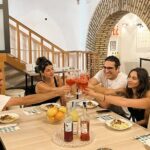
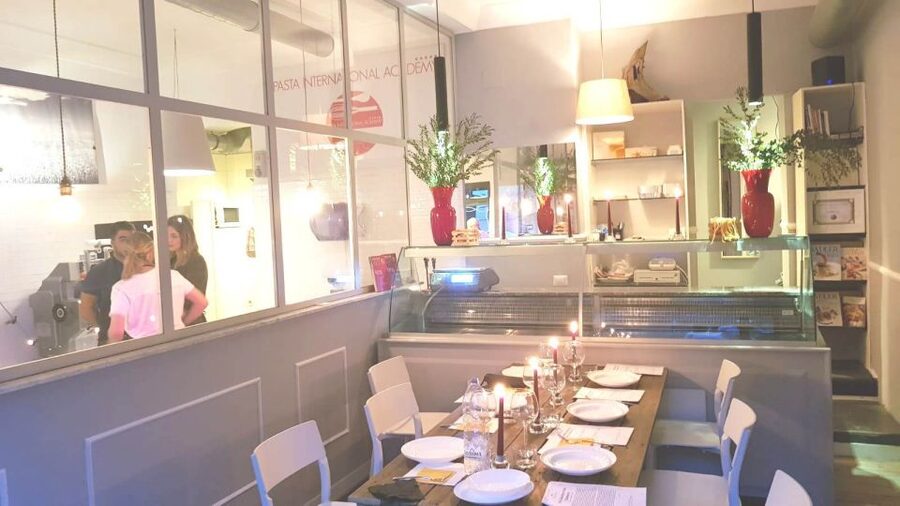
The class doesn’t treat eating as an afterthought. You taste all of the pasta and sauces you’ve made while sipping Italian wine and water. That wine pairing is included, and it turns the last part of the class into a proper meal with the people you cooked with.
One small detail I appreciate: after your knife exercises and the safe cutting briefing, the pacing allows you to relax. You’re not rushed into eating right away, but you also aren’t left waiting too long for the final table.
You sit down together, and the atmosphere shifts into a more conversational mode. Several reviews mention the hosts being funny and warm, which matters because pasta-making can be fiddly at first. When the room feels good, your hands learn faster.
Also, you get recipes. That makes the meal more than delicious. It becomes your post-trip plan. You can recreate the sauces you tasted and the ravioli you shaped, rather than guessing later.
What you actually get: chef hat, recipes, and the tools mindset
The class includes a few items that make it feel real, not staged:
- a professional branded chef hat and apron signed by the chef
- recipes
- ingredients and equipment to make pasta and sauces
- wine and water
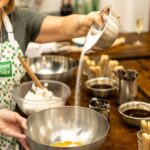
Those last two points are huge value. Learning pasta is partly technique and partly logistics. If you have to source hard-to-find ingredients or borrow equipment on day one, the lesson loses momentum. Here, you start with what you need in front of you.
And the equipment included means you can focus on hand skills: rolling, cutting, sealing, and shaping. That’s how you build confidence for cooking at home.
If you’re a beginner, you’ll likely appreciate the step-by-step pace. If you’ve cooked before, you’ll probably enjoy the coaching on texture and dough behavior.
Price and logistics: is $66.84 worth 3 hours in a pastificio?
The price is $66.84 per person for a 3-hour class (starting times depend on availability). That isn’t the cheapest pasta class in Rome. It is also not trying to compete with the lowest-cost option, and honestly, the setting explains why.
You’re paying for a professional pastificio environment, small group size (up to 9 participants), and real ingredients plus wine and water. You’re also paying for instruction that includes technique coaching, recipes, and the chance to taste what you made in the same session.
Here’s how I judge value for this kind of class:
- If you only want a snack and a quick demo, this likely feels expensive.
- If you want to leave with a skill set you can repeat, plus recipes and a meal, it starts to look like a smart use of your time and money.
Also, it’s a good buy if you’re traveling with dietary needs. The class explicitly supports gluten-free pasta and provides an egg-free vegan pasta option.
For logistics, remember: no pets are allowed. Also, the instructor is offered in English and Italian, and the class is designed for a small group, so plan on being engaged for the full 3 hours.
Who should book this pasta laboratory class
This experience fits best if you want:
- hands-on cooking in a real Italian pastificio
- instruction that helps you replicate pasta at home
- variety beyond one pasta shape, since you’ll make thin sheets and three types of ravioli, plus Roman sauce styles
- a class that can handle gluten-free needs with buckwheat flour
- a group setting where you cook, then sit down and eat together with wine
It’s especially appealing if you love Rome food culture and want to do something more grounded than a photo-only tour. If you’re celebrating, it’s a fun shared activity. If you’re a solo traveler, small group size can still feel welcoming because you’ll be working side by side and then eating together.
If you’re the type who hates mess or hates instructions, you might want to consider a cooking class with more demonstration. But if you like using your hands, this is the right kind of challenge.
Should you book this Rome pasta laboratory class?
Yes, if your goal is skill, not spectacle. This class is priced around real instruction in a professional lab, and the menu and structure support that: dough work with three grains, ravioli shaping, Roman sauces, and a sit-down tasting with wine.
I’d pass or rethink only if you:
- want a mostly passive experience
- are short on time and can’t spare the full 3 hours
- need a highly specialized accommodation beyond what’s stated for gluten-free and egg-free vegan options
If those don’t apply, booking is an easy call. You’ll leave with recipes, the confidence to roll and shape, and the taste of sauces you can recreate long after you head home.
FAQ
How long is the Rome pasta cooking class?
The class lasts 3 hours.
What is the group size?
It’s limited to a small group with a maximum of 9 participants.
Where do I meet for the class?
You meet at Pastificio Faini, 13 Via dei Latini, Roma 00185. The activity ends back at the meeting point.
What pasta and sauces will we make?
You’ll make thin sheets of pasta dough, discover three types of ravioli, and make a typical Roman sauce such as carbonara, cacio e pepe, or gricia.
Does the class offer gluten-free pasta?
Yes. It caters for gluten-free participants, who will make pasta using buckwheat flour (Grano Saraceno).
Is there an egg-free or vegan pasta option?
Yes. You will make one type of pasta without egg, which is vegan.
Is wine included?
Yes. Wine and water are included, and you taste the pasta and sauces with the wine.
What languages are the instructors speaking?
The instructor is available in English and Italian.
Can I get a refund if my plans change?
There is free cancellation up to 24 hours in advance for a full refund.