REVIEW · ROME
Rome: Rooftop Cooking Class with Wine Tasting near Vatican
Book on GetYourGuide →Operated by Cook and Eat Rome · Bookable on GetYourGuide
A rooftop cooking class near the Vatican sounds like a fairytale, but it is practical and hands-on. You will work with Chef Alfons to make fresh fettuccine and a classic Roman tiramisù, then sit down to enjoy what you made with wine.
What I like most is the small-group feel (up to 8 people) and the way the class stays interactive, not showy. I also appreciate the focus on technique, from mixing and cutting pasta dough to building tiramisù the right way. One possible consideration: the activity is not suitable for wheelchair users, since it takes place in a private rooftop apartment setup.
In This Review
- Rooftop cooking, right by the Vatican
- What you will actually do (and eat)
- Key highlights you should care about
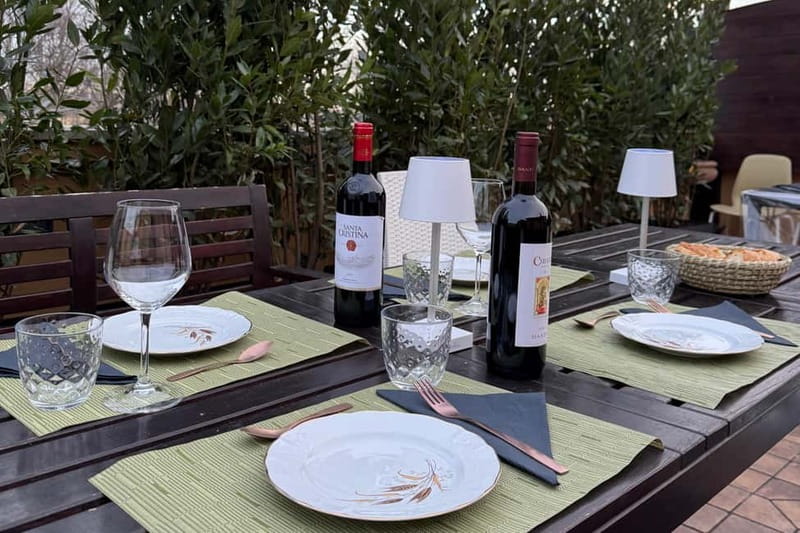
- The setting: a private rooftop apartment near the Vatican
- Chef Alfons and the hands-on format that makes it click
- Start with antipasto: bruschetta and olive oil
- Fresh fettuccine from scratch: dough, cutting, and sauce choices
- Traditional Roman tiramisù: the dessert lesson you will remember
- Wine tasting during the meal: 2 whites, 2 reds, 1 rosé, plus more
- Limoncello toast at the end
- The meal experience: eat what you cook, in a calm setting
- Recipes and a participation certificate: take the skill home
- Who this class is best for
- Price and value: $78.73 for 2.5 hours of food, wine, and teaching
- Logistics to plan around: time, luggage, and meeting point
- Weather and last-minute changes
- Should you book this Rome rooftop cooking class?
- FAQ
- How long is the Rome rooftop cooking class?
- Is the instructor teaching in English?
- How many people are in the group?
- What drinks are included?
- What happens during the class?
- Are dietary restrictions handled?
Rooftop cooking, right by the Vatican
If you want Rome without the usual tour rhythm, this class is a great switch. You trade walking shoes for kitchen shoes and spend a couple of hours learning how two Italian staples are built from scratch.
What you will actually do (and eat)
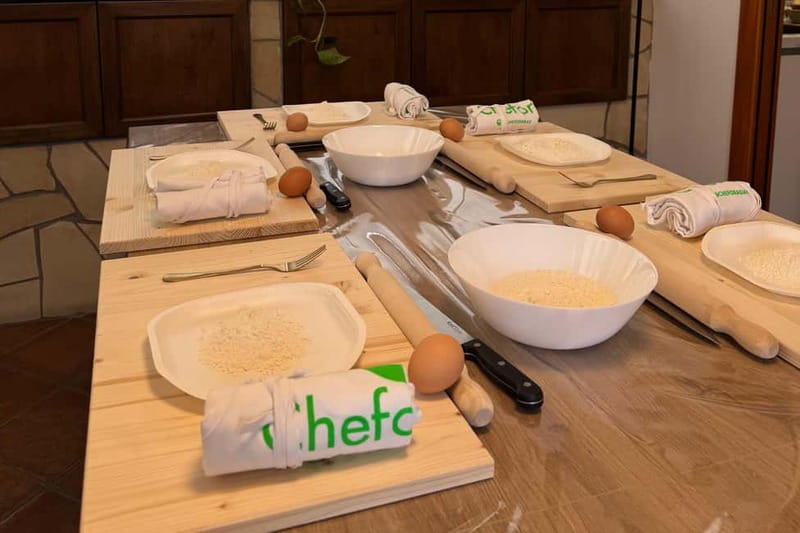
This is a structured 2.5-hour workshop with clear steps, enough guidance to follow along even if you have never rolled pasta dough before, and then a proper meal at the end. You start with antipasto, move into pasta and sauce, then finish with tiramisù, plus tastings along the way.
You can also read our reviews of more tours and experiences in Rome.

Key highlights you should care about
- Small group of 8 means you get real attention while you cook.
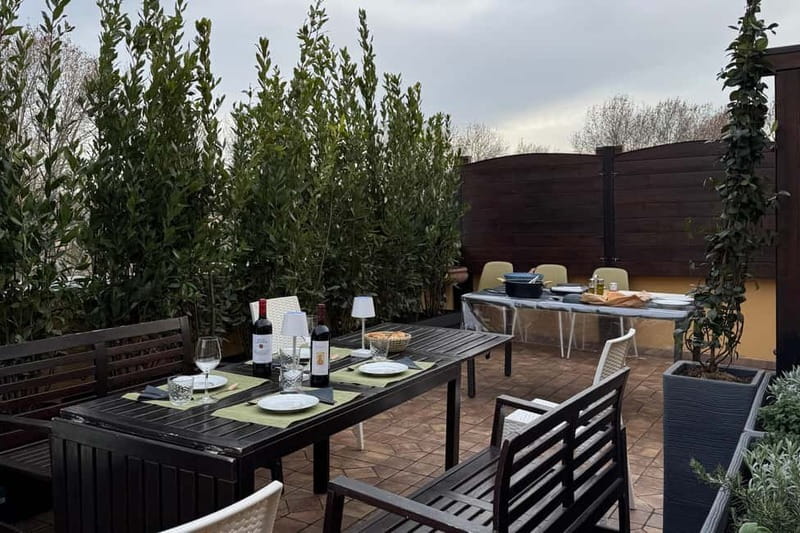
- Rooftop private apartment near the Vatican makes the meal feel special without being a tourist trap.
- Hands-on fresh fettuccine with classic Roman sauces helps you learn the why, not just the what.
- Traditional tiramisù techniques so your dessert is more than a generic coffee cream thing.
- Wine tasting and limoncello toast turn your cooking into a full, drink-paired experience.
- Recipes and a participation certificate give you something to take home besides photos.
The setting: a private rooftop apartment near the Vatican
One of the nicest parts of this experience is where it happens. Instead of cooking in a generic classroom, you are in a private rooftop apartment near the Vatican area, which gives the session a calmer, more local feeling than you might expect in central Rome.
The vibe is intimate. You cook and dine on-site, so you are not shuttling around the city between steps. That matters because it keeps the class on a steady rhythm, and you can actually focus on the pasta and dessert instead of transit.
Chef Alfons and the hands-on format that makes it click
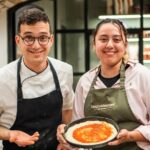
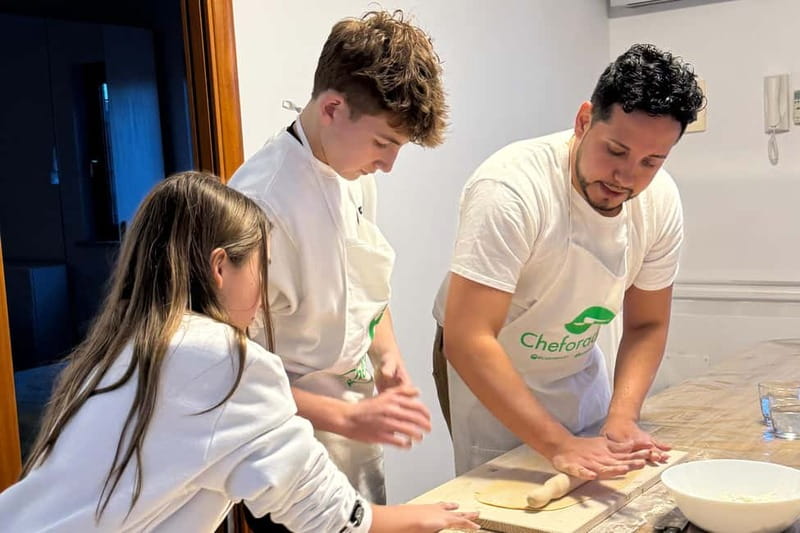
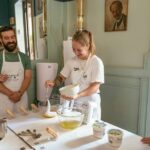
The instructor is English-speaking, and the class is built around direct coaching. Chef Alfons is specifically called out for being patient and well organized, which is a big deal when you are working with dough and eggs and timing things like tiramisù.
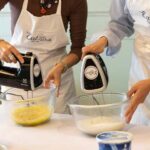
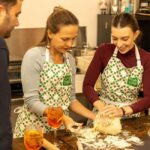
You should expect step-by-step guidance while you are doing the work. This isn’t just watching someone else assemble your meal. If you like activities where you leave with a skill, you will appreciate how the lesson connects technique to results.
Start with antipasto: bruschetta and olive oil
You begin with an authentic Roman starter: bruschetta drizzled with extra virgin olive oil from a local farm. It is simple, but that is the point. Italy often tastes best when the ingredients are treated respectfully, and olive oil is one of those flavors that instantly tells you whether the quality is there.
Practically, this also acts as a gentle warm-up. You get a break from thinking about cooking and tasting while the chef sets the tone for the afternoon. It is also a nice way to pace yourself before the pasta part, which asks you to get hands-on.

Fresh fettuccine from scratch: dough, cutting, and sauce choices
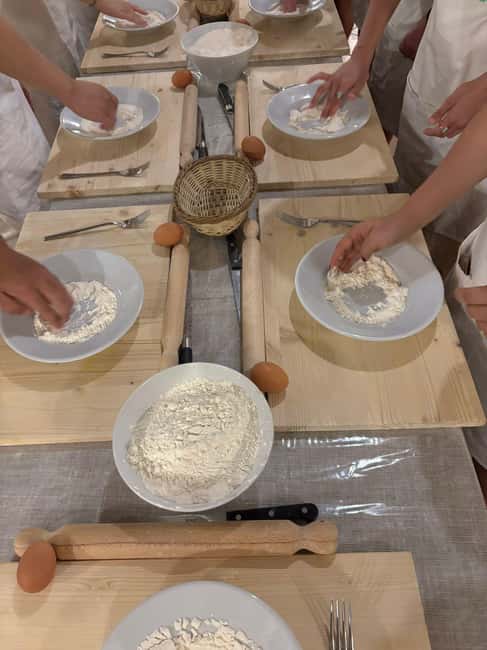
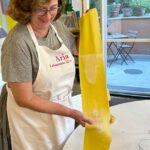
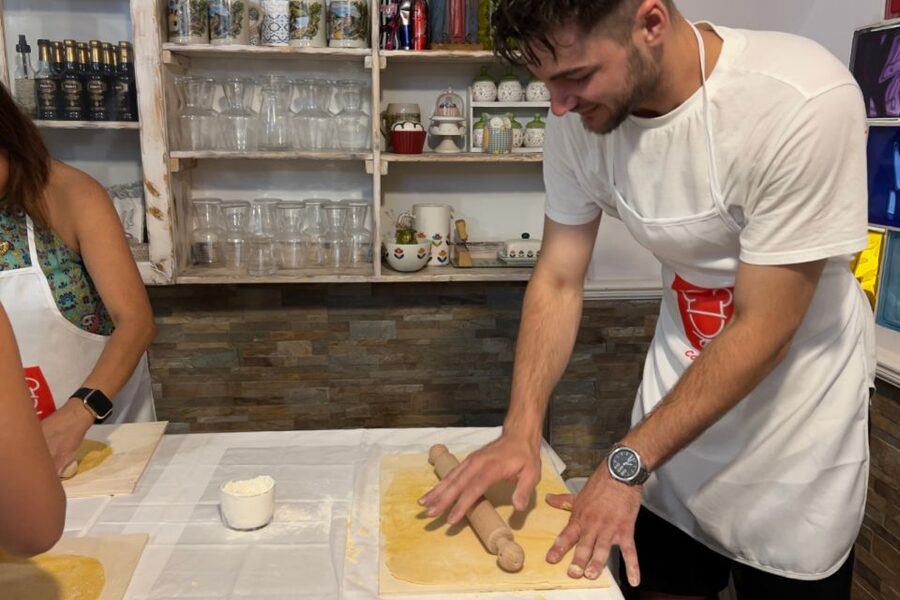
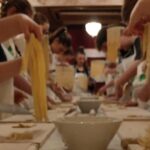
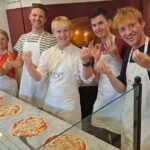
Then you move into the main event: making fresh fettuccine. You will learn how to form the pasta dough and how to work it into usable sheets and shapes. A key point you will hear during the process is that you should handle the dough gently, since overworking it changes texture.
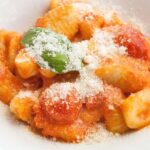
You are not stuck with one sauce. You learn classic Italian sauces, and you get choices so your pasta meal matches your taste. In practice, this makes the class feel flexible while still staying anchored in Roman-style cooking.
Why this part is worth your time: dried pasta is good, but it never teaches you what changes when flour meets moisture. Fresh pasta is a mini lesson in feel—how dough behaves, how it stretches, and how sauce clings when the shape and thickness are right.
Traditional Roman tiramisù: the dessert lesson you will remember
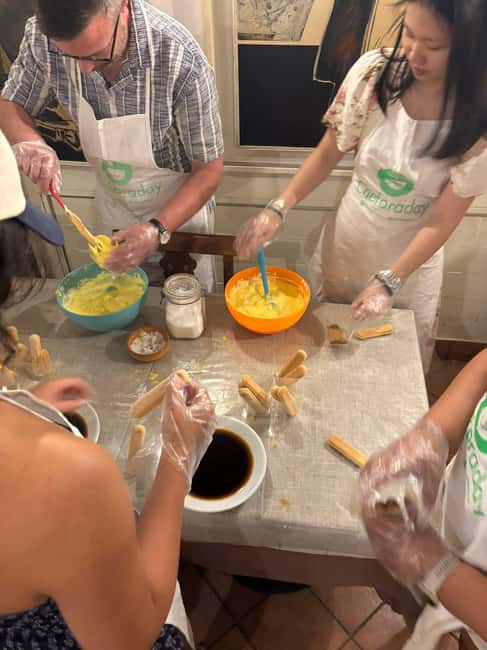
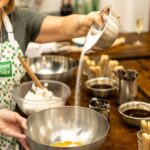
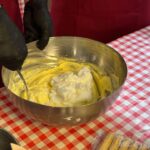
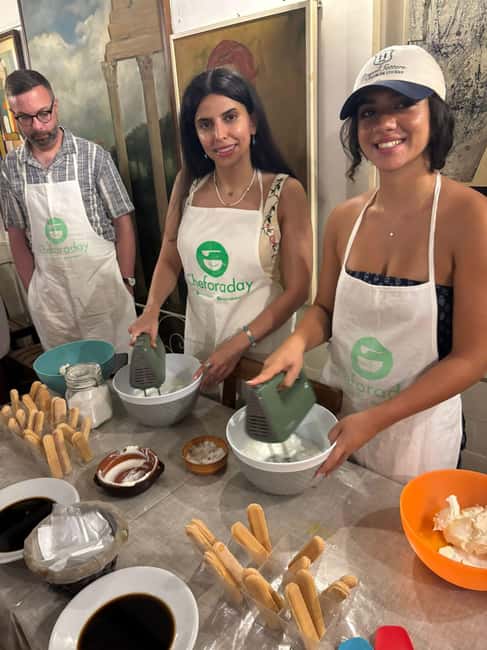
Next comes traditional tiramisù, made with authentic techniques. Tiramisù can look easy until you try to build it correctly. You are learning the method, the layering idea, and the basics that keep it tasting like the real thing.
Timing can matter with tiramisù because it needs a chance to set. The class builds dessert as part of the workshop flow, and you should expect to do the preparation rather than simply assemble a pre-made kit.
This is also where the class earns strong marks. People consistently mention how clear and well guided the process is, and how the end result tastes better than they expected from simple ingredients.
Wine tasting during the meal: 2 whites, 2 reds, 1 rosé, plus more
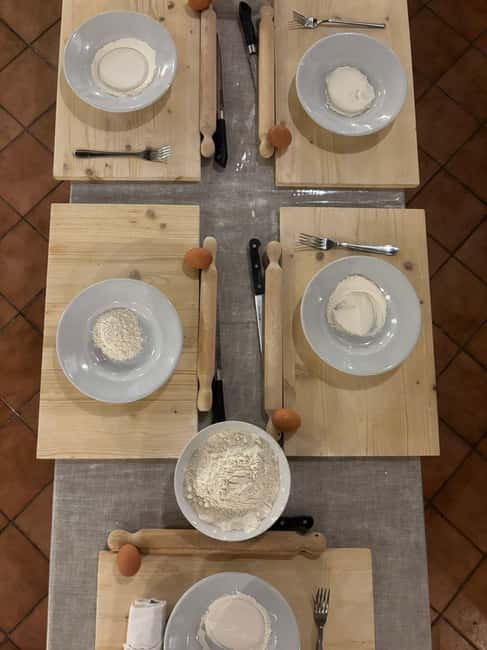
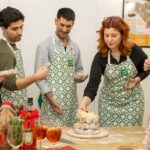
A big reason this class feels like more than a cooking demo is the drink pairing. You will enjoy wine tasting with a selection that includes two white wines, two red wines, and one rosé, plus a traditional Roman wine while you cook and eat.
The class approach matters: you taste as part of the meal flow, not as a separate event. That turns the afternoon into something closer to a local dinner where food and wine are planned together.
If wine is your thing, this is a solid add-on value. You are paying for instruction and ingredients, but you also get a tasting flight included, which would cost extra if you tried to recreate it on your own.
Limoncello toast at the end
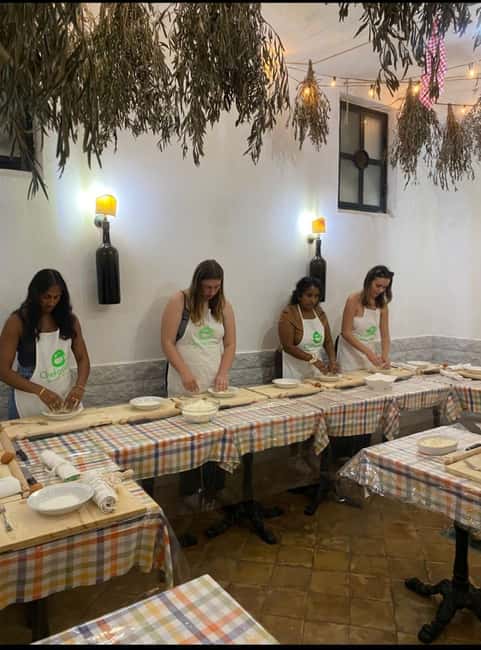
After the main meal, you get a limoncello toast as a refreshing finish. This is a straightforward, celebratory touch that feels very Roman and ties the whole experience together.
You might think you just came to learn pasta and dessert, but the limoncello moment is what makes the session feel complete. It is the final punctuation after you have done the work and then enjoyed the results.
The meal experience: eat what you cook, in a calm setting
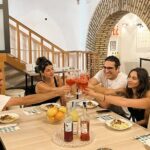
You do not just take notes and leave. You sit down and eat your pasta and tiramisù as part of the experience, restaurant-style. That is important for two reasons.
First, it helps you connect technique to flavor immediately. Second, it keeps the class from dragging. A workshop that ends with a proper sit-down meal usually turns into a trip highlight.
Recipes and a participation certificate: take the skill home
You receive recipes so you can recreate what you made at home. This turns the class into something that keeps giving after you return to your hotel.
There is also a certificate of participation, which sounds small, but it is a nice touch for a hands-on activity. Think of it as a souvenir that reflects what you actually did, not just where you stood.
Who this class is best for
This works especially well if you want an experience that is both social and structured. The small-group limit of 8 is a sweet spot: big enough to feel lively, small enough that the chef can correct what you are doing.
It is also a strong choice for families. The feedback around the chef being patient with kids suggests this is not just for adults with perfect kitchen confidence.
If you are short on time and want one standout activity that gives you both learning and a meal, this is the kind of booking that can justify itself in one sitting.
Price and value: $78.73 for 2.5 hours of food, wine, and teaching
At $78.73 per person for about 2.5 hours, you are paying for more than ingredients. You are buying expert guidance, equipment and supplies, the full meal you make, a structured wine tasting, and the limoncello toast, plus take-home recipes.
In Rome, cooking classes that include tasting and sit-down dining usually price higher, especially when they are in a more intimate setting and not an assembly line. Here, the included items make the cost feel more balanced than a simple hands-on appetizer class.
If you like value, this is a smart match: you get instruction plus a night-out-style finish without needing to plan dinner separately.
Logistics to plan around: time, luggage, and meeting point
The class lasts 2.5 hours, so build your day around it. Arrive at least 15 minutes early. If you are late, you might not be accepted, and you could need to reschedule.
When you arrive, wait outside the building. Staff meet you and bring you in. Also note what you bring: oversize luggage, strollers, and large bags are not allowed. Keep it light, and you will have a smoother arrival.
And again, the big practical flag: it is not suitable for wheelchair users.
Weather and last-minute changes
Rooftop experiences can be weather-dependent. If conditions are bad, the plan is to reschedule to the next available date. If rescheduling is not possible, you receive a full refund.
So if Rome weather is part of your anxiety, this is at least a manageable risk, since the operator plans a fallback.
Should you book this Rome rooftop cooking class?
Book it if you want a real skill you can repeat: fresh pasta techniques and traditional tiramisù. The small group and the coaching style matter, and the fact that you eat what you cook makes it feel like a proper meal, not a demo.
Skip it if wheelchair accessibility is required, or if you strongly prefer to watch rather than work. This experience is designed for hands-on cooking, so you should go with the mindset that your hands will be busy.
If you are trying to balance Rome sightseeing with one memorable food activity, this is an efficient pick: you learn, you dine, and you leave with recipes for next time.
FAQ
How long is the Rome rooftop cooking class?
The class runs for about 2.5 hours.
Is the instructor teaching in English?
Yes, the instructor speaks English.
How many people are in the group?
The group is limited to a small size, with a maximum of 8 participants.
What drinks are included?
You get a wine tasting with two white wines, two red wines, one rosé, plus a traditional Roman wine. You also get a limoncello toast.
What happens during the class?
You start with an antipasto bruschetta with olive oil, then make fresh fettuccine and classic sauces, and you learn to prepare traditional tiramisù. You finish by enjoying your meal along with the tastings.
Are dietary restrictions handled?
You can bring dietary needs to the operator in advance. Let them know about dietary restrictions and allergies before you attend.