REVIEW · KYOTO
Kyoto Wagashi(Japanese sweets) Cooking Class near Fushimiinari
Book on Viator →Operated by Japanese cooking class & walking tour · Bookable on Viator
Wagashi can feel like Kyoto magic. This class gives you the best kind of tourism: you get treated like you’ve been invited over for tea in a traditional Japanese house, not herded through a factory. I love the small group size (max 6) and the laid-back tea-room atmosphere, and you’ll finish with sweets you can actually make again. One thing to plan for: the meeting point is in Fushimi Ward, so you’ll want to budget a little extra transit time.
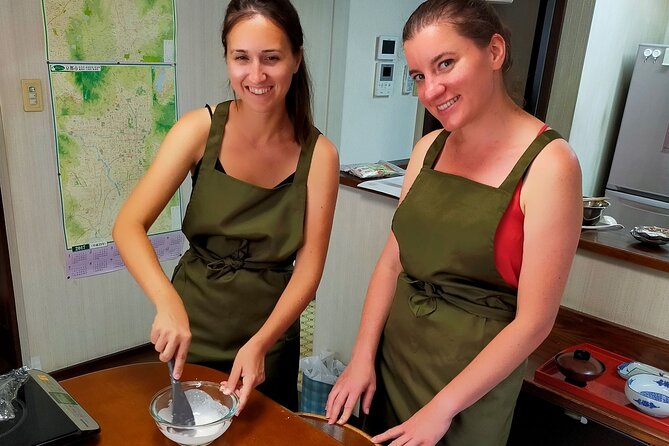
You’ll also love the hands-on pace. You’ll cook about 3 popular wagashi with guidance, then sit down with a cup of macha in those very Japanese rooms with a garden view. The class is taught entirely in English, which matters if you don’t want language stress while your hands are busy.
Dietary needs are handled thoughtfully. Vegetarians and vegans are welcome, and you’ll also get the recipes for the desserts you make, plus all ingredients and seasonings for the session. If you’re coming with dietary restrictions, tell the organizer in advance so they can set you up well.
In This Review
- Key things that make this wagashi class worth your time
- An authentic wagashi house near Fushimiinari (with a real garden-view break)
- Your wagashi trio: what you’ll cook and why the techniques matter
- English-friendly coaching from licensed guide interpreters (and Miho’s teaching style)
- The matcha break: sitting down to eat what you made (in a room with rules)
- Price and value: is $79.26 fair for a 2.5-hour wagashi lesson?
- Who should book this Kyoto wagashi class (and who might skip it)
- Should you book it? My quick call
- FAQ
- Where is the class meeting point?
- How long is the cooking class?
- What is the maximum group size?
- Is the class taught in English?
- Can vegetarians or vegans join?
- What will I make during the class?
- Are ingredients included?
- Is tea or coffee included?
- Is hotel pick-up or drop-off included?
Key things that make this wagashi class worth your time
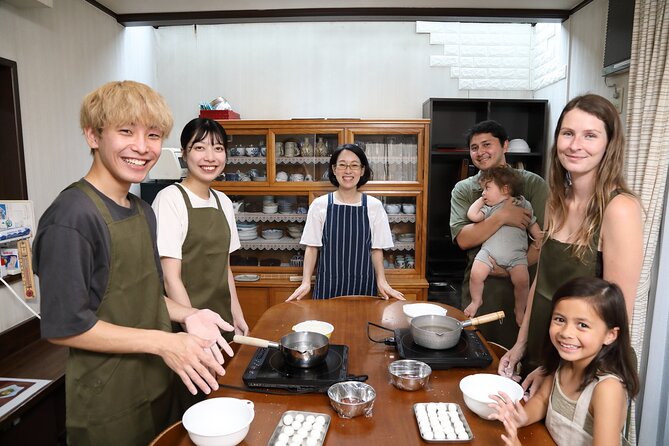
- Max 6 people means more attention and less standing around
- Traditional Japanese-room setting with time to relax and eat together
- Make about 3 wagashi instead of watching a demo only
- English instruction from licensed guide interpreters
- Recipes included, so the experience doesn’t end when you leave
An authentic wagashi house near Fushimiinari (with a real garden-view break)
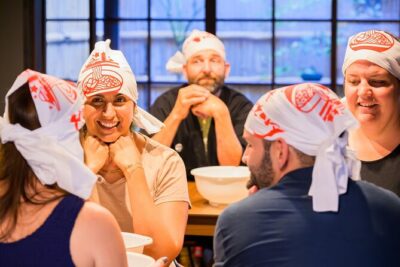
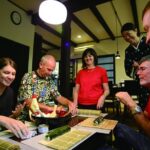
This isn’t a big cooking-school setup. The experience happens in an authentic Japanese-style house, and the flow matches the setting. You start by settling into a traditional room, the kind where you naturally slow down. It’s designed to feel friendly, almost like you dropped by a friend’s home for tea—except you also learn how to make Japanese sweets.
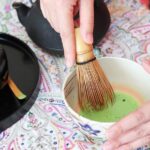
Then comes the part that can make or break classes like this: you’re not just cooking and rushing. You sit together and enjoy what you made, with a cup of macha. The garden view adds a calm layer that fits wagashi perfectly. Japanese sweets are meant for seasons, timing, and presentation, not just taste. Sitting in the room gives you that context in a simple, non-preachy way.
Practical detail that you’ll appreciate: you’ll use a mobile ticket, and you start and end at the same meeting point (so you don’t worry about getting lost in the middle of your own day).
You can also read our reviews of more tours and experiences in Kyoto.
Your wagashi trio: what you’ll cook and why the techniques matter
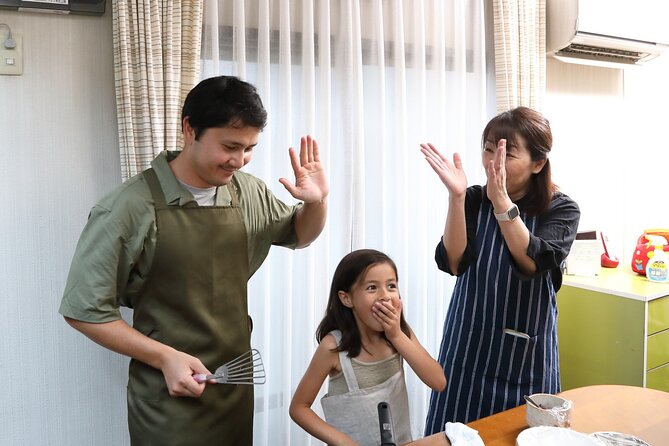
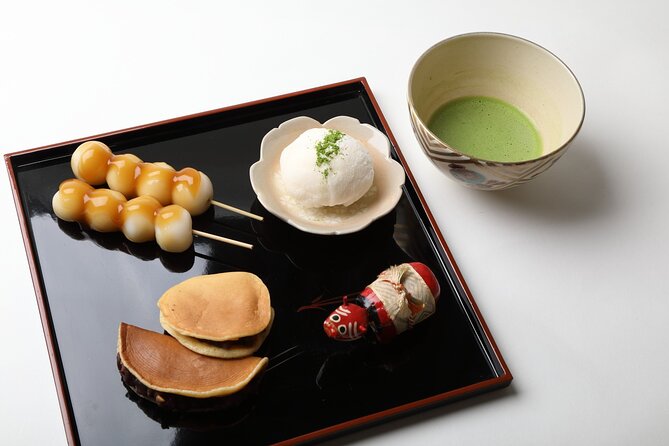
The class is built around preparing about three different types of wagashi. You might recognize these from Japanese anime and manga vibes, but the goal here is more useful than pop-culture names. It’s the steps and techniques that help you understand why wagashi tastes the way it does and why it looks the way it does.
You can expect this structure:
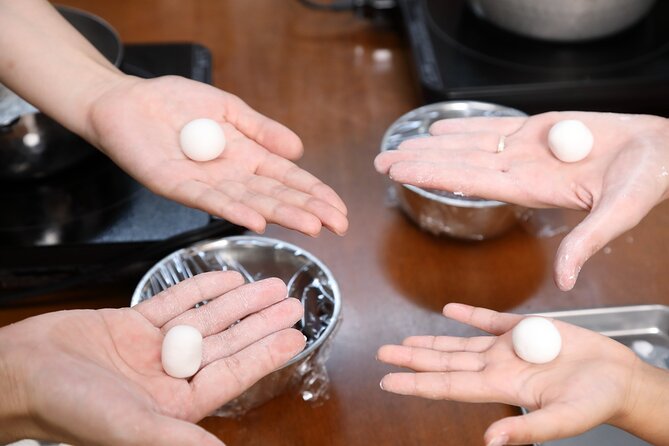
- An instructor demonstrates key steps first, so you’re not guessing while you’re holding hot or sticky ingredients.
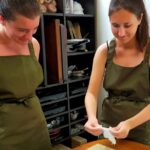
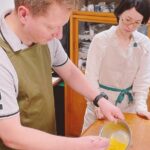
- Then you prepare the wagashi yourself (with your partner, if you have one, or with the group setup).
- Finally, you eat what you made together, with macha.
Even better, the instructor doesn’t just hand-wave. In a well-run class, you notice small process differences—how you handle texture, timing, and shaping. That’s where wagashi becomes more than dessert. You learn why a chew-y bite works one way, why a syrup-style sweet needs a certain approach, and how flavors are balanced for sweetness that doesn’t feel heavy.
From what you’ll actually see people get excited about, there are a couple standout items connected to this class style:
- Black sesame sweets, including mochi-style results, can be a big wow factor. One common reaction: people end up obsessed after they taste it and realize it’s not just a flavor idea—it’s a whole different texture experience.
- Mitarashi dango is another one tied to the class vibe. It’s a great gateway sweet because it’s familiar in concept (savory-sweet glaze), but the real lesson is how the process changes the final bite.
You won’t just leave with photos. Because you get the recipes, you can repeat the steps at home instead of treating the class like a one-time event.
English-friendly coaching from licensed guide interpreters (and Miho’s teaching style)
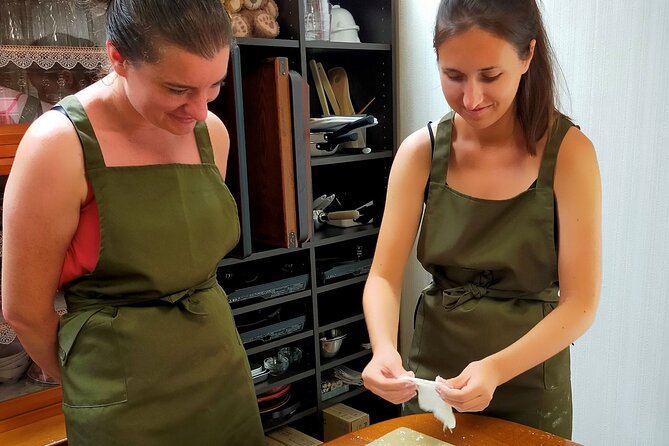
If you’ve ever taken a class in a country where language control is chaotic, you’ll be glad this one is straightforward. The session is conducted entirely in English. The instructors are licensed guide interpreters, so the information is clear and structured, not translated in a messy way while everyone gets frustrated.
A big practical win: you’re learning while your hands are busy. When the directions are clear, you waste less time correcting mistakes. That matters more in wagashi than in many Western-style desserts, because textures and shaping steps can be unforgiving if you’re confused.
The tone of the class is also consistently described as friendly and relaxed, not stiff or performance-based. Miho is the name that shows up often, and the class approach seems to combine organization with warmth. People mention that the session stays fun even when the kitchen goes off-script at first. In fact, one of the best signs for this kind of class is when beginners feel comfortable enough to laugh at minor mishaps—then still end up with real results.
If you’re a solo traveler: you’re not just dropped in a corner. The group is small, and the setup encourages participation. If you’re bringing teenagers, this format also tends to land well because it’s active, not passive, and you still get a real outcome to eat.
The matcha break: sitting down to eat what you made (in a room with rules)
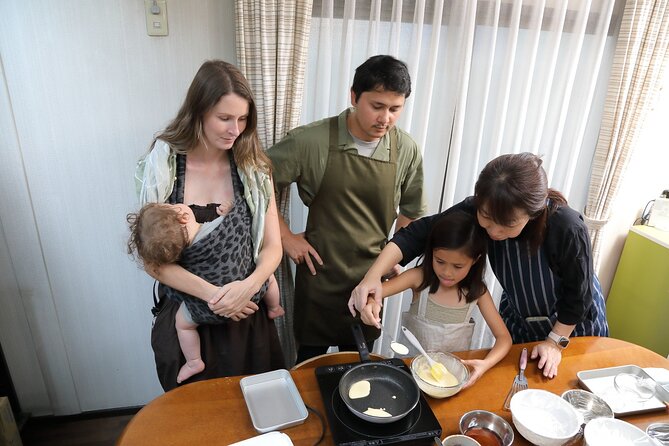
One reason cooking classes sometimes disappoint is the “eat” part feels like an afterthought—paper plates, rushed bites, and no time to enjoy. Here, the sitting-down portion is built into the schedule. After you cook, you and the rest of the group sit together and enjoy the sweets with a cup of macha in the traditional room.
This matters more than it sounds. In wagashi, the sensory experience is part of the lesson. Taste, texture, and sweetness balance are best understood while you’re relaxed. The macha pairing also gives you a counterpoint: grassy bitterness and aroma that helps wagashi sweetness feel lighter, not cloying.
You’ll also notice the social side. Small group classes usually create better conversation because you’re not competing with 20 other people for attention. Even if you speak little Japanese, you can share the basics: how the texture turned out, which step felt tricky, and what you liked most after the first bite.
Price and value: is $79.26 fair for a 2.5-hour wagashi lesson?
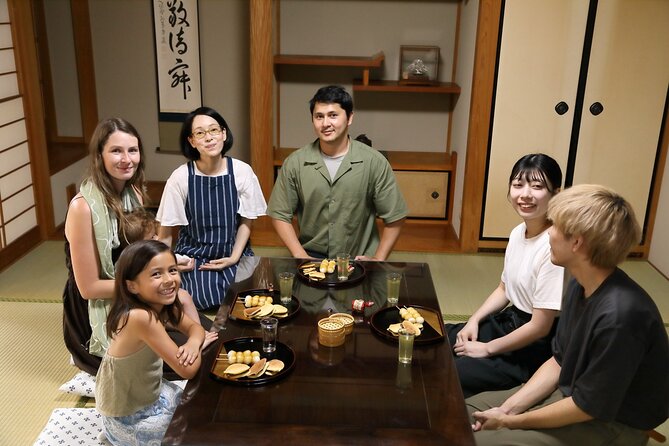
At $79.26 per person, this class sits in the mid-range for hands-on cooking experiences in Kyoto. But the value isn’t only about the ingredients. What you’re paying for is the blend of:
- A small group (max 6), which generally means more instructor time
- All seasonings and ingredients, so you don’t need to buy anything extra
- English instruction from licensed interpreters, which reduces confusion and wasted effort
- Recipes included, so you can reproduce the sweets afterward
- Tea or coffee served as part of the experience
Also, the duration is listed at about 2 hours 30 minutes, which is a sweet spot. Long enough for real learning, not so long you feel stuck in a kitchen all day.
The main trade-off is logistical: there’s no hotel pick-up, so you’ll use public transit to get to the meeting point near Fushimi Ward. If you’re staying in more central Kyoto, factor in travel time and walking. Once you’re there, though, the class setup seems designed for comfort and clarity—space that’s clean and easy to find is exactly what you want when you’re focused on cooking.
Overall, if you value hands-on learning and want the recipes to take home, this looks like fair pricing. If you only want a quick taste with no intent to cook again, you might question whether the class format matches your goal. But for learning wagashi, the structure supports that goal.

Who should book this Kyoto wagashi class (and who might skip it)
This is a strong fit if you:
- Want an authentic Japanese house experience, not just a cooking demo
- Like structured learning where someone explains steps before you start cooking
- Need an English-only class with clear guidance
- Want something fun that works well for mixed ages, including teenagers
- Care about repeatable results, because you leave with recipes
- Have dietary restrictions, since vegetarians and vegans are welcome
It may be less ideal if:
- You hate traveling to neighborhoods beyond central tourist areas (the meeting point is in Fushimi Ward)
- You’re looking for a long walking tour focus. This is primarily a cooking class experience with a specific setting and meal-time finish, not a sightseeing marathon.
If your ideal Kyoto day includes Fushimiinari area roaming, this class can be a great next stop. You get something sensory and different from temples: sweet-making grounded in Japanese technique, served in a calm room that feels worlds away from the crowds.
Should you book it? My quick call
Book it if you want real hands-on wagashi, guided clearly in English, in a small group setting where you’ll also get to enjoy macha afterward. The fact that you get recipes is the biggest reason I’d lean toward booking; you’re not just paying for the moment, you’re buying the ability to make it again.
Skip or reconsider only if you’re unwilling to travel to the meeting point in Fushimi Ward or you prefer very low-effort experiences. Otherwise, this class offers a practical mix of craft, food, and a genuinely Japanese-feeling pause to enjoy what you made.
FAQ
Where is the class meeting point?
The meeting point is at 38-4 Fukakusa Watamorichō, Fushimi Ward, Kyoto, 612-0022, Japan.
How long is the cooking class?
The class lasts about 2 hours 30 minutes.
What is the maximum group size?
The class has a maximum of 6 travelers.
Is the class taught in English?
Yes. The class is conducted entirely in English.
Can vegetarians or vegans join?
Yes. Vegetarian guests are welcome, and the class is vegan friendly. Let them know in advance about dietary restrictions.
What will I make during the class?
You will prepare about 3 different types of wagashi (Japanese sweets), with instruction and then hands-on cooking.
Are ingredients included?
Yes. All seasonings and ingredients for cooking are included.
Is tea or coffee included?
Yes. Coffee and/or tea is included.
Is hotel pick-up or drop-off included?
No. Hotel pick-up and drop-off are not included, and the activity ends back at the meeting point.