REVIEW · ROME
Rome: Pizza and Tiramisù Cooking Class with Glass of Wine
Book on GetYourGuide →Operated by Eat and Walk Italy · Bookable on GetYourGuide
Pizza and tiramisù lessons in Rome feel like a cheat code. You get hands-on cooking with an English-speaking local chef, in an intimate group (up to 12), and instruction has included standout guides like Carlotta and Claudio in past sessions. The setup is fun and practical, and you’re not just watching—you’re working.
I especially like the two-part format: first you tackle tiramisù with a group activity and ingredient focus, then you make Roman-style pizza dough from scratch with flour and water. One thing to plan for: keep an extra early eye on check-in and the exact session you’re assigned to, because at least one group reported waiting after arriving late due to class mix-ups.
In This Review
- Key Takeaways Before You Book
- Pizza and Tiramisù in Rome: What You’re Actually Buying
- Arriving at Via Giuseppe Zanardelli 14: The Start That Sets the Tone
- Tiramisu Workshop: Cream, Technique, and Why Fresh Matters
- Making Roman-Style Pizza Dough With Flour and Water
- Eating What You Made: Wine, Limoncello, and a Real Finish
- Price and Value in Rome: Why It’s Not Just a Dinner
- Who This Class Suits Best (And Who Might Hesitate)
- Tips to Make the Most of Your 3 Hours
- Should You Book This Rome Pizza and Tiramisù Class?
- FAQ
- Is the class conducted in English?
- How long is the Rome pizza and tiramisù cooking class?
- What’s included in the meal and drinks?
- How big is the group?
- Where does the class start and end?
- What’s the cancellation policy and payment option?
Key Takeaways Before You Book
- Small-group attention (max 12): You’re close enough to ask questions and get feedback as you cook.
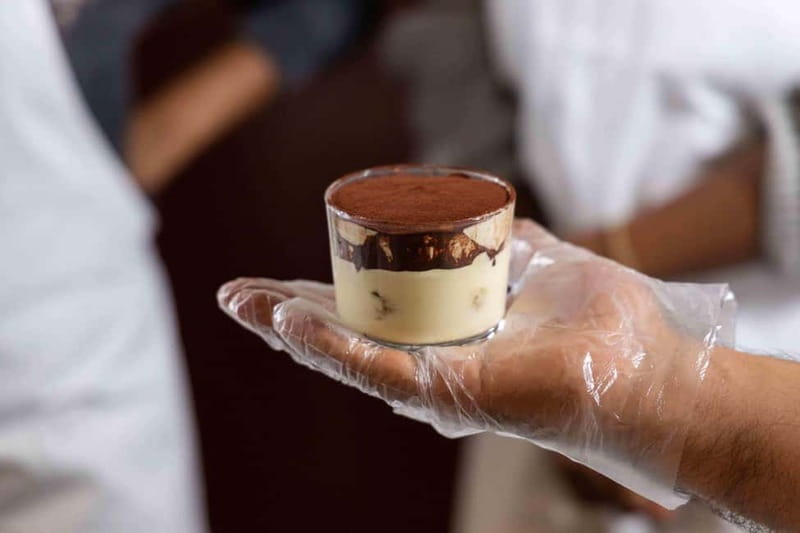
- Hands-on tiramisù first: You’ll learn the logic behind the cream and how fresh ingredients affect flavor.
- Roman pizza dough coaching: You work the dough and learn what consistency to aim for, plus how flour types matter.
- Meal is part of the class: You sit down to eat what you made, not just snack on samples.
- Drinks included with your meal: A glass of wine (or non-alcoholic option) plus limoncello or coffee rounds it out.
- English instruction: The chef/instructor teaches in English, so you won’t need Italian to keep up.
Pizza and Tiramisù in Rome: What You’re Actually Buying
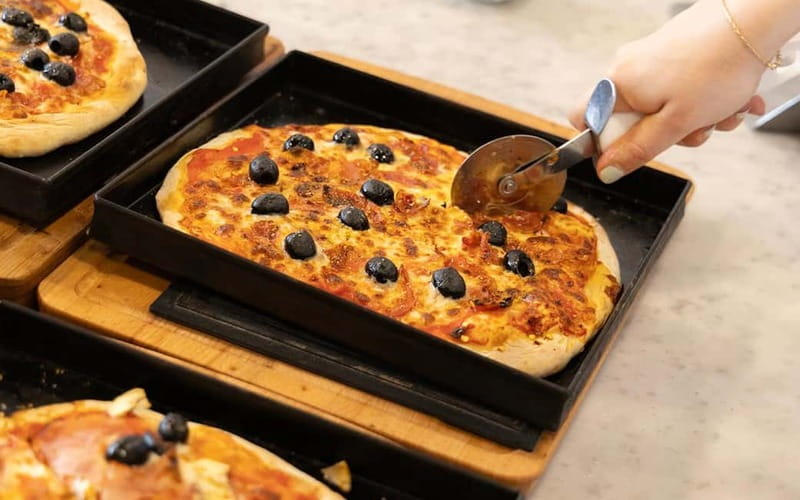
This is one of those Rome experiences that’s more than a food activity. Yes, you’ll leave with recipes and the satisfaction of making real Italian comfort food. But the bigger win is the coaching: you’re learning how dough and dessert structure come together, not just copying a finished dish.
You pay about $66.84 per person for roughly 3 hours of instruction, the meal (your pizza + tiramisù), and included drinks. In a city where you can easily spend that much on dinner alone, the value comes from getting both the teaching and the eating in the same block of time. It’s also practical: you’re not relying on good luck with restaurant menus—you’ll know what you’re making, and you’ll taste it right away.
And the vibe tends to be light. Multiple instructors mentioned in past sessions (including Sara, Masha, Desi, Hassan, Maria, and Tomato) show up as attentive, funny, and patient—exactly the combination that makes cooking classes work for first-timers.
You can also read our reviews of more tours and experiences in Rome.
Arriving at Via Giuseppe Zanardelli 14: The Start That Sets the Tone
The class meets at Via Giuseppe Zanardelli 14, and it also ends back at the same meeting point. That matters more than it sounds. If you’ve got limited energy on your Rome day (or you’re squeezing this between sightseeing), a “start/end in the same spot” format is one less thing to juggle.
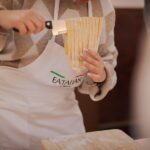
You’ll be in an intimate group—up to 12 participants—with an English-speaking chef/instructor and water provided throughout. For cooking, that small size changes everything: you can actually see what your chef is doing, not just listen from across the room.
Quick practical note: arrive a little early so you can match your group/session without stress. One review described arriving late because no one had checked which class their group was in, and the group ended up waiting. You’ll avoid that by simply giving yourself a buffer.
Tiramisu Workshop: Cream, Technique, and Why Fresh Matters
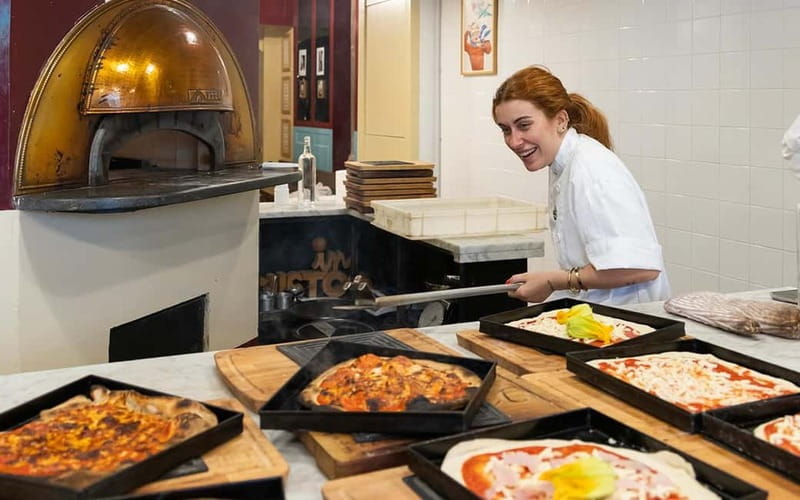
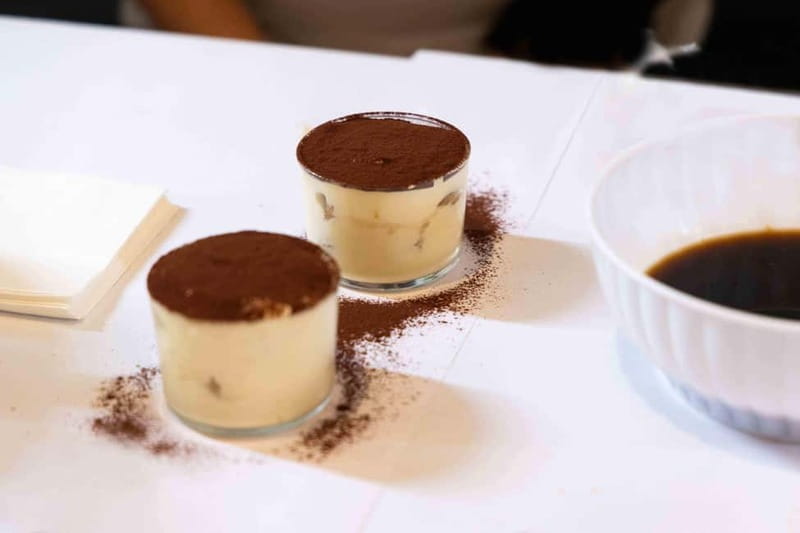
You start with tiramisù. The class begins as a group activity, and the goal is to get you comfortable with how tiramisù is built before you move to pizza.
Here’s what you can expect:
- You learn why fresh ingredients matter, not just what ingredients to use.
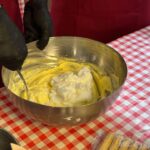
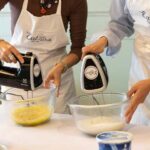
- Some people get the chance to help the chef make the cream, while others watch and learn the steps.
- You get an explanation of the techniques and the role raw materials play in taste and texture.
That ingredient-and-technique emphasis is the part I think most people underestimate. Tiramisù looks simple, but the cream and assembly depend on small details. When your instructor talks about freshness and consistency, you start understanding why one tiramisù can taste light and balanced, while another can feel overly sweet or oddly heavy.
Also, this first segment is a nice way to “warm up” mentally. You’re not thrown straight into dough with your hands covered in flour. You get a structured start, then you shift gears into pizza.
Making Roman-Style Pizza Dough With Flour and Water
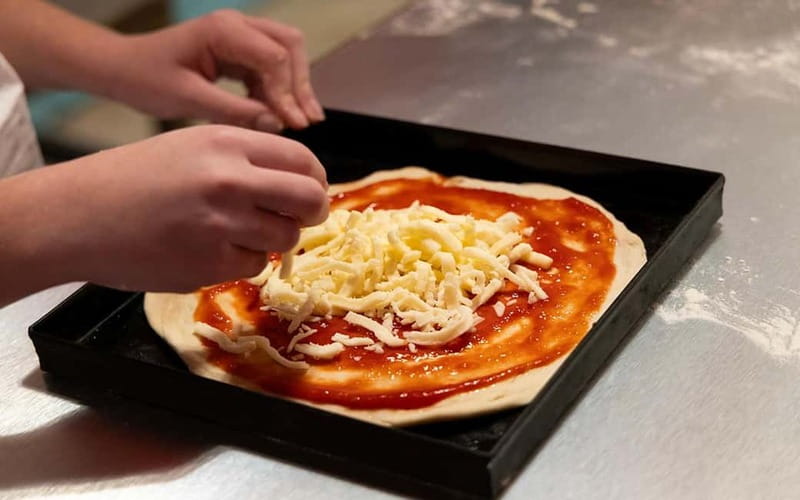
After tiramisù, you move into pizza—and this is where the class gets especially satisfying.
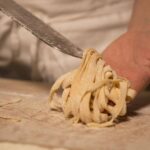
You’ll make your own pizza dough from scratch. The chef guides you through:
- creating dough using flour and water
- understanding the right consistency
- learning about different types of flour and what they affect
That dough talk is gold. If you’ve ever made pizza at home and wondered why it turned out tough, chewy in the wrong way, or lacked that classic Roman feel, this is the lesson you needed. The class doesn’t treat dough like a mystery box—it treats it like a mixture with a purpose. You learn what to look for as the dough comes together.
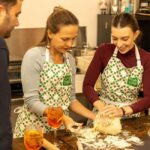
Because the group is small, you can ask questions in real time. If your dough feels too stiff or too loose, you’re in a better position to get quick fixes instead of guessing and hoping.
One more thing: Roman pizza isn’t about complexity. It’s about balance. This lesson helps you focus on fundamentals: flour choice, hydration, mixing, and consistency.
Eating What You Made: Wine, Limoncello, and a Real Finish
After cooking, you sit down and enjoy your meal. This is not a “walk off into the city with a snack” kind of experience. It ends with the point of the whole thing: eating what you created.
The included meal features:
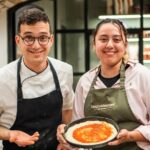
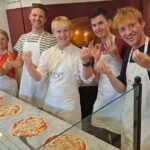
- your personalized pizza
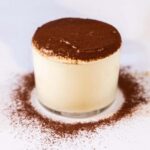
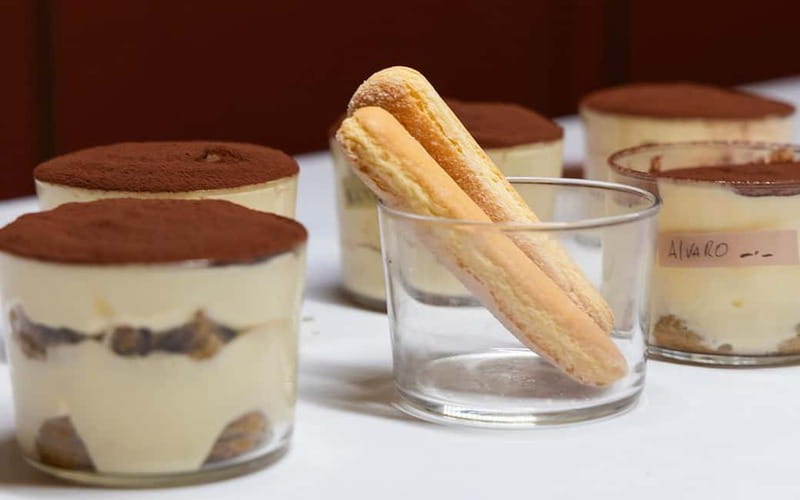
- your homemade tiramisù
- a glass of wine (or a non-alcoholic beverage)
- limoncello or coffee
- water provided throughout
That drink pairing matters for your experience more than you might think. Wine and limoncello turn the session into a full sensory loop: you’re tasting the food you just built, and the lemony sweetness of limoncello is a natural partner for dessert. If you’re not drinking, the non-alcoholic option helps keep the experience comfortable without making it feel like a compromise.
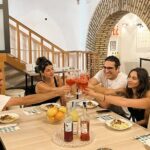
And because the group setting is described as intimate, you typically get a more social meal than you’d get in a quiet restaurant. A few past participants highlighted the fun of sharing the table and eating together at the end.

Price and Value in Rome: Why It’s Not Just a Dinner
At $66.84 per person, the price can look “mid-range” until you break down what’s included.
You’re paying for:
- a hands-on cooking class led by an expert local chef
- instruction in English
- two dishes: pizza + tiramisù
- your meal, which includes the food you made
- drinks: wine (or non-alcoholic), plus limoncello or coffee
- water throughout
- a small group (limited to 12)
If you were to order pizza and dessert at a restaurant plus drinks, you’d still be relying on luck with flavor and technique. Here, you’re getting both. You’ll eat a good meal, but you’ll also understand the process well enough to repeat it at home.
For solo travelers, it’s a structured way to meet people without forcing awkward conversation for hours. For couples, it’s a date idea that’s more memorable than yet another scenic dinner. For families, past feedback includes an 11-year-old calling it the highlight of their Rome trip, which tells you this can work beyond hardcore food snobs.
Who This Class Suits Best (And Who Might Hesitate)
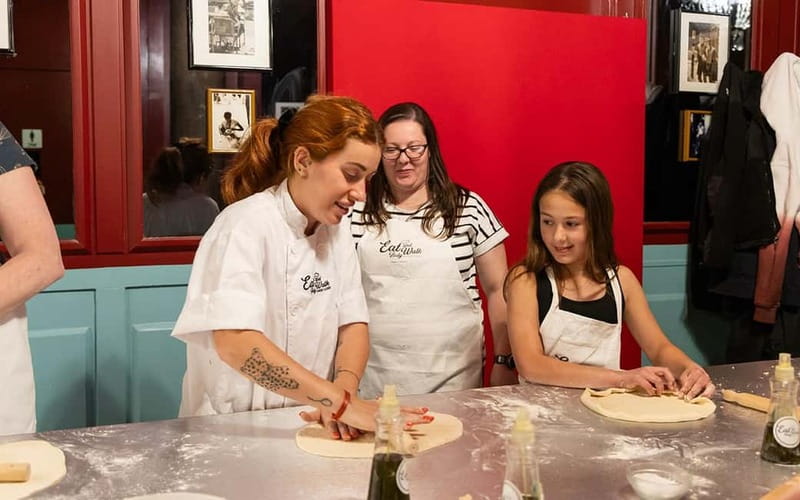
This experience fits best if you want:
- hands-on cooking rather than a tasting tour
- an English-led class
- a small-group setting with room for questions
- a fun, social atmosphere that ends with a real meal
You might hesitate if:
- you prefer fully passive experiences (this is active cooking)
- you want a super long time to linger at one dish (this is paced across tiramisù then pizza in about 3 hours)
- you need every second to be perfectly scheduled—because cooking classes run in a “live” rhythm, not a rigid theater clock
Still, the overall review tone is strongly positive about instruction quality and the amount of help people receive when they need it.
Tips to Make the Most of Your 3 Hours
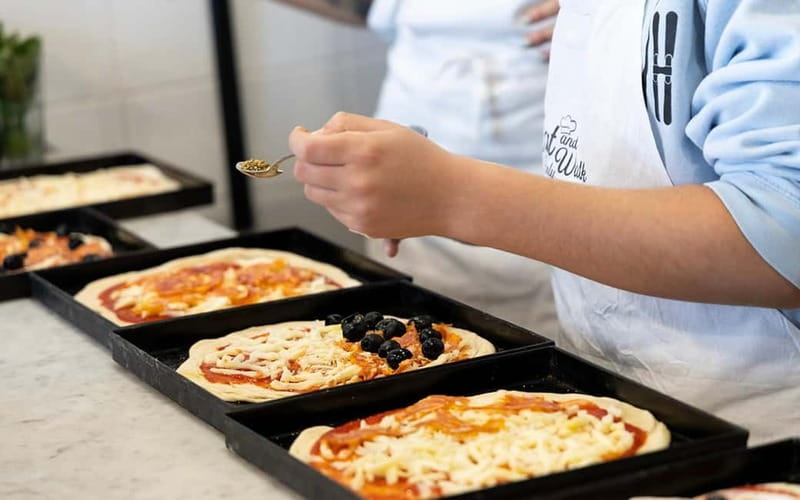
A few practical moves will help you enjoy this class more and stress less:
- Eat lightly beforehand. You’ll cook and then sit down to a full meal with dessert, so arriving hungry is good, but arriving stuffed isn’t.
- Wear comfortable clothes. You’ll handle ingredients and flour; think “kitchen casual.”
- Ask about dough consistency early. If your dough is heading in the wrong direction, a quick correction from the chef is easier at the start than after everything is mixed.
- Take mental notes during the tiramisù segment. The cream technique and ingredient timing are the kind of details that vanish if you’re only focused on the final dessert.
- Plan for a buffer at check-in. Based on at least one mix-up report, arrive a little early so you’re sure you’re in the right session.
Should You Book This Rome Pizza and Tiramisù Class?
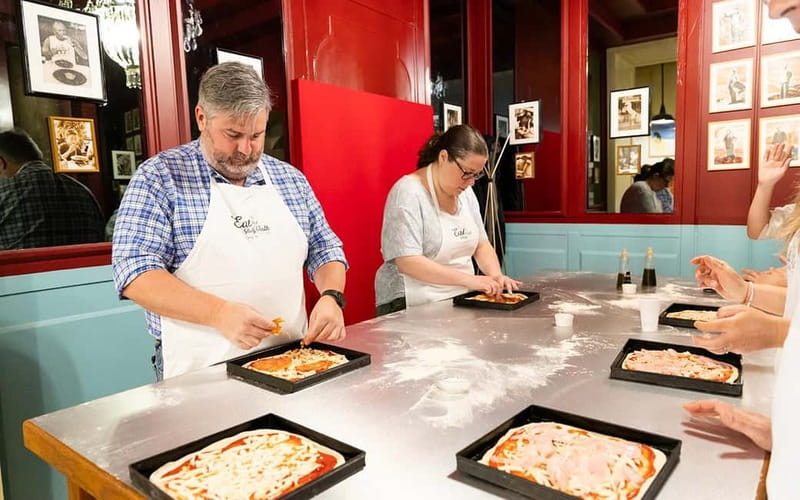
Book it if you want a high-value, skills-based Rome food experience: two classic dishes, small-group attention, English instruction, and included drinks, all wrapped into a 3-hour outing with a satisfying finish.
Skip it if you already know you only want sightseeing time and you’re not excited by the idea of rolling up your sleeves. Cooking classes are hands-on by design.
If you’re on the fence, I’d choose it for a simple reason: it gives you an instant Rome memory you can taste, plus a technique you can actually repeat later. That combo is hard to beat.
FAQ
Is the class conducted in English?
Yes. The instructor is listed as English-speaking.
How long is the Rome pizza and tiramisù cooking class?
The experience runs for 3 hours.
What’s included in the meal and drinks?
You’ll eat the pizza and tiramisù you make. The class includes a glass of wine or a non-alcoholic beverage, plus limoncello or coffee, and water throughout.
How big is the group?
It’s limited to a small group setting, up to 12 participants.
Where does the class start and end?
It starts at Via Giuseppe Zanardelli 14 and ends back at the same meeting point.
What’s the cancellation policy and payment option?
You can cancel up to 24 hours in advance for a full refund. There’s also a reserve now & pay later option listed.