REVIEW · ROME
Rome: Ravioli, Fettuccine and Tiramisu Cooking Class
Book on GetYourGuide →Operated by Eat and Walk Italy · Bookable on GetYourGuide
Fresh pasta in Rome feels personal. In this hands-on class, you’ll learn pasta-making technique and build your own tiramisu, then finish with wine in a central Roman restaurant. I like how practical the lesson feels, not fancy-lecture style, and I like that you get to eat what you make. One small drawback: the base recipes can feel simple if you’re expecting super complex Michelin-level steps.
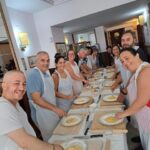
This is the kind of activity that works because the group stays small and the chef keeps an eye on what you’re doing. English-speaking instructors like Mattia, Josephina, and Vincenzo show the method clearly, and you’re encouraged to use the same moves later at home. If you’re not into kneading dough and timing sauces, you may find the hands-on part more work than fun.
In This Review
- Key highlights you’ll care about
- Where the class starts: Antico Cafe Ruschena on the Lungotevere
- Starting with tiramisù: a dessert lesson with real payoff
- Fettuccine from scratch plus the sauce you actually want
- Ravioli with ricotta, butter, and sage
- The meal setting: wine, limoncello (or coffee), and shared tables
- Price and value: what $79.30 buys you (and what it doesn’t)
- Who this cooking class suits best
- How to plan your 3 hours in central Rome
- Should you book this Rome pasta and tiramisù class?
- FAQ
- How long is the Rome Ravioli, Fettuccine and Tiramisu cooking class?
- Where do I meet the chef for the class?
- What languages are offered during the cooking class?
- What pasta do we make during the class?
- What sauce options are available for the fettuccine?
- What are the ravioli filled with, and how are they cooked?
- What’s included with the meal at the end?
- Is tipping included in the price?
- Are children allowed?
- Is the cooking class wheelchair accessible?
Key highlights you’ll care about
- Tiramisù first: you start with a group dessert session before pasta work
- Two fresh pastas: fettuccine and ravioli from dough to finished plate
- Sauce choices for fettuccine: tomato and basil, cacio e pepe, or amatriciana
- Ravioli filling and cook style: ricotta inside, then cooked in butter and sage
- You eat it all together: wine plus a glass of limoncello or coffee at the end
Where the class starts: Antico Cafe Ruschena on the Lungotevere
Your class begins at Antico Cafe Ruschena, right on the Lungotevere dei Mellini (Lungotevere dei Mellini, 1, 00193 Roma RM). You meet your chef inside the location, and you’ll want to arrive about 10 minutes early so you can get settled before the first steps start. The end point sends you right back to the same meeting spot, which makes it easy to fold into a day of walking.
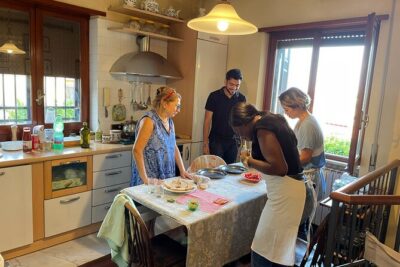
The vibe matters here. A cooking class only feels like Rome if you’re not trapped in a sterile classroom, and this one gets you into an everyday rhythm—hands floury, voices moving, and an instructor guiding you step by step. One reason I think it’s good value is that you’re not just watching or tasting; you’re making full components (pasta dough, shaping, assembling tiramisù) that turn into a sit-down meal.
Because the instruction is in English, you can actually follow the why, not just copy the how. And based on the cooking styles instructors bring—think Mattia and Josephina being patient and clear—the lesson tends to stay calm even if your first attempt at dough is more chaotic than you planned.
You can also read our reviews of more tours and experiences in Rome.
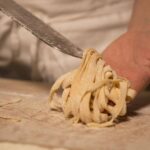

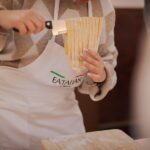
Starting with tiramisù: a dessert lesson with real payoff
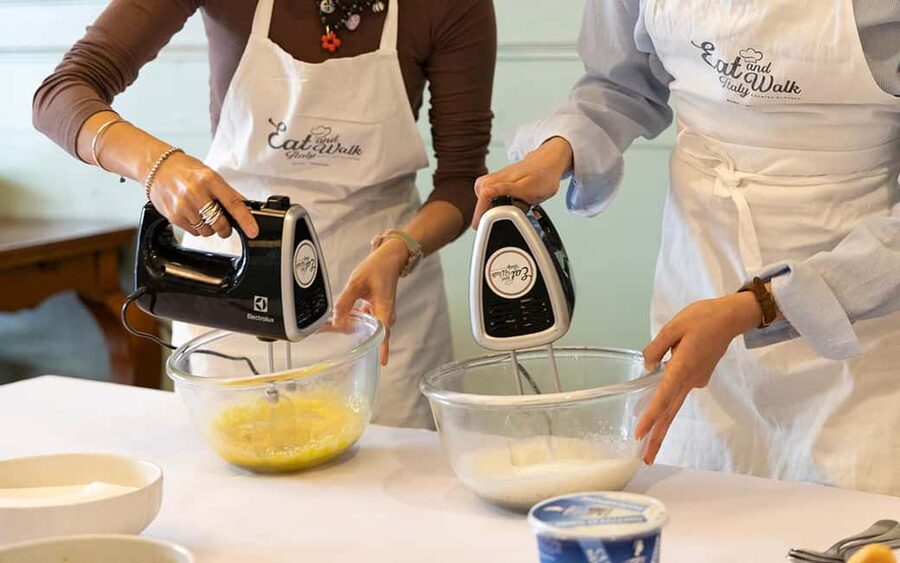
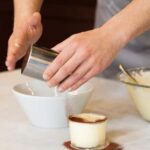
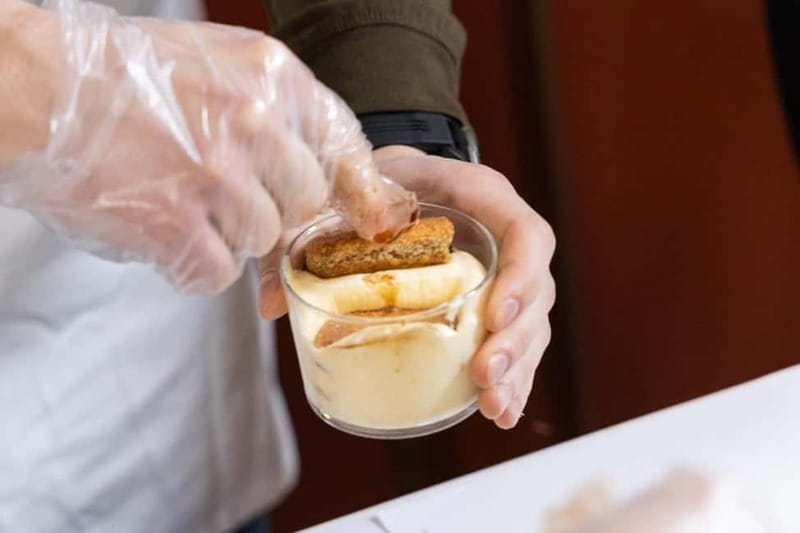
The class structure is smart: you begin with a group activity making tiramisù before you tackle the pasta. That means you’re not standing around for an hour waiting for the fun part. It also helps you warm up with technique—mixing, assembling, and understanding texture—before your hands get busy with dough.
Even if you’ve made tiramisù before, this is the kind of workshop that can sharpen your instincts. You’ll be learning how to build your dessert your way while still following the chef’s method so it holds together nicely. And since you’ll eat what you make, there’s a clear reason to care about details like consistency and layering.
One thing I like: starting with dessert changes the energy of the room. People loosen up faster, and it becomes less intimidating when it’s time to work with pasta dough. If you’re traveling solo, it’s also a good social moment—less waiting, more teamwork right away.
Fettuccine from scratch plus the sauce you actually want
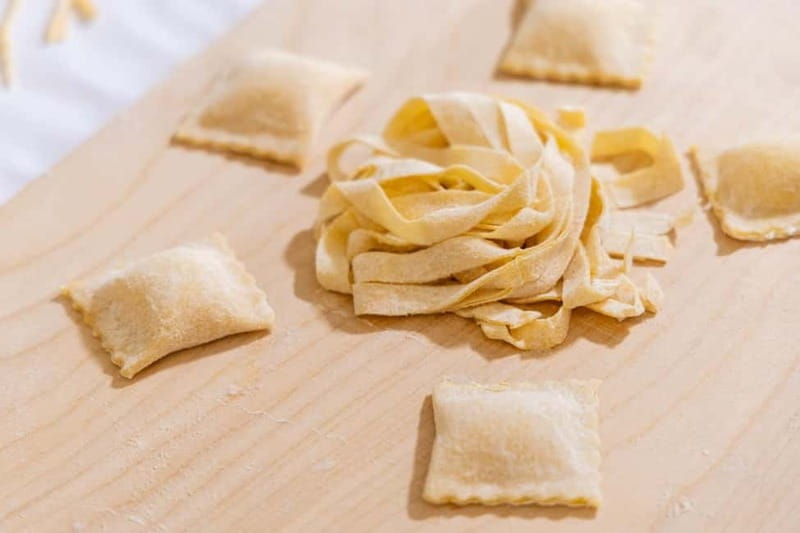
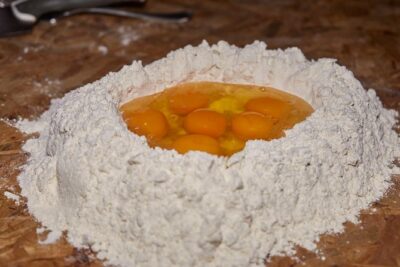
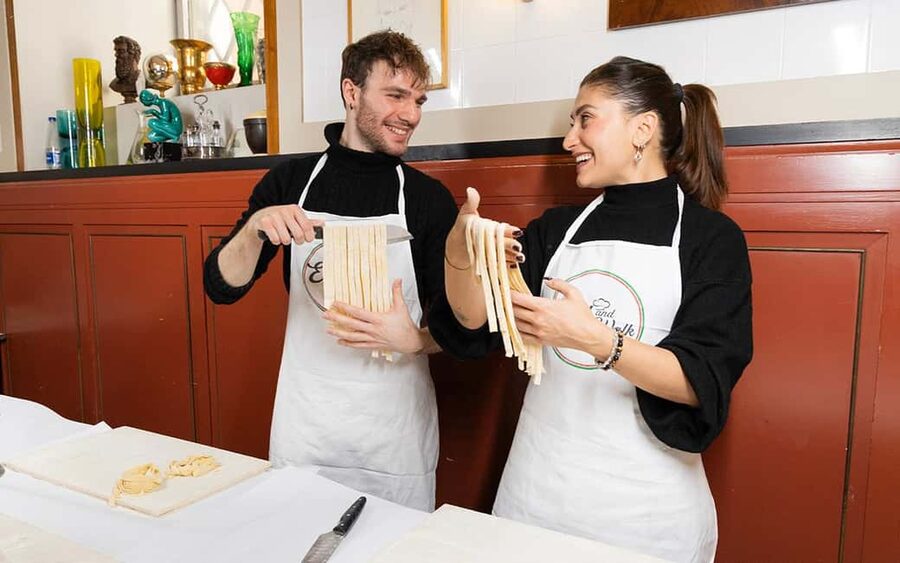
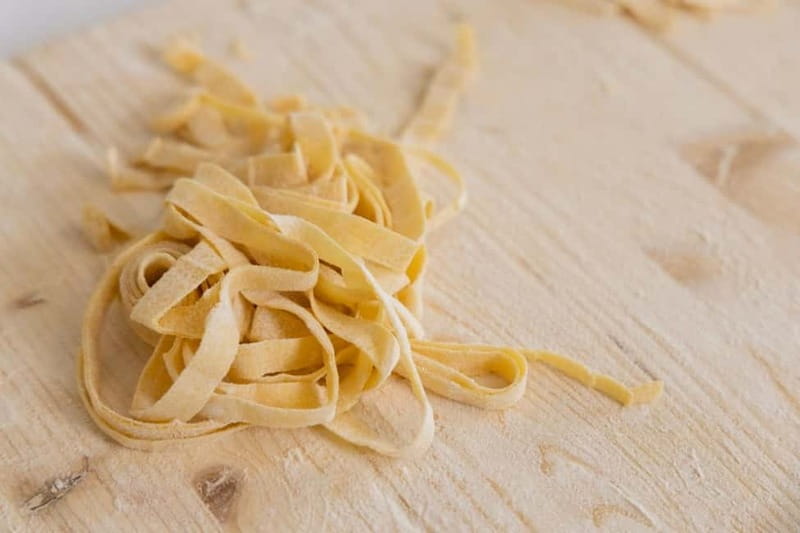
After tiramisù, it’s on to the main event: fresh fettuccine. You’ll create the pasta dough from scratch, then form it into fettuccine as you learn the basics of rolling and cutting. This is where the chef’s pacing really matters, and the best part is that you’re not rushed. You’ll get guidance through the steps, including checks to make sure your dough and process are on track.
Then comes the best part: the sauce choice. For your fettuccine, you can pick one of three classic options:
- Tomato and basil
- Cacio e pepe
- Amatriciana
This choice turns the class into something closer to a personal meal than a one-size-fits-all lesson. If you love Roman-style comfort, you can aim for amatriciana. If you want something peppery and sharp, cacio e pepe fits. And if you want the most straightforward, crowd-friendly flavor, tomato and basil is the easy win.
A quick consideration: one review noted that the recipes and techniques can feel relatively basic. That doesn’t mean it’s bad—it just means the class is designed to teach fundamentals you can repeat at home, not to overwhelm you with advanced procedures. If you already cook a lot, you may still enjoy the fresh pasta confidence, but keep expectations realistic.
Ravioli with ricotta, butter, and sage
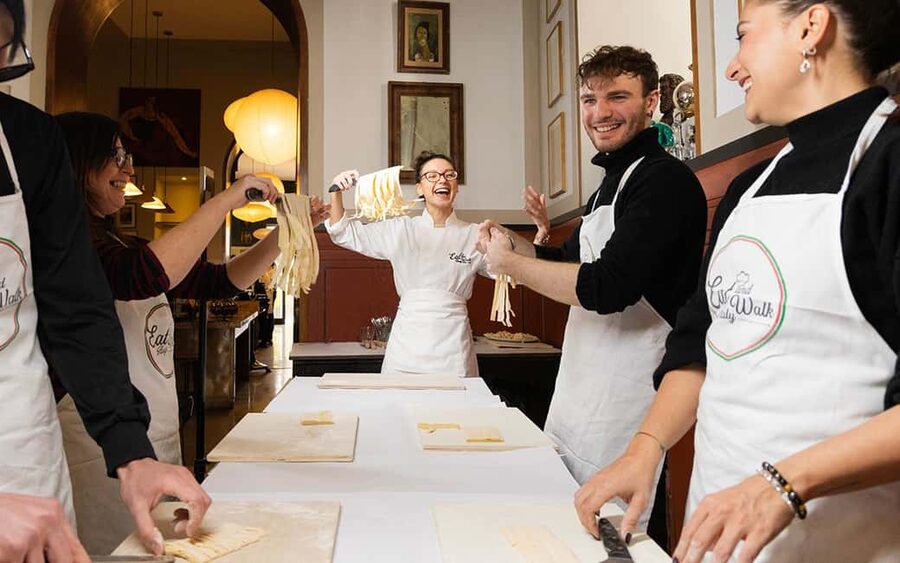
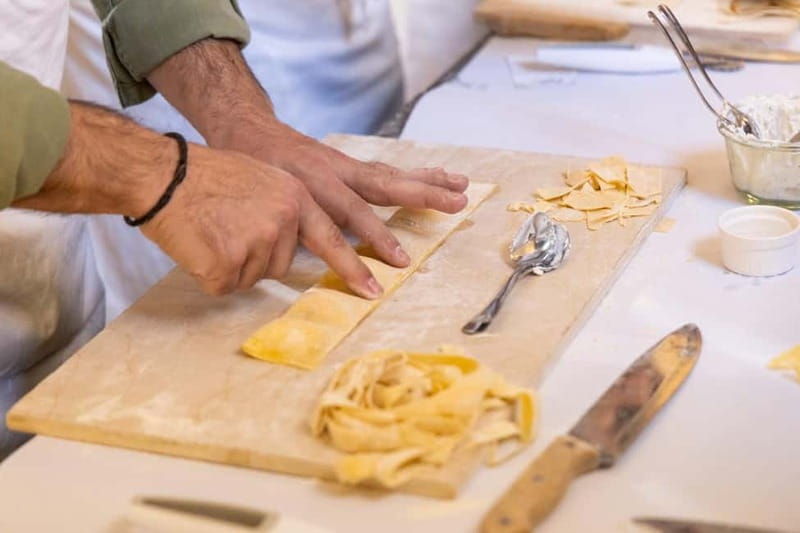
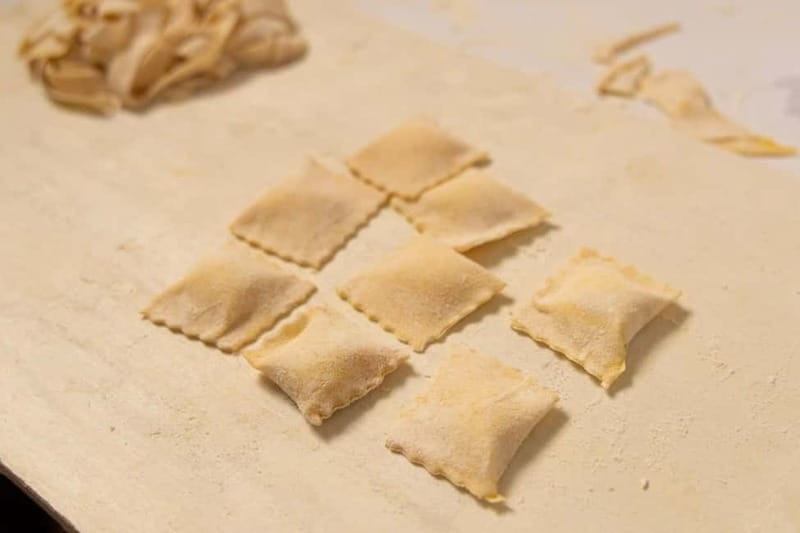
Once fettuccine is underway, you’ll move into making ravioli. The filling is ricotta, and the ravioli are cooked in butter and sage. This is one of those combinations that tastes like Italy without needing a complicated flavor ladder, and it’s also a great way to learn: the ravioli are the star, and the sauce stays supportive rather than overpowering.
For you, the value here is learning how to handle filled pasta correctly—especially around sealing and texture. Filled pasta punishes sloppy technique fast, so the chef’s “watch your dough” guidance becomes more than helpful. It’s the difference between ravioli that look good on a plate and ravioli that don’t hold up when you cook them.
Also, ravioli tends to be satisfying because you can see progress quickly. You go from plain dough to little pockets of filling, and then suddenly it’s all coming together. If you’re traveling with friends and want photos, this section usually delivers.
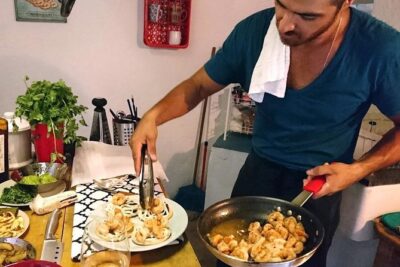
One more note: in at least one class experience, an additional instructor appeared to show another item alongside the pasta work. That suggests that some sessions may include extra support or mini-demonstrations, so don’t be surprised if the workflow feels a touch more dynamic than a strict script.
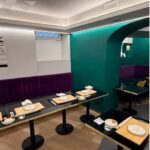
The meal setting: wine, limoncello (or coffee), and shared tables
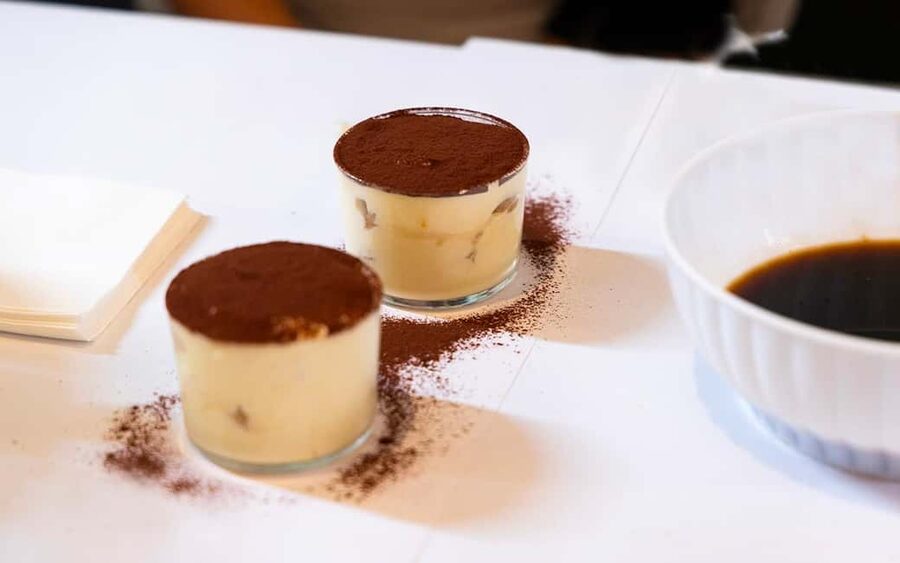
After the cooking, you sit down in a nice restaurant in the heart of Rome and eat what you made. Your meal includes:
- your fettuccine with your chosen sauce
- ravioli (ricotta with butter and sage)
- your own tiramisù
You’ll also get a glass of wine (or a soft drink, if you prefer). Then you’ll finish with a glass of limoncello or coffee, plus water. This is not just a nice extra—it’s what makes the class feel complete. You’re not paying for a snack; you’re paying for an experience that ends as a real dinner.
I like the way this format helps you understand what matters in Italian cooking. Fresh pasta is one thing, but eating it while it’s properly timed and paired with sauce is how you learn. Wine and limoncello also nudge the mood into celebration, which helps when your dough isn’t perfect at first.
If you’re the type who gets hungry during cooking classes, plan ahead. The timeline is about 3 hours, so you’ll be busy from start to finish, and the end meal is part of the plan.

Price and value: what $79.30 buys you (and what it doesn’t)
At $79.30 per person for a 3-hour Rome cooking class, you’re paying for more than instructions. You’re paying for ingredients, chef time, and the full tasting meal afterward—plus drinks that turn it into an evening, not an activity that ends in a sad cookie and a goodbye.
Here’s what’s included:
- fettuccine with your sauce choice (tomato and basil, cacio e pepe, or amatriciana)
- ravioli with ricotta cooked in butter and sage
- your own tiramisù
- water
- 1 glass of wine or soft drink
- 1 glass of limoncello or coffee
What’s not included:
- tips/gratuity
- any additional food or beverages beyond what’s listed
If you compare this to the cost of eating a sit-down dinner plus wine in central Rome, the value starts to make sense fast. You’re getting a meal and a skill you can repeat. And based on how often people mention leaving with recipes to make at home, the lesson has practical follow-through, not just a fun memory.
One more value point: the class is English-instructed and generally well paced. When the chef gives clear instructions and checks in during the steps, you waste less time and you finish with food you can actually enjoy.
Who this cooking class suits best
This experience is a great match if you want hands-on Rome without needing a kitchen degree. I think it especially fits:
- couples and small groups who want a shared project
- food lovers who like fundamentals—dough, rolling, shaping, sauce pairing
- travelers who enjoy chatting because you’ll be working close with the group
The class is listed as wheelchair accessible, and the chef instruction is in English, so it’s easier to participate than many Italian cooking experiences. One limit to note: it’s not suitable for children under 4, so families should check ages carefully.
Is it for you if you already cook perfect pasta every week? You might still enjoy the structure and the chance to refine technique, but you may notice the recipes are built around reliable basics. That’s actually a benefit for beginners, since you’ll go home with confidence.
If you dislike group activities or want a quiet, silent experience, this might feel too social. But if you want a relaxed Italian evening where people help each other through floury mistakes, you’ll probably like the feel.
How to plan your 3 hours in central Rome
You’re booking a 3-hour class, and starting times can vary—so pick the slot that best fits your day. Since it ends back at the meeting point, you can usually pair it with a nearby dinner walk afterward if you want to keep exploring.
What I recommend doing before you go:
- wear comfortable clothes you can get a little messy in
- bring a practical attitude—your first dough might not be museum-perfect
- arrive on time so you don’t disrupt the start of tiramisù prep
Also, give yourself a little mental space. The schedule flows from dessert to dough to filled pasta, and it moves like a real kitchen rhythm. The chefs you’ll meet—like Mattia, Josephina, or Vincenzo—tend to explain clearly and check on everyone, but you still need to stay present with your hands.
If you have dietary restrictions, the core items are listed (ricotta, butter and sage, plus set sauce options for fettuccine). The data doesn’t mention alternate diets, so it’s smart to ask in advance if you need a specific swap.
Should you book this Rome pasta and tiramisù class?
I’d book it if you want a genuinely hands-on Rome experience where you finish with a full meal, not just a tasting. The combination of fettuccine + ravioli + tiramisù, plus a glass of wine and a limoncello (or coffee), makes it feel like you’re paying for the whole evening.
Book it especially if you like learning fundamentals you can repeat—rolling, shaping, and building flavor with classic Roman sauces. And if you’re the type who values clear instructions, you’ll likely appreciate the way chefs like Mattia and Josephina keep things paced and understandable.
Skip it only if you’re looking for advanced techniques or you want a quiet sit-and-watch format. Otherwise, this is a solid way to spend a few hours in Rome doing something you can carry home.
FAQ
How long is the Rome Ravioli, Fettuccine and Tiramisu cooking class?
The class lasts 3 hours.
Where do I meet the chef for the class?
You meet your chef inside Antico Cafe Ruschena at Lungotevere dei Mellini, 1, 00193 Roma RM, Italia.
What languages are offered during the cooking class?
The instructor teaches in English.
What pasta do we make during the class?
You’ll make fresh fettuccine and ravioli from scratch.
What sauce options are available for the fettuccine?
Your fettuccine can be served with tomato and basil, cacio e pepe, or amatriciana.
What are the ravioli filled with, and how are they cooked?
The ravioli are filled with ricotta and cooked in butter and sage.
What’s included with the meal at the end?
You’ll eat your homemade meal, including fettuccine, ravioli, and your tiramisù, with water and 1 glass of wine or soft drink, plus limoncello or coffee.
Is tipping included in the price?
No. Tip or gratuity is not included.
Are children allowed?
The class is not suitable for children under 4 years old.
Is the cooking class wheelchair accessible?
Yes, it is wheelchair accessible.