REVIEW · OSAKA
Osaka: Sashiko Japanese Craftsmanship Workshop
Book on GetYourGuide →Operated by Junale · Bookable on GetYourGuide
Sashiko turns simple fabric into meaningful art. In this Osaka workshop, you’ll learn Japanese hand stitching step by step and finish with your own geometric coaster set to take home. I love the hands-on pace and the calm, focused vibe, which makes even your first stitches feel doable. One possible drawback: because it’s a small-group class limited to 8 people, you’ll want to book ahead for the day and time you want.
What makes it especially interesting is that Sashiko started as practical mending and insulation, then grew into regional pattern language. You’ll get both the technique and the “why” behind the designs, so your finished piece feels more like craft than souvenir. Expect guidance from June (and sometimes another instructor on the team, like Nene, depending on the schedule), plus English and Japanese support as you work.
In This Review
- Sashiko in Osaka: what you’ll stitch in two hours
- Meet your instructor and the workshop vibe around Sashiko
- The Sashiko technique: “little stabs,” precise lines, and a finished coaster
- How pattern meanings turn into Japanese storytelling
- Your take-home Sashiko memento: what you’ll leave with
- JunAle shopping corner: thread, kits, and cash discounts
- Price and value: is $67 worth it?
- Who this is best for
- Getting there in Osaka: Kyobashi station meeting point
- Should you book this Sashiko workshop in Osaka?
- FAQ
- How long is the Osaka Sashiko Japanese Craftsmanship Workshop?
- What does the $67 price include?
- Do I need to speak Japanese to join?
- What is the meeting point?
- How many people are in the group?
- Is it wheelchair accessible?
- What if I’m traveling solo?
- Can I cancel for a refund?
- Is travel insurance included?
- Can I pay later?
Sashiko in Osaka: what you’ll stitch in two hours

This is a straightforward, satisfying class: learn basic Sashiko, practice with guidance, then create a completed item—typically Sashiko coasters using geometric patterns. The full session runs 2 hours, so you’re not stuck in a long, slow craft day. It’s enough time to get the rhythm of the stitches and walk away with something you can actually use (or gift).
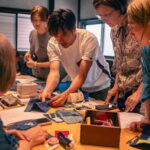
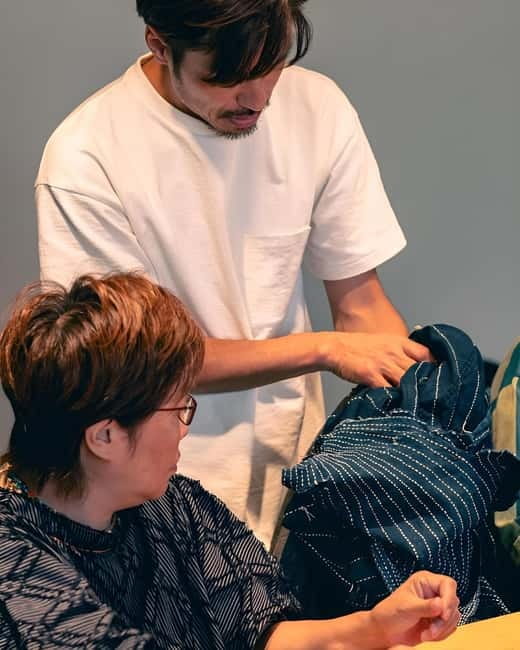
The format is also beginner-friendly. You’ll start with an overview and demonstration, then move into hands-on stitching on smaller items so you can see progress quickly. Even if you finish early, you may get extra help, like adding another stitch as you wrap up.
Meet your instructor and the workshop vibe around Sashiko
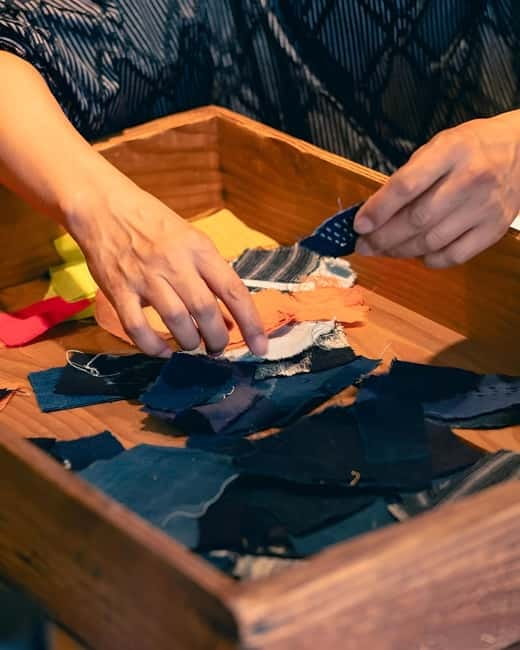
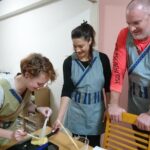
Small group matters here. The class caps at 8 participants, which keeps the instruction personal and prevents that lost-in-the-crowd feeling that can happen in big classes. You’ll also have a mix of English and Japanese support, which is a relief if your Japanese is rusty and you still want to understand what you’re doing.
The workshop is run by Junale and led by instructor June. In past class experiences, you may also see another teacher name like Nene, so don’t be surprised if you meet someone different than you expected from the booking description. Either way, the tone stays friendly and encouraging, with plenty of patience while you get the stitches lined up.
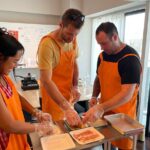
A real plus: several people note the atmosphere as calm and even meditative once you start stitching. One person also mentioned an old-house setting with wooden stairs and exposed framework—so this isn’t just a sterile craft room. If you’re hoping to slow down during your Osaka time, this fits that mood.
You can also read our reviews of more tours and experiences in Osaka.

The Sashiko technique: “little stabs,” precise lines, and a finished coaster
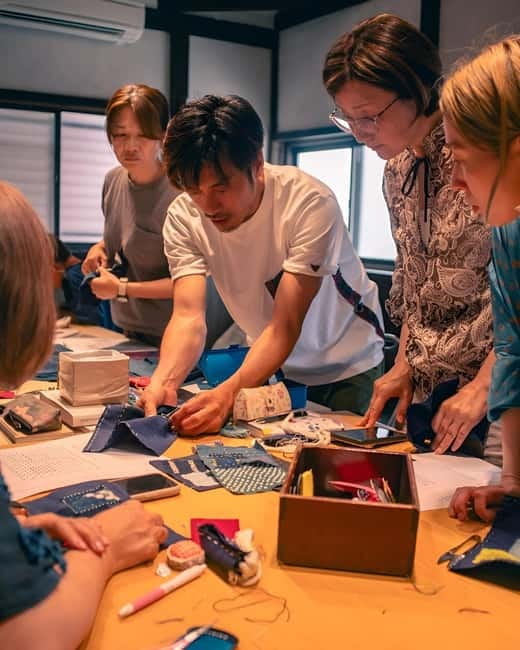
Sashiko literally means little stabs, which is a perfect description of the action. You’re working with deliberate, repeating stitch patterns that create strong lines and regular rhythm. The goal isn’t speed—it’s control.
In the workshop, your instructor will show you the basic stitches first. Then you practice the technique on fabric items (coasters are the standard take-home project) while you receive real-time corrections. That “practice while guided” part is what makes the workshop feel fair to beginners. You’re not left to decode a diagram and hope for the best.
What you’ll likely notice as you stitch: the structure is geometric, so your progress feels visual and measurable. In other words, you can look down and see improvement quickly. And when your finished coaster looks crisp, it’s easier to believe you can keep making Sashiko back home.
How pattern meanings turn into Japanese storytelling
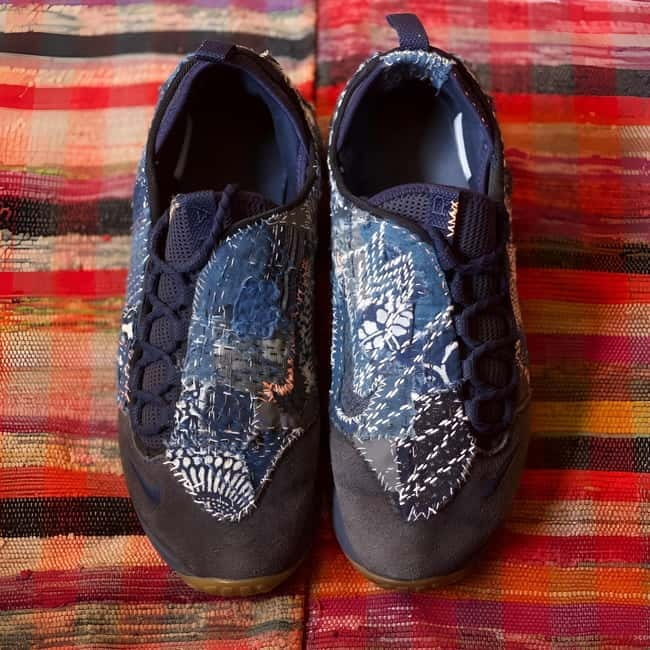
Sashiko isn’t only decorative. Historically, it was developed as a practical method to reinforce and insulate clothing—especially among rural communities during the Edo period (1603 to 1868). Farmers and fishermen used it to help worn garments last longer and stay warmer in tough winters.
Then comes the fun part: the craft grew from utility into art, and patterns became regional. Different areas developed their own signature motifs, and the designs carried symbolic meaning. In the workshop, you’ll learn about the history and significance of patterns, so your geometric coaster isn’t just “a pattern you copied.” It becomes a small piece of cultural context you can explain.
If you like crafts that have a story attached to the technique, you’ll probably enjoy this angle. It also helps you stitch with intention, not just to fill space.
Your take-home Sashiko memento: what you’ll leave with
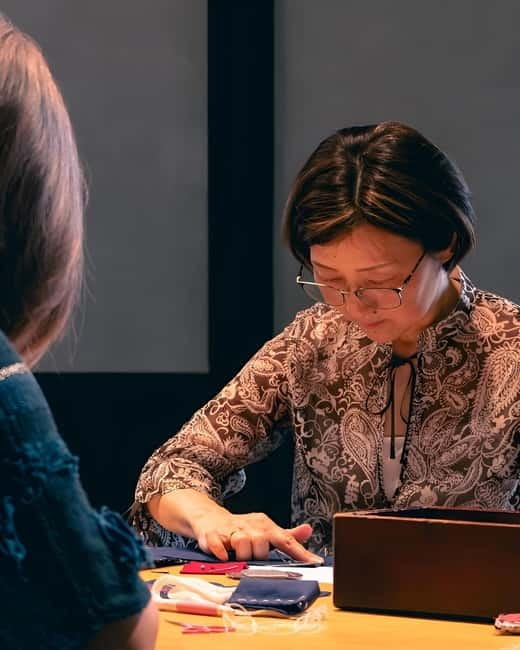
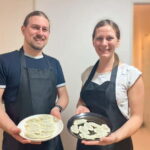
You don’t leave empty-handed. The workshop includes a completed Sashiko project that you take home, such as a coaster (or similar small textile piece made during class). Because the item is completed by the end of the 2-hour session, it’s an easy souvenir to justify bringing into your luggage.
Even better: you also pick up skills you can use later. Once you’ve learned the basics and the pacing of the stitches, Sashiko becomes something you can repeat. That means this class can turn into a lasting hobby rather than a one-time activity.
If you’re the type who likes a craft you can actually use, coasters are a smart choice. They’re functional, display-friendly, and small enough that you won’t regret the space they take.
JunAle shopping corner: thread, kits, and cash discounts
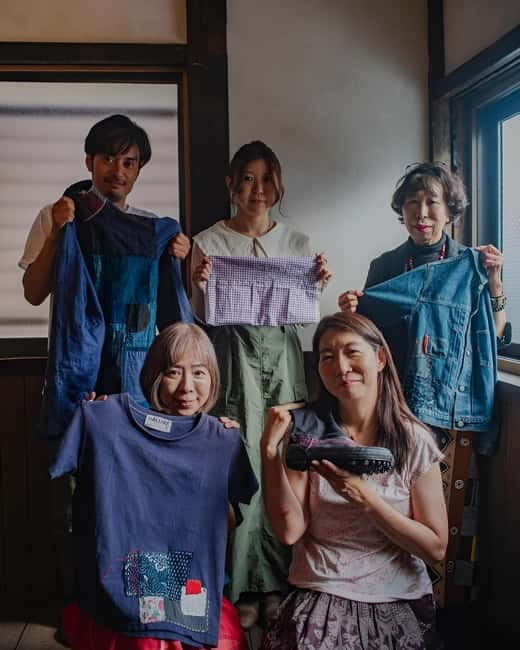
Right by the workshop area, there’s a small shopping corner. You can browse JunAle original goods, sewing kits, hand-dyed threads, and clothing. If you want to keep the momentum after class, this is the place to do it.
The practical tip here: if you already know what color palette you like, having access to hand-dyed threads right after you learn the stitch helps you buy with confidence. Don’t wait until you’re home guessing what you liked. Buy what you’ll actually use.
Also note the workshop mentions discounts available for cash payments. If you’ll have cash on hand, it’s worth asking at checkout.


Price and value: is $67 worth it?

At $67 per person for a 2-hour hands-on workshop, value comes from what’s included and what you gain. You’re not just watching a demonstration—you’re using instructor guidance and tools/materials provided for your project. That matters because in many craft experiences, you pay for instruction but still have to buy supplies separately.
You’re also getting cultural context: history, symbolism, and the meaning behind pattern styles. That turns the experience into more than a craft session. It becomes a way to understand why this stitching looks the way it does.
Finally, the small-group size (up to 8) helps justify the price. More attention per person usually means fewer beginner frustrations and a better finished result.
Who this is best for
This workshop is a great fit if you:
- want a calm, creative break from sightseeing
- like hands-on cultural activities (not just tours)
- enjoy sewing, embroidery, or any needlework
- want a take-home piece that feels authentic and personal
If you only want a quick photo stop, this won’t be your thing. But if you like learning by doing, it’s exactly the kind of activity that makes Japan feel real.
Getting there in Osaka: Kyobashi station meeting point
Logistics are simple. The meeting point is Kyobashi station, and you can request being met there with advanced notice. That’s a big help in Osaka, where station exits can be confusing even for people who are good at navigation.
Since transportation to and from the venue isn’t included, plan your own train route. I like making a small buffer before class so I’m not rushing when I’m supposed to sit and stitch.
Should you book this Sashiko workshop in Osaka?
Book it if you want a craft experience that’s quiet, guided, and genuinely useful after the workshop ends. The biggest reasons are hands-on instruction, a small group size that keeps you supported, and a finished take-home project you’ll feel proud of.
I’d hesitate only if you’re allergic to slower, mindful activities. This isn’t a high-energy show. It’s about learning controlled “little stabs” and building a rhythm. If that sounds like relaxation to you, you’ll likely love it.
FAQ

How long is the Osaka Sashiko Japanese Craftsmanship Workshop?
The workshop duration is 2 hours.
What does the $67 price include?
It includes all necessary tools and materials, instruction from the experienced instructor, cultural insights about Sashiko patterns, and a completed Sashiko project (such as a coaster) that you take home.
Do I need to speak Japanese to join?
No. Instruction is available in English and Japanese.
What is the meeting point?
The meeting point is Kyobashi station. With advanced notice, you can be met at the station.
How many people are in the group?
The group is kept small, limited to up to 8 participants.
Is it wheelchair accessible?
Yes, the workshop is wheelchair accessible.
What if I’m traveling solo?
If the minimum of 2 guests isn’t met, the organizer will offer one of these options for solo travelers: an alternate date, a 3000 yen solo supplement, or a full refund.
Can I cancel for a refund?
Yes. You can cancel up to 24 hours in advance for a full refund.
Is travel insurance included?
No. Insurance is not included, and you should arrange it separately if you want it.
Can I pay later?
Yes. The option is reserve now & pay later, so you can book your spot without paying immediately.
If you tell me your dates and whether you’re a complete beginner or already sew/embroider, I can help you pick the best time to go and what to focus on during class.