REVIEW · SAMARKAND
Samarkand: Cooking class with local family
Book on GetYourGuide →Operated by Navruz · Bookable on GetYourGuide
Cooking in a real Samarkand home matters. In five hours, you pair a local bazaar walk with hands-on Uzbek cooking guided by Navruz and his family, plus extra craft visits. You get the culture through food, stories, and everyday routines, not just photo stops.
One thing to plan for: the day follows clear house and cultural rules, including modest clothing and no alcohol (even red wine), so you’ll want to dress accordingly. Also, it’s tightly packed for 5 hours, so come with an open mind and a small appetite for fast changes in pace.
In This Review
- Key takeaways before you book
- Why This 5-Hour Samarkand Day Feels Personal
- Start at the Samarkand Bazaar: What You’re Actually Learning
- In Navruz’s Family Kitchen: The Uzbek Dishes You’ll Make
- Lunch Isn’t an Afterthought: It’s Part of the Lesson
- Family Interaction: Stories, Customs, and Everyday Life Signals
- Konigil Paper Factory and the Oil Meal and Pottery Workshop
- What’s Included, and What You Need to Bring
- Price and Value: Is $65 for 5 Hours Worth It?
- Who Should Book This Samarkand Class
- Should You Book This Samarkand Cooking Class?
- FAQ
- How long is the cooking class experience?
- What is included in the $65 per person price?
- Is this tour private or shared?
- What languages does the live tour guide speak?
- Can I pay later, and what is the cancellation policy?
- Where do we go during the day?
- Are there any rules about clothing or food/drink?
Key takeaways before you book
- A real home, not a studio: You cook with a local family and learn the way food is actually made day to day.
- Bazaar time is part of the lesson: You see ingredients at the source, and you’ll likely ask questions in the market.
- English support from Navruz and the team: The live guide can work in multiple languages, including English and Korean.
- Craft stops add context: Konigil paper-making and an oil meal and pottery workshop connect food to the broader daily-life economy.
- Private group feel: You’re not shuffled around with strangers, which makes the Q&A easier.
Why This 5-Hour Samarkand Day Feels Personal
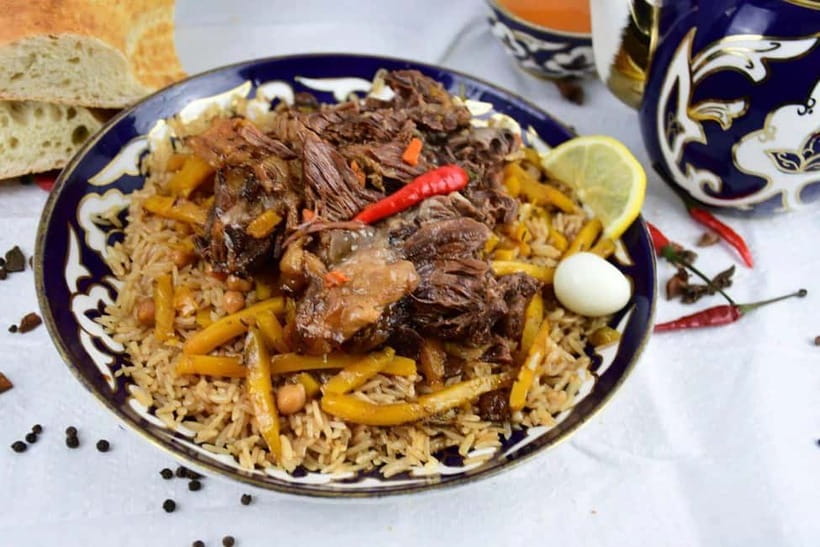
This isn’t a “watch and leave” cooking class. The value is that you spend the day with a local family inside their routines, then you pair that with ingredient-buying energy at the market. For me, that’s the difference between a meal and a story.
The schedule also stays manageable. In about five hours, you cover the big pieces: bazaar, cooking, lunch, and then a couple of craft stops. It’s long enough to learn something real, not so long that you lose track of what you’re actually doing.
The host team matters here. Navruz is the live tour guide, and the family is clearly involved in teaching and hospitality. One guest highlighted that Guli made sure explanations landed clearly, which is a big deal if you’re trying to cook without a language barrier.
You can also read our reviews of more tours and experiences in Samarkand.
Start at the Samarkand Bazaar: What You’re Actually Learning
A bazaar stop sounds simple until you use it for ingredients and questions. Here, that market walk is the setup for the rest of your cooking day. You’ll stroll through stalls, talk with vendors, and get a feel for how people shop and what’s available locally.
What to watch for: ingredients that look “like the same thing” at home but behave differently in Uzbek cooking. That can include bread basics, spice mixes, and the kinds of produce and proteins people choose for everyday meals and special dishes. Even if you don’t buy much, the market context changes how you understand the food later.
This is also where you’ll start noticing daily life cues. How vendors talk, how customers decide, and what gets repeated in conversations. These are the small details that make Samarkand feel like a living city rather than a set of landmarks.
If you get impatient with shopping-style tours, keep this in mind: the market time isn’t the main event by itself. It’s the ingredient “why” for everything you cook afterward.
In Navruz’s Family Kitchen: The Uzbek Dishes You’ll Make
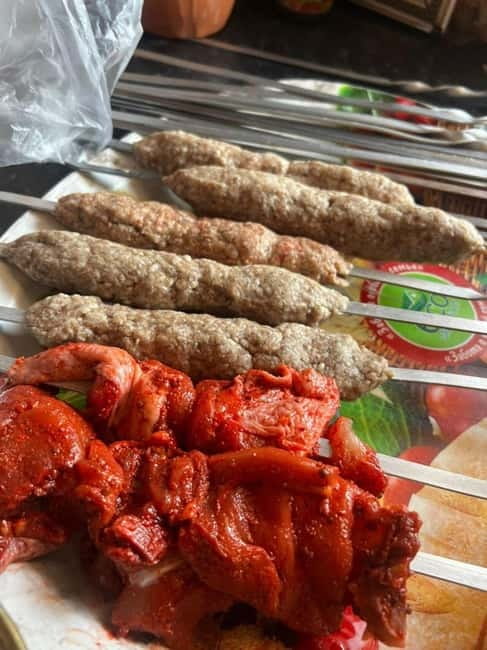
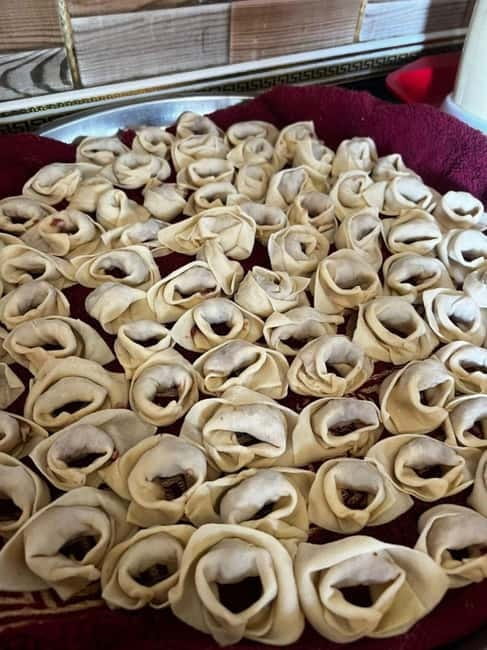
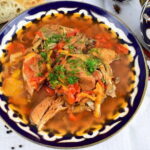
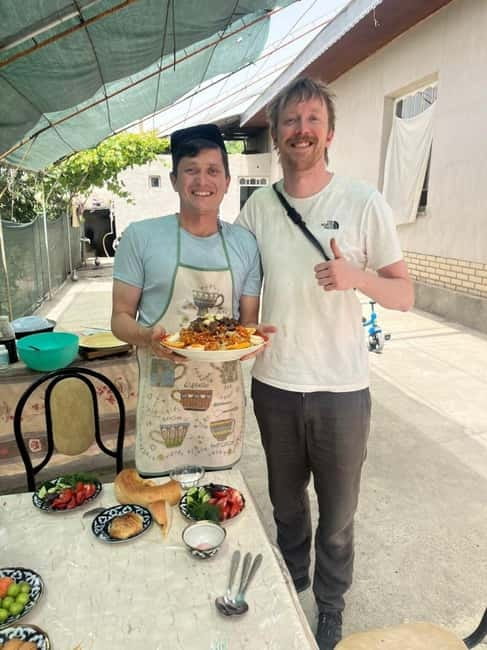
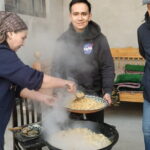
The core experience is the cooking session with a local family. You’ll learn traditional Uzbek dishes and how the flavors are built from scratch, not from shortcuts. The dish list can include plov (rice pilaf), shashlik (grilled meat), and samsa (savory pastries).
Here’s why that matters for your trip: Uzbek cuisine is all about process. Plov isn’t just rice and spices. The balance depends on how you handle each component, and the steps make a difference. Samsa teaches dough and filling discipline—one sloppy step can change the texture. Shashlik focuses on cuts, heat, and timing.
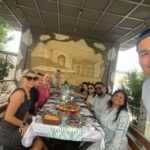
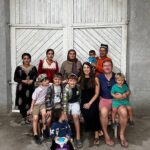
You’re also in a real home setting. That means you get the practical version of cooking: the “how we do it” approach. One guest shared that the cooking happens with the family and that it includes explanations tied to culture, costumes, and history. Even when you’re focused on the food, that context adds meaning to what you’re making.
Don’t worry if you’re not confident in kitchens. This kind of class tends to work best when you can ask questions and follow hands-on guidance. The multi-language guide support helps, and the family energy usually makes it feel less formal and more friendly.
Lunch Isn’t an Afterthought: It’s Part of the Lesson
Lunch comes with the experience, plus bottled water. That’s a practical win because it keeps the day from turning into a “find food somewhere yourself” headache. More importantly, eating what you helped make makes the learning stick.
Try to notice what’s happening on the plate while you eat. For plov, pay attention to how the rice feels, not just the flavor. For samsa, notice the crust and how it holds up. With grilled items like shashlik, check the seasoning consistency and what tastes different from one bite to the next.
If you’re curious, ask the hosts what people serve with certain dishes at home. The value isn’t only in the meal. It’s how the family thinks about hospitality and timing—when food appears, how people share, and how meals fit into daily life.
Family Interaction: Stories, Customs, and Everyday Life Signals
The best part of this tour, for most people, is the human side. The format is designed for real conversation: stories, laughter, and cultural exchange. One review mentioned possible games like chess, and that’s a good clue about the tone—this isn’t a rigid class where you never talk.
You’ll also learn customs beyond the kitchen. That can include traditions around meals, everyday rhythms, and what matters to the family. One guest specifically called out learning traditions and costumes, plus a guide who can explain the history and practices behind them.
A practical note: family visits come with house rules. The tour lists restrictions like short skirts and tight clothing, plus no nudity and no alcohol/drugs. Those rules aren’t there to ruin your day. They’re there so you can be comfortable and respectful in someone’s space.
If you treat it like a cultural meet-and-learn, you’ll get more out of it. If you treat it like a checklist, you might miss the point.
Konigil Paper Factory and the Oil Meal and Pottery Workshop
After cooking and lunch, you shift from food to craft. The experience includes the Konigil paper factory and an oil meal and pottery workshop, which adds useful context for how everyday goods are made in the region.
Why I like craft stops after a cooking class: it connects the dots. Food needs containers, tools, and everyday materials. Seeing how paper is made and how pottery and related goods are produced helps you understand that daily life runs on crafts, not only on markets.
At Konigil, you’re seeing paper production tied to an older tradition. One guest even described it as a paper-making place from the 1st century. Whether you care about the exact timeline or not, the takeaway is that this isn’t a modern display—it’s a craft rooted in long practice.
Then you move into workshops connected to materials used in ordinary life. The oil meal and pottery piece is especially interesting because it points to how ingredients and tools connect. Even without technical details, you’ll likely leave with a better sense of how production and consumption work together.
And yes, some versions of this day can include a hand-made rug workshop as part of the craft circuit. Hand rug making ties into the same idea: skills built over generations, with real labor behind the beauty.
What’s Included, and What You Need to Bring
This tour includes an air-conditioned vehicle, lunch, and bottled water. It’s also a live guided experience with a private group setup. That combination matters because it reduces logistics stress and keeps the day flowing—especially if you’re not traveling with someone who knows the route.
You should bring:
- Comfortable shoes for walking in the bazaar area and around workshops
- Modest clothing that fits the rules (you’ll want to avoid short skirts and tight outfits)
- A light layer if you’re sensitive to temperature swings (A/C plus outdoor sun can be a thing)
What you should not bring or do: red wine, alcohol, drugs, nudity, or alcohol consumption in the vehicle. The point is respect for the household and the cultural setting.
If you’re the type who likes to take home gifts, consider planning small purchases carefully. The tour environment is practical and hands-on, so you’ll want to keep your items easy to carry.
Price and Value: Is $65 for 5 Hours Worth It?
$65 for five hours might look modest or steep depending on your travel style. In this case, I think it’s fair because the price covers several things at once: a private group format, live guide support (Navruz and team), transport via an air-conditioned vehicle, lunch, and bottled water. That’s before you even count the family-based cooking instruction and market time.
You’re also not just learning recipes. You’re getting:
- bazaar ingredient context
- cooking steps for multiple dishes like plov, shashlik, and samsa
- direct family interaction and cultural explanation
- craft visits tied to everyday production
If you’ve done “cooking classes” where you mix ingredients in a demo kitchen and eat quickly, you’ll see the difference. Here, the home setting and the market foundation are the added value.
The one cost you’ll watch is your own energy. This is a full day flow in a short time window, so you’ll benefit most if you’re ready to participate rather than observe from the sidelines.
Who Should Book This Samarkand Class
I’d point this tour toward you if you want less sightseeing and more “how locals live” learning. It’s ideal for:
- food-focused travelers who like hands-on cooking
- culture lovers who enjoy conversation and home-style hospitality
- small-group travelers who don’t want to be rushed with a large crowd
- visitors who want English support (and other listed languages) while still getting a local experience
It might be less ideal if you:
- hate market walks
- prefer fully structured, timed itineraries with zero cultural discussion
- aren’t comfortable with house rules around clothing and behavior
Should You Book This Samarkand Cooking Class?
If you want a Samarkand day that feels human—food made with a local family, a bazaar setup, and then craft stops connected to everyday life—this is a strong choice. The price packs in transport, lunch, and multiple experiences without turning it into a long slog.
Book it if you’re the type who asks questions while cooking and pays attention to details like how dishes are built. Skip it if you only want a quick photo-friendly lesson or if you’re unwilling to follow the dress and no-alcohol rules in a home setting.
FAQ
How long is the cooking class experience?
The experience lasts 5 hours.
What is included in the $65 per person price?
It includes an air-conditioned vehicle, lunch, and bottled water, plus a live tour guide.
Is this tour private or shared?
It’s listed as a private group.
What languages does the live tour guide speak?
The guide is available in English, Korean, Russian, Uzbek, and Tajik.
Can I pay later, and what is the cancellation policy?
You can reserve now & pay later. Free cancellation is available up to 24 hours in advance for a full refund.
Where do we go during the day?
You’ll start with a local bazaar, cook with a local family, and visit Konigil paper factory as well as an oil meal and pottery workshop.
Are there any rules about clothing or food/drink?
Yes. Short skirts and tight clothing are not allowed. Alcohol and drugs are not allowed, and red wine/alcoholic drinks are not permitted (including in the vehicle). Nudity is also not allowed.