REVIEW · UBUD
Balinese Farm Cooking Class by Pemulan Bali
Book on Viator →Operated by Cooking Class Ubud - Pemulan Bali Balinese Farm Cooking School · Bookable on Viator
Cooking on a real Balinese farm is different. You get a market visit in Ubud, then you head to an organic farm where you pick ingredients before cooking. It’s a hands-on way to learn the flavors behind everyday Balinese meals, not just watch someone else cook.
The big watch-out is timing and class mix: you should plan on at least 3 to 4 hours on the ground (even though the tour runs about 5 hours), and groups may include different class levels, so the amount you make can vary a bit.
In This Review
- Key Things to Know Before You Go
- Ubud Market to Farm Kitchen: The Real Point of This Class
- Pickup in Central Ubud and the Meeting Point You Should Find Fast
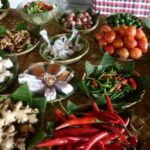
- The Ubud Market Stop: Ingredients, Snacks, and Flavor Clues
- Farm Picking on an Organic Garden: Where the Lesson Starts
- The Open-Air Kitchen: How the Class Works and What You’ll Cook
- Eating Together: Coffee, Tea, Recipes, and Leftovers
- Price and Value: What $39.71 Really Buys You
- Timing Tips: Morning, Afternoon, or Evening
- Who This Fits Best (and Who Might Want Another Option)
- Practical FAQ
- FAQ
- How long is the Balinese Farm Cooking Class by Pemulan Bali?
- How many dishes will I cook?
- Do I get picked up in Ubud?
- Is there a market visit?
- What times are the classes offered?
- Is the group size limited?
- What is the cancellation policy?
- Should You Book It? My Take for Ubud Foodies
Key Things to Know Before You Go
- Market visit first (morning runs): you shop local produce and get a feel for what goes into Balinese cooking.
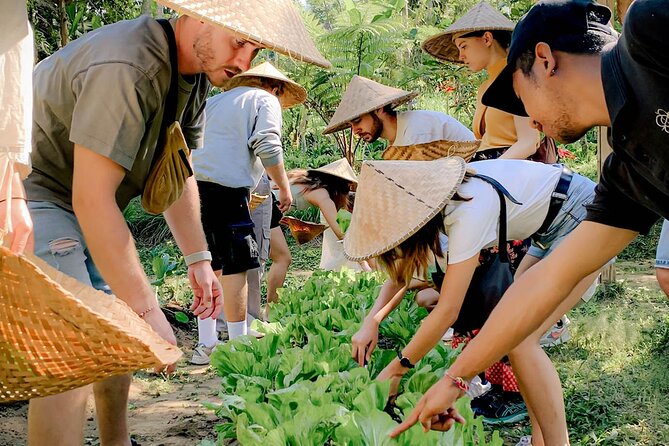
- Farm picking of greens and herbs: you don’t just cook; you choose ingredients from the garden.
- Six Balinese dishes, cooked together: the class is structured for multiple dishes, not a one-recipe demo.
- Open-air kitchen setting: you cook surrounded by countryside calm, not in a classroom.
- Coffee, tea, and recipes included: you leave with what you need to try it again later.
- Small group size (max 20): this usually means more attention and a less chaotic experience.
Ubud Market to Farm Kitchen: The Real Point of This Class
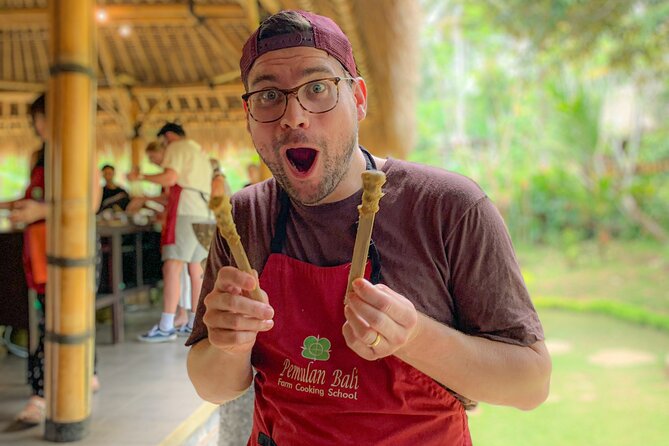
If you’ve done a cooking class that felt like a show, this one should feel more grounded. You start with ingredients in the real world, then move to a farm kitchen and cook with what you found. That flow matters because Balinese food is all about the balance: herbs, aromatics, spices, and how they’re combined.
The vibe is also a big part of the value. You’re on an agricultural property, learning from nature as much as from a chef. One guest experience described the garden tour as a highlight, with selecting greens and herbs before cooking. That’s the kind of detail that turns a meal into a lesson.
The upside for you: you’ll come away with practical cooking confidence. Even if you’re not a strong cook at home, having recipes plus leftovers to take means you can repeat the steps without guesswork.
You can also read our reviews of more tours and experiences in Ubud.
Pickup in Central Ubud and the Meeting Point You Should Find Fast
This experience includes free pickup from central Ubud. That’s important because Ubud traffic can be its own cooking challenge. You’ll start at a specific meeting point: Pura Dalem Puri Peliatan, F7R9+8P2, Jl. Sukma Kesuma (Jl. Raya Ubud), Tebesaya, Petulu, Kecamatan Ubud, Kabupaten Gianyar, Bali 80571.
Practical tip: arrive a few minutes early, especially for the morning slot at 07:30 AM. If you’re using maps, that temple pin point is your best bet. The activity ends back at the meeting point, so you’re not stuck figuring out transport at the end of a full cooking session.
The Ubud Market Stop: Ingredients, Snacks, and Flavor Clues
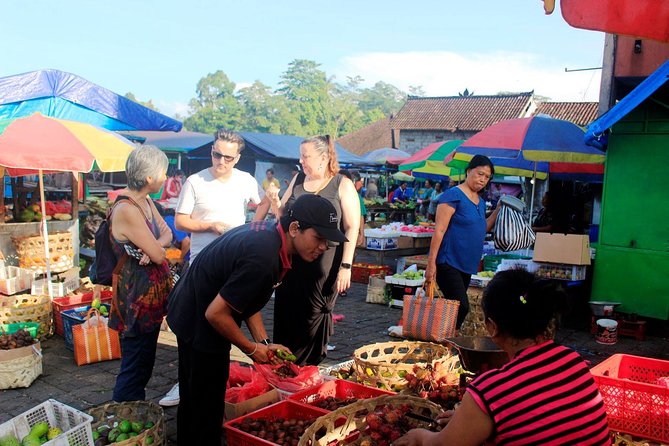
For the morning class, your day starts with a traditional market visit. This is where you build context for what you’ll cook later. You explore local produce, and you’ll also have chances to sample fresh fruits and small treats along the way.
What I like about a market start: it stops Balinese cooking from feeling random. You start connecting dishes to ingredients you can actually picture. You’ll also learn to spot the kinds of herbs and produce used in everyday cooking, rather than only recognizing the final dish names.
A small caution: market time is part of the overall experience pacing. If you’re someone who hates moving at “tour schedule speed,” keep your expectations flexible. The market stop isn’t meant to be a slow browse; it’s meant to feed the cooking part of the day.
Farm Picking on an Organic Garden: Where the Lesson Starts
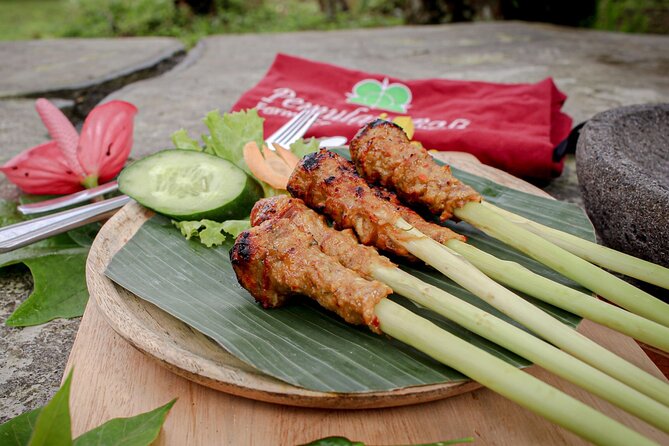
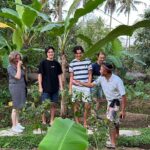
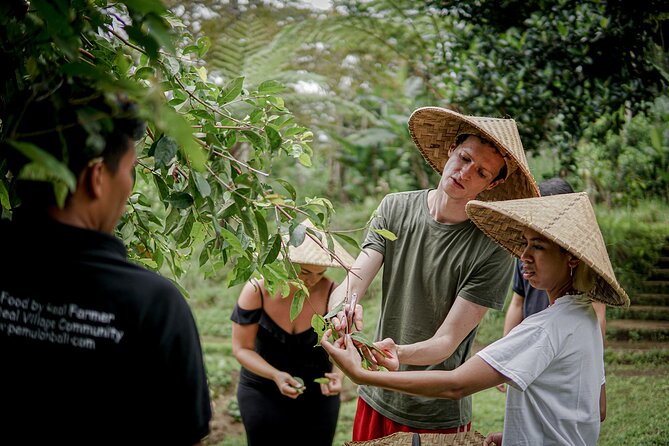
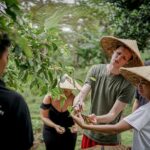
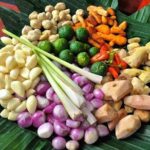
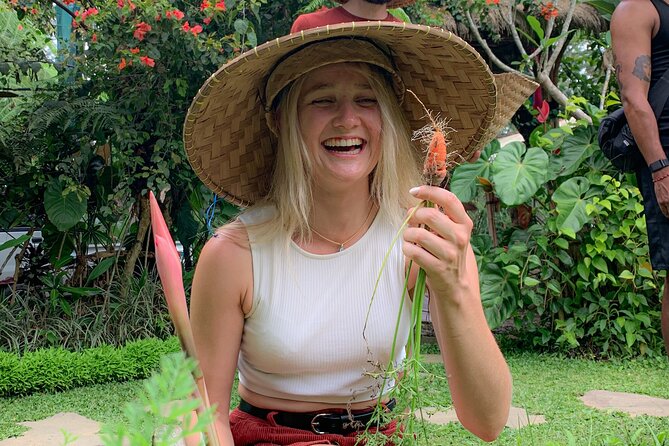
After the market, you head to the farm. The program describes an organic farm and a garden you can explore while picking your own produce. This is the step many classes skip. Here, you’re choosing ingredients—greens, herbs, and other fresh items—from the property before you cook.
In plain terms, this is where the experience clicks. When you’ve picked an herb yourself, you notice it more while cooking. You also remember it later when you see it at a store back home. One guest specifically mentioned the garden tour and the act of selecting greens and herbs as a standout moment, and that lines up with what this farm-first approach is designed to do.
The countryside setting also helps. You cook in an open-air kitchen surrounded by a peaceful rural feel. If you’re tired of car heat and tight alleys in town, this part can feel like a reset button.
The Open-Air Kitchen: How the Class Works and What You’ll Cook
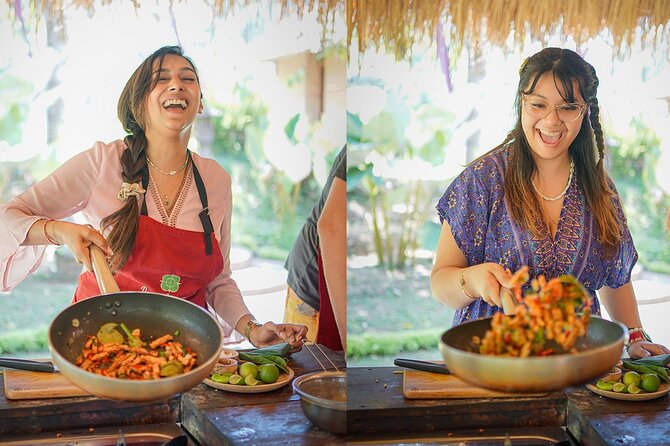
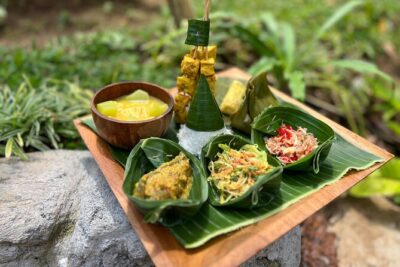
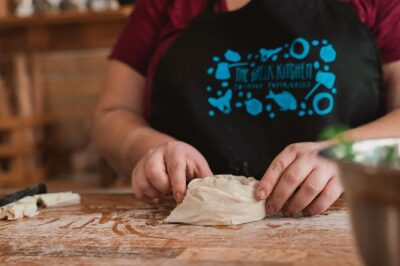
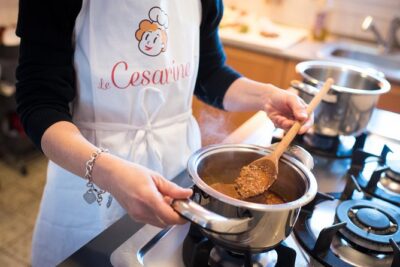
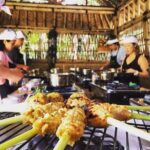
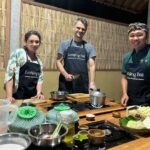
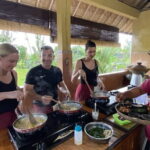
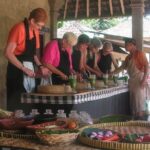
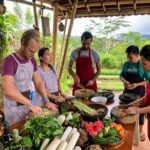
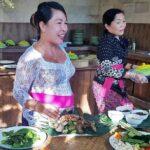
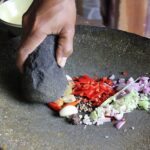
Your chef leads you in a group hands-on cooking session in an open-air kitchen. The class focuses on making six authentic Balinese dishes plus you’ll enjoy the meal together afterward.
Here’s the practical way to think about it: you’re not just doing one appetizer and then leaving. You move through multiple dishes in a sequence that keeps the session flowing. One experience described cooking multiple items across categories—appetizers and mains plus a community dessert—so the class structure is meant to keep you active the whole time, not waiting around.
What you’ll learn is mostly about process:
- how ingredients come together for Balinese flavor,
- how to handle fresh produce you selected,
- and how to time the dishes so the meal lands ready to eat.
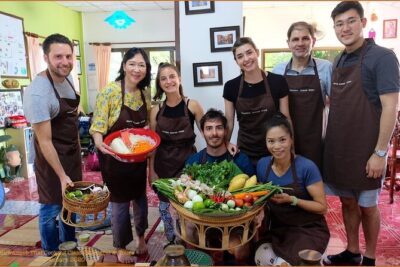
Cooking in a group also changes the experience. You’ll work alongside others, compare how you’re chopping or mixing, and pick up small tips as you go. With a maximum of 20 travelers, it stays manageable rather than turning into a cafeteria line.
Note on class levels: the info you’re given includes different schedule times, and real-world group composition can affect pace and how much food you end up making. Plan for a solid block of time and be ready to roll with the group you’re with.

Eating Together: Coffee, Tea, Recipes, and Leftovers
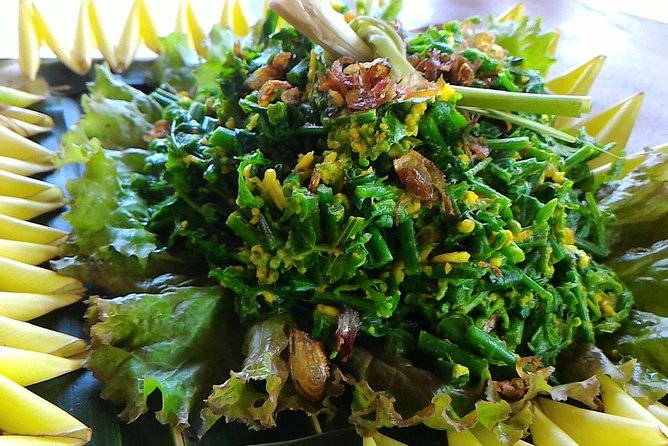
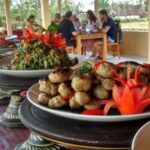
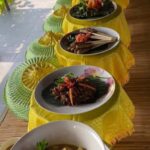
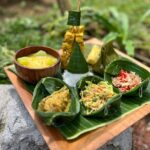
Once the cooking is done, you eat what you made as a group. Coffee and tea are included, and you’ll get recipes to take home. The format is designed so you don’t just taste one bite and leave—you savor the meal you built.
Another smart part for you: leftovers and take-home recipes. That matters because cooking classes can be all effort and no payoff. Here, you leave with something you can actually reproduce later, which turns a one-time activity into a skill you can use.
One guest described the instructions and food quality as exceptional, and that’s what you want to hear. Good instruction is the difference between you feeling proud of your dish versus feeling like you survived a cooking crash course.
Price and Value: What $39.71 Really Buys You
The price is $39.71 per person, and it’s best judged by what’s included. This isn’t just a cooking lesson in a kitchen somewhere. You get:
- free pickup from central Ubud,
- a market visit (in the morning class),
- a farm visit where you pick produce,
- an open-air hands-on cooking session,
- coffee and tea, and
- recipes plus leftovers.
In other words, you’re paying for the full experience chain: ingredients → cooking → meal → take-home materials. That’s usually where the best value lives, because you’re not just learning; you’re seeing where ingredients come from and tasting the result in one go.
And because the group is capped at 20, the experience doesn’t feel like you’re cooking in a crowd. For this kind of class, that’s a real value factor. More attention tends to mean better results.
Timing Tips: Morning, Afternoon, or Evening
You have three options:
- Morning: 07:30 AM
- Afternoon: 12:30 PM
- Evening: 16:00 PM
The overall duration is listed as about 5 hours, but one piece of advice you should take seriously is to expect at least 3 to 4 hours of total time on the ground. Cooking takes time, and the market + farm steps add up.
So how do you choose?
- Choose morning if you want the market visit and you like starting early.
- Choose afternoon if you want the farm and cooking without the early start.
- Choose evening if you’re balancing other Ubud plans and still want the full cooking experience.
If weather turns rough, the experience notes it depends on good conditions. That’s not a dealbreaker in Bali, but it’s a reason to keep your schedule flexible.
Who This Fits Best (and Who Might Want Another Option)
This class fits you best if you want:
- a hands-on Balinese cooking experience,
- real ingredient context through a market and farm stop,
- and practical recipes you can use later.
It’s also a good pick if you’re traveling with friends or going solo and want a structured group day. The small group size supports a more human feel.
Who might hesitate?
- If you hate group scheduling, market stops, or any possibility of class pacing differences, you may find the structure a little rigid. Your experience will still be fun, but you’ll need the right mindset.
Either way, you should walk in ready to cook, taste, ask questions, and accept that food timing is part of the lesson.
Practical FAQ
FAQ
How long is the Balinese Farm Cooking Class by Pemulan Bali?
The class is listed at about 5 hours.
How many dishes will I cook?
You’ll prepare and enjoy six different authentic Balinese dishes.
Do I get picked up in Ubud?
Yes. The experience includes free pickup from central Ubud.
Is there a market visit?
For the morning class, you include a market visit in Ubud to explore local produce.
What times are the classes offered?
Morning is 07:30 AM, afternoon is 12:30 PM, and evening is 16:00 PM.
Is the group size limited?
Yes. The activity has a maximum of 20 travelers.
What is the cancellation policy?
Free cancellation is available up to 24 hours in advance for a full refund. It also notes weather and minimum-traveler conditions, with a different date or full refund in those cases.
Should You Book It? My Take for Ubud Foodies
I’d book this class if you want more than a cooking demonstration. The best part is the full chain: market ingredients → farm picking → open-air cooking → meal plus recipes. For the price, that’s a lot of value packed into one half-day (or more, if you count the full time you’ll be there).
If you’re short on time, choose your schedule slot carefully and expect it to take at least a few solid hours. But if you like food that starts in the garden and ends at your table, this is exactly your kind of Ubud day.