REVIEW · KYOTO
Kyoto Ramen & Gyoza Cooking Class with Professional Chefs
Book on GetYourGuide →Operated by MagicalTrip · Bookable on GetYourGuide
Handmade noodles beat instant ramen, every time. This Kyoto class has you knead, cut, and top ramen noodles, and then wrap gyoza before you eat the whole meal with beer or sake. I especially love the hands-on chef coaching and the take-home recipe guide, so you can actually repeat it at home. One caution: the class cannot accommodate vegetarian, vegan, or gluten-free requests.
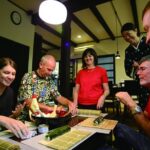
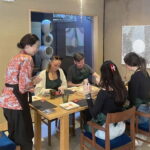
You’ll spend about 150 minutes cooking and eating in a small group capped at 8. The vibe is friendly and practical, with an English-speaking local guide translating the chef’s instructions as you go.
Your guide will meet you in front of the Latitude 35° Story Monument, holding an orange board marked MagicalTrip. Expect lots of photos too, since your guide takes pictures during the class and sends them to you by email afterward.
In This Review
- Kyoto Ramen, Gyoza, and Fried Rice in 150 Minutes
- Meeting at Latitude 35°: Find the Orange MagicalTrip Sign
- What You Cook: From Ramen Dough to Gyoza Wrappers
- Ramen noodles: knead, cut, and top
- Gyoza: wrap your own dumplings
- Fried rice: the finishing comfort food
- Pro Chefs + English Translation: The Part That Makes It Easy
- Drinks Included: Beer, Sake, or Soft Drinks
- A Quick Ramen History Lesson You’ll Actually Use
- Photos and Recipes: The Take-Home Value
- Price and Value: Why $83 Often Works Out Well
- Who This Class Is Best For (and Who Should Skip It)
- Timing Tips: How to Get the Most from 150 Minutes
- Should You Book This Kyoto Ramen and Gyoza Class?
- FAQ
- How long is the Kyoto ramen and gyoza cooking class?
- Where do I meet the guide?
- Is the class taught in English?
- What dishes will I make?
- Are drinks included?
- Do I get recipes to take home?
- Are photos included?
- Can I get a vegetarian, vegan, or gluten-free meal?
- Is this class suitable for children?
- Is it wheelchair accessible?
Kyoto Ramen, Gyoza, and Fried Rice in 150 Minutes
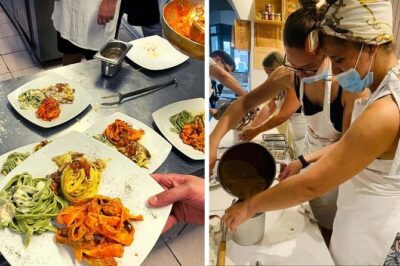
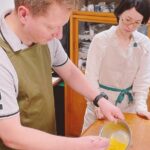
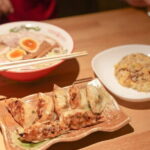
This isn’t a sit-and-watch cooking demo. You’ll be doing the work: making ramen dough, cutting your own noodles, wrapping gyoza, and finishing with fried rice as part of the meal.
The big win here is that you’re learning the core techniques, not just following a recipe. When you roll, cut, and cook the way the chef shows you, your bowl at home stops being a vague memory and becomes something you can reproduce.
The class also doesn’t treat food like a museum piece. It gives you a ramen-and-dumplings rhythm you can use again later: make, cook, plate, eat, and adjust next time.
Meeting at Latitude 35°: Find the Orange MagicalTrip Sign
Logistics matter when you only have 150 minutes. Your meeting point is in front of the Latitude 35° Story Monument (北緯35°物語), and your guide will be waiting there holding an orange board that says MagicalTrip.
The session starts on time. Late arrivals can’t join once the class has begun, so I’d plan to arrive a few minutes early, grab your bearings, and then settle in.
You can also read our reviews of more tours and experiences in Kyoto.
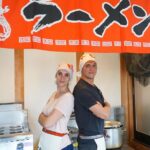
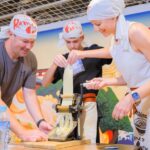
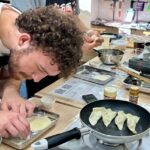
What You Cook: From Ramen Dough to Gyoza Wrappers
You’re making three dishes from scratch: ramen, gyoza, and fried rice.
Ramen noodles: knead, cut, and top
You’ll work with the ramen dough and learn how to knead it properly, then cut the noodles. That part is where the class really earns its title. Cutting noodles is fiddly work, and having a chef guide you through the feel and thickness helps a lot.
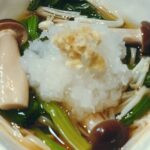
Then you assemble your ramen with toppings you’ve prepared as part of the class. Even if your first noodles aren’t picture-perfect, the point is learning the process so you can improve the next time.
Gyoza: wrap your own dumplings
Gyoza are a hands-on favorite because you can see progress right away. You’ll wrap your own dumplings, then cook and serve them with your meal.
This is one of those activities where your hands learn faster than your brain. And once you taste them, it’s much easier to remember what you did differently from batch to batch.
Fried rice: the finishing comfort food
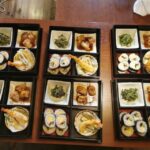
Fried rice rounds everything out. You’ll cook it as part of the shared meal, which matters because you’re not just learning techniques—you’re learning how the dishes fit together as a real Japanese home-style spread.
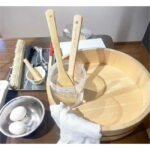

Pro Chefs + English Translation: The Part That Makes It Easy
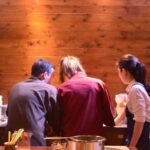
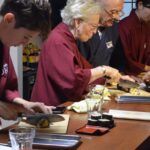
The chef instruction is the backbone of this class, with help from a local guide who speaks English.
From the experience reports I’m seeing reflected in the guide names, the translation support can be a big deal. Guides such as Rika, Yuki, Ayuri, Ken, Shiori, Meri, and Ken (and more) are described as making sure instructions actually land, especially when the chef is moving fast.
This is also where the small group helps. With a maximum of 8 participants, you’re less likely to get lost. You can ask questions and get corrections when your dough or gyoza wrapping needs a tweak.
Drinks Included: Beer, Sake, or Soft Drinks
Your tour includes two drinks with your meal—either alcoholic or soft drinks. That usually makes the meal feel more like a proper dinner than a workshop snack.
If you choose sake, don’t rush it. The class is already filling your plate with handmade food, and you’ll want to pace tasting so you can actually notice what changes when noodles, dumplings, and rice are cooked right.
A Quick Ramen History Lesson You’ll Actually Use
You also get a short ramen history context during the class. The timeline shared here points back to ramen’s early roots, including a story tied to 1697, and a later shift in the early 1900s when ramen expanded beyond a smaller audience.
Why this matters: it turns ramen from a generic comfort food into something more specific to Japan’s food culture—so you understand why there are so many variations and why people care about broth, noodles, and toppings.
Photos and Recipes: The Take-Home Value
Two things make the class feel worth it beyond the meal.
First, your guide takes photos during the cooking and sends them to you afterward. It’s a small detail, but it’s also practical—you’ll remember your steps and your setup, not just how everything tasted.
Second, you get downloadable recipes. This is what helps you repeat the flavors after your trip. Without recipes, cooking classes often turn into a fun one-off. With recipes, you can treat this like a skill you’re collecting, not a memory you’re trying to guess.
Price and Value: Why $83 Often Works Out Well
At $83 per person for about 150 minutes, you’re paying for more than entertainment. You’re paying for:
- Professional chef instruction
- Cooking three dishes from scratch
- A full meal outcome (ramen, gyoza, fried rice)
- Two drinks
- Recipes you can use at home
- Tour photos sent by email
- Small group format
If you break it down, it’s closer to a guided meal with training built in than a standard restaurant dinner. You’ll leave fed, but more importantly, you’ll leave with technique and a usable roadmap.
Who This Class Is Best For (and Who Should Skip It)
This is a great fit if you:
- Love ramen and want to learn why it tastes the way it does
- Want an activity that works for couples, families, or friends
- Enjoy hands-on cooking more than watching
- Like the idea of getting recipes you can follow later
It’s also a good option for solo travelers. Classes are set up so individuals can still participate comfortably in a small group environment.
Skip this class if you need vegetarian, vegan, or gluten-free accommodations. Allergy-free meals are not guaranteed either, since dishes are prepared outside MagicalTrip kitchens, though small adjustments may be possible.
Also skip if you have mobility issues that would make kitchen steps difficult. Wheelchair users are not recommended for this format, and a private tour would make more sense.
Timing Tips: How to Get the Most from 150 Minutes
You should come hungry. This class ends with a full meal, and you’re also tasting along the way with included drinks.
Because it starts on time and late arrivals can’t join, plan your Kyoto walking route so you’re not rushing. Once you arrive, don’t overthink it—follow the chef’s pace, ask questions when something feels off, and focus on technique rather than perfection.
And if you’re bringing kids (age 6+ is welcome), knife work and risky steps require supervision. The class can work well for families when you plan to stay attentive.
Should You Book This Kyoto Ramen and Gyoza Class?
If you want a memorable Kyoto food experience that isn’t just eating, this is a strong choice. The biggest reasons to book are simple: you make ramen noodles from scratch, wrap your own gyoza, and get recipes + photos so the experience doesn’t vanish the next day.
Book it if you’re comfortable with regular ingredients (including meat). Skip it if you need vegan/vegetarian or gluten-free options, or if mobility limitations would make kitchen work difficult.
If you’re deciding between this and another activity, pick the one where you’ll come home with something you can actually cook again. This is that kind of class.
FAQ
How long is the Kyoto ramen and gyoza cooking class?
The class runs for 150 minutes.
Where do I meet the guide?
Meet in front of the Latitude 35° Story Monument (北緯35°物語). Your guide will be holding an orange MagicalTrip sign.
Is the class taught in English?
Yes. Instruction is in English, with an English-speaking local guide translating the chef’s instructions.
What dishes will I make?
You’ll learn to make ramen, gyoza, and fried rice from scratch.
Are drinks included?
Yes. You get two drinks, with options including beer, sake, or soft drinks.
Do I get recipes to take home?
Yes. You receive downloadable recipes so you can recreate the dishes after your trip.
Are photos included?
Yes. Your guide takes photos during the class and sends them to you by email afterward.
Can I get a vegetarian, vegan, or gluten-free meal?
No. The class cannot accommodate vegetarian, vegan, or gluten-free requests.
Is this class suitable for children?
Children age 6+ are welcome, but they must be supervised during knife use or risky steps.
Is it wheelchair accessible?
Wheelchair users are not recommended, and it’s not suitable for people with mobility issues based on the class format.