REVIEW · MARRAKECH
Small-Group Cooking Class Experience in a Marrakech Riad
Book on Viator →Operated by Riad Dar Zaman · Bookable on Viator
Tagine class in a riad is pure Morocco. This is a small-group cooking lesson led by chef Karima and managed by Hassan, with easy French-to-English translation, plus a market-and-bread stop that makes the ingredients feel personal. You’ll also get to eat what you cook—not in theory, but at the table, after the flavors have had time to come together.
The main thing to consider: if the group is delayed waiting for other participants, the cooking part may start right away. That’s not a problem with the staff, just a good reason to arrive a few minutes early and keep a flexible mindset.
In This Review
- Key highlights worth planning around
- Why This Marrakech Riad Class Beats a Typical Food Tour
- Starting at 10:00 in Riad Dar Zaman’s Courtyard
- Souq Shopping: The Ingredient Lesson You’ll Remember
- The Furan Communal Oven Stop (and Why Bread Matters)
- Back in the Kitchen: Salads, Tagine, and Timing That Tastes Right
- Dessert: Sliced Orange with Cinnamon and Moroccan Mint Tea
- Lunch on the Terrace: Eat What You Cook
- Price and Value: Is $102.21 Worth It?
- Who Should Book This Cooking Class (and Who Might Skip It)
- Should You Book This Marrakech Riad Cooking Class?
- FAQ
- What time does the class start, and how long does it last?
- Where does the class take place?
- How big is the group?
- What will I cook during the class?
- What’s included in the price?
- Can I cancel for a full refund?
Key highlights worth planning around
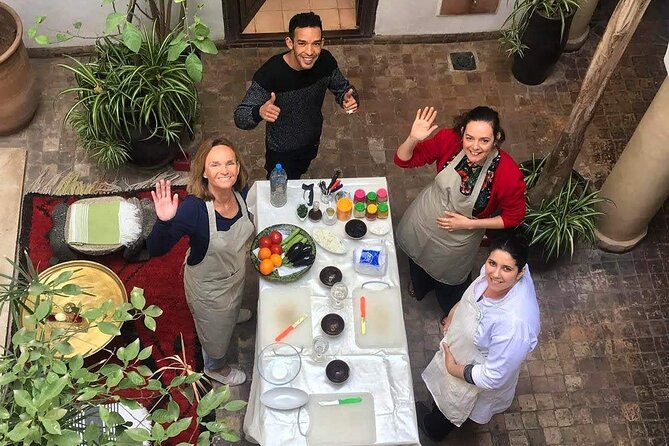
- Hands-on tagine cooking in a cozy riad setting
- Karima’s instruction plus Hassan’s French-to-English support
- Souq shopping so you understand what goes into each dish
- A stop at the furan communal oven for a real look at local bread-making
- Sliced Orange with Cinnamon for dessert, plus mint tea demonstration
- Recipe sheets included so you can recreate the basics at home
Why This Marrakech Riad Class Beats a Typical Food Tour
Marrakech can feel like sensory overload, especially in the medina. This class gives you a way to slow down without being bored. You’re not just watching from the sidelines—you’re buying ingredients, cooking with guidance, and then sitting down to eat your work.
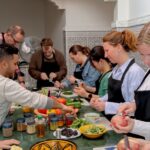
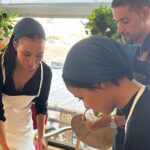
I like the balance here. You get the social part (small group, conversation while you prep), but you also get real technique: tagines are about layering flavor and letting everything cook at the right pace. And because the class is capped at a maximum of six travelers, you’re not fighting for attention or standing around with nothing to do.
One more smart detail: the meal is not just a snack. You’re making lunch, including salads and tagine, then finishing with dessert and mint tea. That makes the price easier to justify, because you’re effectively paying for a guided food experience plus your lunch.
You can also read our reviews of more tours and experiences in Marrakech.


Starting at 10:00 in Riad Dar Zaman’s Courtyard
You meet at Riad Dar Zaman, at 29 Derb Bouelilou, in the Marrakech medina, right in the heart of the neighborhood. The class starts at 10:00 am and runs about 4 hours, and it ends back where you started.
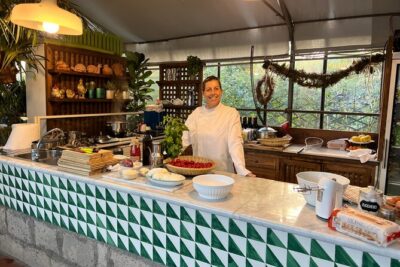
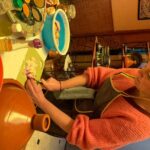
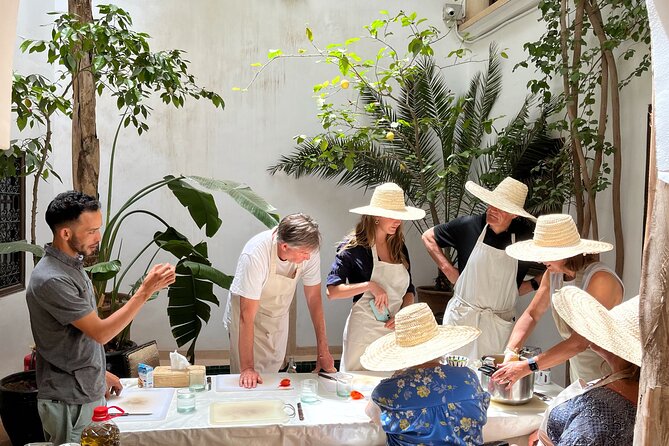
Expect the energy of a working riad. The cooking happens in the courtyard, which keeps things grounded and human. Instead of a sterile classroom vibe, you’re in a space locals recognize as part of daily life. You’ll also have the chance to settle in before the walking starts—use that time to ask questions about spices, vegetables, and how Moroccan cooking builds flavor.
Also, it’s a mobile-ticket experience, so have your phone ready. And bring comfy shoes. You’ll be doing a fair amount of walking through the market area.
Souq Shopping: The Ingredient Lesson You’ll Remember
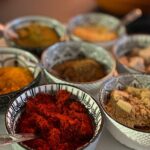
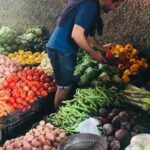
The class includes shopping at the local market, called a souq, where you buy the fresh ingredients for your meal. This is one of my favorite parts because it changes how you see Moroccan food. Instead of thinking in vague terms like spice mix or stew, you start connecting each dish to what you actually bought.
You’ll be guided through what to look for, how fresh ingredients affect flavor, and what’s worth prioritizing for the dishes you’ll cook. Even if you’re not a big cook, this is the kind of “quick education” that sticks—especially for tagine, where balance matters.
A practical note: the medina market experience can be slightly chaotic. Keep your pace steady, listen for what your guide wants you to pick up, and don’t worry about trying to memorize every stall. The goal is understanding, not cartography.
The Furan Communal Oven Stop (and Why Bread Matters)
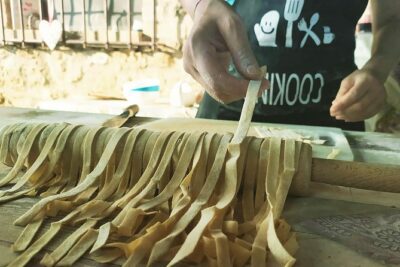
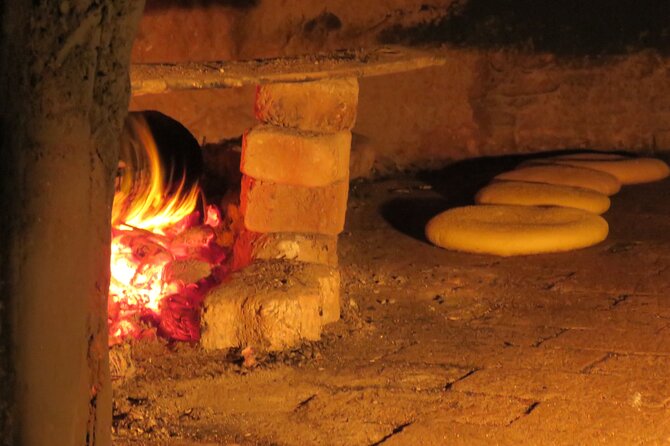
Another included stop is the local communal oven (furan), where people bake homemade bread and biscuits. Bread in Morocco isn’t a side thought—it’s woven into daily routines and meals. Seeing how bread is made helps you appreciate why the table looks and feels the way it does.
This part of the experience adds context to your cooking class. Tagines are meant to be eaten with bread, and the rhythm of bread baking connects the class to everyday local life. You’ll come back to the riad with a more grounded sense of where the flavors come from.
If you’re the type who likes “why it works,” this stop delivers. And if you’re more practical, it still pays off—you’ll feel more confident when you start assembling your meal.
Back in the Kitchen: Salads, Tagine, and Timing That Tastes Right
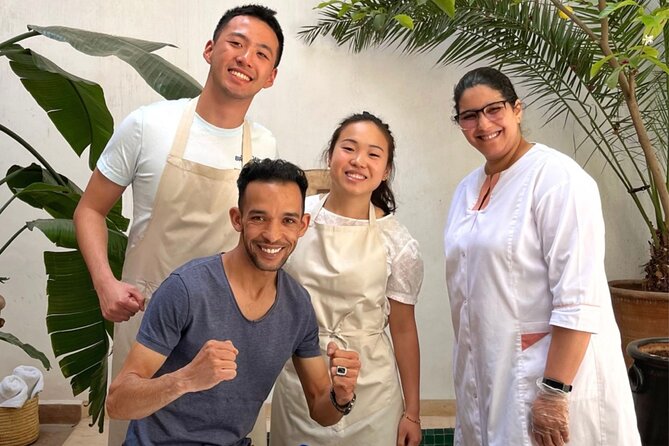
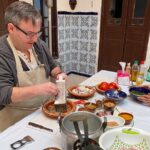
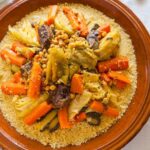
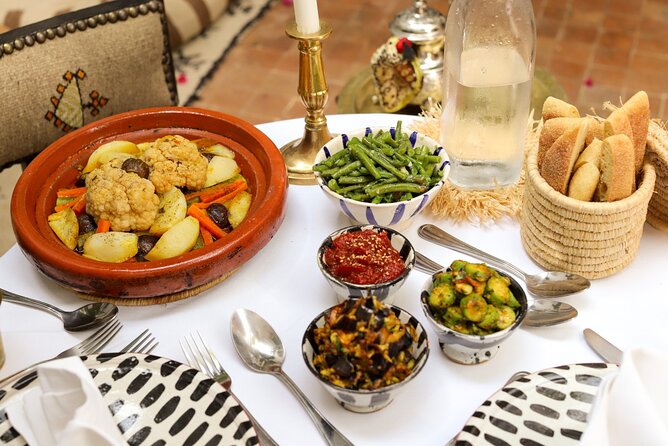
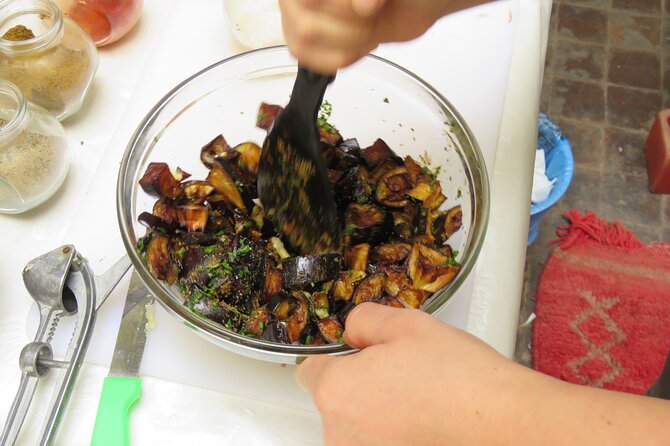
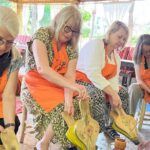
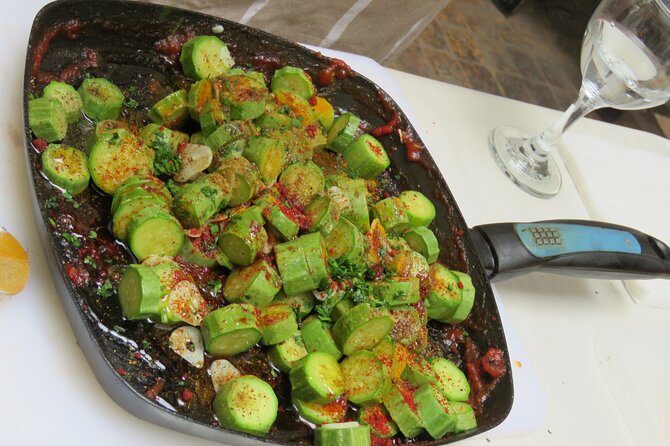
Once ingredients are sorted, the cooking takes center stage. You’ll prepare an assortment of traditional Moroccan dishes, including salads and a tagine. The class is led by chef Karima, and Hassan helps translate from French to English, so you’re not left guessing what to do next.
Here’s what makes the kitchen portion valuable: tagine isn’t just “throw ingredients in a pot.” It’s about sequencing and patience. While you cook, pay attention to how the chef explains the flow of the meal—what comes first, what you build up, and what you let slowly cook. Even when the exact recipe is different from what you’d do at home, the method transfers.
Also, you’re not doing this alone. The class format stays intimate, so you can ask questions without shouting over a crowd. If you’re cooking with spices for the first time, this is a great environment to learn by doing. You’ll likely get clarity on how Moroccan dishes stay balanced rather than heavy.
One more thing I’d plan for: the class is about lunch and eating together. That means your cooking time is intentional. If the group runs late, the kitchen portion may begin sooner, which can slightly shift how long you spend on the earlier stops—but the final goal stays the same: you’ll still prepare and eat a full meal.

Dessert: Sliced Orange with Cinnamon and Moroccan Mint Tea
After salads are plated and the tagine is slowly cooking, the class shifts gears toward dessert. Chef Karima teaches you how to make Sliced Orange with Cinnamon. It’s a simple dessert, but simple doesn’t mean forgettable. Moroccan desserts often balance sweetness with warm spices, and this is a good example of that style.
Then Hassan demonstrates Moroccan mint tea. This matters more than it sounds. Mint tea is one of the first things people notice about Moroccan hospitality—how it’s poured, how it’s flavored, and how it’s served. Learning the basics gives you a clean souvenir experience you can use even after the trip ends.
If you want to impress people at home, focus on the tea ritual as much as the drink itself. It’s often the small details that make it feel authentic.
Lunch on the Terrace: Eat What You Cook
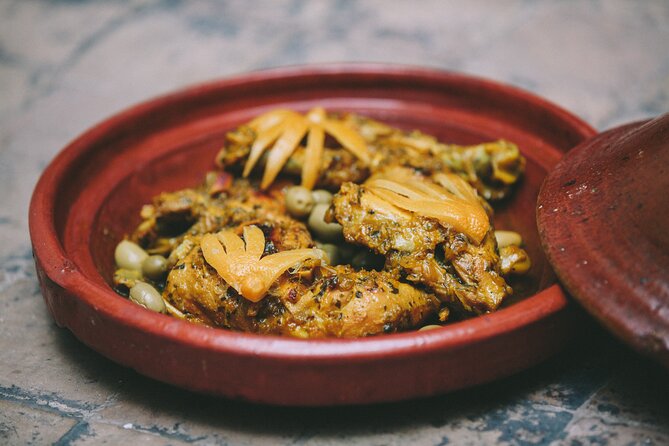
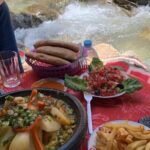
At the end, you sit down to eat what you’ve prepared. This is the payoff moment, and it’s also the fastest way to learn. When you taste your own cooking, you instantly understand what the chef meant about timing, seasoning, and balancing ingredients.
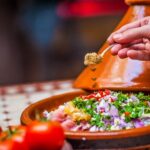
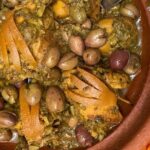
Some classes here can lead to a mix of tagine styles depending on the group setup. In at least one experience, the group had different tagine fillings, like chicken, lamb, and meatball versions. That kind of variety is fun because you get to taste more than one approach without having to order separate dishes.
Lunch is served in the riad setting, and in the better moments you’ll feel like you’re stepping out of Marrakech’s noise and into something quieter. It’s not a fancy restaurant scene. It’s better than that. It’s food made for you, in the place where the cooking actually happened.
Price and Value: Is $102.21 Worth It?
At $102.21 per person, this isn’t a bargain-basement experience. But it can be good value if you compare it to what’s included and what you get to do.
Here’s what you’re paying for:
- A guided experience in a small group
- Market shopping for fresh ingredients
- A stop at the communal oven (furan)
- Cooking instruction from Karima with French-to-English translation support from Hassan
- Lunch plus bottled water
- Recipe sheets you take home
In Marrakech, buying ingredients is easy; learning how to cook them well, while also understanding local context, is harder. This class compresses a lot of that learning into about 4 hours, and you leave with something concrete: recipes and technique you can repeat.
The one thing to keep in mind: alcohol is not included. If you’re planning to drink, budget separately.
Who Should Book This Cooking Class (and Who Might Skip It)
This class is a strong match if you:
- Want a hands-on food experience instead of another walking tour
- Like structured learning, with clear instruction and a final meal
- Prefer small groups and direct guidance
- Are curious about ingredients and local bread culture, not just finished dishes
You might choose something else if you:
- Want a purely sightseeing-focused tour (this is cooking-centered)
- Dislike market walking or prefer to avoid spice-shopping environments
- Are only interested in one specific dish and don’t care about the rest of the meal
That said, even if you’re not a confident cook, this is the kind of class where you can still feel successful. The combination of market context, chef coaching, and shared lunch helps you stay confident from start to finish.
Should You Book This Marrakech Riad Cooking Class?
I think you should book it if you want a memorable Marrakech experience that ends with real food, not just photos. The best reason is the combination: souq shopping + furan oven stop + riad cooking + sit-down lunch in a group small enough for actual interaction.
Two final decision helpers:
- If you’re booking close to your dates, keep in mind the class is popular enough that it’s often booked about 32 days in advance on average. Early booking helps you lock in a spot during busy stretches.
- Arrive a little early and be flexible. If the group is delayed, cooking may start sooner, but you’ll still get the full meal and instruction.
If your travel style includes learning how real locals eat—then this is a smart use of a half day.
FAQ
What time does the class start, and how long does it last?
The cooking class starts at 10:00 am and runs for about 4 hours.
Where does the class take place?
It takes place at Riad Dar Zaman in Marrakech. The class happens in the riad courtyard, and the activity ends back at the meeting point.
How big is the group?
This activity has a maximum group size of 6 travelers.
What will I cook during the class?
You’ll prepare an assortment of Moroccan dishes, including salads and a tagine, then you’ll learn a dessert (sliced orange with cinnamon) and you’ll also see how to make Moroccan mint tea.
What’s included in the price?
Lunch and bottled water are included. Alcoholic beverages are not included.
Can I cancel for a full refund?
Yes. You can cancel up to 24 hours in advance for a full refund. If you cancel less than 24 hours before the start time, the amount paid is not refunded.