REVIEW · TOKYO
Mochi and Nerikiri Wagashi Combination Cooking Class
Book on Viator →Operated by ankotopia WAGASHI School · Bookable on Viator
Three sweet crafts, one quiet kitchen.
I like how this class happens in a local in-home setting instead of a loud studio, which makes the teaching feel personal right away. I also like that the instruction is beginner-friendly, so you’re not stuck guessing your way through chewy mochi or delicate wagashi.
There is one real consideration: the home has two short-hair cats, and they stay in the bedroom during the lesson. If you have a strong cat allergy, plan carefully before booking.
In This Review
- Key things to know before you go
- Trading Tokyo Traffic for a Private Home Kitchen
- What You’ll Make: Mochi, Strawberry Daifuku, Dango, and Seasonal Nerikiri
- Nerikiri Wagashi Shaping: Tutorial Video + Hands-On Motif Work
- Matcha Time: Eat It Fresh or Pack It in a Special Box
- Mochi History and How to Eat It Beyond the Basics
- The $85.66 Value: Three Sweet Creations Plus Tools and Takeaway
- Practical Tips That Make This Class Easier
- Who This Experience Fits Best
- Should You Book? My Decision Guide
- FAQ
- What sweets will I make in the class?
- How long is the Mochi and Nerikiri Wagashi cooking class?
- Can I take the sweets home?
- Is this cooking class beginner-friendly?
- Are the ingredients vegetarian-friendly?
- Is transportation included?
- Where does the class start?
- Is this class okay if I have a cat allergy?
Key things to know before you go
- Private, in-home teaching in Tokyo: only your group participates, so you get hands-on attention rather than a quick demo.
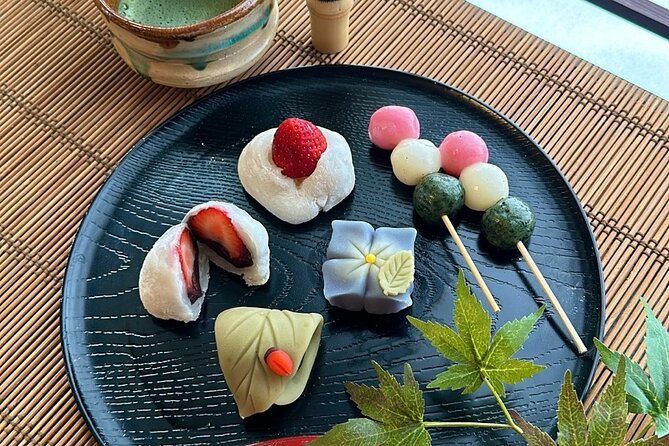
- You make mochi plus multiple finished sweets: strawberry daifuku, dango, and two kinds of seasonal nerikiri wagashi.
- Nerikiri motifs change with the season: the dough is made and colored in advance, and you shape it into a seasonal design with a tutorial video.
- Matcha is part of the experience: you’ll enjoy the sweets with freshly guided matcha, or pack them up to take away.
- Plant-based and vegetarian-friendly: the recipes use plant-based products and are suitable for vegetarians.
- Photogenic help from Satoko-san: you’re guided to plate neatly and the host takes photos during the process.
Trading Tokyo Traffic for a Private Home Kitchen
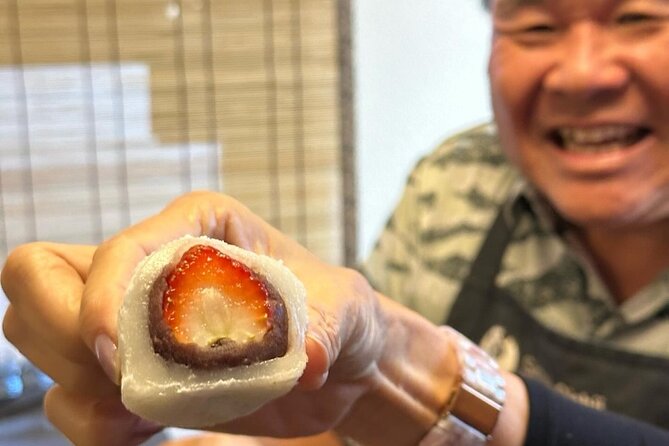
Tokyo can feel like it never stops. This class gives you a different rhythm: you head about 15 minutes from the city and land in a local’s cozy home in Ota City. The meeting point is at 20-15 Kitaminemachi, Ota City, Tokyo 145-0073, Japan, and the activity ends back there, so you’re not dealing with a complicated route after class.
One big value here is privacy. It’s a private tour/activity, and only your group participates, which tends to make questions easier and pacing calmer. You’re also told it’s near public transportation, but private transportation isn’t included—so build a little buffer for getting to the neighborhood.
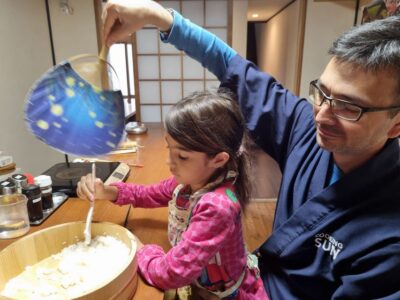
The vibe matters. In a studio, you often watch, wait, and move on. In a home kitchen, you tend to stay in the work—smell the ingredients, get your hands guided, and learn why the steps are done the way they are.
You can also read our reviews of more tours and experiences in Tokyo.



What You’ll Make: Mochi, Strawberry Daifuku, Dango, and Seasonal Nerikiri
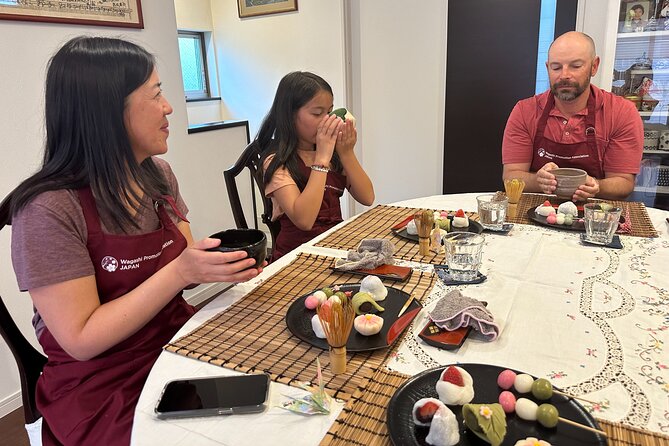
This class centers on mochi, then turns that base into several classic Japanese sweets. You’ll start with mochi made using glutinous rice flour, learning the basics of how the dough comes together. If you’ve ever been intimidated by mochi being sticky or tricky, the beginner-friendly, hands-on format is exactly what helps.
From there, you’ll make:
- Strawberry Daifuku (when strawberries are out of season, you use pineapple or kiwi instead)
- Dango (mochi balls served on skewers)
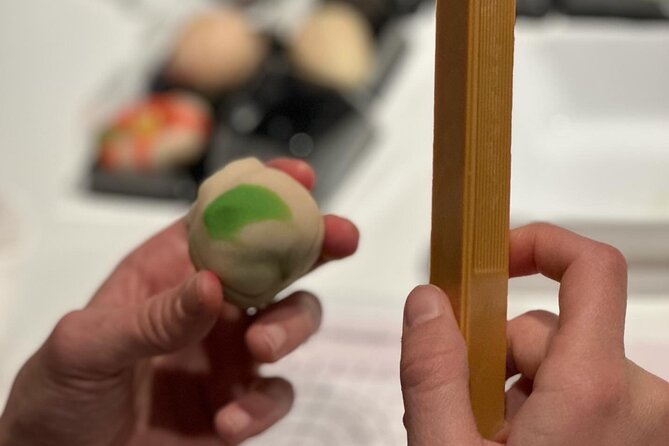
- Two kinds of Nerikiri wagashi, with seasonal motifs
The nerikiri part is where you’ll see craft and patience in action. The motifs change by season, and the design theme is the fun variable you get to learn with. You won’t start from a blank colorless mass—the dough is made and colored in advance, then you shape it into the seasonal look.
That detail is practical. It reduces stress, so you can focus on shaping and technique rather than trying to master multiple steps at once.
Nerikiri Wagashi Shaping: Tutorial Video + Hands-On Motif Work
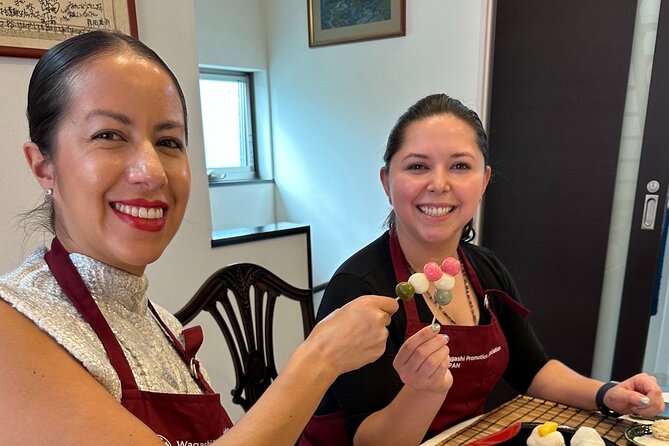
Nerikiri wagashi can look like tiny sculptures. The good news is you’re not expected to invent the shapes yourself from scratch.
Here’s how it works: the dough is prepared ahead and colored, and during your lesson you shape it into a seasonal motif. You also have access to a tutorial video, which gives you a reliable reference as you practice the hand movements. That matters if you want to recreate the sweets later at home.
As you work, watch for three things:
First, take your time with pressure. Too much force can distort the motif, while too little can lead to soft edges.
Second, aim for clean transitions where colors meet—nerikiri is all about those precise boundaries.
Third, think about final form over speed. With wagashi, the finished look is part of the method.
The class also introduces how these sweets fit into Japanese eating culture, so you’re not just making shapes—you’re learning what they mean and how people enjoy them.
Matcha Time: Eat It Fresh or Pack It in a Special Box
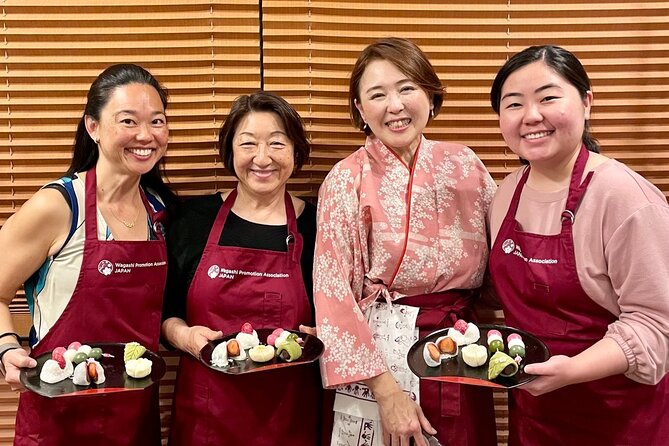
After the hands-on crafting, you get a payoff: tasting. You’ll enjoy your creations with a bowl of matcha green tea, and you’ll make the matcha along with your host’s guidance. That’s a smart pairing because matcha’s bitterness and depth balance sweet mochi textures.
You also have an option that I really appreciate: you can take your sweets with you in a special box. If you’re planning to explore Tokyo afterward, that’s a lifesaver—no need to rush finishing everything right then and there.
Included along with the experience are small comfort items like drinking water, plus a special box for takeaway. Those details sound minor, but they’re part of making sure your sweets survive the trip from kitchen to your next stop.
Mochi History and How to Eat It Beyond the Basics
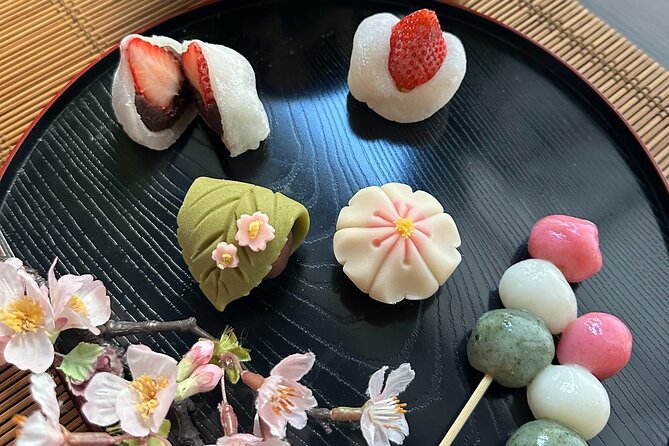
A good cooking class doesn’t stop at technique. This one also shares the history of mochi and teaches you different ways to eat it.
That matters because mochi isn’t just one product—it’s a flexible idea. In your lesson you’ll see that flexibility:
- Daifuku shows mochi as a wrapper for fruit or filling.
- Dango shows mochi shaped and served on skewers.
- Nerikiri shows mochi shaped into seasonal art forms.
If you’re the type who likes understanding why a method exists, you’ll get that context here. And it’s useful when you’re trying to recreate the sweets later, because you’ll know what the final texture and shape should feel like, not just what ingredients to use.
Also, the instruction frames the recipes as simple enough to repeat at home. The class emphasizes that ingredients are easily available in your own country, and because they’re plant-based, the recipes fit vegetarian needs.





The $85.66 Value: Three Sweet Creations Plus Tools and Takeaway
Let’s talk money honestly. At $85.66 per person for about 2 hours 30 minutes, you might wonder if it’s worth it compared to a restaurant meal.
Here’s why the value stacks up:
- You make multiple different sweets, not just one item.
- You get hands-on instruction in a real home setting with personal attention.
- You receive tools and materials: an apron, hand towel, and special tools for wagashi making.
- You get your own special takeaway box, plus matcha as part of tasting.
- You’re also offered a Japanese gift as a souvenir (included).
You’re essentially paying for a full mini-course in texture, shaping, and finishing—plus the learning experience itself. If you’ve ever taken a short workshop where you barely touch anything, this private format is the difference between watching and doing.
There are also group discounts mentioned, which can make the per-person cost easier to justify if you’re booking with friends or family.
Practical Tips That Make This Class Easier
A few details can make your experience smoother.
First, keep seasonal expectations in mind. Strawberry daifuku uses strawberries when in season, and pineapple or kiwi when it’s not. Nerikiri motifs also shift with the season, so your final designs may differ from what you’ve seen online.
Second, dress for hands-on work. You’ll be using an apron, but you’ll still want comfortable sleeves and shoes for a short walk around a home environment. Bring a watchful, learning mindset rather than perfection anxiety.
Third, plan for your approach to the neighborhood. The class uses a local meeting point in Ota City, and private transportation isn’t included, so give yourself time to get there using public transit.
Fourth, consider the cat situation. Two short-hair cats stay in the bedroom during the lesson. If your allergy is strong, I’d treat this as a deal-breaker risk rather than something to gamble on.
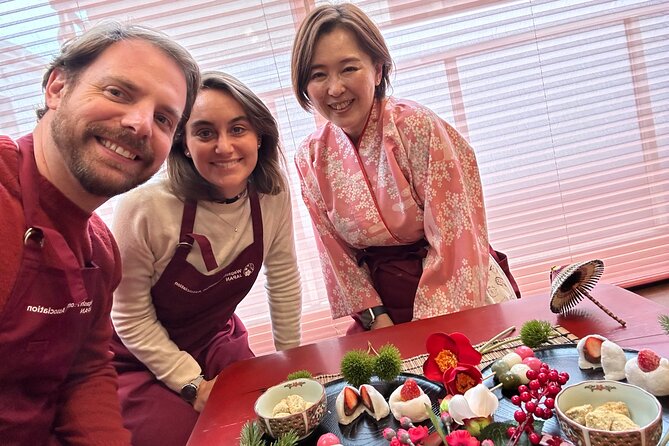
Finally, if you care about documentation, know this: Satoko-san helps keep the process photogenic. She takes great pictures during the process and helps plate the sweets neatly, which is a nice bonus if you want a memory you can actually use.
Who This Experience Fits Best
This class is ideal if you want more than a one-time snack.
You’ll probably love it if:
- you enjoy crafts and want hands-on technique in mochi and wagashi
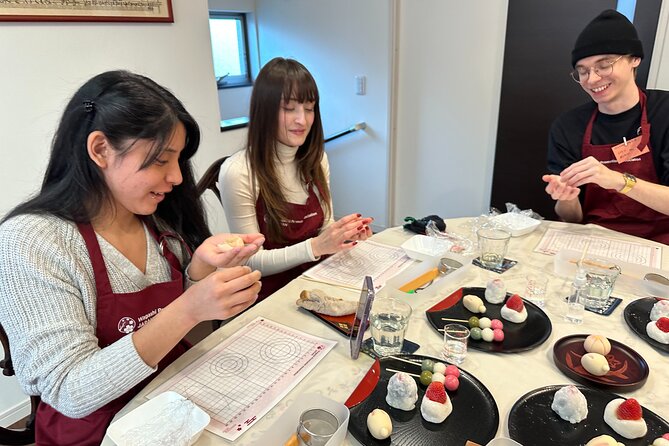
- you’re a beginner and want step-by-step guidance without feeling rushed
- you want a calm break from Tokyo by learning in a neighborhood home
- you need vegetarian-friendly options using plant-based products
- you value making something you can share—or take home in a box
It can also be a good fit for couples or small groups because it’s private and focused. You’re not competing for attention or tools.
If your main goal is only eating, not learning, then it may feel like more work than you want. But if you like the idea of learning a process you can repeat, it’s a strong match.
Should You Book? My Decision Guide
Book this class if you want a hands-on, private way to learn mochi-based sweets, especially when you care about shaping details like seasonal nerikiri motifs. The combination of mochi making, daifuku and dango, plus matcha tasting and a takeaway box makes it a practical use of your time, not just a photo moment.
Skip it if cat exposure is a serious issue for you, since the home has two short-hair cats present during the lesson period (even if they’re in the bedroom). Also skip it if you want a fast, general overview with no craft time—this is built for making.
If you like learning by doing, I’d say this is a smart Tokyo “food + craft” booking.
FAQ
What sweets will I make in the class?
You’ll make three types of mochi/wagashi sweets: strawberry daifuku (or pineapple/kiwi out of strawberry season), dango skewers, and two kinds of nerikiri wagashi with seasonal motifs.
How long is the Mochi and Nerikiri Wagashi cooking class?
It’s about 2 hours 30 minutes.
Can I take the sweets home?
Yes. After the lesson, you can taste your creations with matcha or take them with you in a special box.
Is this cooking class beginner-friendly?
Yes. The class is described as hands-on and beginner-friendly with your host’s guidance.
Are the ingredients vegetarian-friendly?
Yes. The recipes use plant-based products and are appropriate for vegetarians.
Is transportation included?
No. Private transportation isn’t included.
Where does the class start?
The start meeting point is 20-15 Kitaminemachi, Ota City, Tokyo 145-0073, Japan, and the activity ends back at the meeting point.
Is this class okay if I have a cat allergy?
The home has two short hair cats, and they stay in the bedroom during the lesson. It’s not recommended for people with strong allergies to cats.