REVIEW · MUMBAI
Vegetarian Indian Cuisine Virtual Cooking Class Experience from Mumbai
Book on Viator →Operated by Mystical Mumbai · Bookable on Viator
Cooking Mumbai from your screen feels surprisingly personal. This virtual Indian vegetarian cooking class connects you live with Chef Kajal in Mumbai, so you’re not just watching a video—you’re cooking alongside a home-chef and asking questions as you go. It’s set up for a small group, with a recipe handout and a real-time Skype session built around popular Mumbai-style dishes like mattar paneer.
What I love most is the way the class stays practical: you get online recipes to follow, and you can ask Kajal questions while you cook instead of waiting until the end. I also like how personal it feels, with a look at her home and the stories behind the food, not just a step-by-step lecture.
One drawback to plan for: this is taught from a home kitchen, and they’re upfront that the videography won’t be professional. If you want perfect studio lighting or a polished production, you may find the setup a little rough, but the instruction and Q&A are the point.
In This Review
- Key takeaways before you sign up
- A 90-minute Mumbai vegetarian class you can do from anywhere
- Meet Kajal and the camera crew from their Mumbai home
- What you’ll cook: mattar paneer and the vegetarian Mumbai approach
- The live Skype flow: questions while your food is moving
- Recipes in advance: ingredient lists, substitutions, and allergy care
- Video quality expectations: home kitchen teaching, not a studio
- Price and logistics: why $20 feels fair here
- Who this class suits best (and who might not love it)
- How to get the most out of the session at home
- Should you book this virtual Mumbai vegetarian cooking class?
- FAQ
- How long is the vegetarian Indian cuisine virtual cooking class from Mumbai?
- Is the cooking class live on Skype, and can I ask questions?
- What dishes does the class focus on?
- What time zone are the available class times in?
- What if I’m allergic to an ingredient?
- What’s the cancellation policy?
Key takeaways before you sign up
- Live Skype cooking with Chef Kajal: real-time questions, not a pre-recorded class
- Small group size (max 6): more attention while you cook
- Online recipes provided: you can cook along with clear guidance
- Mumbai home + culture stories: food with context, not just technique
- Home-based video setup: expect casual filming, focused on teaching
A 90-minute Mumbai vegetarian class you can do from anywhere
This is a 1 hour 30 minutes live cooking class, priced at $20 per person, and it’s based in Mumbai. That matters because you’re learning in the rhythms of a real Mumbai household kitchen, not a generic “Indian cooking” studio demo. The schedule is shown in Indian Standard Time, so you’ll want to double-check the start time against your local clock.
The format is simple: you join the live Skype session, cook along using the provided online recipes, and use the chat or conversation to ask questions. For me, the big win is that this is designed for learning during the cooking—not after, not by guessing from a shaky screen grab. You get instructor attention while your food is actually happening.
Also, the class is explicitly designed for vegetarians. If you’ve struggled to find vegetarian-friendly cooking classes that don’t feel like an afterthought, this one is aimed at you from the start.
You can also read our reviews of more tours and experiences in Mumbai.

Meet Kajal and the camera crew from their Mumbai home
Chef Kajal is the instructor, and her background is part of what makes the class feel grounded. She learned these recipes from her mom and her older sister, coming from a very traditional Indian family. She started food tours in 2017, so she’s not only cooking—she’s also practiced explaining food to visitors.
You’ll also meet Shailesh during the session, who holds the camera. That’s a small detail, but it changes the feel of the experience. It’s a real household setup, with real people focused on making the teaching work through a screen. In a lot of virtual classes, you’re left feeling like you’re interrupting someone. Here, the experience is built around the idea that you’re joining their home kitchen for a short, guided session.
The provider also notes they’re sharing culture and stories along with the cooking. Since the filming isn’t professional, don’t expect fancy graphics or high-end close-ups. Do expect a conversation about why these dishes matter and how they fit into everyday life in Mumbai.
What you’ll cook: mattar paneer and the vegetarian Mumbai approach
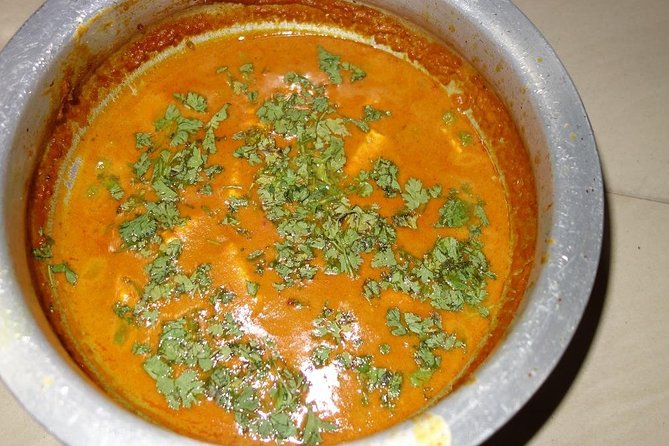
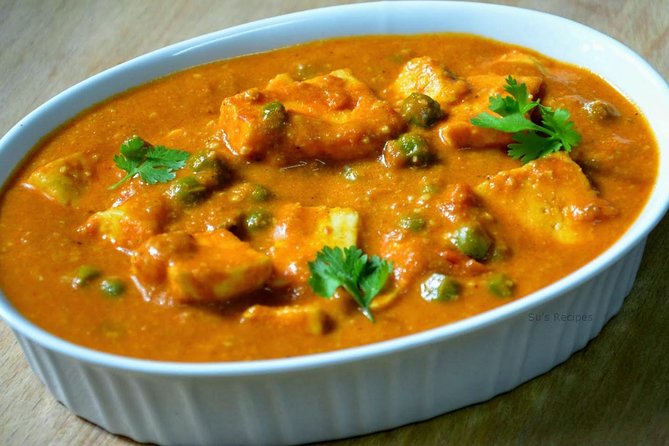
The class highlights mattar paneer, described as cottage cheese gravy with peas. This dish is also called out as one of India’s most popular choices, and Kajal treats it as a favorite. If you’ve ever wanted to make paneer at home without the stress of turning it into a science experiment, this is the kind of dish that’s both approachable and satisfying.
Because the experience is vegetarian and home-chef led, the goal isn’t fancy restaurant technique. It’s flavors you can reproduce where you live. The recipe materials are provided online so you can follow along step by step.
Even if you’ve cooked Indian food before, I think you’ll appreciate the Mumbai angle. Mumbai-style home cooking tends to balance comforting gravy with spices that feel familiar, not complicated. If your past attempts have been missing that “tastes like someone made it in the home” feeling, a live guided session can help you correct that quickly—while your pan is still hot.
The live Skype flow: questions while your food is moving
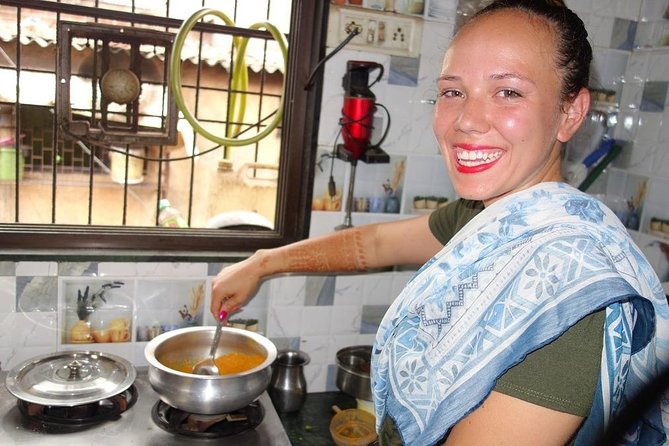
Here’s what the live format gives you: timing control. In an online cooking class, the most common frustration is mismatch—by the time you pause and rewind, the cooking moment is already gone. In this real-time Skype session, you’re meant to cook at the same pace as the chef, then ask questions when something doesn’t match your pan, your stove, or your ingredients.
They also emphasize that it’s hands-on through every step of the food-making process. That doesn’t mean you’ll be forced to run a restaurant kitchen at home. It means you’ll be guided through the sequence of making the dish and you’ll have a chance to clarify things as you go.
For you, the practical setup is straightforward:
- Have your ingredients and tools ready before the class starts
- Keep your screen and audio stable so you can hear the instructions clearly
- Plan to keep one hand free if you want to ask questions during cooking
The class includes stories and culture alongside the cooking. That might sound like a distraction, but in my experience it actually helps you remember the technique. When a chef explains where a flavor comes from and why it’s used, it stops feeling like random spices and starts feeling like food with logic.
Recipes in advance: ingredient lists, substitutions, and allergy care
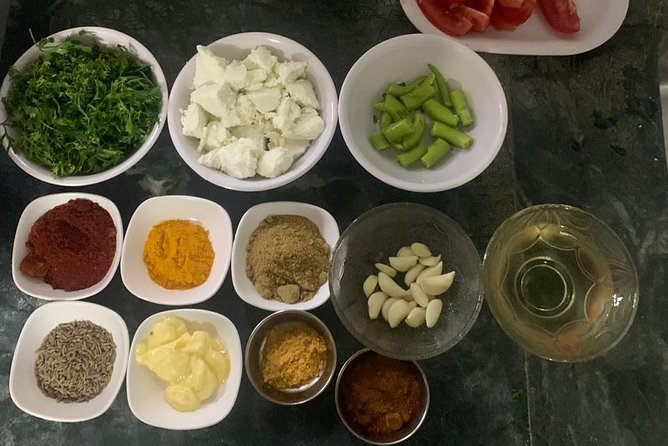
One of the most helpful touches is that you’ll receive a list of ingredients and instructions so you can check what you can find. That gives you time to adjust before the live session, which is a big deal when you’re cooking something spice-forward.
From the experience, there’s also a clear invitation to communicate if you can’t find an ingredient. If something is missing at your local store, tell the chef ahead of time so they can guide you on what to do. That reduces the most common failure point of virtual cooking classes: being stuck mid-recipe with no plan.
Allergies are another key point. You’re asked to share with Kajal if you’re allergic to any ingredients. That’s exactly what you should do for a class like this—because vegetarian dishes still involve many ingredients, including spices, aromatics, and dairy (paneer).
If you’re shopping ahead, don’t wait until the last minute. The spice market in Mumbai may not match your local stores, and even common ingredients like paneer can vary in texture by brand. The advance ingredient guidance is there to help you land on the right approach.





Video quality expectations: home kitchen teaching, not a studio
They’re honest about the filming. This is taught from a small home, and professional-level videography isn’t the goal. For me, that’s not a dealbreaker. In a live cooking class, what you need is clarity of technique and timing. If the camera is slightly more casual, you can still learn if the chef explains what she’s doing and you can ask questions.
Expect a home setting. Expect a bit of real life. Expect that Shailesh is handling the camera while Kajal focuses on teaching.
If you depend on ultra-crisp close-ups to learn, consider setting your expectations accordingly. Keep a notebook or save your recipe steps on your phone. Pause when you need to. The value here is that you can interrupt the process and get help while cooking—not that the shot will be cinematic.
Price and logistics: why $20 feels fair here
At $20 per person for about 1.5 hours, the value depends on two things: group size and teacher attention. This class caps at six travelers, which is a big reason why the Q&A matters. When you’re in a larger group, questions get lost. Here, the setup is meant to keep your learning from turning into a waiting game.
Also, you’re paying for a live instructor-led experience, not just a recipe download. You receive instruction in real time, you get to ask questions, and you learn in the cultural context the chef wants to share. That’s harder to replicate with a YouTube video, especially if you want immediate feedback.
Booking tends to happen around a week in advance on average. If you’re traveling or juggling time zones, don’t wait until the last moment. Time slots in IST can shift your best options, and you’ll want a session that fits your schedule.
One more logistics note: they list pickup offered and mobile ticket. Because this is virtual, you shouldn’t assume it means a traditional pickup. Instead, check the confirmation details you receive so you know exactly what you’re supposed to do for the session link and start point.
Who this class suits best (and who might not love it)
This experience is a strong fit if you:
- Want a vegetarian Indian cooking class that’s actually focused on vegetarian dishes
- Like learning by doing, with a chef watching and answering questions
- Prefer a home-style approach over fancy restaurant cooking
It also works well if you’ve wanted to try paneer-based dishes like mattar paneer but felt unsure about how to balance spice and gravy consistency.
You might think twice if:
- You need studio-quality production to stay focused
- You want a fully scripted, no-interaction class (this is built around Q&A and cooking with the chef)
- Your internet connection is unreliable, since they specifically ask you to make sure it’s working properly
How to get the most out of the session at home
If you want this to feel smooth, treat it like a timed cooking appointment, not background entertainment. Here are practical things that make a difference:
- Prep your workspace: clear counter space, keep trash and wiping cloth nearby
- Measure what you can: Indian cooking often relies on repeatable spice amounts
- Lay out a spoon, pot, and cutting tools before you start
- Keep your online recipe open where you can see it while you cook
Also, be ready to communicate. If something looks off—too thick, not enough flavor, peas not tender enough—you’ll do best by asking Kajal directly. That’s the advantage of this format.
Finally, don’t skip the culture part. The experience is about more than food physics. You’re invited into Kajal’s home life and the way she learned from family, plus the stories around the dish. That’s what makes the class feel like Mumbai, not just Indian food.
Should you book this virtual Mumbai vegetarian cooking class?
Yes, if you want a live, friendly teaching session where the chef explains as you cook and you can ask questions in the moment. The strongest reasons to book are the live Skype interaction with Chef Kajal, the small max group size, and the focus on a classic vegetarian dish like mattar paneer with recipes you can actually use later at home.
Consider passing if you’re the type who needs a polished studio setup or if your internet connection is shaky. This class leans on real people and real home-kitchen teaching, and it works best when you can stay connected and active while you cook.
If you’re hungry to learn vegetarian Indian cooking with a Mumbai perspective—and you like the idea of cooking with someone rather than just watching—this one is a smart use of your time.
FAQ
How long is the vegetarian Indian cuisine virtual cooking class from Mumbai?
The class runs about 1 hour 30 minutes.
Is the cooking class live on Skype, and can I ask questions?
Yes. It’s a real-time session on Skype, and you can ask questions as you cook.
What dishes does the class focus on?
The class focuses on vegetarian Indian dishes from Mumbai, with mattar paneer (cottage cheese gravy with peas) highlighted.
What time zone are the available class times in?
The available times are listed in Indian Standard Time (IST).
What if I’m allergic to an ingredient?
You should share your allergies with the chef so they can take that into account.
What’s the cancellation policy?
You can cancel for a full refund if you do so at least 24 hours before the experience starts. If you cancel within 24 hours, you won’t get a refund.