REVIEW · POKHARA
Pokhara: Organic Farm Tour and Cooking Class at Durku
Book on Viator →Operated by Fewa Trail Treks and Expedition Pvt Ltd · Bookable on Viator
A morning at Durku turns into lunch you helped make. This organic farm tour near Pokhara mixes a real walk through sustainable growing with a hands-on Nepali cooking class. I like that it’s not just watching. You get a lesson on what’s growing and then you actually use it in the kitchen.
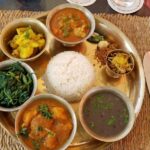
My other favorite part is the food itself. You’ll sit down for lunch featuring dishes like dhido and gundruk with organic vegetables and salads, made from what you cooked and what the farm provides. The one thing to consider is timing and effort: you should go in hungry and ready to participate for a few solid hours, not a quick sightseeing stop.
In This Review
- Key Things That Make This Tour Worth Your Time
- The Easy 10:00 AM Start From Lakeside Pokhara
- Mattikhan And Your First Look At How Food Grows
- The Cooking Class: Nepali Techniques You’ll Actually Use
- Harvesting And Farm Prep: The Farm-To-Table Moment
- Lunch You’ll Feel Good About Eating
- What’s Included (And What You Might Want to Budget For)
- Private Tour Format: Better For Small Groups, Families, And Foodies
- Price And Value: Why $115 Can Make Sense
- Practical Tips To Make The Day Go Smoothly
- Who Should Book This Organic Farm Tour And Cooking Class
- Should You Book Durku’s Organic Farm Tour?
- FAQ
- What time does the organic farm tour start?
- How long is the tour?
- Is hotel pickup and drop-off included?
- What is included in the lunch?
- Do I have to cook, or can I just watch?
- Is this tour private?
- Are there discounts for groups?
- What about children?
- What should I bring or plan for?
- Can I buy souvenirs from the farm?
Key Things That Make This Tour Worth Your Time
- Farm-to-table, hands-on style: harvest and preparation are part of the experience, not a photo-op.
- Chef-led Nepali cooking class: learn techniques and recipes using farm produce.
- Organic growing explained clearly: you’ll get practical context on sustainable farming and local ingredients.
- Lunch built from your work: you cook, then you eat what you made.
- Hotel pickup and drop-off: helps you keep the day low-stress from Lakeside.
- Private tour for your group: you move at your group’s pace.
The Easy 10:00 AM Start From Lakeside Pokhara
This tour starts at 10:00 AM, and it’s set up to feel simple for a half-day plan. If you’re staying in the Lakeside area, expect a short drive—about 25 to 30 minutes by car—depending on exactly where your hotel sits. Once you arrive, the farm team welcomes you and gets you going with herbal organic tea.
That tea matters more than it sounds. It’s a small reset that signals you’re switching from town pace to farm pace. From there, the day flows into cooking right away, so you’re not wasting time watching instructions you won’t use.
If you want the day to feel smooth, I’d plan to be ready at pickup time. You’ll have a full 4 to 5 hour block where you’re moving, learning, cooking, and then eating.
You can also read our reviews of more tours and experiences in Pokhara.
Mattikhan And Your First Look At How Food Grows
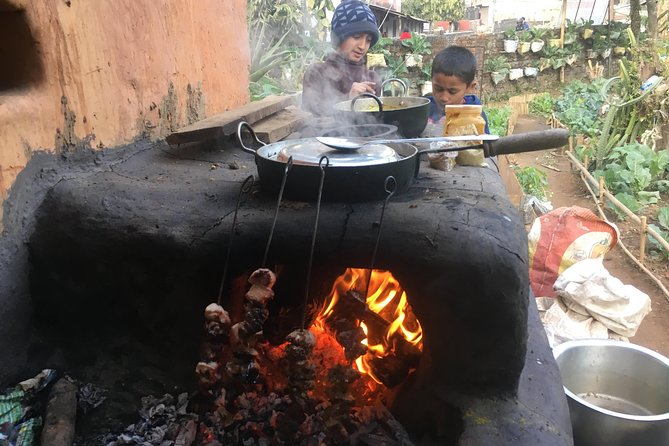
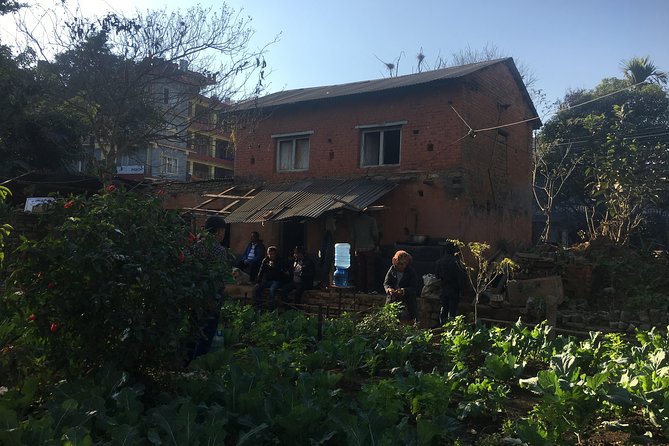
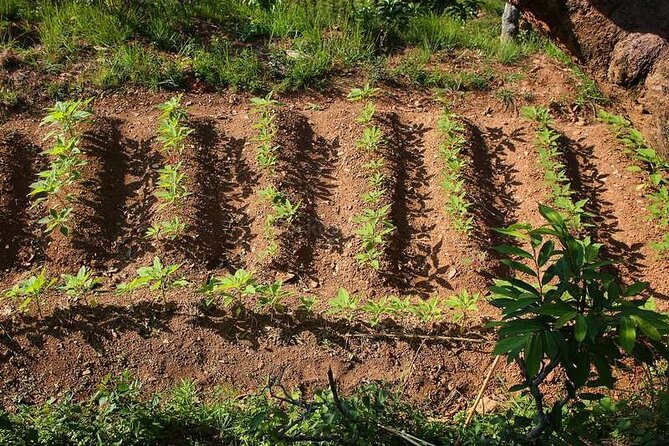
The tour heads to the farm area around Mattikhan, where you’ll get the first taste of what the farm is about. You’ll be greeted by an organic farm expert who explains what’s grown and how the farm approaches sustainable cultivation.
I like this part because it gives you something practical. It’s not just a sales pitch about organic. You’ll learn why locally sourced ingredients matter, and you’ll see the kinds of vegetables and herbs the farm grows. The reviews you’ll find for this experience often point out that people come away able to identify what they saw. That’s a good sign, because it means the explanation sticks.
A small drawback to keep in mind: farm-style learning can feel a bit weather-dependent. If it’s raining or very hot, you may feel it more than you would in a city kitchen. Bring a light layer and comfortable shoes, and you’ll be set.
The Cooking Class: Nepali Techniques You’ll Actually Use
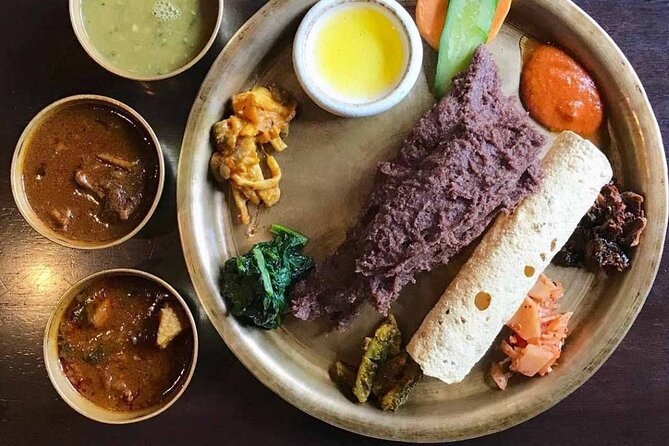
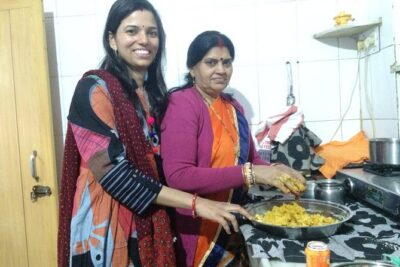
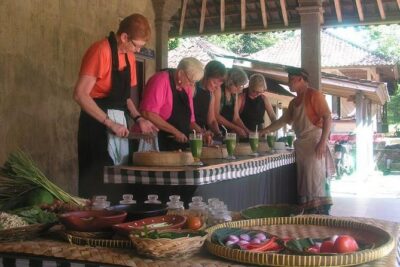
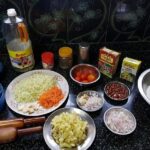
Here’s where the tour becomes more than a tour. A local chef leads the cooking session for about 1 hour and 30 minutes, guiding you through authentic Nepali dishes using organic ingredients.
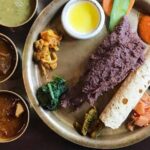
The “authentic” part isn’t vague. The lunch menu tied to this experience often includes dhido and gundruk, along with organic vegetables and salads. Those are not random tourist items. They’re common Nepali staples, and learning them helps you understand flavor patterns—fermentation, spice balance, and how vegetables are handled rather than just added at the end.
What to expect during the class:
- You’ll cook with ingredients connected to the farm.
- You’ll get step-by-step guidance from the chef.
- You’ll learn techniques tied to traditional Nepali recipes, not just one-off dishes.
One tip for getting the most out of the cooking time: ask your chef about the parts that feel confusing while you’re doing them. Once you leave the kitchen, it’s harder to recreate that exact moment of clarification.
Also, since you’ll be eating what you cook, pace yourself while learning. Don’t rush the learning stage because you’re excited for lunch.
Harvesting And Farm Prep: The Farm-To-Table Moment
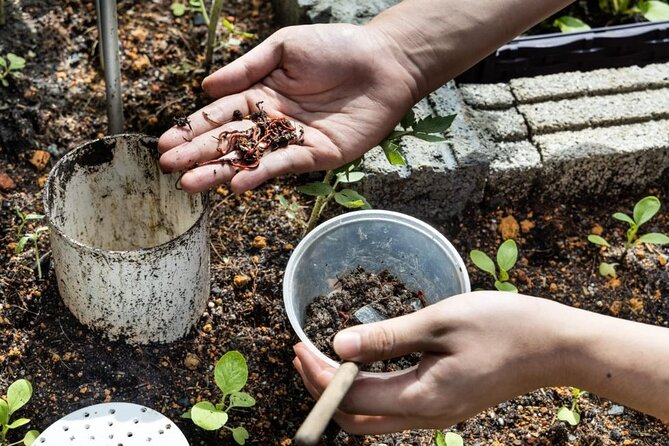
The highlight is the farm-to-table experience. You’ll harvest fresh ingredients from the organic farm, then take part in preparation. Finally, you’ll enjoy a meal made from what came straight from the field to the cooking process.
Even if you’ve done hands-on food activities before, this one has a specific value: it connects sustainable farming to your plate. You’re not asked to care in theory. You see the ingredients come from the growing system, then you watch how they’re turned into Nepali food.
A practical note: harvesting and prep can take a bit of physical effort. You don’t need to be athletic, but you should be willing to participate. If you prefer to observe more than handle food, you might find it a little more active than a typical museum-style tour.
Lunch You’ll Feel Good About Eating
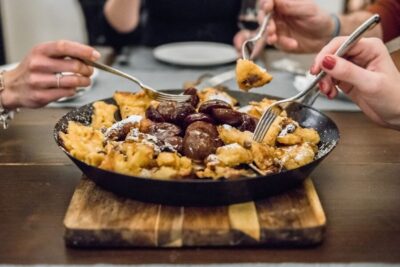
After the cooking class, lunch is served. The included meal is described as typical authentic Nepali dishes—often dhido with gundruk/organic vegetables and salads, depending on what’s in season and what the farm is providing.
This is one of the best “value” parts of the day. In many tours, lunch is filler. Here, lunch is the payoff. You cook, you eat, and it’s tied to ingredients grown nearby. It also helps explain the earlier lessons about local sourcing and sustainable cultivation. You taste the difference between ingredients that are meant to be used fresh and prepared in traditional ways.
If you’re the type who likes to figure out what you’re eating, this tour gives you a leg up. You’ll have context for ingredients you might otherwise treat as generic vegetables. That context can make your next Nepali meal in town more enjoyable, because you know what to look for.

What’s Included (And What You Might Want to Budget For)
The tour includes a lot of the moving parts that usually cost time or extra money on your own:
- Lunch (authentic Nepali dishes such as dhido and gundruk/organic vegetables and salads)
- Organic farm visit with expert explanation
- Local guide
- Hotel pickup and drop-off
- Private tour (only your group)
- Transfer by private vehicle
- Bottled water
Two nice practical details: bottled water is covered, and you’ll have a mobile ticket. That’s the kind of small convenience that keeps things from turning into a scavenger hunt.
What’s not included: souvenirs like organic vegetables, fruits, and natural herbs. They’re available to purchase, which means if you fall in love with a specific ingredient, you can take a little of the farm home. If you’re the souvenir type, set aside a little budget for this.
Private Tour Format: Better For Small Groups, Families, And Foodies
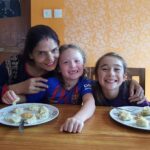
This is listed as a private tour/activity, meaning it’s for your group only. In practice, that usually means fewer awkward waits and more chance to ask questions during both the farm lesson and the cooking class.
It can be a strong choice if:
- You travel with friends or family and want a quieter, more personal pace.
- You want your chef and guide to focus on your group’s questions.
- You’re a food-focused traveler who enjoys learning through doing.
There’s also a mention of free-of-cost children up to 5 years with valid ID, and children must be accompanied by an adult. If you’re traveling with kids, this is a manageable half-day format. Still, since there’s hands-on participation, consider whether your child will be comfortable with that level of involvement.
Price And Value: Why $115 Can Make Sense
At $115 per person, this isn’t the cheapest half-day activity in Pokhara. But it’s also not just a “see the farm” ticket. You’re paying for several real components bundled together: hotel pickup and drop-off, private vehicle transfer, farm visit with expert explanation, a local guide, a chef-led cooking class, and a full included lunch.
So the value depends on what you’d otherwise do with that half day:
- If you’d take a paid taxi, find a cooking class separately, and then eat nearby, you’d likely spend more than you expect.
- If you enjoy hands-on experiences, the chef instruction is a big part of what you’re buying.
- If lunch is important to you, it’s included here, and it’s not random.
Group discounts are mentioned too. If you’re traveling with others, ask about group discount options when you book. Even a small reduction can push this from reasonable to a great deal for what you get.
Practical Tips To Make The Day Go Smoothly
These are simple, but they matter:
- Wear comfortable closed-toe shoes for farm walking and harvesting.
- Expect a hands-on cooking session. Bring your curiosity and be ready to participate.
- Plan for a full meal after cooking. If you snack heavily before pickup, lunch will feel less satisfying.
- If you’re sensitive to spices or fermentation tastes, tell the chef during the class so they can guide you on how to adjust portions within the lesson format.
One last tip: take a few notes during the cooking class. Even a short list of key steps helps you recreate the dishes later, and it makes the experience feel more personal.
Who Should Book This Organic Farm Tour And Cooking Class
I think this works especially well for:
- People who want authentic Nepali food learning tied to ingredients grown nearby.
- Travelers who like real context, not just photos.
- Foodies who enjoy cooking classes and want to understand technique.
- Families and small groups looking for an organized half-day plan with pickup and lunch included.
It may not be ideal if you want a mostly passive experience. Since you’ll harvest and help with preparation, the day is active by design.
Should You Book Durku’s Organic Farm Tour?
If you want a half-day in Pokhara that combines sustainable farming, real Nepali cooking, and a sit-down lunch you earned, I’d book it. The biggest strength here is the farm-to-table structure: you’re taught, you participate, you cook, and then you eat what you made. That flow makes the value feel tangible.
If you’re on the fence because of cost, think about what you’d pay separately for pickup, a chef-led class, and an included lunch. For many travelers, this bundle is what makes the price feel fair. Add in private group format and the clear focus on organic ingredients, and it becomes a smart use of a morning in Pokhara.
FAQ
What time does the organic farm tour start?
The experience starts at 10:00 AM.
How long is the tour?
The duration is about 4 to 5 hours.
Is hotel pickup and drop-off included?
Yes. Hotel pickup and drop-off are included, along with transportation by private vehicle.
What is included in the lunch?
Lunch is included and is described as typical authentic Nepali dishes, including items like dhido and gundruk/organic vegetables and salads.
Do I have to cook, or can I just watch?
The experience is hands-on. You participate in the cooking class and the farm-to-table harvesting and preparation.
Is this tour private?
Yes. It’s listed as a private tour/activity, meaning only your group participates.
Are there discounts for groups?
Group discounts are mentioned as a feature, though the exact discount amount isn’t specified here.
What about children?
Children must be accompanied by an adult. Children up to 5 years are free with valid ID.
What should I bring or plan for?
Wear comfortable shoes since the day includes a farm visit and harvesting/preparation. Bring your appetite—lunch is included.
Can I buy souvenirs from the farm?
You can purchase souvenirs like organic vegetables, fruits, and natural herbs, but they are not included in the tour price.