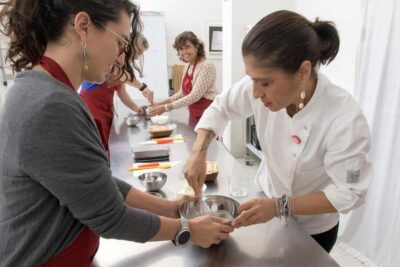
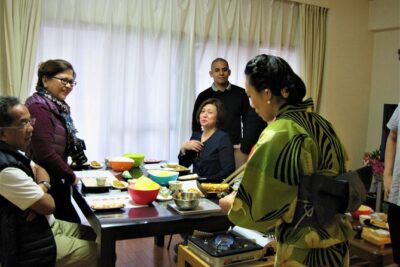
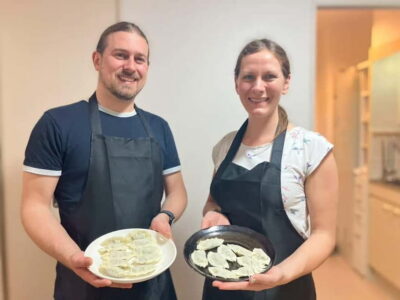
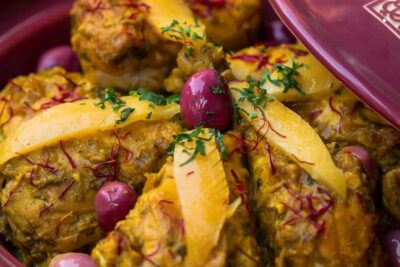
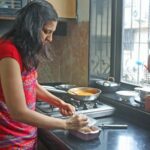
That smell of warm roti is the best welcome to Mumbai. This private class in a local home near Five Gardens focuses on Punjabi comfort food you’ll actually cook, from flatbread to paneer makhni, then eat together. I especially like that it’s taught by Shilpa, a home cook who explains the steps with real care, and you get a proper meal afterward rather than a demo you don’t taste.
Two things I really like: you learn traditional technique for roti or paratha (not just shortcuts), and you get a sit-down meal with pairing explanations so you understand why the flavors work. The food and drink are included, which matters because it turns the experience into an easy, one-booking plan—show up hungry, cook, eat, go.
One possible drawback: this is vegetarian-only by design. If you want a meat-forward cooking class or you’re chasing ultra-luxury ingredients, you may find the focus very intentionally plant-based and home-style.
In This Review
- Key highlights at a glance
- Punjabi Vegetarian Cooking in Shilpa’s Home Near Five Gardens
- Finding the Kitchen: Indu Villa Meeting Point in Matunga East
- What You’ll Cook: Roti or Paratha, Paneer Makhni, and Dal
- Roti or paratha (flatbread the traditional way)
- Paneer makhni (fresh cheese in tomato gravy)
- Dal (lentils) with rice and Indian breads
- Seasonal additions you might also see
- The Hands-On Flow: How the Class Feels in Real Life
- A quick local grocery walk (if included in your session)
- Seasonal menu means learning choices, not memorizing
- The Meal Lesson: Pairings That Make Punjabi Food Click
- Drinks, Water, and the Comfort of a One-Price Meal
- Vegetarian and Vegan Options Without Drama
- Price and Value: Is $53.34 Worth 2 Hours in a Local Kitchen?
- Who Should Book This Cooking Class (and Who Might Skip It)
- Quick Planning Tips Before You Go
- Should You Book This Private Vegetarian Indian Cooking Class?
- FAQ
- Can I choose a lunchtime or dinnertime cooking workshop?
- Is the class vegetarian, and can it be vegan?
- What dishes will I learn to cook?
- What food and drinks are included?
- Where is the class held, and where do we meet?
- Is this a private experience?
- What if I need to change my start time or request a specific dish?
- What is the cancellation policy?
Key highlights at a glance
- Private, hands-on Punjabi cooking in a local Mumbai home with Shilpa
- Roti or paratha technique taught traditionally, step by step
- Signature dishes like paneer makhni and dal, plus bread and rice
- Seasonal menu with the option to request a specific dish in advance
- Vegetarian as standard, with a complete vegan meal available on request
- Includes food, water, and a local beer with your meal
Punjabi Vegetarian Cooking in Shilpa’s Home Near Five Gardens
Mumbai cooking classes can feel either tour-like or overly scripted. This one works because it’s hosted in Shilpa’s home, so the whole flow feels like joining a family kitchen for a meal lesson. You’re not just learning recipes—you’re picking up how someone from Punjab thinks about taste, spice, and timing.
The class is built around Punjabi staples that you’ll recognize in Indian restaurants, but the real value is that you learn how they’re made from scratch. You’ll also get context about the lifestyle of people living in different parts of Punjab, since Shilpa shares her background and what shapes her cooking choices.
You’ll usually be choosing lunchtime or dinnertime, depending on what fits your schedule. Either way, it’s approximately 2 hours, which is long enough to cook and sit down, but not so long you end up rushing through the meal.
You can also read our reviews of more tours and experiences in Mumbai.

Finding the Kitchen: Indu Villa Meeting Point in Matunga East
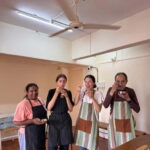
You meet at Indu Villa, Plot no Five Garden, 602-C, Lady Jehangir Rd, Matunga East, Mumbai, Maharashtra 400019. That area matters because it places you in a real neighborhood setting, not a commercial cooking studio.
The good news for planning: it’s listed as near public transportation, so you should be able to reach it without a complicated route. Also, because it ends back at the meeting point, you can keep your day simple—especially helpful if you’re juggling Mumbai’s traffic and timing.
Shilpa also offers flexibility with start time if you want to begin earlier or later. You just need to inform her by WhatsApp in advance. That small detail is the difference between a stressful schedule and a smooth one.
What You’ll Cook: Roti or Paratha, Paneer Makhni, and Dal
This is a Punjabi menu with a strong backbone: flatbread + lentils + a rich main. In practice, that means you’ll focus on skills that repeat across many Indian meals—especially dough handling, heat control, and spice layering.
Roti or paratha (flatbread the traditional way)
Roti and paratha are simple to describe, but tricky to nail. In this class, you learn the traditional way and you’ll hear how technique affects texture. Think: how you shape, how you manage the pan, and how you handle the dough so it cooks evenly.
Shilpa is also teaching within a Punjabi framework, so you’re not just making bread—you’re learning the logic behind the process. That’s one of the skills you can take home and reuse.
Paneer makhni (fresh cheese in tomato gravy)
Paneer makhni is all about balance: creamy texture, tomato depth, and spice that feels warm rather than harsh. You’ll learn how to cook it and then eat it as part of the meal.
If you’ve only ever had paneer makhni in restaurants, this is where you’ll notice the difference. Freshly cooked sauces and properly timed spice additions matter, and you’ll see how quickly things shift once the pan is hot.

Dal (lentils) with rice and Indian breads
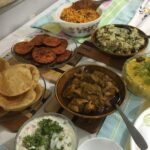
Dal teaches you patience. It’s not just “boil lentils,” it’s also about tempering, consistency, and seasoning. You’ll learn how to cook dal and serve it alongside rice and Indian breads.
The class is designed so your dishes support each other: bread for scooping, dal for grounding the meal, and paneer makhni for richness.
Seasonal additions you might also see
The menu is seasonal, so the exact line-up can vary. In addition to roti/paratha, paneer makhni, and dal, some lessons include spiced potatoes and more than one type of flatbread. If you care about learning a specific dish, you should reach out to Shilpa in advance.
The Hands-On Flow: How the Class Feels in Real Life
A cooking class lives or dies on instruction quality. Here, Shilpa teaches in a way that sticks, with step-by-step detail and explanations that make the food feel understandable, not mysterious.
You also get to ask questions. In a home kitchen, that’s easier than in a big group demo where the instructor is racing the clock. The pace is more conversational, and you’ll feel comfortable enough to correct technique while you’re still cooking.
A quick local grocery walk (if included in your session)
One thing you may experience is a quick trip to a local grocery, where Shilpa explains vegetables, spices, oils, tea, rice, and other kitchen staples. That’s useful because it turns “I cooked a dish” into “I understand what to buy and why.”
Even if your session doesn’t include every same stop, the overall idea is that you’ll learn how ingredients behave in Mumbai kitchens—freshness, spice choices, and the pantry items that matter most.
Seasonal menu means learning choices, not memorizing
Because the menu is seasonal, you’re learning principles rather than locked-in steps that only work with one exact ingredient. That helps if you’re cooking later in your own kitchen where ingredient availability might be different.
If you want something specific—like a particular regional variation—this is where you should plan ahead. The class says the menu is seasonal, and Shilpa can be contacted in advance if you want to focus on a specific dish.
The Meal Lesson: Pairings That Make Punjabi Food Click
Cooking is only half the experience. The other half is eating your work—and understanding why it tastes the way it does.
When you sit down, Shilpa explains how each dish is paired to bring out its unique taste and flavor. This is one of those “why didn’t I learn this earlier?” moments, because you realize Indian meals are designed as combinations, not separate dishes on random plates.
You’ll have rice and Indian breads alongside your mains. That isn’t just filling—it’s functional. Rice softens intense flavors. Bread lets you scoop and blend. Dal adds body and warmth. Paneer makhni brings richness that makes everything feel complete.
It’s also where the class becomes relaxing. After a couple hours of working with dough and sauce, you finally get to slow down and taste the results of your own hands.
Drinks, Water, and the Comfort of a One-Price Meal
You don’t have to think about what to eat or where to go afterward. Food, water, and a glass of local beer are provided with your meal.
That matters for value. Many “light” experiences teach a few techniques but leave you paying separately for lunch. Here, the included meal turns the class into something you can plan around—show up, cook, and leave with full stomach and new know-how.
Also, because it’s in a local home, the meal doesn’t feel like a performance. You’re not eating small portions for photos. You’re eating what you cooked.
Vegetarian and Vegan Options Without Drama
This class is vegetarian-only. That’s not a compromise; it’s the whole point. Shilpa’s menu centers vegetarian Punjabi dishes, and she can also do a complete vegan meal on request.
If you eat vegan, this is a big deal. You can still get the full experience—flatbreads, dal, and mains—without being squeezed into a limited alternative course. You’ll just need to tell Shilpa your needs ahead of time.
Dietary preferences, restrictions, and allergies should be shared in advance as well. The class instructions are clear that you should inform her ahead of time so she can adjust the menu.
One practical note: since the menu is seasonal, vegan adjustments will likely follow what’s available at the time. If you have a very specific requirement, message early so there’s time to plan.
Price and Value: Is $53.34 Worth 2 Hours in a Local Kitchen?
At $53.34 per person for approximately 2 hours, you’re paying for more than cooking entertainment. You’re paying for:
- Private instruction in a home setting
- The ingredients and the meal
- The chance to learn repeatable techniques (roti/paratha, dal, paneer makhni)
- Included water and a glass of local beer
The value is strongest if you want skills you can use again. Many food tours leave you full but stuck with memory-only recipes. Here, you leave understanding how the food is built—how heat changes dough, how gravy texture forms, and how spices behave through the cooking process.
If you’re price-sensitive and only want a quick taste, you might find it pricier than a casual street snack day. But if you want a structured cooking lesson plus a proper meal, this price lands in a sensible zone for what you get.
Who Should Book This Cooking Class (and Who Might Skip It)
You’ll likely love this class if you:
- Want Punjabi vegetarian cooking taught by a real home cook
- Enjoy hands-on learning more than watching from the sidelines
- Want a meal that feels like part of the experience, not an add-on
- Are traveling with curiosity and you like to ask questions while you cook
You might skip it if:
- You want a non-vegetarian-focused menu (this host offers only vegetarian food)
- You only want a short tasting, not technique
- You prefer highly structured, studio-style classes with standardized schedules (this one is flexible with start times, but still home-based)
It’s also great for couples and small groups because it’s listed as private, meaning only your group participates.
Quick Planning Tips Before You Go
Here’s how to make the most of your 2-hour cooking window:
- Choose lunch or dinner based on your energy. Cooking is active, even if it’s fun active.
- Message Shilpa ahead if you have a specific dish you want to learn. The menu is seasonal, so this helps.
- If you’re vegan or have allergies, confirm details early so the menu can be adjusted properly.
- Wear comfortable clothes you can move in. Dough and sauce have a way of making life interesting.
- Ask questions while you cook, not just after. Shilpa’s explanations are part of the payoff.
Also, since it’s near public transport, you can plan a nearby sightseeing block either before or after without needing a long taxi hunt.
Should You Book This Private Vegetarian Indian Cooking Class?
I’d book it if you want a Mumbai experience that’s genuinely practical. The best part isn’t only the food—it’s the way Shilpa teaches you enough technique to make similar dishes again later. Learning roti/paratha the traditional way, plus paneer makhni and dal, is a solid set of skills for anyone who likes Indian food.
I’d also book it if you like the idea of a home meal with pairing explanations. That’s where you start to understand how Punjabi dishes work together, not just how to copy a recipe.
Skip it only if vegetarian cooking is a deal-breaker for you. Otherwise, this feels like one of those bookings where you don’t just take photos—you take methods.
FAQ
Can I choose a lunchtime or dinnertime cooking workshop?
Yes. You can choose between lunchtime and dinnertime sessions.
Is the class vegetarian, and can it be vegan?
Shilpa offers only vegetarian food, and she can also do a complete vegan meal on request.
What dishes will I learn to cook?
You’ll learn to cook vegetarian Punjabi dishes such as roti or paratha (flatbread), paneer makhni, and dal, which you eat with rice and Indian breads. The menu is seasonal, so additional items may vary.
What food and drinks are included?
Food, water, and a glass of local beer are provided with your meal.
Where is the class held, and where do we meet?
The class starts at Indu Villa, Plot no Five Garden, 602-C, Lady Jehangir Rd, Matunga East, Mumbai, Maharashtra 400019, India, and it ends back at the meeting point.
Is this a private experience?
Yes. It’s a private tour/activity, and only your group will participate.
What if I need to change my start time or request a specific dish?
Shilpa is flexible with her start time if you inform her in advance via WhatsApp. The menu is seasonal, so for a specific dish you want to learn, you should reach out to Shilpa in advance.
What is the cancellation policy?
You can cancel for a full refund if you cancel at least 24 hours before the experience’s start time. Free cancellation is available.