REVIEW · MUMBAI
Small Group Authentic Mumbai Virtual Cooking Class with Dessert
Book on Viator →Operated by Mystical Mumbai · Bookable on Viator
Cooking lessons from a Mumbai home feel instantly personal. You’ll join a live virtual class from Kajal’s kitchen and learn two crowd favorites: pav bhaji and rice kheer, with questions answered in real time. I especially like the fact that you get an ingredient list ahead of time and that the class is taught by a local with real family recipe roots. One consideration: it is virtual, so the video may not look like a studio production.
For 90 minutes, this is a smart option when you want something more than a food video. You’ll also hear the stories behind the dishes and get a window into day-to-day Mumbai culture, not just cooking steps. The food itself is classic and very practical to recreate at home, which makes it great value for your time.
In This Review
- Key Highlights You’ll Notice Right Away
- A Mumbai Home Kitchen Lesson, Streamed to Yours
- Meet Chef Kajal and Why a Small Group Changes Everything
- Price and Value: What $20 Buys You in Real Cooking Time
- What You’ll Cook: Pav Bhaji and Rice Kheer (No Guesswork)
- Pav Bhaji: Mumbai’s Savory Vegetable Curry
- Rice Kheer: A Traditional Festival Dessert
- The Cooking Flow: How the 90 Minutes Likely Unfold
- Pav Bhaji: Texture, Spice, and the Buttered Pav Moment
- Rice Kheer: Getting the Sweet Done Without Panic
- Culture, Not Just Cooking: What the Class Tries to Teach You
- Video Quality Reality Check (And How to Make It Work)
- Who This Class Fits Best
- When to Join: Time Zone and Session Timing
- Should You Book This Virtual Cooking Class?
- FAQ
- What dishes will I learn to cook?
- How long is the class?
- How much does it cost?
- Is this a private class or a small group?
- Do I need to prepare ingredients in advance?
- What if I have food allergies?
- What internet setup do I need?
Key Highlights You’ll Notice Right Away
- Chef Kajal teaches from her traditional family knowledge, learned from her mom and older sister
- Live Skype-style connection lets you ask questions while you cook
- You receive ingredient guidance ahead of time, so you’re not scrambling mid-class
- You cook pav bhaji and rice kheer, two staples people actually make in Maharashtra
- Small group size (max 6) keeps the experience personal
- This is as much culture as cooking, with a meet-the-family vibe
A Mumbai Home Kitchen Lesson, Streamed to Yours
This class is built around a simple idea: cooking well should be learnable from anywhere. Instead of traveling to a market or dining hall, you set up at your own kitchen and connect live to Mumbai. That changes the whole rhythm of “food tours.” You’re not watching from the couch and then forgetting everything by dinner tomorrow. You’re actively chopping, heating, stirring, and tasting along with the chef.
What I like most is the clarity of the format. You’re told what you’ll make (pav bhaji and rice kheer), and you’re encouraged to share allergies with the chef. That matters because Indian cooking often involves layered spices, dairy, and ingredients that vary by household.
The other important detail: it’s explicitly a home-chef experience, not a professional cooking show. You’re still learning real techniques, but you should expect the video quality to be practical, not cinematic.
You can also read our reviews of more tours and experiences in Mumbai.

Meet Chef Kajal and Why a Small Group Changes Everything
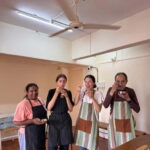
Kajal is the chef behind this class, based in Mumbai. She comes from a very traditional Indian family, and she learned these recipes from her mom and her older sister. She also started food tours in 2017, and pav bhaji is described as one of the most popular dishes in Mumbai.
In a group of up to six people, the instructor can actually hear you and answer questions. That’s the difference between a prerecorded video and a live class. When you’re unsure about what thickness to aim for in a curry, or when to add tomatoes, or whether your spice balance is drifting, real-time Q&A helps you correct course instead of guessing.
Based on the way the class is described and the emphasis on friendly instruction, you’ll likely find the teaching style approachable. The reviews also highlight very good English from the host, which is key for confidence when you’re cooking. If English is your main comfort zone, that’s a plus.
Price and Value: What $20 Buys You in Real Cooking Time
At $20 per person for about 1 hour 30 minutes, the value depends on your goal. If you want a one-and-done meal, it may feel modest compared with a full dinner out. But if you want a guided skill you can repeat, it’s a very fair price.
Here’s why. You’re learning:
- A savory main dish (pav bhaji), the kind of comfort food Mumbai is known for
- A classic festival-style dessert (rice kheer)
- Techniques you can use again: timing, texture, seasoning, and how to assemble the dish at the end
Also, the ingredient list ahead of time reduces the usual frustration of cooking classes. Even a small reduction in wasted time makes the session worth it.
If you’re traveling solo, this class can still make sense because you get live interaction. If you’re traveling as a couple or family, it can be a fun shared experience if everyone can join from their own location, but only one can fully drive the cooking while others follow.
What You’ll Cook: Pav Bhaji and Rice Kheer (No Guesswork)
The dishes are the heart of the experience, and they’re both iconic in Maharashtra cuisine.
Pav Bhaji: Mumbai’s Savory Vegetable Curry
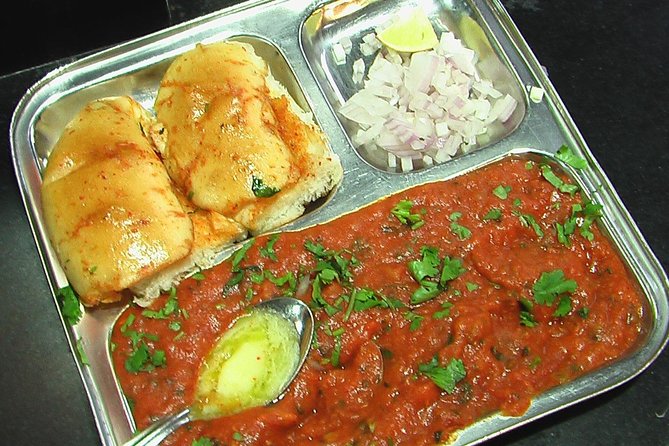
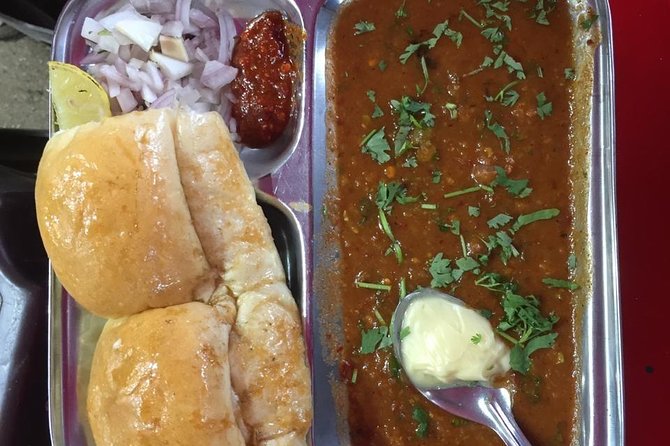
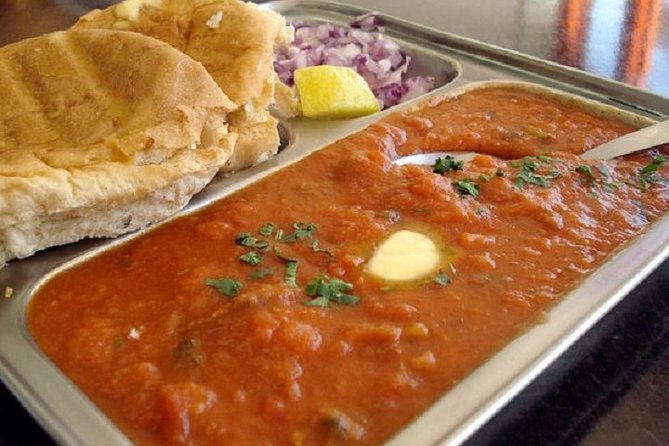
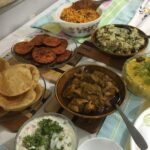
Pav bhaji is described as a thick vegetable curry made with seasonal vegetables, potatoes, tomatoes, and onions. It’s served hot with pav, which are bread rolls typically topped with butter.
Two small cultural nuggets make it more interesting:
- The word pav comes from Portuguese for bread
- Bhaji means vegetable dish in Marathi
That’s useful because it helps you remember what the dish is trying to be: a concentrated, spiced vegetable mash that you spoon onto soft bread.
Also, you’ll learn that pav bhaji is served everywhere in India, from big hotels to roadside eateries. In other words, it’s not a fancy rarity. It’s meant to be practical and repeatable.

Rice Kheer: A Traditional Festival Dessert
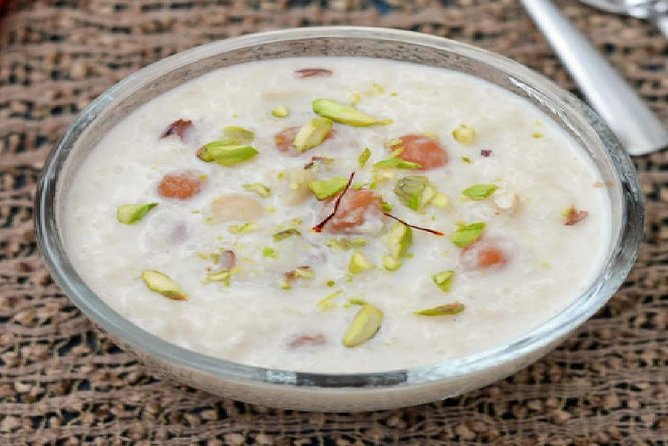
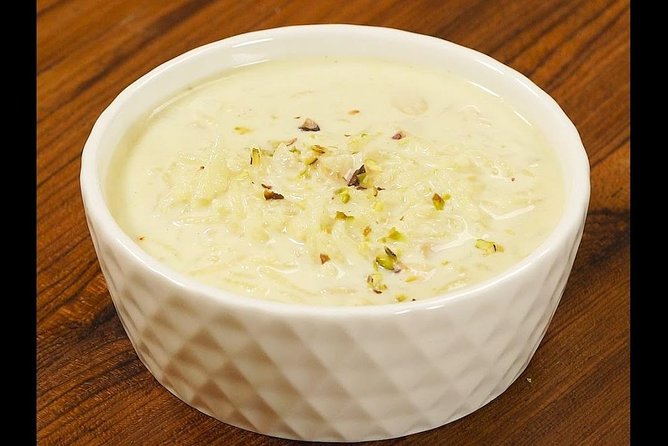
Rice kheer is a traditional sweet made for festivals and occasions. It’s the kind of dessert that feels comforting rather than complicated. You’ll make it as part of the live session, so you’ll see what “done” looks like in texture and sweetness, not just how it sounds.
If you like desserts that rely on familiar comfort ingredients (like rice and milk), this is a good pick. And if you tend to avoid desserts because you worry about timing, a guided live class can help you stay on track.
The Cooking Flow: How the 90 Minutes Likely Unfold
Even though you’re at home, the class is built like a proper session: prep first, then cooking, then assembly and serving. That structure is a gift. Cooking gets easier when you know when each step fits.
Here’s what you should plan around:
- You’ll want your ingredients and tools ready before the connection begins
- The chef demonstrates step-by-step, then you follow in sync
- You can ask questions as you go, which is especially helpful for texture and seasoning
- You’ll end with both dishes ready to eat
Because it’s a home kitchen setup, you may not get the kind of multi-camera “tight shot” experience you’d expect from a studio class. Still, the goal is that you can see what you need and hear what to do next.
Pav Bhaji: Texture, Spice, and the Buttered Pav Moment
Pav bhaji is where most people either get it right or accidentally turn it into something else. The dish asks for a certain texture: thick, spoonable, and deeply flavored.
A few things the class format supports you in learning:
- How thick your vegetable base should be before you serve
- How to treat the vegetables so the curry feels cohesive rather than watery
- How the seasoning builds as ingredients cook down
Then comes the final assembly: hot curry on buttered pav. In Mumbai, this is served at restaurants, but it also makes sense at home because it’s interactive. You can adjust spice levels if needed, and you can choose how much curry each bite gets.
Also, since you’ll be learning from a chef who grew up with these recipes in a traditional family, you’re not just copying a generic recipe online. You’re getting a household style approach—more “how we do it” than “here’s a formula.”
Rice Kheer: Getting the Sweet Done Without Panic
Rice kheer can sound simple, but it benefits from attention. The difference between a good kheer and a disappointing one often comes down to timing and texture.
In this live class, the chef’s guidance should help you:
- Know when the rice is soft enough
- Judge when the mixture has thickened properly
- Understand how the sweetness balances as it cooks
Kheer is also a dessert that rewards patience. If you rush, you can end up with a rice texture that’s off. If you go too slow, you risk over-thickening. That’s exactly where a live cooking class helps: you can ask, and you can respond.
Culture, Not Just Cooking: What the Class Tries to Teach You
A lot of online cooking lessons stop at food. This one also aims to connect you to the setting. The description is clear about meeting the family and learning about their culture and home, not just recipes.
Why that matters: food you understand is food you’ll remember. If you learn pav bhaji as a Mumbai street-and-hotel comfort dish, it makes sense as something you can recreate casually at home. If you learn kheer as a festival dessert, you’ll likely treat it with the right mood—something to serve and share, not just a random sweet.
The experience is also framed as a way to understand local life from inside a large slum community in Mumbai. That’s a sensitive context, and the class handles it by focusing on home cooking, stories, and culture rather than turning it into spectacle.
Video Quality Reality Check (And How to Make It Work)
This class includes a clear warning: the video is not expected to be professional-level. That doesn’t mean the class is unusable. It means you should set expectations and adapt.
To get the most from it, I’d do three practical things:
- Join a few minutes early and test your connection
- Position your screen so you can see the steps clearly
- Keep your questions ready so you can jump in when you need help
If your internet connection is shaky, it can disrupt the back-and-forth nature of the session. The class specifically asks you to ensure your internet connection is working properly, so treat that as part of your prep.
The upside? A home-chef class like this often feels warmer and more human than slick studio cooking lessons. You’re learning from someone cooking for their own life and family routines.
Who This Class Fits Best
This is a great fit if:
- You want an authentic Mumbai-style cooking experience without leaving home
- You enjoy live teaching and want to ask questions as you cook
- You’re comfortable cooking at your own pace but appreciate a guide
- You want both a main dish and a dessert in one session
It might be less ideal if:
- You only want a prerecorded, stress-free recipe
- You need a high-production video experience to feel confident
- You struggle with internet-based activities
It’s also a fun choice for special occasions. One of the reviews talks about using the class as a birthday surprise for a parent, and another mentions multiple family members joining from different locations. That tells me this works well as a shared event, even when you’re not all physically together.
When to Join: Time Zone and Session Timing
All available times are listed in Indian Standard Time (IST). That means you’ll want to double-check conversion so you don’t join late or miss key prep steps. The session is about 1 hour 30 minutes, so plan to be present and ready to cook at the start time.
If you’re cooking right along, you’ll get more out of it if you treat the class time like an appointment, not like something you can pause whenever.
Should You Book This Virtual Cooking Class?
I think you should book if you want a live, small-group cooking lesson focused on two genuine Mumbai staples—pav bhaji and rice kheer—taught by Chef Kajal from her home kitchen. The price is reasonable for a guided experience, and the ingredient guidance ahead of time is the kind of practical detail that makes the session easier to enjoy.
Skip it only if you’re expecting studio-quality video or you don’t want the interactive element. The tradeoff here is real cooking guidance and cultural storytelling, plus the fact that it’s streamed from a home setting.
If you’re looking for something you can actually cook tonight, not just watch and forget, this is a smart pick.
FAQ
What dishes will I learn to cook?
You’ll cook pav bhaji (a thick vegetable curry served hot with pav bread rolls) and rice kheer (a traditional Indian sweet dessert).
How long is the class?
The virtual cooking class runs for about 1 hour 30 minutes.
How much does it cost?
The price is $20.00 per person.
Is this a private class or a small group?
It’s a small group experience, with a maximum of 6 travelers.
Do I need to prepare ingredients in advance?
Yes. You should know your ingredient list ahead of time so you can be fully prepared during the live cooking.
What if I have food allergies?
Share your allergies with the chef when you join or when prompted. The experience notes that you should tell the chef if you’re allergic to any ingredients.
What internet setup do I need?
Since it is virtual, you should make sure your internet connection is working properly, so you can follow along and ask questions in real time.
If you want, tell me your cooking comfort level (beginner, intermediate, confident) and what time zone you’re in, and I’ll help you figure out whether this schedule and format matches your kitchen routine.