REVIEW · HO CHI MINH CITY
Vietnamese Homestyle Cooking Class in Ho Chi Minh City
Book on Viator →Operated by Hoa’s Kitchen-Vietnamese Homestyle Cooking Class · Bookable on Viator
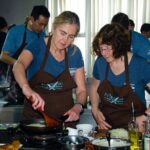
Cooking in a real family-style kitchen changes how you see Vietnamese food. Hoa’s Kitchen is built around a homestyle setup: you join the cooking at the counter and then share the meal together right after, rather than watching from the sidelines. I love the warm welcome, including a shared cup of ice-cold lemongrass tea.
What really won me over is the teaching style. You start from scratch, and you get step-by-step guidance as you cook three traditional dishes from fresh ingredients, not a “mix-this-and-go” demo. I also like the clear promise of no MSG and daily fresh ingredients, because it shows up in the flavor, not just the brochure.
One thing to consider: there’s no pickup service, and you’ll be cooking the same menu together in a home setting (no separate stations for each person). If you need lots of personal space or a very hands-off class, plan accordingly.
In This Review
- Key highlights to know before you go
- How this “homestyle” class actually works
- Starting with Binh Tay Market: ingredients with a local context
- Three dishes, taught from scratch (and built for home)
- The no MSG, fresh-ingredient promise—and why it matters
- What the home-setting cooking style feels like
- Price and value: what $38.63 buys you
- Timing and logistics you should plan for
- Who this class suits best (and who should think twice)
- A few practical tips before you go
- Should you book Hoa’s Kitchen in Ho Chi Minh City?
- FAQ
- What dishes do I cook in this class?
- How long is the Vietnamese homestyle cooking class?
- Is pickup service offered?
- What’s included in the price?
- Do I have to cook in a shared home kitchen setup?
- Is a market visit included?
- Is there MSG in the cooking?
- How big is the group?
Key highlights to know before you go
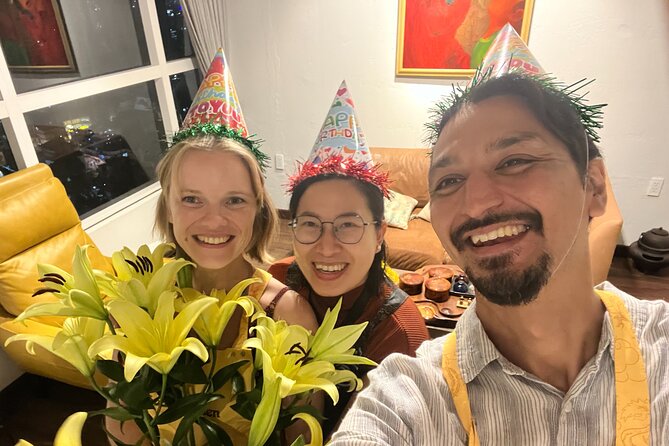
- A homestyle kitchen setup where you cook with everyone, not separate work areas
- A warm host, Hoa, with a friendly, patient rhythm to the lesson
- Market time at Binh Tay Market (and you can request a more detailed market visit for an extra fee)
- Three dishes from scratch with tips meant to help you recreate them at home
- No MSG, fresh daily ingredients with a focus on Vietnamese “family kitchen” flavors
- Small group size (max 6) for better attention and less waiting
How this “homestyle” class actually works
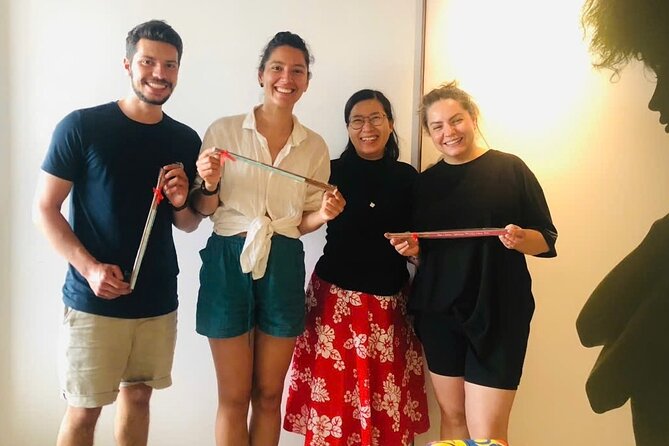
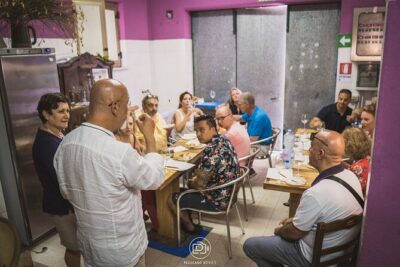
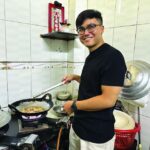
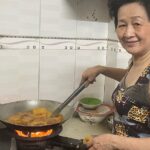
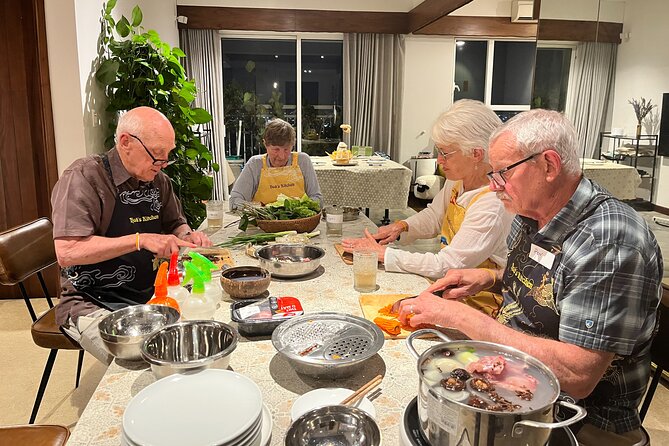
If you’ve ever taken a cooking class and felt like you were trapped in a demo schedule, this one feels different. The point here is how Vietnamese families cook, not how a classroom cooks. You’re in a real home-style rhythm: you help with the prep, you follow along at the pace of the kitchen, and you sit down to eat what you made.
The experience is designed for learning that transfers. The menu is chosen with home cooking in mind—dishes that are meant to be easier to reproduce after your trip. That matters because it turns your trip memory into a repeatable skill, instead of a one-time meal.
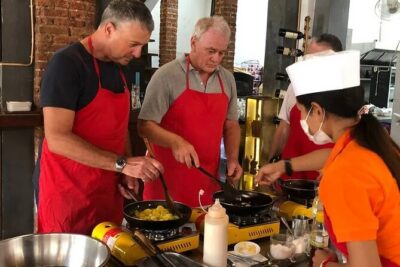
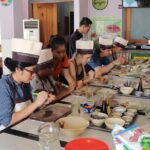
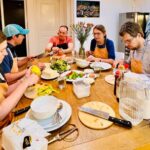
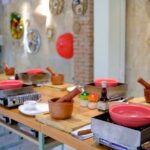
You should also know the class is structured around togetherness. You cook the same menu and there isn’t a separate station for each guest. With a small group, that setup keeps you social, but it also means you’ll share space and tools.
You can also read our reviews of more tours and experiences in Ho Chi Minh City.

Starting with Binh Tay Market: ingredients with a local context
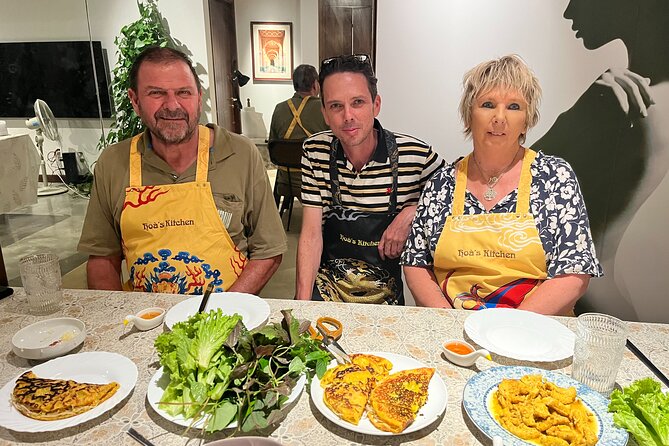
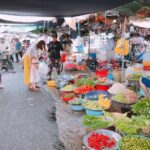
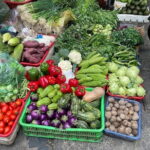
The class starts with Stop 1: Binh Tay Market. Even if you don’t plan to buy a lot, market time helps you understand what you’re about to cook—what ingredients look like, how locals think about freshness, and which flavors show up again and again in Vietnamese cooking.
There’s also an extra layer you can choose depending on your interests. A more detailed market visit can be offered as requested, with an extra fee. If you’re the type who likes knowing where spices come from, how herbs are bundled, or what produce is at its best, that add-on is worth asking about ahead of time.
This market start is also a mood-setter. Ho Chi Minh City cooking is often built on balance: herbs, acidity, aromatics, and salt levels that don’t feel heavy. Seeing the ingredients up close helps the later cooking steps make sense, instead of feeling like memorized instructions.
Three dishes, taught from scratch (and built for home)
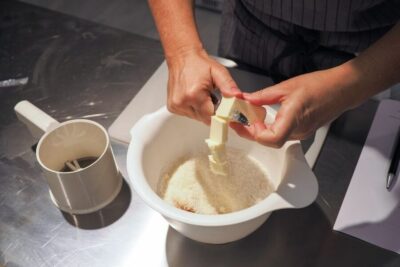
The core of the class is simple: you cook 3 traditional Vietnamese dishes from scratch with step-by-step help. The teaching method is direct—Hoa guides you through how to prepare the dish, then walks you through the process while sharing her own cooking experience and tips.
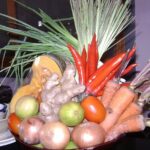
The big win here is that you’re not just copying a recipe. You’re learning why you do each step. That’s where small “kitchen hacks” live: timing, how to handle aromatics, what “done” looks like in a Vietnamese kitchen, and how to adjust while you cook.
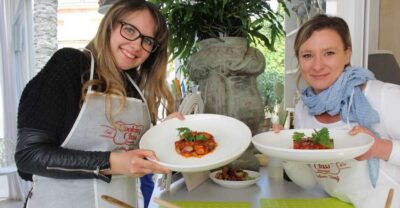
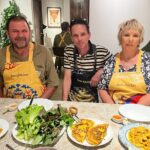
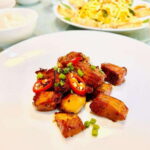
The class also ends the way it should: you eat together. After you finish cooking, you sit down to enjoy your home-cooked meal. It’s the best quality check you’ll get—if something needs more salt, more acid, or more aromatics, you notice it on the plate and you learn the flavor logic.
The no MSG, fresh-ingredient promise—and why it matters
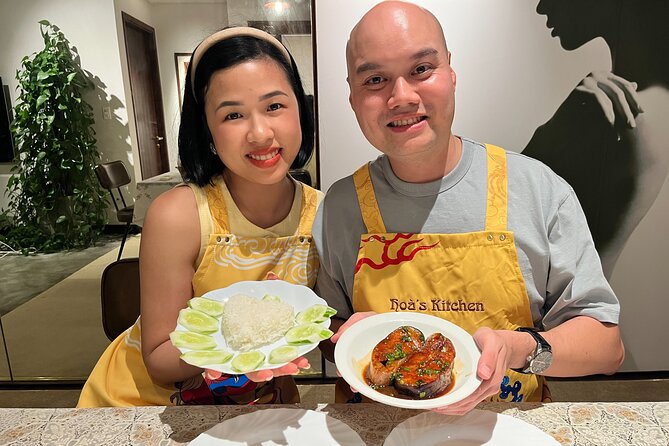
The class emphasizes no MSG and daily fresh ingredients. That’s not just a health claim; it affects how the food tastes and feels.
When MSG isn’t used, flavor comes from the building blocks that Vietnamese cooks rely on:
- fresh herbs and aromatics
- clean broth and properly cooked proteins
- balanced salty-sour elements
- smart use of texture (so dishes don’t taste flat)
You’ll likely feel the difference most in dishes where herbs and freshness are the star. You’re also more likely to want to repeat the dishes at home, because you’re learning a flavor method that matches how you can cook with real ingredients rather than relying on a shortcut.
Even if you’re already comfortable cooking at home, the “no shortcuts” approach makes the class more practical. It gives you a realistic blueprint for flavor, not just a tourist-style meal.
What the home-setting cooking style feels like
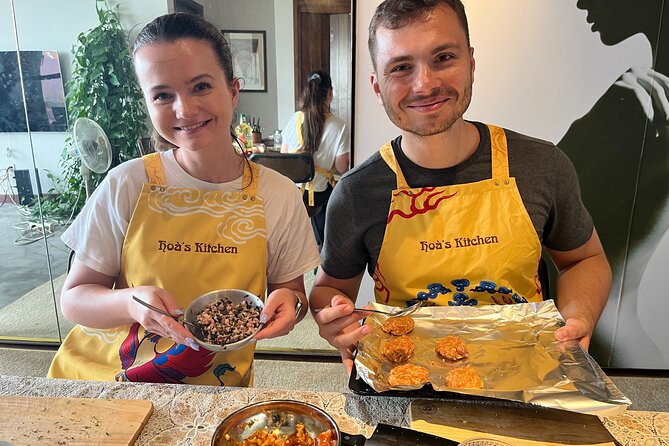
This is a home-setting cooking class. That’s great for authenticity, but it comes with a real logistics trade-off: you’re all cooking together and there aren’t separate stations for each guest.
In practice, that means:
- you may rotate tasks or work near other people
- you might share space and utensils
- you’ll likely chat as you cook (which can be a plus)
The upside is attention. The group size is capped at 6 travelers, which helps the instructor keep an eye on what everyone is doing. When the class stays small, step-by-step guidance stays meaningful. You can ask questions without feeling like you’re competing for time.
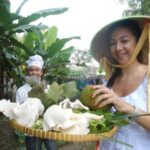
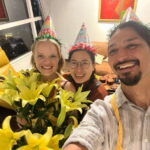
One nice detail from the experience vibe: you’re welcomed warmly. Ice-cold lemongrass tea sets a local tone right away, and it helps you settle into the kitchen instead of feeling like you’re being rushed through a process.

Price and value: what $38.63 buys you
At $38.63 per person, this class sits in a mid-range category for cooking experiences. The value comes less from the price itself and more from what’s included in the actual learning.
You’re paying for:
- an English-speaking guide
- coffee and/or tea
- step-by-step cooking instruction from scratch
- a full meal you eat together
- a market start at Binh Tay Market
- a small group experience (max 6)
Also, the class is built for practicality. The dishes are selected to be easy-made at home. That’s a huge value factor for me, because the best cooking class isn’t the one with the nicest plates—it’s the one that helps you cook again after you’re back from the trip.
If you’re the type who wants a hands-on food souvenir, this fits. If you want a private chef experience with total customization, the shared kitchen setup might not feel like your best match.
Timing and logistics you should plan for
The class lasts about 3 hours. That’s long enough to learn, cook, and eat without dragging into a full half-day. It’s also short enough that you can pair it with other Ho Chi Minh City plans the same day.
One key point: pickup service is NOT offered. You’ll need to get yourself to the meeting point. The starting location is:
Lucky Palace Wholesales Market and Luxury Apartment
50 Đ. Phan Văn Khỏe, Phường 2, Quận 6, Thành phố Hồ Chí Minh, Vietnam
The activity ends back at the meeting point, so plan your return accordingly.
It’s also described as near public transportation, which is helpful. If you’re traveling around District 6 anyway, this route won’t feel out of place.
Finally, you’ll receive a mobile ticket, and on average it’s booked about 21 days in advance. For peace of mind—especially if you’re traveling in peak season—book earlier rather than later.
Who this class suits best (and who should think twice)
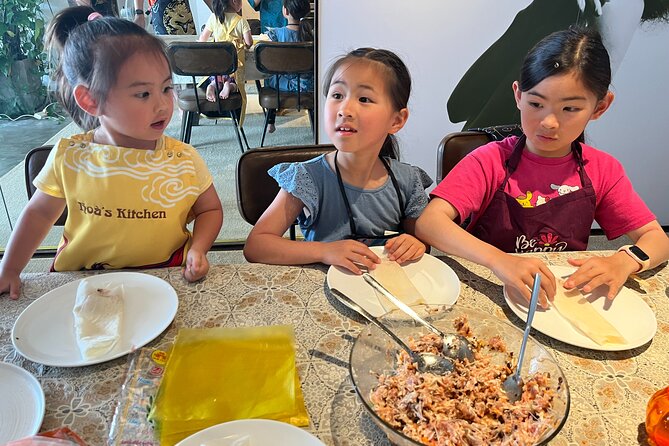
This is ideal for you if you want more than eating. Choose it when you like learning by doing—chopping, stirring, tasting, and adjusting while someone guides you.
It also makes sense for:
- first-timers who want a Vietnamese cooking foundation
- food lovers who want a flavor method you can repeat
- couples or small groups who enjoy cooking together
- anyone who likes a small-class feel (max 6)
You might want to skip it—or choose a different format—if:
- you prefer separate cooking stations and personal workspace
- you get stressed in shared kitchens
- you strongly need pickup service
- you’re expecting a totally optional, independent experience (this is hands-on and shared)
A few practical tips before you go
To get the most out of the class, treat it like a mini kitchen day, not a food show.
- Wear comfortable clothes you don’t mind getting a little kitchen-scented.
- Come hungry, but don’t arrive starving—you’ll be cooking for a bit before the meal.
- Be ready to work together. The class is designed around a home setting, not a lineup of solo stations.
- If you want more market time, ask. The option for a market tour is mentioned as request-based with an extra fee.
If you take these steps, you’ll spend your energy on the cooking, not on logistics.
Should you book Hoa’s Kitchen in Ho Chi Minh City?
If your goal is to learn Vietnamese cooking in a way that you can recreate, I’d book this. It’s one of those experiences where the structure matches the promise: homestyle teaching, fresh no-MSG ingredients, and a small group format that keeps the guidance practical.
Choose it particularly if you want:
- three dishes from scratch you can cook again later
- a real market start at Binh Tay Market
- a warm, patient kitchen atmosphere in a local home setting
Only pass if you strongly dislike shared cooking space or you need pickup. Otherwise, the $38.63 price feels fair for the amount of hands-on instruction and the meal you eat at the end.
FAQ
What dishes do I cook in this class?
You will cook 3 traditional Vietnamese dishes from scratch during the lesson.
How long is the Vietnamese homestyle cooking class?
The duration is about 3 hours.
Is pickup service offered?
No. Pickup service is not offered, and the tour ends back at the meeting point.
What’s included in the price?
It includes coffee and/or tea and an English-speaking guide.
Do I have to cook in a shared home kitchen setup?
Yes. You cook the same menu together with home-setting, and there is no separate station for each guest.
Is a market visit included?
There is a stop at Binh Tay Market. A market tour can be offered as requested for an extra fee—so ask if you want more time there.
Is there MSG in the cooking?
The class emphasizes no MSG, using daily fresh ingredients.
How big is the group?
There is a maximum of 6 travelers.
If you tell me your travel dates (and whether you want the extra market visit), I can help you decide if the timing and logistics line up with your Ho Chi Minh City plan.