REVIEW · SIEM REAP
Cooking Class – Cook for the Purpose, Fun, Educational, Donation & Contribution
Book on Viator →Operated by Natura Event and Catering · Bookable on Viator
A wok lesson can feel like culture class. In Siem Reap, this experience pairs a local market tour with hands-on cooking in settings that can range from pool shade to rural houses, so you learn Khmer food as it fits real daily life.
I also like how it turns cooking into participation. You’re taught to cook Cambodian heirloom-style dishes and there’s a built-in giving component, including food offerings to monks or local people, plus extra food so you can contribute more than just your taste buds.
One consideration: it does not include an air-conditioned vehicle, so midday heat and sun can matter when you’re moving to and from the venue.
In This Review
- Key things I’d plan for
- How the Market Tour Changes What You Cook
- Where You Cook in Siem Reap: Pool Shade, Temple Area, or a Villager’s House
- Inside the property options
- Off-site options
- The 3-Course Lesson: What You’ll Be Doing (and Why It’s Worth It)
- Lunch You Cook: The Meal Part That Actually Feels Like a Meal
- The Food Offerings: Why This Isn’t Just Another Activity
- The Value Question: Is $47.18 Worth It?
- Timing, Transport, and What to Bring
- Who This Class Fits Best (and Who Might Not)
- What to Expect From the Team and the Atmosphere
- Should You Book This Cooking Class?
- FAQ
- How long is the cooking class?
- Where does the experience start and end?
- Is lunch included?
- What is included in the market part of the day?
- Do I get to cook, or is it just a demonstration?
- Is a welcome drink included?
- Are there food offerings included in the experience?
- What kinds of cooking venues might be used?
- Is air-conditioned transport included?
- Is this a private experience?
- Does the activity depend on weather?
Key things I’d plan for
- Chef-led market time so you understand ingredients before you cook
- 3 courses with practice, not just watching
- Food offering included, which adds meaning beyond the meal
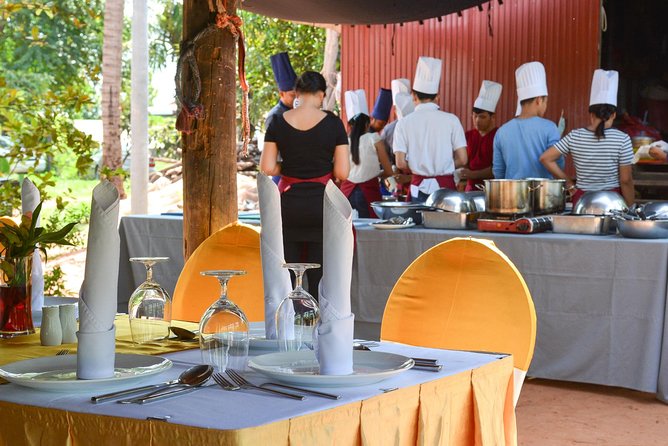
- Flexible venue options around Siem Reap (poolside, garden, temple area, or rural house)
- Extra cooking for contribution, so you’re not limited to a single plate
How the Market Tour Changes What You Cook
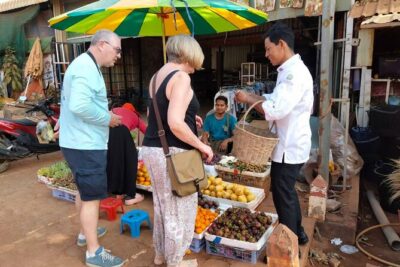
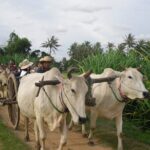
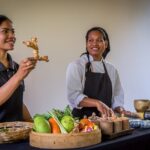
The class starts with a local market visit, and that’s where the whole experience clicks. Instead of learning recipes as fixed steps, you get the ingredients’ context first: what vegetables look like at their source, how people recognize what they need, and how the market supports daily meals.
This matters because Cambodian cooking is ingredient-driven. You’ll do better when you understand what a dish is trying to balance—fresh herbs, aromatic roots, seasonal produce, and cooking fats—rather than memorizing a list and hoping it turns out. The tour is guided with the chef for the whole activity, so you can ask practical questions as you go.
I like the human part here, too. Markets aren’t quiet museum rooms. There are smiles, bargaining energy, and the steady flow of people doing what they do. Even if you’re not a big shopper, you’ll leave with better instincts for what flavors belong together.
You can also read our reviews of more tours and experiences in Siem Reap.
Where You Cook in Siem Reap: Pool Shade, Temple Area, or a Villager’s House
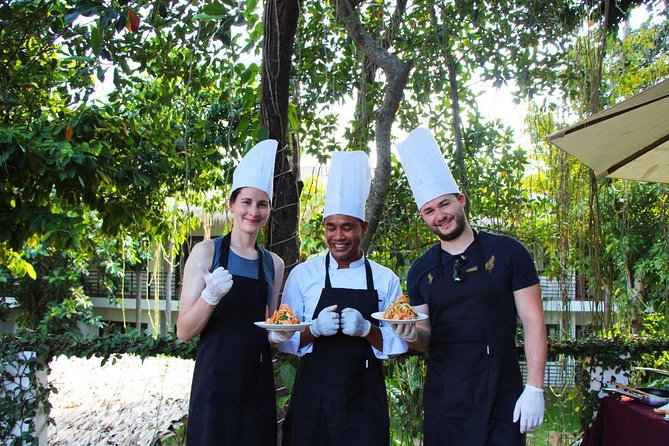
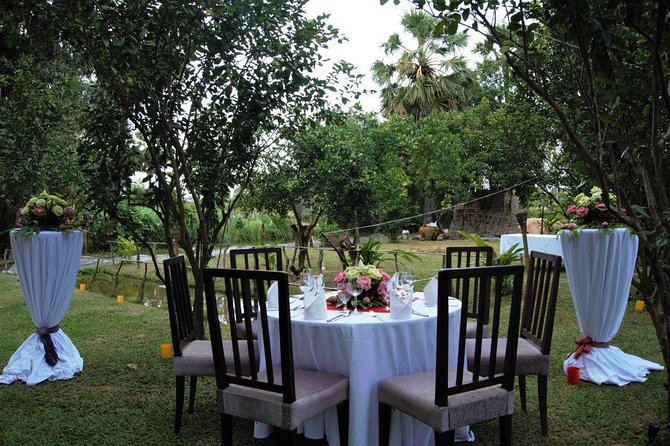
After the market, you move to the cooking venue. What makes this class feel flexible—and often more memorable—is that the setting can vary.
Inside the property options
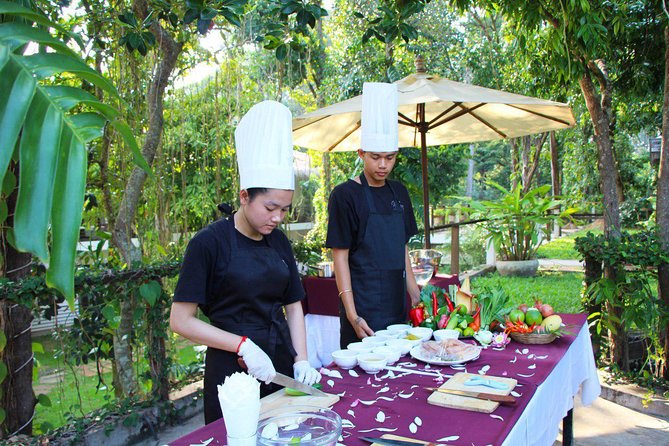
If the schedule places you at the resort area, you might cook at:
- the swimming pool area
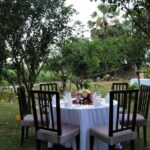
- a rooftop café under jungle shade
- the tropical garden
These options can be great when you want a calmer atmosphere and an easy transition from the market. Poolside can also be a relief if the day is warm and you want a bit of breeze. Rooftop seating is airy, but expect sun breaks and bring water.
Off-site options
Depending on your day, you might cook:
- at Secret Temples near West Baray
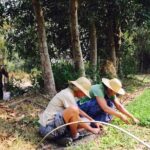
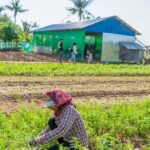
- at a local outskirt of Siem Reap at a villager’s house
I really like the village option if you’re craving something more grounded. Cooking in a villager’s home-type setting puts you closer to how everyday Khmer meals are handled—space, rhythms, and the way a community gathers around food. It’s also where the class’s purpose feels most real: you’re not only learning food for entertainment, you’re participating in a shared meal moment.
The 3-Course Lesson: What You’ll Be Doing (and Why It’s Worth It)
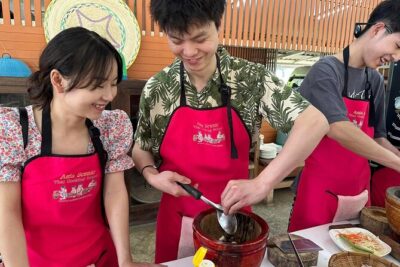
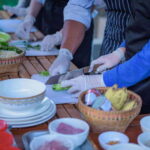
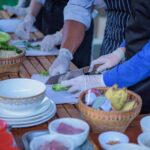
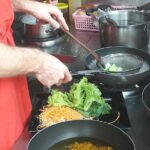
This isn’t a 30-minute demo and a brochure smile. The schedule is built around 3 courses of cooking lesson and practice, so you’re actively making dishes.
You also get a structure that helps you stay oriented:
- You learn steps, then practice them
- You build skills across more than one dish
- Lunch is made from what you cook
One detail I appreciate: you’re given choices in how you approach the cooking set (the program mentions complete sets or complete senses). And they prepare extra stuff for you to cook more—specifically so you can contribute to locals as part of the experience. Translation: you’ll likely do more than the minimum portion you’d need for your own meal.
That matters because cooking classes can sometimes feel like controlled tasting rooms. Here, you’re making food meant for more than one moment.
Lunch You Cook: The Meal Part That Actually Feels Like a Meal
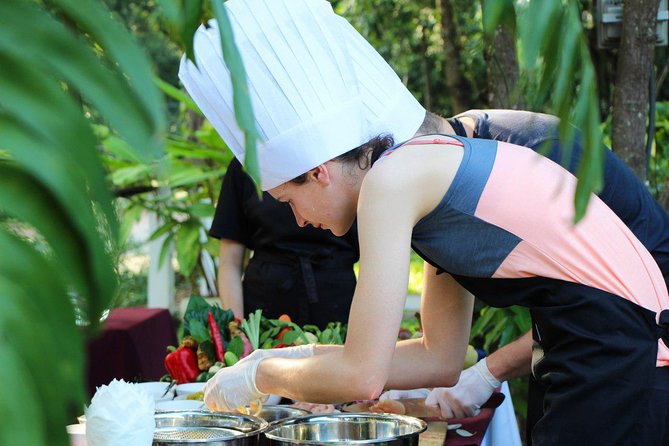
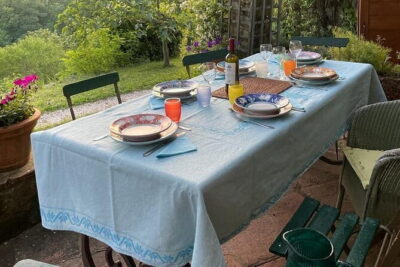
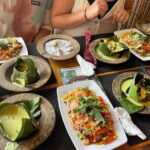
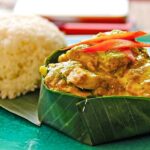
Lunch is included, and it’s built around your own cooking. You’ll eat what you made, then there’s also a local beer per person with lunch.
This is a subtle but important difference between a class and a performance. You don’t leave hungry and you don’t spend the final hour waiting for a pre-made buffet. You’ll have a more direct connection to what went well and what you’d adjust next time.
If you’re the type who likes to taste while learning, you’ll also enjoy the back-and-forth you can do while you’re seated and eating. You can reflect on ingredient choices and technique in real time, not just later in a hotel room.
The Food Offerings: Why This Isn’t Just Another Activity
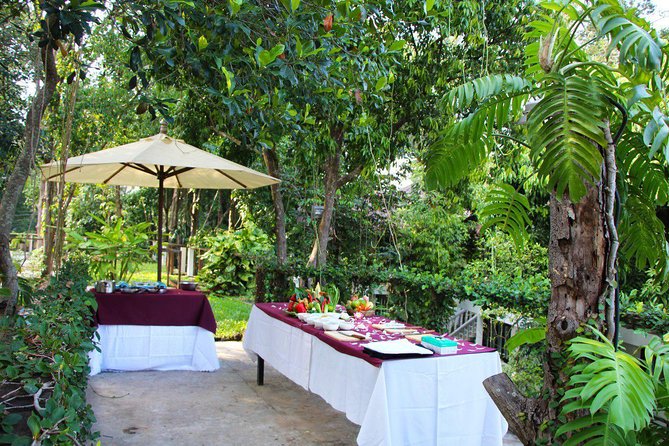
One of the most distinctive parts is the inclusion of foods offering to Monks or Local people. That means your cooking has a purpose beyond your own lunch.
In Khmer culture, food and offering rituals are not random. They’re tied to respect, community, and daily spiritual life. Even if you’re not sure what each step means, you can still approach it with the right mindset: be calm, follow instructions, and treat it as a meaningful part of the day.
This is also where the extra cooking for contribution makes sense. The program isn’t only asking you to participate once. It’s nudging you toward giving more than just taking.
The Value Question: Is $47.18 Worth It?
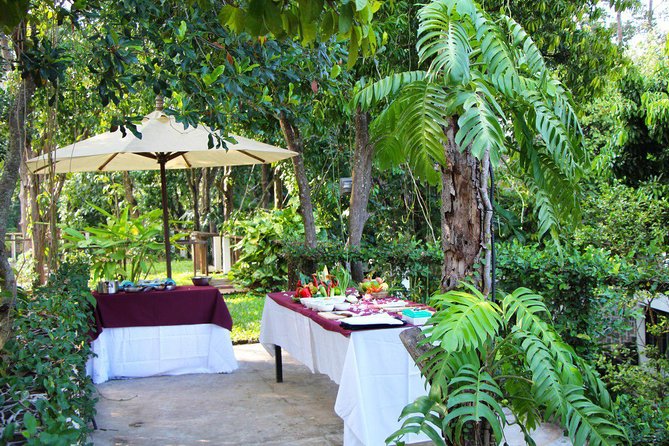
Let’s talk money plainly. The price is $47.18 per person for about 3 hours. In many places, that range might buy you a quick class with minimal food value.
Here, you’re getting a mix that adds up:
- a chef-accompanied market tour
- 3 courses with lesson and practice
- a welcome healthy drink
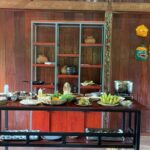
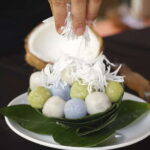
- lunch made from your own cooking
- local beer per person
- an offering component to monks or local people
- a certificate plus a special Cambodian gift for home cooking
Add in the fact that the class can move between several venue types, and you’re not just paying for one room and one menu. You’re paying for time, teaching, and the meal experience that’s tied to local practices.
Only you can decide if that’s worth it for your travel style, but on paper it’s strong value for Siem Reap—especially if you like hands-on activities that don’t feel touristy in the bland sense.
Timing, Transport, and What to Bring
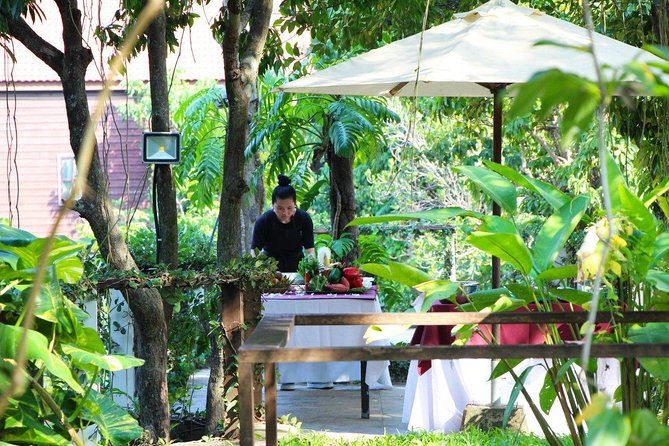
The class runs around 3 hours and ends back at the meeting point. The start point is Rokkhak River Resort, Wat Enkosei Riverside road, Krong Siem Reap, Cambodia.
Two practical notes:
- There’s no air-conditioned vehicle included, so plan for warm weather at least during parts of the day.
- You’ll want to dress for hands-on cooking and outdoor movement. Lightweight clothes, closed-toe shoes, and water help. You’ll likely be standing, walking, and preparing ingredients.
Also, it’s listed as a private tour/activity, meaning it’s only your group. That can be a real plus for families and friends because questions are easier and your timing stays flexible within the program.
Who This Class Fits Best (and Who Might Not)
This is a great match if you:
- want a morning or midday activity with real substance
- like cooking that connects to ingredients you actually saw in the market
- care about food as culture, not just a hands-on hobby
- travel with family or want a group-friendly activity that includes learning plus a shared meal
It might be less ideal if you:
- strongly prefer fully air-conditioned comfort from start to finish
- want something that’s mostly a sit-and-watch show
- dislike structured activities where you’ll be handling ingredients and cooking steps
If you’re on the fence, think about your goal. If your goal is to learn Cambodian cooking in a way that feels respectful and practical, this lands well.
What to Expect From the Team and the Atmosphere
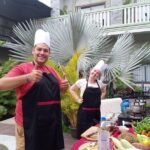
The experience is provided by Natura Event and Catering, and the vibe you should expect is friendly and service-focused. The market portion is guided along the way, and the same chef supports the cooking flow.
You’ll also notice the program’s clear “purpose” angle. It’s not only about teaching technique. It’s about shaping your day so the meal means something to people beyond your group.
And the certificates and home-cooking gift matter more than you’d think. Cooking classes are fun, but keeping a souvenir that helps you recreate flavors later makes the day stick with you longer.
Should You Book This Cooking Class?
If you want a Siem Reap experience that’s practical, social, and more meaningful than another photo stop, I’d book it. The combination of a chef-led market tour, hands-on 3-course practice, lunch you cook, and food offerings makes this feel like a complete activity, not a half-hour gimmick.
Book it especially if you like the idea of cooking with contribution in mind. Even the extra food setup is designed for that.
The main reason to hesitate is simple: there’s no air-conditioned vehicle included, and you’ll be out in the heat at least some of the time. If that’s a deal-breaker for you, pick another style of activity.
FAQ
How long is the cooking class?
It lasts about 3 hours.
Where does the experience start and end?
It starts at Rokkhak River Resort on Wat Enkosei Riverside road in Krong Siem Reap, and it ends back at the same meeting point.
Is lunch included?
Yes. Lunch is included, and it’s your own cooked foods, plus a local beer per person.
What is included in the market part of the day?
There is a local market tour accompanied by the chef for the whole activities.
Do I get to cook, or is it just a demonstration?
You’ll do both lesson and practice, across 3 courses.
Is a welcome drink included?
Yes. There is a welcome healthy drink included.
Are there food offerings included in the experience?
Yes. Foods offering to monks or local people is included.
What kinds of cooking venues might be used?
It can be inside the property (swimming pool, rooftop café, or tropical garden) or off-site (secret temples near West Baray, or a villager’s house in the outskirt of Siem Reap).
Is air-conditioned transport included?
No. An air-conditioned vehicle is not included.
Is this a private experience?
Yes. It’s private, so only your group participates.
Does the activity depend on weather?
Yes. It requires good weather. If it’s canceled due to poor weather, you’ll be offered a different date or a full refund.