A home kitchen lesson beats a food show. This Pokhara Thakali cooking class pairs hands-on prep with a real family vibe and a signature Nepali meal you can actually recreate.
I especially like that you learn Thakali cooking techniques step by step, not just watch someone else work. Another big plus is the warm, family-style teaching energy, where hosts like Sanva and her cousin, Shanta, and women cooks such as Roma and Rita have shown how patient they can be in the kitchen.
The one thing to think about is focus: you’re mainly working toward a signature dish (often Dal Bhat or similar Thakali specialties), so it’s not a wide tasting-and-browsing tour through a whole menu.
In This Review
- Key things to love in this Thakali class
- Thakali food in Pokhara: what you’re really learning in 3 hours
- Hotel pickup and a private group inside a family kitchen
- Cutting veggies, managing spices, and the hands-on cooking flow
- Dal Bhat and the Thakali flavor balance behind your main dish
- Meet the home cooks: what the teaching style feels like
- Value check: is $45 worth it in Pokhara?
- Who this class suits best
- A few practical tips so you get more from the day
- Should you book this Pokhara Thakali dish cooking class?
- FAQ
- How long is the Thakali dish cooking class?
- Does the price include hotel pickup and drop-off?
- Is this a private experience?
- What dish will you cook?
- What’s included in the experience?
- What is the cancellation policy?
Key things to love in this Thakali class
- Hands-on cooking: you chop, stir, and cook, guided by the chef
- Signature dish focus: you learn the flavor balance behind one classic Thakali meal
- Home-kitchen feel: you’re invited into a local family setup, not a demo stage
- English-speaking family chef: clear guidance while you cook and taste
- Pickup + round-trip transport: Pokhara logistics are handled for you
- Lunch included: with soft drinks, so you leave fed
Thakali food in Pokhara: what you’re really learning in 3 hours
Pokhara is a great base for trekking and lakeside wandering, but this class is about something more practical: learning how Thakali food gets built flavor by flavor. Thakali cooking is known for using local spices and wholesome ingredients, then bringing it all into balance so the dish tastes complete, not just spicy.
In a tight 3-hour window, the goal is simple: you’ll start with ingredient prep and end with eating what you helped make. You’ll move through the basic motions—cutting vegetables, getting spices ready, and working through the steps with the chef—so you understand the process, not just the final plate. The most useful part is that you learn how technique and timing affect the taste, especially when spices are involved.
You can also read our reviews of more tours and experiences in Pokhara.
Hotel pickup and a private group inside a family kitchen
This is set up to feel easy from the moment you leave your hotel. You get hotel pickup and drop-off, plus round-trip transfer by private car. That matters in Pokhara, because travel time can eat your day if you’re not careful.
It’s also a private setup: only your group participates. That usually means less waiting around and more attention while you’re cooking—especially if you’re with family or friends and you want questions answered in real time. And since the chef is English-speaking, you’re not forced to guess what’s happening at the stove.
You’ll also get a mobile ticket, so you don’t need to hunt for paper confirmations. Bottom line: this experience is designed so you spend your time cooking and eating, not managing logistics.
Cutting veggies, managing spices, and the hands-on cooking flow
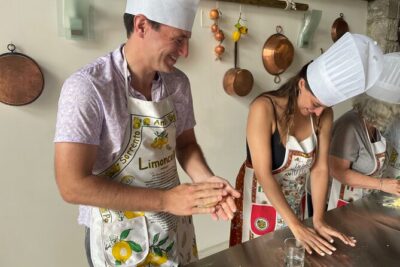
Here’s what makes this class feel different from the common cooking demo: you don’t stand on the sidelines. You roll up your sleeves and take part in the prep. Expect to do tasks like chopping vegetables and stirring pots as the dish comes together. You’ll follow along with step-by-step guidance while the chef keeps you moving at a pace that works for a group.
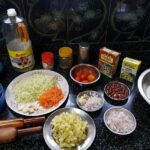
One of the details I love in the way these sessions are run is how much attention gets paid to spice handling. In kitchens like Sanva’s, spices are organized, and you can actually see the workflow. That small thing helps a lot because Thakali flavors come from how spices are measured and used, not from random pinches thrown in at the last second.
You also get to work with vegetables that you can recognize from the area—so the meal feels grounded, not generic. The chef also uses traditional utensils and methods passed down through generations, which can be interesting just to watch, but it becomes more meaningful once you’re the one using them.
And while things cook, you don’t just wait for the final meal. You can taste dishes as they cook, which helps you understand how flavors change with heat and time. That’s one of those quiet skills that’s hard to learn from a recipe alone.
Dal Bhat and the Thakali flavor balance behind your main dish
Most classes will tell you what to cook. This one focuses on how to cook it so it tastes right. The class centers on a signature Thakali dish, with examples like Dal Bhat or other traditional specialties. You’re learning the secrets behind the right flavor balance, which is what separates a decent meal from the one that tastes like it belongs.
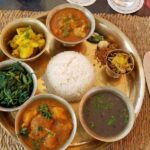
Dal Bhat is a great example because it’s simple on paper but can go many directions. The flavor balance depends on how spices are combined, how the base is built, and how long things cook before everything comes together. When you make it yourself, you start noticing what the chef is controlling—aroma, intensity, and the way the dish’s components support each other.
You’ll also have lunch included at the end, with soft drinks. And yes, that part is a real consideration: you’ll likely get a full meal, so skipping breakfast is smart. The class experience is designed so you arrive ready to eat. Show up hungry, and you’ll enjoy the whole flow more.
Meet the home cooks: what the teaching style feels like
This class isn’t a faceless operation. It’s run by cooking families, and the teaching style reflects that. In past sessions, hosts have been described as gracious, fun to talk with, and patient in the kitchen. That matters because cooking gets easier when the teacher helps you feel comfortable messing up a chop or adjusting your pace at the stove.
You might meet cooks and hosts like Shanta, who’s been praised for being super patient and an amazing teacher, or women cooks such as Roma and Rita, who were described as warm and hard working. Another name that comes up is Sanva, along with her cousin working efficiently in the kitchen. Even if you don’t know those names ahead of time, the pattern is the same: you’re working in a family space where the chef wants you to understand what you’re doing.
The practical advantage of an English-speaking family chef is that it makes the learning stick. You can ask why a spice step happens when it does, what to look for while cooking, and how to recognize when the dish is ready. Without that, cooking classes can turn into mystery steps. Here, the chef is positioned to translate the method into something you can repeat later.
Value check: is $45 worth it in Pokhara?
At $45 per person, the value depends on what you compare it to. If you’ve ever paid for a cooking class plus a private driver plus lunch, you already know how quickly the budget can climb. Here, a lot of the expensive parts are bundled.
You’re getting:
- Hotel pickup and drop-off, plus round-trip private car transfer
- An English-speaking experienced cooking family chef
- All cooking ingredients and utensils
- Lunch with soft drinks
So the price isn’t just paying for instruction. It’s also paying for transport, food, and the kitchen setup. And since it’s private to your group, you tend to get more attention than you would in a large public class.
Another value point: the class length is about 3 hours, which is long enough to make real progress but short enough to fit into a normal sightseeing day. That helps if you want a “real local” experience without sacrificing your whole afternoon.
Who this class suits best
This works best if you want food culture you can use, not just watch. You’ll probably like it if you:
- enjoy cooking or want to learn practical steps you can repeat at home
- want a family-style meal experience in Pokhara
- appreciate learning spice technique and flavor balance
- travel with kids and want something hands-on (one past experience mentioned an 8-year-old having fun too)
It may be less ideal if you’re expecting a menu-style tour with lots of different dishes. This class centers on one signature Thakali dish, so the learning is deep in one area rather than spread across many foods.
A few practical tips so you get more from the day
Keep these in mind and the experience usually goes smoother:
- Come hungry. With lunch included, skipping breakfast is a smart move.
- Wear clothes you’re fine getting a little spice on. Cooking has a way of being messy, even when the kitchen is tidy.
- Ask questions while you cook. The best learning happens when you’re confident enough to ask what you’re seeing.
- If you have dietary needs, confirm details before you go. The information here doesn’t list specific dietary accommodations, so it’s worth checking directly with the provider.
Should you book this Pokhara Thakali dish cooking class?
If you want an experience that feels real, not staged—this is a strong choice. The class has a 5-star rating from 10 entries and is recommended at a 100% rate, which is rare consistency. More importantly, the structure matches what people usually want from a cooking class: hands-on work, learning the method behind the flavor, and eating a meal you helped make.
Book it if you’re in Pokhara for a short stay and you want one memorable, practical local moment. Skip it only if you’re looking for many different dishes in one sitting or you want something more like a restaurant tour.
If your idea of a good travel day is learning with your hands, then eating the result while chatting with the people who cook it, you’ll likely love this one.
FAQ
How long is the Thakali dish cooking class?
The class lasts about 3 hours.
Does the price include hotel pickup and drop-off?
Yes. Hotel pickup and drop-off are included, along with round-trip transfer by private car.
Is this a private experience?
Yes. It’s a private tour/activity, and only your group participates.
What dish will you cook?
The class focuses on a signature Thakali dish such as Dal Bhat or other traditional Thakali specialties.
What’s included in the experience?
Included are an English-speaking experienced cooking family chef, all cooking ingredients and utensils, lunch with soft drinks, and the hotel pickup and drop-off with private car transfer.
What is the cancellation policy?
You can cancel for free up to 24 hours in advance for a full refund. If you cancel less than 24 hours before the start time, the amount paid is not refunded.