REVIEW · ROME
Gnocchi Cooking Class in Rome – Piazza Navona
Book on Viator →Operated by Eatalian Cooks · Bookable on Viator
Gnocchi-making in Rome feels like a secret recipe. In Piazza Navona, you start at Ristorante Panzirone and spend about two hours learning how to roll gnocchi from scratch with an instructor who focuses on the small moves that make the dumplings work.
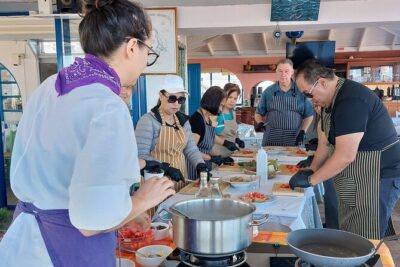
I love the small-group setup (up to 6 people), because you actually get time to ask questions and get corrected in real time. I also love the meal finish: you choose a sauce—pesto, pomodoro, and more—and you end with included drinks like Italian wine, limoncello, and coffee. The main drawback to plan for is that the class centers on making the gnocchi itself, while the restaurant handles much of the sauce prep and serving.
In This Review
- Key highlights you’ll feel in your hands (and in your plate)
- Where gnocchi meets one of Rome’s most photogenic squares
- The hands-on part: what you learn about making gnocchi
- Sauce choices and the restaurant finish (how it works in real life)
- A Rome route built into the experience: Piazza Navona to the big sights
- Drinks included: wine, limoncello, and coffee after you cook
- Price and value: is $57.93 a good deal for two hours?
- Who should book this gnocchi class (and who should skip it)
- You’ll probably love it if you:
- You should think twice if you:
- Families note
- Tips to get the most out of your class in Piazza Navona
- Should you book the gnocchi-making class in Piazza Navona?
- FAQ
- How long is the gnocchi cooking class?
- Where does the class start?
- What time does it start?
- Is the class in English?
- How big is the group?
- What do I do during the class?
- Can I choose how my gnocchi is served?
- Are drinks included?
- Is it suitable for gluten intolerance?
- Is it kid-friendly?
Key highlights you’ll feel in your hands (and in your plate)
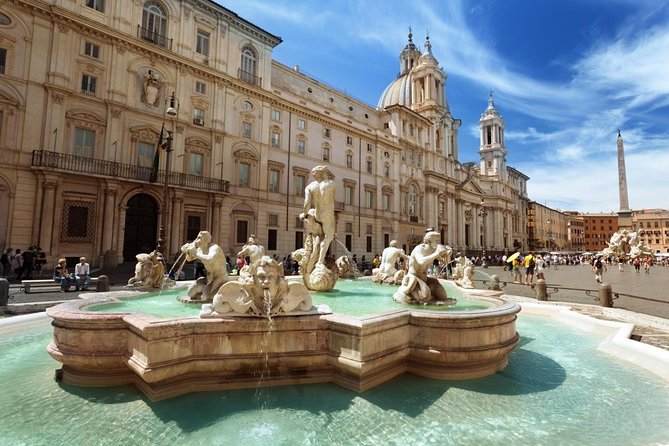
- Hands-on gnocchi from scratch: you roll and shape your own potato dumplings, not just watch.
- Small group attention: max 6 people means more direct help from your instructor.
- Sauce choice after class: pick options like pesto, pomodoro, or quattro formaggi, and the restaurant prepares your dish.
- Drinks included: Italian wine plus limoncello, with coffee after the class.
- An actual Rome setting: you’re in/near Piazza Navona, with stops that take you past famous sights like the Pantheon, Trevi Fountain, and Campo de’ Fiori.
- Diet limits matter: not recommended for gluten intolerance or vegans, and pesto may be an issue with nut or lactose concerns.
Where gnocchi meets one of Rome’s most photogenic squares
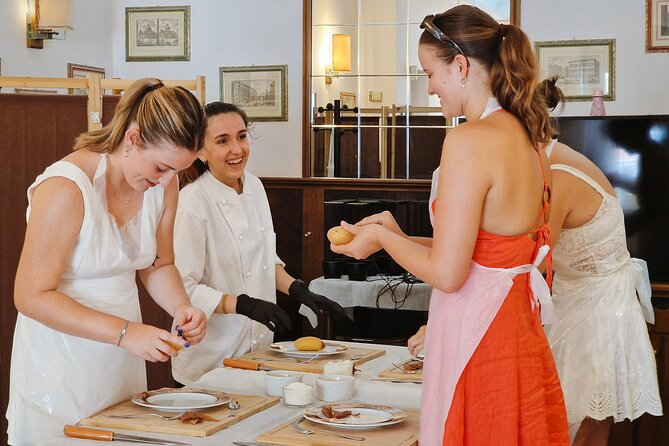
This class is built around a simple idea: learn to make gnocchi in Rome, then eat it right away. You’ll meet at Ristorante Panzirone on Piazza Navona (Piazza Navona 73), with the experience starting at 1:00 pm. From there, you’re in the thick of the city, so the lesson doesn’t feel like it’s happening in some far-off kitchen with no connection to Rome.
A big plus for me is the pacing. You’re not stuck in a long, rigid script. The class is short enough to stay fun, and the restaurant portion is set up so you’re seated and served once your gnocchi is ready. It’s also nice that the whole thing ends back at the meeting point, so you can keep exploring on your own without re-tracing your steps.
You can also read our reviews of more tours and experiences in Rome.
The hands-on part: what you learn about making gnocchi
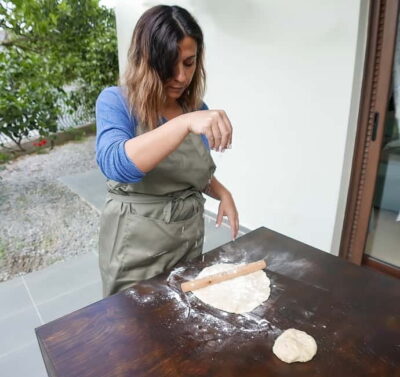
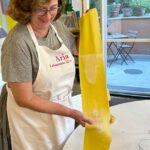
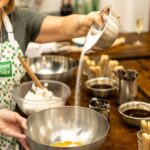
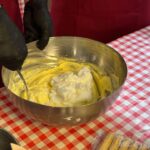
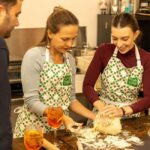
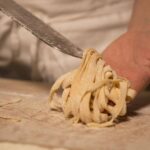
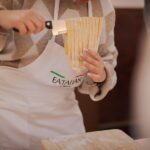
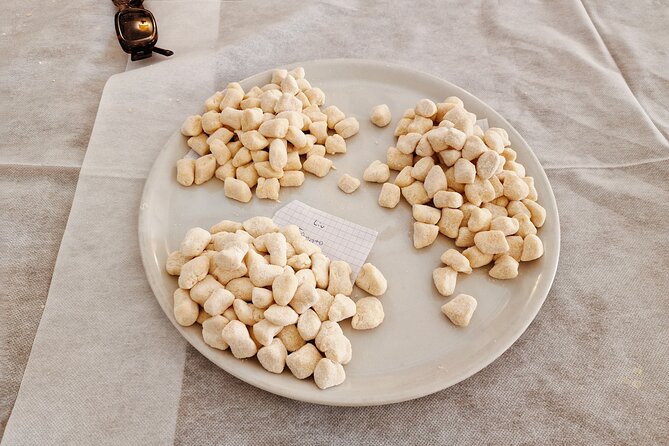
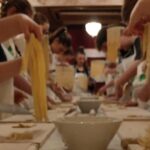
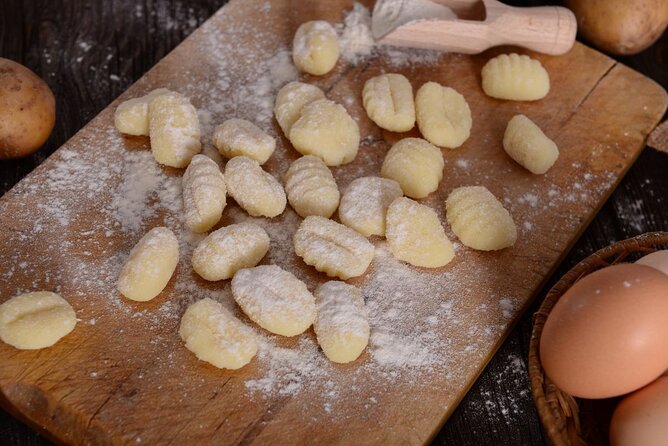
The core of this experience is the gnocchi lesson itself. You’ll make gnocchi pasta by hand, working from scratch to turn the potato base into shaped dumplings. The instructors emphasize the practical details that help gnocchi turn out right—those little technique points that separate dumplings that fall apart from dumplings that actually feel like Italian comfort food.
Your instructor could be someone like Simone, Luca, Mirko, Daniel, Bea, or Anna. While each teacher has a different style, the through-line is clear: the class is hands-on, and the teaching is interactive. People who’ve struggled making gnocchi before often leave feeling like they finally understand what to fix at home—usually things tied to handling and consistency rather than “mystery tricks.”
One important consideration: even when the class feels full and fun, it’s still primarily a gnocchi-making workshop. You shouldn’t expect to run the whole sauce show yourself in a cookware-and-stove-your-way-through-it kind of setup. The experience is set up so you make the dumplings, then the restaurant takes over for the final dish service.
Sauce choices and the restaurant finish (how it works in real life)
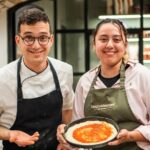
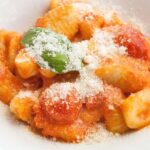
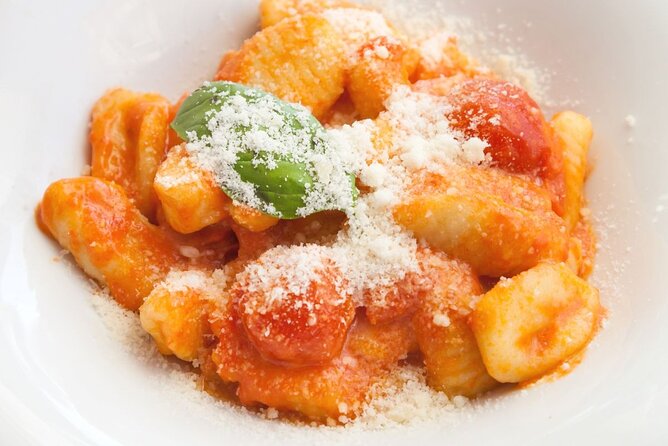
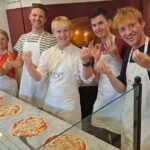
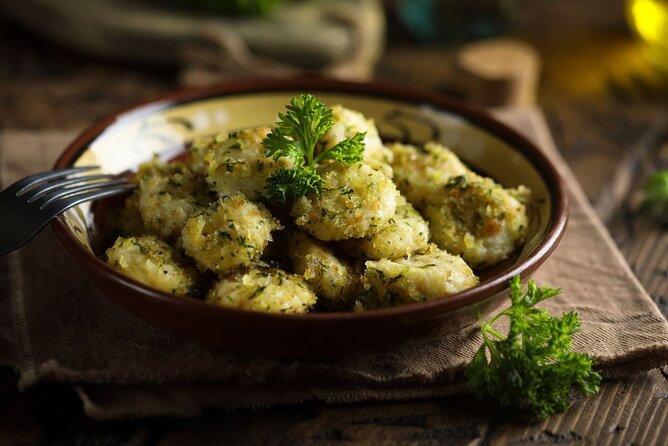
After you make the gnocchi, you’ll choose from sauce options. The experience names several styles, including Gnocchi alla Sorrentina, Gnocchi al Pesto, Gnocchi all’Pomodoro, and Gnocchi ai Quattro Formaggi. In practice, you’ll be seated in the restaurant area, and the kitchen prepares your dish from there.
This is where you’ll want to pay attention to dietary notes. The experience is not recommended for gluten intolerance, and it’s not recommended for vegans. If you have nut allergies or lactose intolerance, pesto is specifically called out as a problem—so you’ll want to avoid pesto if that applies to you.
Also, the restaurant portion can change the feel of the class depending on timing. If the lunch rush hits hard, the hands-on work may feel like it ends sooner than you expected, and then you’ll wait a bit for service. It’s still good value if you’re expecting a short lesson plus a meal—but go in knowing it’s not a nonstop cooking marathon.
A Rome route built into the experience: Piazza Navona to the big sights
Even though the gnocchi class happens at Piazza Navona, the experience also connects you to a classic Rome sightseeing route. You’ll have stops that include Pantheon, Trevi Fountain, and Campo de’ Fiori, with Piazza Navona as the starting point. So you’re not just doing “food only.” You’re getting an easy way to see key landmarks without planning a complicated day.
Here’s how I’d think about those stops:
- Piazza Navona is where your day starts and where the vibe matters most—this is the square that frames the whole experience.
- The Pantheon stop helps you orient yourself in the center of Rome. It’s a quick anchor point for first-time navigation.
- Trevi Fountain is the famous photo moment. If you’re hoping to see it without adding extra time to your schedule, this is a convenient fit.
- Campo de’ Fiori adds variety to the route, letting you shift from grand monuments to a more lived-in square feel.
One drawback to consider: since these are big, popular sights, you may not get a long, slow look. Think of it as a route highlight, not a guided deep dive into each monument.
Drinks included: wine, limoncello, and coffee after you cook
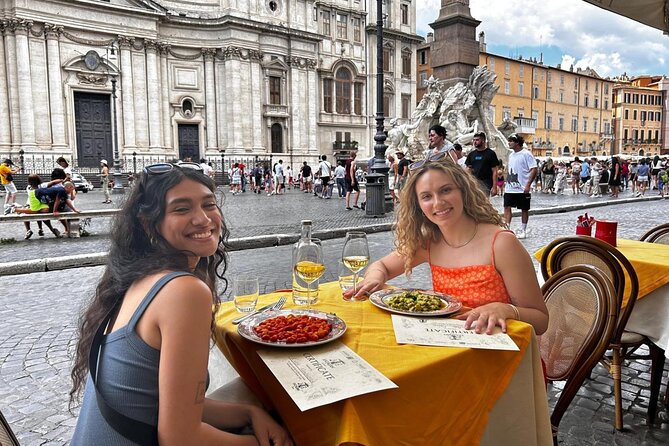
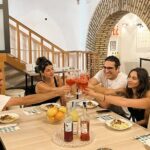
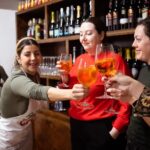
One reason this class feels like more than a “lesson” is the meal-well-being factor. You can sip Italian wine, enjoy limoncello, and have coffee after class. For me, that’s a smart way to turn a cooking class into an evening memory without needing to tack on extra plans or pay extra for drinks at a restaurant later.
And it fits with the location. Piazza Navona is a place where an aperitivo-style moment makes sense. The experience lets you taste Italy while you’re still in the same rhythm as the cooking—no waiting around for an entirely separate dining plan.
If you’re the type who likes to pace your day carefully, you’ll still want water on hand and to keep an eye on how much wine you’re drinking. The class includes alcohol, so plan the rest of your afternoon accordingly.
Price and value: is $57.93 a good deal for two hours?
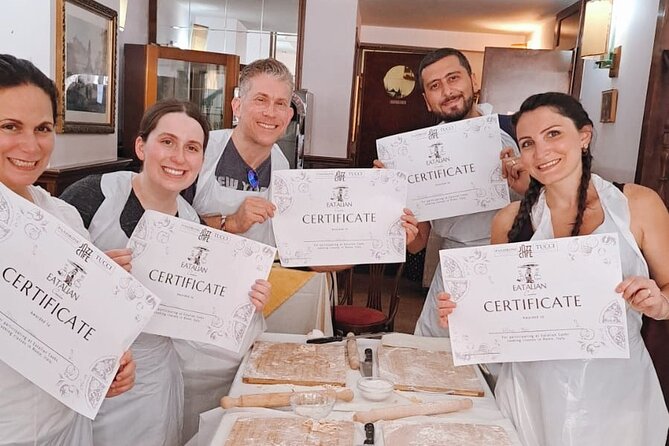
At $57.93 per person, you’re paying for several things at once: a small-group cooking lesson, hands-on work making gnocchi, a sit-down meal with sauce choices, and included drinks (wine, limoncello, coffee). In other words, it’s not just a chef’s lecture and it’s not only dinner.
Where the value can feel high is when the class runs smoothly and your hands-on time is the focus, followed by prompt service. Where value can feel shaky is when service timing drags—especially if you end up waiting longer for the meal portion than you expected. A couple of short pauses can make the total experience feel tighter or longer depending on the day.
My advice: if you’re choosing between this class and a more basic pasta workshop, prioritize the combo of hands-on gnocchi + included drinks + Piazza Navona location. That package is what justifies the price. If you’re expecting to do everything in the kitchen with no waiting and to personally cook the entire final dish, you might feel a mismatch.
Who should book this gnocchi class (and who should skip it)
This works best if you want a fun, social cooking experience in central Rome without turning your day into a logistics puzzle.
You’ll probably love it if you:
- want to learn how to make gnocchi and leave with practical technique tips
- enjoy a small group where you get personal attention
- like the idea of making something and eating it immediately
- want drinks included with your meal instead of building a separate dinner plan
You should think twice if you:
- need a gluten-free option (the experience is not recommended for gluten intolerance)
- follow a vegan diet (it’s not recommended for vegans)
- have nut allergies or lactose intolerance and are tempted by pesto (pesto is specifically flagged as a no-go if those apply)
Families note
It’s also not recommended for children under 5–6 years. If you’re traveling with kids who are comfortable in a short lesson and a restaurant setting, double-check that age fits your child’s attention span.
Tips to get the most out of your class in Piazza Navona
A cooking class like this is mostly about momentum: ask questions early, pay attention to the consistency and handling guidance, and don’t be shy about telling your instructor what’s confusing. If you’ve struggled with gnocchi before, this is a great time to bring your past problems up in plain language.
Here are a few practical moves that help:
- Arrive a bit early so you can settle before the instruction starts.
- When sauce options come up, decide right away—especially if you need to avoid pesto for allergy or lactose reasons.
- If you want more home-cooking clarity, ask for the key “do this, not that” tips. That’s what people seem to remember most.
Also: this is an English-offered class, and it runs with a maximum of 6 travelers, so the vibe is more workshop than lecture. You’ll get more out of it if you participate rather than watch from the sidelines.
Should you book the gnocchi-making class in Piazza Navona?
Book it if you want hands-on gnocchi making in one of Rome’s most atmospheric squares, with a small group, included wine and limoncello, and a sit-down meal immediately afterward. The price makes sense when you’re excited about the full package: technique + eating + drinks, all without extra planning.
Skip it (or choose carefully) if your top priority is a long, detailed cooking session where you personally prepare every part of the final dish from scratch. The experience is built around gnocchi-making first, then restaurant service. And if you have dietary needs, read the restrictions closely—especially around gluten, vegan preferences, and pesto-related nut or lactose concerns.
If you want a fun, practical Rome experience that ends with your dumplings on your plate, this is a strong pick.
FAQ
How long is the gnocchi cooking class?
It lasts about 2 hours.
Where does the class start?
You meet at Ristorante Panzirone, Piazza Navona 73, 00186 Roma RM, Italy.
What time does it start?
The start time listed is 1:00 pm.
Is the class in English?
Yes, it is offered in English.
How big is the group?
The experience has a maximum of 6 travelers.
What do I do during the class?
You do a hands-on gnocchi class where you make homemade gnocchi from scratch.
Can I choose how my gnocchi is served?
Yes. After the gnocchi class, you can choose a sauce option, and the restaurant prepares your dish.
Are drinks included?
Yes. The experience includes Italian wines and limoncello, and you can have coffee after class.
Is it suitable for gluten intolerance?
No. It is not recommended for those with gluten intolerance.
Is it kid-friendly?
It is not recommended for children under 5–6 years.