REVIEW · ZANZIBAR
Zanzibar: Spice Farm Tour with Traditional Cooking Lesson
Book on GetYourGuide →Operated by Zanzibar Local Experience · Bookable on GetYourGuide
Zanzibar spice farms are where the islands’ biggest flavors start, and this short tour lets you touch spice plants and taste fruits straight from the ground. I like that the day mixes hands-on learning with a real meal, and you get to help with traditional cooking using what’s growing right there. One thing to plan around: spice shopping is cash only, so bring enough money.
You’ll meet your guide in Stone Town at 9:00AM, then head out to the Unguja South Region farms for a guided walk, fruit and spice tastings, a cooking lesson, and lunch. Guides such as Chiquito, Abdullah, and Ahmad are often noted for making the explanations practical and easy to follow, sometimes with humor, and you may even pick up a few Swahili words along the way.
In This Review
- Key things that make this tour worth 3 hours
- Entering the Spice Farm: what you’re really learning
- Stone Town pickup and the 9:00AM start
- The spice walkthrough: smell, touch, and taste for real
- Coconut, cassava, and hands-on cooking practice
- Young coconuts and the climb-side flavor moment
- Lunch on the farm: why the meal matters
- Shopping for spices: cash only, and buy with intention
- Price and value: is $65 fair for 3 hours?
- Who this tour suits best (and who should skip it)
- Book it or skip it: my bottom-line advice
- FAQ
- FAQ
- Where is the meeting point for the tour?
- How long is the spice farm tour?
- Is pickup available from beach hotels?
- What’s included in the price?
- Can I buy spices with a card?
- What should I bring with me?
Key things that make this tour worth 3 hours
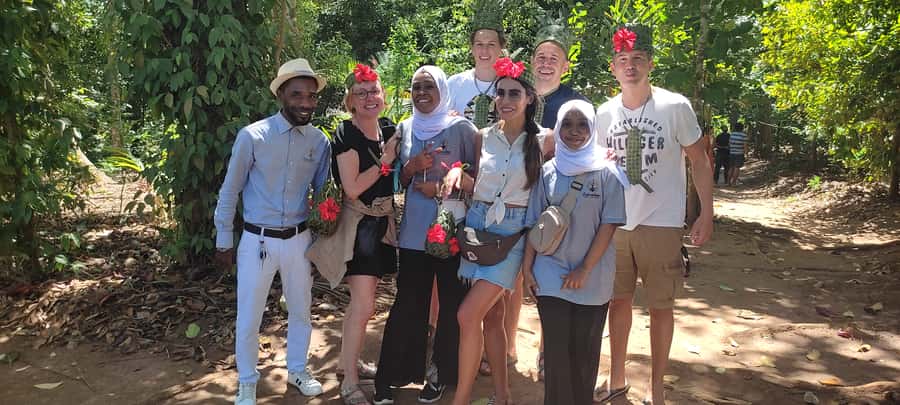
- Spice tasting directly from plants, not pre-packed samples
- A cooking lesson that uses farm ingredients, including coconut milk and cassava leaf
- Fresh fruit stops, with jackfruit as a standout
- Young coconuts picked for you by a coconut climber
- Lunch on the spice farm after you’ve learned how the flavors are used
- Easy access from Stone Town, with pickup options from beach hotels
Entering the Spice Farm: what you’re really learning
Zanzibar’s spice reputation isn’t marketing. It’s practical, daily work that shaped trade, sailing routes, and what people grow. On this tour, you’ll connect the dots between the plants you know from cooking back home and how those flavors show up in Zanzibar life.
You start by seeing and smelling spices in their living form. That matters because dried jars can’t teach you the same thing. On the farm, you can notice differences in aroma before you even taste. Cloves, nutmeg, cinnamon, black pepper, vanilla, cardamom, ginger, turmeric, and lemongrass are the kinds of plants you may encounter, and the guide will explain what each spice is used for: flavor in food, and traditional uses as medicine. That combination is why this tour feels more grounded than a quick photo stop.
I also like that the tone stays conversational. Guides you might be paired with, including Chiquito and Abdullah, are known for explaining things clearly, then adding little bits of local context as you walk. If you enjoy food, farming, or Zanzibar culture beyond the beach, this is a good use of limited time.
You can also read our reviews of more tours and experiences in Zanzibar.
Stone Town pickup and the 9:00AM start
This tour is built around the morning. You’ll meet in Stone Town in front of the Old Fort on Mizingani Road at 9:00AM. If you’re staying outside Stone Town, pickup is optional and listed as available from beach hotels anywhere in Zanzibar.
Why the timing matters: you have a 3-hour window, so the schedule is focused. You’ll want to be ready to move as soon as you arrive, with water and sun protection. The farm work is outdoors, and you’ll be close to plants and fruit. Comfortable shoes are a must.
If you’re prone to overpacking, keep it simple. Bring a sun hat, sunscreen, and water. Also plan for cash for spice purchases later.
The spice walkthrough: smell, touch, and taste for real
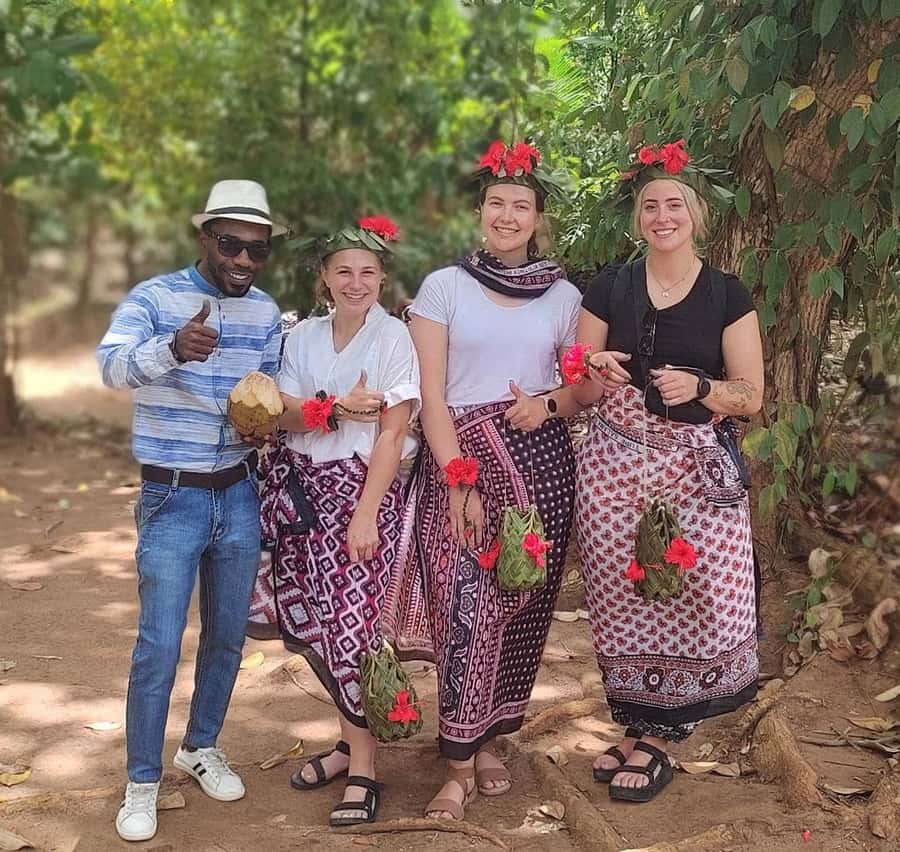
Once you’re on the farm, the guide brings you through the spice plants like it’s a living classroom. The best part is the sensory sequence:
you look at the plant,
you touch it,
you smell it,
then you taste.
That’s how you learn the difference between what a spice smells like on the plant versus what it does in a dish. Cinnamon bark, clove buds, and pepper are especially memorable when you can compare the aroma with your cooking instincts.
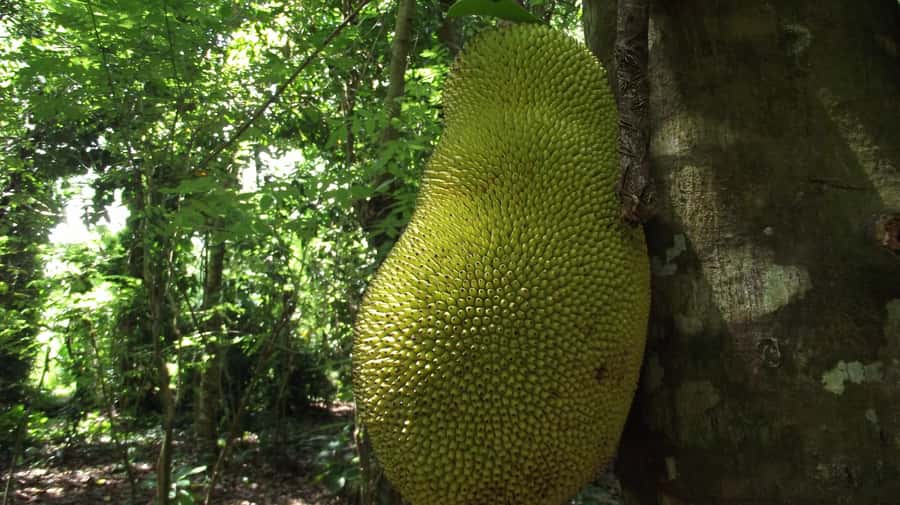
You’ll also likely see herbs and fruiting plants used alongside spices. Some tours include tasting and comparing tropical fruits in addition to spice samples. Jackfruit is highlighted as a big moment because it’s the world’s largest fruit, and tasting it fresh on Zanzibar makes the size and flavor real, not just a fact.
If you care about buying spices later, this part is your cheat sheet. You’ll remember the smell that you liked and be able to match it to the right product in the shop.
Coconut, cassava, and hands-on cooking practice
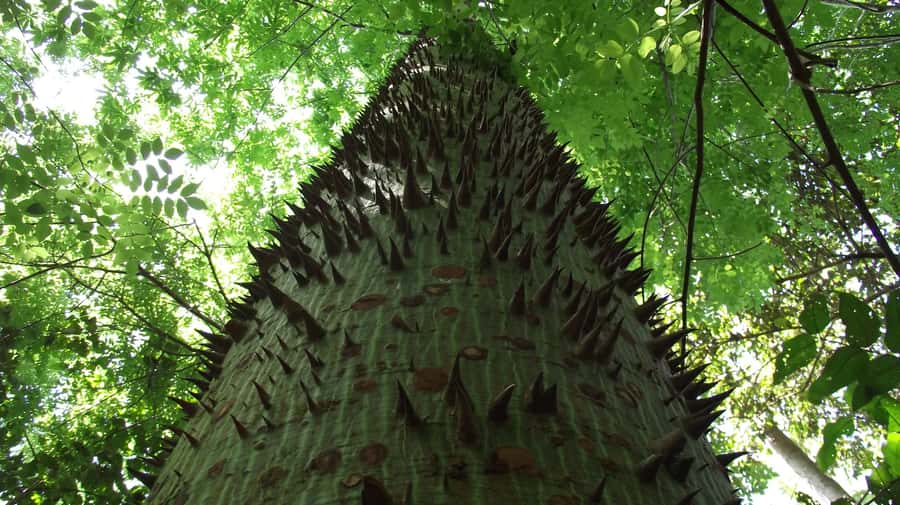
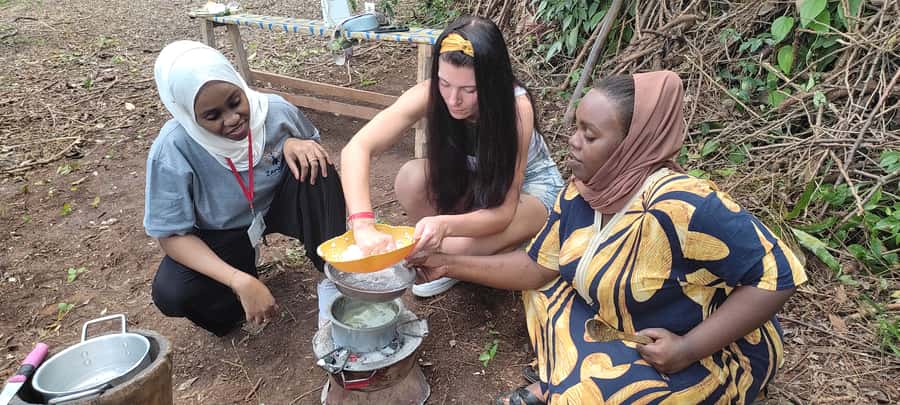
After the spice and fruit section, the tour shifts into food-making. You may join a cassava leaf harvest, then help with making coconut milk. Then you practice cooking as part of a traditional cooking lesson.
This is where the tour can feel different depending on your group and timing. Some people will end up doing more active prep, while others may do smaller steps or side-dish contributions while cooks handle the main parts. If you’re hoping for a very hands-on cooking experience, treat this as a learn-and-participate lesson rather than a full restaurant-style cooking workshop from start to finish. The goal is to learn the ingredients and see how they come together.
Coconut milk is a key flavor in Zanzibar cooking, and once you’ve made it, you understand why the island’s cuisine can taste both creamy and deeply spiced. Cassava leaves add another layer, and even if you don’t eat cassava at home often, it’s the kind of ingredient that makes you start cooking differently after you’re back.
Practical tip: go in hungry enough to enjoy lunch afterward. More than one person has flagged that this tour works best when you haven’t already eaten.
Young coconuts and the climb-side flavor moment

A coconut tree climber picks young coconut fruits for you to try. This is a short but fun payoff after the planting and cooking lessons.
It’s also a reminder that the tour isn’t only about spices. Zanzibar’s farming economy is about multiple crops, and coconuts show up everywhere. Tasting the young coconut helps you anchor coconut milk and coconut flavor in something you can experience on the spot.
Lunch on the farm: why the meal matters
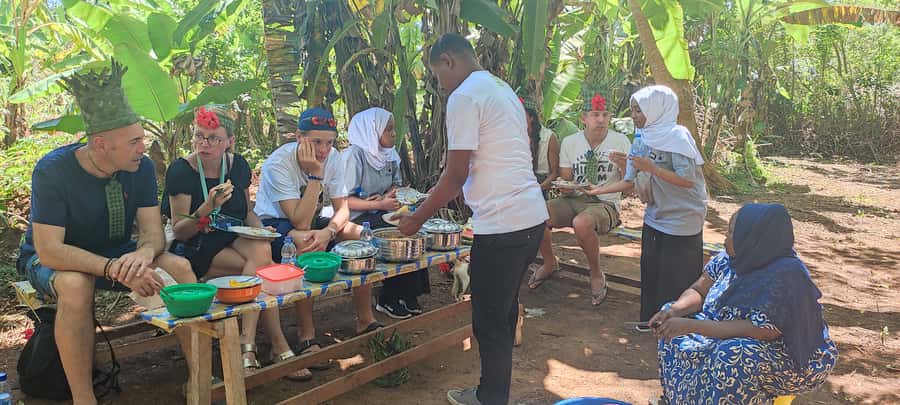
Lunch is included and served at the spice farm after the cooking lesson. This is more than a reward. It’s part of the learning cycle.
You’ll eat local dishes prepared with the spices you were handling earlier, so the flavors you smelled become flavors on your plate. People often mention how the lunch tastes different when you’ve worked with the ingredients first, because you’re no longer asking what something is supposed to taste like.
There’s also a social side to lunch. You’re surrounded by the working farm environment, not a sterile dining room. If you’re traveling with a friend or small group, this is a satisfying shared moment: you can compare which spice you liked most, and which fruit hit the hardest.
And yes, this is a good moment to ask your guide what you should buy for home cooking. The best spice purchases usually follow a question like: what would you use this for, and how should I store it?
Shopping for spices: cash only, and buy with intention
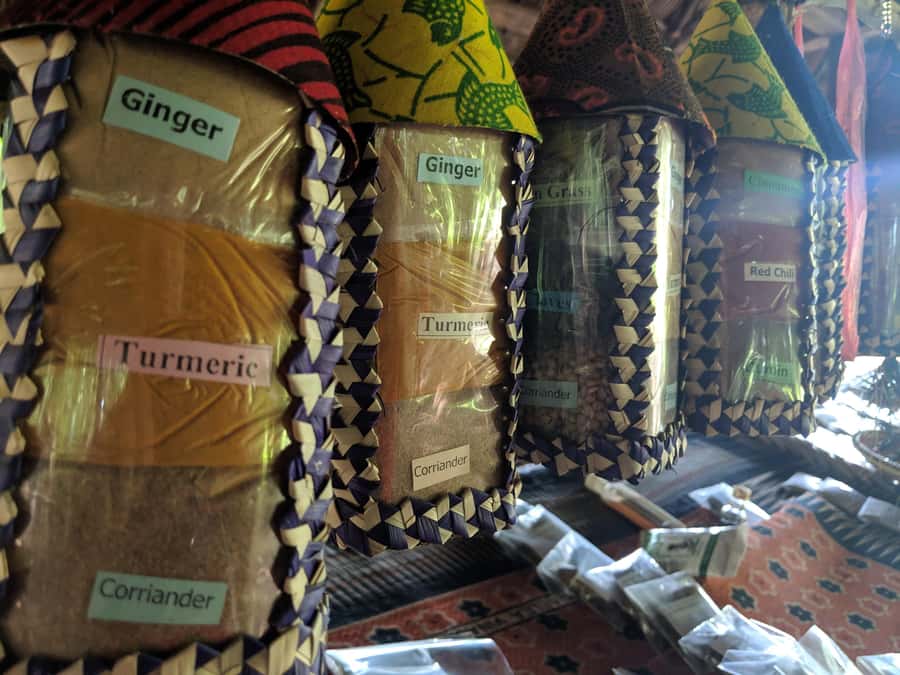
At the end of the trip, you’ll have the chance to purchase spices from the shop. One important rule: spices can only be purchased with cash.
That’s not a small detail. It changes how you plan your money. Don’t count on being able to run to an ATM at the last minute. Bring cash you’re comfortable using for spice shopping, especially if you want more than a token amount.
How to buy smarter once you’re in the shop:
focus on the spices you actually enjoyed tasting from the plant,
ask the guide what each spice is best for,
buy smaller amounts of a few favorites instead of one big bag you might not use.
If you bought something earlier in your trip, this tour can help you confirm whether that spice matches what you like. Several people specifically mention using their purchased spices back home in their own cooking, which is exactly what you want from a farm visit: a practical souvenir, not just a pretty bag.
Price and value: is $65 fair for 3 hours?
At $65 per person for a 3-hour tour, the value comes from what’s included, not just the time length. You’re getting:
pickup from Stone Town (and optional beach hotel pickup),
a local guide,
a contribution to the local community,
lunch,
and the guided tasting and cooking practice.
A tour with lunch and a real ingredient lesson usually costs more than a simple sightseeing outing. Here, the meal is tied directly to the farm work, and the sensory experience is the product. If you’re spending just a day or two in Stone Town, this also gives you a strong Zanzibar farming connection without needing to dedicate a whole half-day to logistics.
The one “cost” to remember is preparation: you’ll want to have cash for purchases and be dressed for outdoor walking. If those two things are easy for you, $65 feels reasonable for what you get.
Who this tour suits best (and who should skip it)
This is a good match if you:
want food-focused learning that connects plants to cooking,
like outdoor markets and farms more than museum-style tours,
are curious about how spice production fits Zanzibar’s economy and everyday life,
want a short morning activity with pickup and lunch handled.
It’s also listed as wheelchair accessible, so if mobility is a concern, you have a better chance of finding this workable.
That said, it’s listed as not suitable for pregnant women. If that applies, you’ll want to choose a different Zanzibar activity.
Book it or skip it: my bottom-line advice
I’d book this tour if you want a real flavor lesson in a limited amount of time, and you don’t mind bringing cash for spice shopping. The experience is strongest when you lean into the senses: smell the plants, taste the fruits, and pay attention during the cooking steps so lunch makes sense on your plate.
Skip it if you’re only looking for sightseeing photos or you expect a full, hands-on cooking class where every minute is hands-on prep. This is structured as a guided farm walk plus a cooking lesson, and it moves quickly for a 3-hour schedule.
FAQ
FAQ
Where is the meeting point for the tour?
You’ll meet in front of the Old Fort on Mizingani Road, Stone Town, Zanzibar, at 9:00AM.
How long is the spice farm tour?
The tour duration is 3 hours.
Is pickup available from beach hotels?
Pickup is optional, and you can be picked up from your beach hotel anywhere in Zanzibar.
What’s included in the price?
The tour includes pickup (Stone Town meeting point and optional beach hotel pickup), a local guide, a contribution to the local community, and lunch.
Can I buy spices with a card?
Spices can only be purchased with cash.
What should I bring with me?
Bring comfortable shoes, a sun hat, sunscreen, water, and cash.