REVIEW · ZANZIBAR
Traditional Zanzibar Cooking Class including Spice Tour
Book on Viator →Operated by Splash Tour Company · Bookable on Viator
That smell hits fast. This half-day Zanzibar combo turns a spice farm visit into a real cooking lesson.
I like the balance here: you start outdoors, seeing plants up close and harvesting key ingredients, then you move straight into the kitchen to use what you picked. I also love the human side that shows up in the reviews—patient teaching, warm hospitality, and guides who explain the spices and plants in a way that actually sticks.
One thing to consider: the cooking setup can feel more like a home/community space than a dedicated restaurant studio. If you prefer a very controlled, quiet “classroom” environment, that may not be your vibe.
In This Review
- Key things to know before you go
- From Kajificheni Street to the spice farms, fast and comfortable
- Kizimbani spice tour: more than looking at plants
- The cooking class: a shared meal built from what you harvested
- What to expect during cooking
- A quick reality check on the cooking environment
- Transport and timing: what the schedule really means for your day
- Price and value: why $68 can make sense here
- Who this tour suits best
- Should you book this Zanzibar spice-and-cooking class?
Key things to know before you go
- Kizimbani spice farm: you’ll tour a farm about 15 km northeast of Stonetown, with smell-and-taste stops built in
- Harvesting time: you’ll pick the ingredients you need, not just admire them
- A cooking class with a local woman: you learn how to prepare and cook the food, then share the meal together
- Private group experience: only your group participates, so you’re not squeezed with strangers
- Air-conditioned transport: you’ll ride comfortably between Stonetown and the farm
- 4.5-hour total block: start 09:30, wrap up around 14:00 back near your meeting point
From Kajificheni Street to the spice farms, fast and comfortable
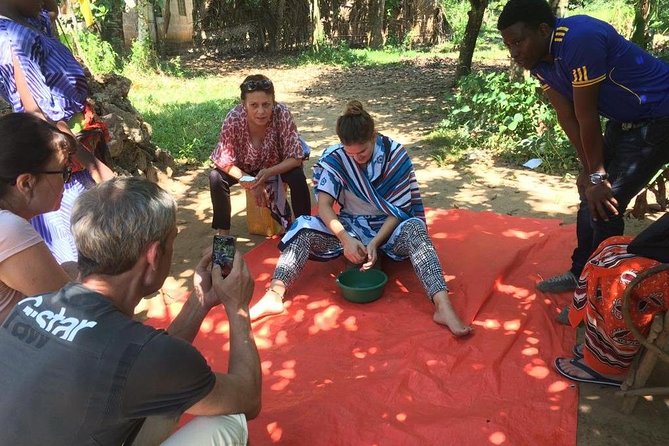
You’ll begin in Stonetown at Kajificheni Street (Kajificheni St, Zanzibar). The day starts at 09:30, and you’ll leave together in an air-conditioned vehicle, which matters on Zanzibar mornings when the heat can build quickly.
This is one of those tours where logistics don’t feel like a fight. You’re not just dropped off and told to find your way. Pickup is offered, and the tour returns you to the meeting point area around 2:00 pm, so you can plan the rest of your afternoon without stress.
The tour is also listed as a private tour/activity, meaning only your group participates. That makes a big difference with a class like this, because you’re more likely to get questions answered and attention from your guide while you’re learning how to use the spices.
If you’re the type who likes to get your bearings and your souvenirs at the same time—this works. It’s practical. It’s not just pretty photos.
You can also read our reviews of more tours and experiences in Zanzibar.
Kizimbani spice tour: more than looking at plants
The farm stop is the heart of the morning. You drive to a carefully selected spice farm in Kizimbani, about 15 kilometers northeast of Stonetown.
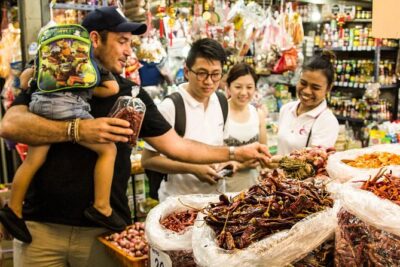
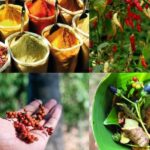
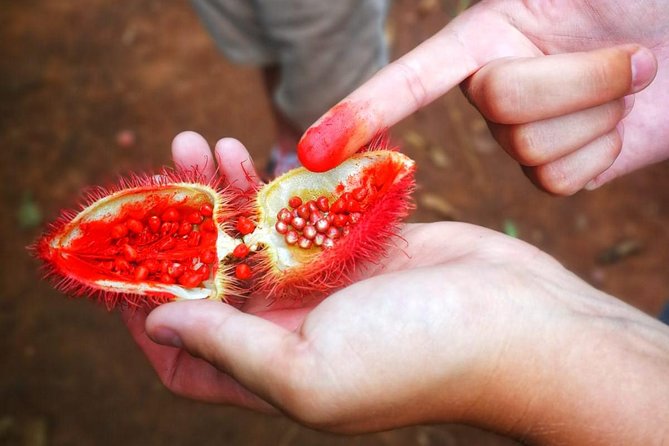
Once there, you’ll get a guided tour through the farm where you’ll see, smell, and taste multiple spices and fruits. That trio matters. Smell can explain what you’re looking at, taste helps you understand why the spice exists beyond theory, and seeing the actual plant helps you remember it later when you’re cooking.
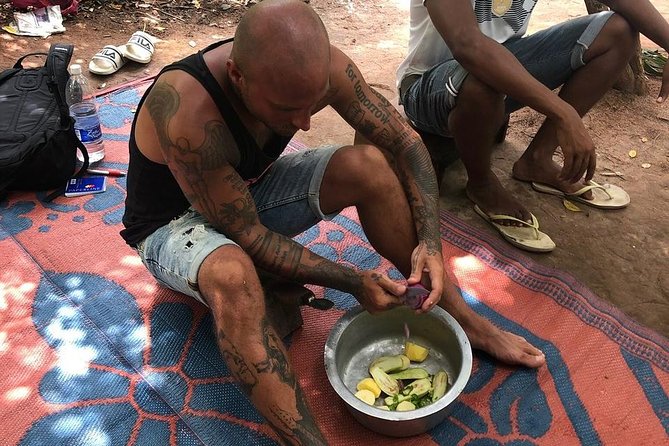
The best part is that this isn’t purely observational. You’ll harvest important ingredients that you’ll later use for the traditional cooking class. That hands-on moment tends to make the whole lesson feel real. You’re not just hearing about spices; you’re collecting them.
From the reviews, the guides don’t just point. They explain. One review specifically praised the guide for giving many explanations about the spices and plants, and another mentioned being guided to a spice farm by Lukem. If you enjoy learning by doing—this format is built for you.
The cooking class: a shared meal built from what you harvested
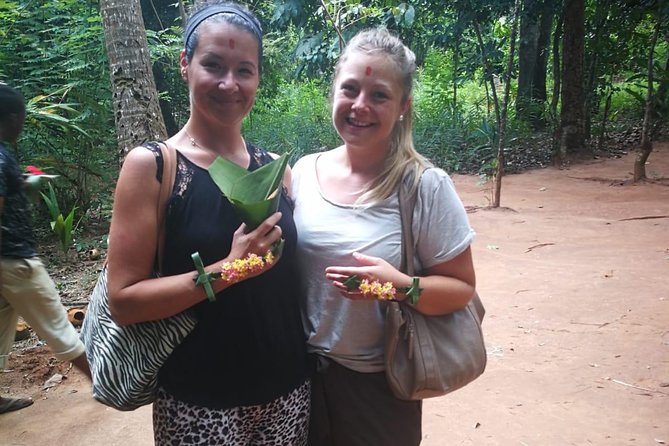
After the spice tour, the tour shifts from farm field notes to hands-on food. A local woman takes the lead to show you how to prepare and cook traditional food.
This is where the experience becomes more than a tour. The point is that you connect the farm to the kitchen: the ingredients you collected become the ingredients you cook.
The group cooking element shows up strongly in the feedback. People describe cooking as a shared activity where dishes turned out well, and they highlight the hospitality and patience of the hosts while teaching you. In other words, it’s not a performance where you watch. It’s a class where you participate.
And then you sit down and eat your own meal together. That shared meal is a big value piece, because it turns your time into something tangible—you leave with food in your stomach and knowledge in your head.
What to expect during cooking
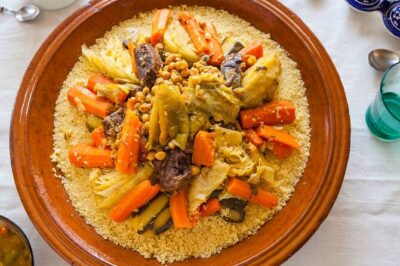
The exact dishes aren’t listed in the info you provided, but you can count on a variety of local delights and a meal made using the spice ingredients from the farm. Plan for a typical cooking-class pace: you’ll follow instructions, help with steps, and learn how spices are used in local flavor profiles.
One practical tip: come with curiosity. If you treat this like a tasting session only, you’ll miss the learning. If you treat it like a working lesson—good things happen.
A quick reality check on the cooking environment
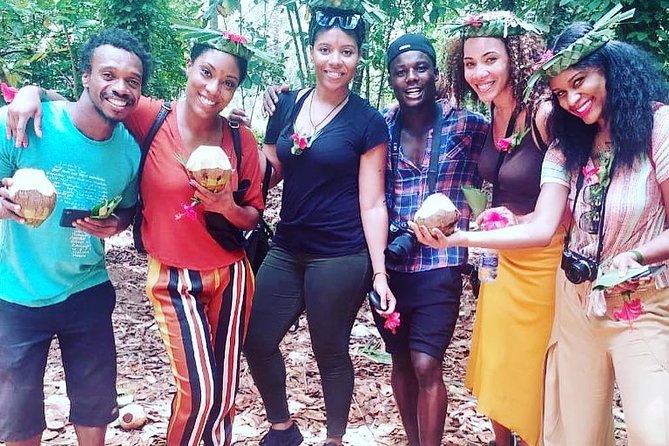
One review mentioned a drawback: the cooking class space may feel like more of a home/community setting rather than a dedicated kitchen/restaurant environment. The same review also noted that people came and left during the experience.
That doesn’t mean it’s bad. It might mean the setting is naturally busy and part of everyday life around the hosts. But if you’re sensitive to interruptions or you like a very quiet, controlled classroom atmosphere, it’s worth knowing that this isn’t described as a polished, closed-off venue.
Think of it this way: you’re not just buying a cooking demo. You’re joining real local hosting. That can be charming and warm—and slightly chaotic.

Transport and timing: what the schedule really means for your day
The tour is 4 hours 30 minutes (approx.) from 09:30 until around 2:00 pm, with travel to and from the farm.
That timing is handy in Stonetown. It’s early enough that you’re not spending the whole day commuting, but it’s not so early that you need to sprint out the door in the dark. You’ll also get back to the meeting point at a reasonable hour, which makes it easier to pair with other Stonetown activities in the afternoon.
You’ll ride in an air-conditioned vehicle, which is an underrated comfort factor. Spice farms are active places, and the transition from outdoors to cooking can involve sweat and humidity. Having AC for the ride helps your brain stay focused during the explanations.
Also, the tour starts and ends at the same meeting point area—Kajificheni Street—so you don’t have to figure out a complicated drop-off.
Price and value: why $68 can make sense here
At $68 per person, this isn’t the cheapest thing in Zanzibar. But it does include two expensive-in-time experiences: a guided spice farm tour and a hands-on cooking class with a meal.
Here’s what you’re really paying for:
- Guided farm time: not just a walk—smell-and-taste stops plus harvesting
- Instruction in cooking: taught by a local host, not a generic script
- Meal included: you eat what you cook
- Transport included: air-conditioned vehicle between Stonetown and Kizimbani
- Private group experience: only your group participates, so you’re not sharing attention
If you were pricing these separately, the cost can climb fast—especially once you add transport and guided time. So $68 can feel fair if you want the full story: where spices come from, how they’re used, and what they taste like in a local meal.
One more value note: reviews rate it 4.6 out of 5 with 93% recommended. That’s a strong signal that people feel they got their money’s worth, not just a quick photo stop.
Who this tour suits best

This experience fits you well if you want:
- A hands-on food lesson, not just a tasting
- A deeper look at spices through farm-to-kitchen learning
- Personal attention from your guide, thanks to the private group setup
- A morning activity that ends early enough for an afternoon plan in Stonetown
It’s also a good fit for couples and small groups who don’t want to merge into a big crowd mid-lesson.
If you’re a solo traveler, it can still work nicely, especially because the activity is framed as a private experience for your group. The key is that you should be comfortable participating—this isn’t just watching from the sidelines.
If you hate any hint of mess or interruption, or if you prefer polished restaurant settings only, you may find the home/community cooking vibe slightly less structured than you’d like.
Should you book this Zanzibar spice-and-cooking class?
Yes, I’d book it if you want an authentic Stonetown-area food experience that starts with real plants and ends with a meal you helped make.
Here’s the quick decision checklist:
- Choose it if you love learning through senses—smell, taste, harvest, cook—in one 4.5-hour block.
- Choose it if you value local teaching and hospitality (the reviews really emphasize this).
- Think twice if you need a perfectly quiet, polished “studio” environment, because the cooking setting may feel more home-like and active.
If you’re planning just one food-focused activity in Zanzibar, this is the kind that gives you both the story and the payoff.