REVIEW · ZANZIBAR
Cooking Class Tour
Book on Viator →Operated by HALISI AFRICA TOURS · Bookable on Viator
A market, a coal stove, and lunch you helped cook. That mix is exactly why this Zanzibar class feels more real than a standard food tour. You’ll shop for ingredients first, then cook Swahili-style dishes with an experienced Zanzibari chef, capped at just six people for real attention.
I especially like the market stop. Choosing spices and produce in the same place locals do makes the lesson feel practical, not just theoretical. Second, I like that you’re cooking over a charcoal brazier—you get that Zanzibar heat and flavor that no kitchen demo can fully fake.
One thing to consider: the experience requires good weather. If conditions are rough, it can be rescheduled or refunded, so it’s smart to book with some flexibility.
In This Review
- Quick hits before you go
- Cooking on Zanzibar Time: what this class is really like
- The 9:00 am meeting point that keeps things easy
- Market shopping: learning spices before the stove heats up
- Small group, big attention: cooking with a real chef
- Swahili cooking lessons: what you’ll actually learn
- Charcoal brazier cooking: the flavor difference you can taste
- Eating together: lunch isn’t an add-on
- Price and value: why $90 makes sense for this format
- Who this Zanzibar class is best for
- Practical tips so you enjoy it more
- Quick FAQ for booking confidence
- FAQ
- What time does the cooking class start, and how long does it last?
- Is pickup available from my hotel?
- How large is the group?
- Can vegetarians join?
- What’s included in the price?
- What meeting point should I use?
- Is the experience affected by weather?
- Should you book this Zanzibar cooking class?
Quick hits before you go
- Small-group max of six means you’re not shouting over everyone else to ask questions
- Market shopping included, so you learn what to buy and why
- Charcoal brazier + knife skills are part of the hands-on cooking
- Swahili cooking focus, with spices and influences tied to Zanzibar
- Vegetarian options available, so you’re not forced into a plain fallback
- You start at 9:00 am and finish back at the meeting point in about 5 hours
Cooking on Zanzibar Time: what this class is really like
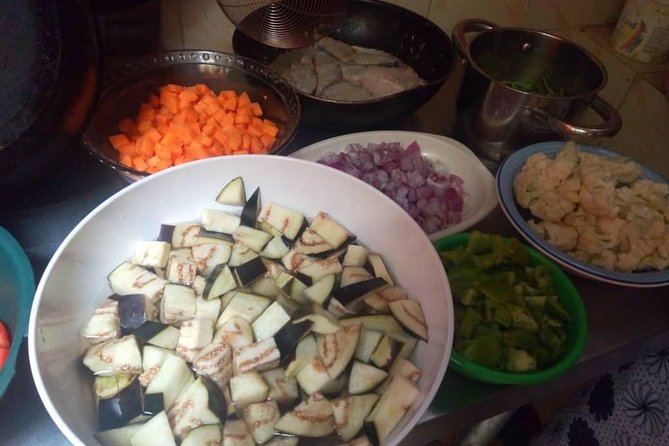
If you’ve ever taken a tour where you watch food happen from the safety of the sidelines, this one swaps the script. You’ll be actively cooking—then eating your work—inside a local setup where Swahili food and spice use are treated as everyday know-how.
The class centers on Swahili dishes shaped by Zanzibar’s history, including oriental influences and the role of spices grown on the islands. Translation: you’re not just learning recipes. You’re learning the logic behind them—how flavors build, how spices behave, and how cooking technique affects the final bite.
The format is simple and effective. You visit a local market to buy ingredients, you cook with your chef, then you share a meal together right after the food is ready. The whole thing runs about 5 hours, starting at 9:00 am, and it ends back at the same meeting point.
You can also read our reviews of more tours and experiences in Zanzibar.

The 9:00 am meeting point that keeps things easy
You meet at Tembo House Hotel, on Shangani Street / Forodhani Street, Zanzibar 0004. That location is in the heart of Zanzibar’s main tourist area, and the tour notes it’s near public transportation, which makes arriving less stressful.
Pickup is offered, which is handy if you’re not staying close to the meeting area. If you do use pickup, confirm the details when you book so you know where to wait and what time the driver plans to arrive.
Because the start time is firm—9:00 am—I’d plan to be early. Zanzibar schedules can be relaxed in many ways, but tours still need a starting line.
Market shopping: learning spices before the stove heats up
The market stop is more than a photo moment. It’s where the “why” starts.
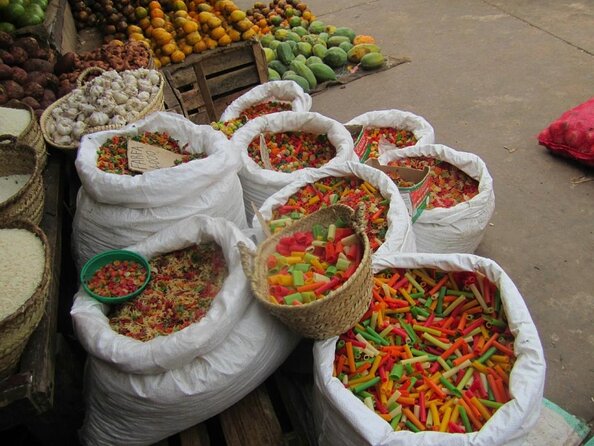
You’ll shop for the ingredients you’ll later cook with, guided by your chef/instructor. That matters because Swahili cooking relies heavily on spices and aromatic building blocks. If you don’t understand what’s being chosen at the market—freshness, type, and how it will be used—you lose a big chunk of the lesson.
You’ll also get a feel for how Zanzibar’s ingredients show up in everyday cooking. In practical terms, this helps you later when you’re trying to recreate something at home. You’ll remember not just the dish, but what you were looking for while buying it.
Small group, big attention: cooking with a real chef
This class caps at six participants, which is a huge deal in cooking. With a group this size, your chef can slow down, watch how you’re doing, and correct issues before they turn into a ruined meal.
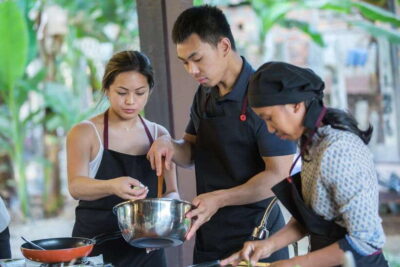
Personal attention is built into the format. You’ll be practicing the cooking in Zanzibar styles instead of just following along. That’s how you learn technique: stirring, timing, and spice handling—things that rarely come across in a recipe card.
In one recent class experience, guests specifically mentioned working with a team including Hamza and Miram, along with the chef’s family. That kind of household-style setup is usually where the best practical lessons happen, because people cook this way every day.
Swahili cooking lessons: what you’ll actually learn
The lesson focuses on the intricacies of Swahili cooking, including how spices and aromatic ingredients work together. Since the tour is themed around Zanzibar’s spice culture, expect the chef to talk about ingredient roles, not just steps.
You’ll prepare various dishes (the exact menu isn’t listed here), but you can still expect a consistent teaching style:
- how to work spices into a base flavor
- how to adjust seasoning during cooking
- how to handle ingredients so they come out with the right texture
This matters for you even if you’re not a “serious cook.” The goal isn’t culinary perfection. It’s confidence. You leave knowing what to do, not just what to memorize.
And if you’re vegetarian, you’re covered. The class notes that vegetarians can be accommodated, which is a big quality signal. You shouldn’t have to sit there eating bread while everyone else has the real thing.


Charcoal brazier cooking: the flavor difference you can taste
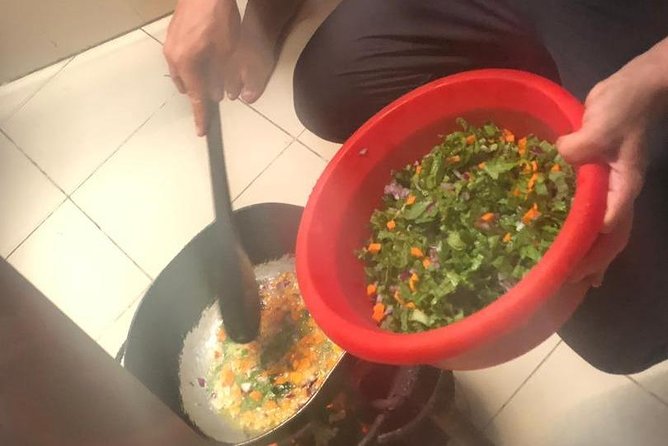
One of the standout details here is that you’ll cook using a charcoal brazier. That’s included, along with the use of a kitchen knife.
Why does that matter? Heat source changes everything. Charcoal cooking tends to give a different intensity and flavor profile than gas or electric. Even if you don’t know the science, your tongue will clock it.
It also changes how you cook. Charcoal heat can run hot in spots and shift over time. That’s why having a chef guide you is helpful—you learn how to respond instead of trying to force a recipe to behave on a different burner.
In other words: you’re not just learning Swahili flavors. You’re learning Zanzibar cooking conditions. That’s the kind of “transferable skill” that makes classes worth the money.
Eating together: lunch isn’t an add-on
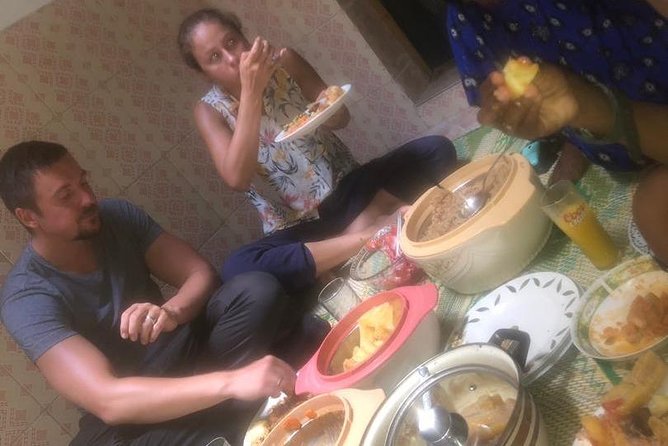
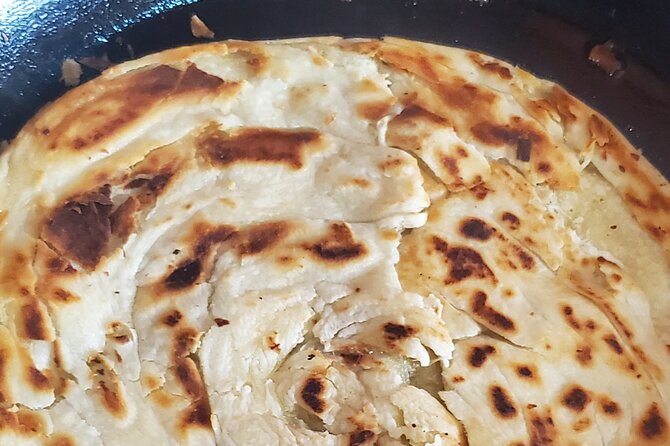
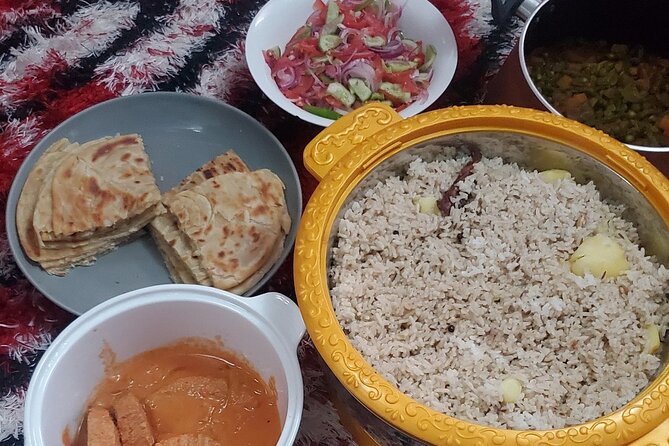
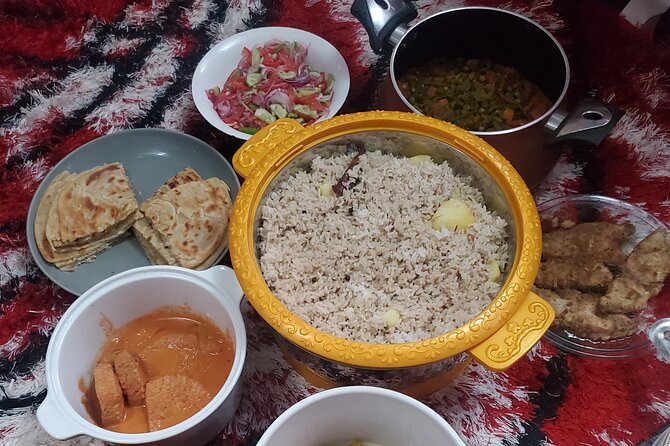
After the cooking, you dine on what you made in class. That’s important. If lunch were separate, you’d have a one-sided experience—fun cooking, then a generic meal.
Here, you get the full loop: shopping → cooking → eating your results. You also share the meal with your chef and discuss the day and the merits of Swahili foods. That conversation part is where you often pick up the small explanations that never make it into the recipe.
The lunch inclusion isn’t just value. It’s structure. You’re cooking with the expectation that you’ll taste and learn immediately, which keeps the whole class practical.
Price and value: why $90 makes sense for this format
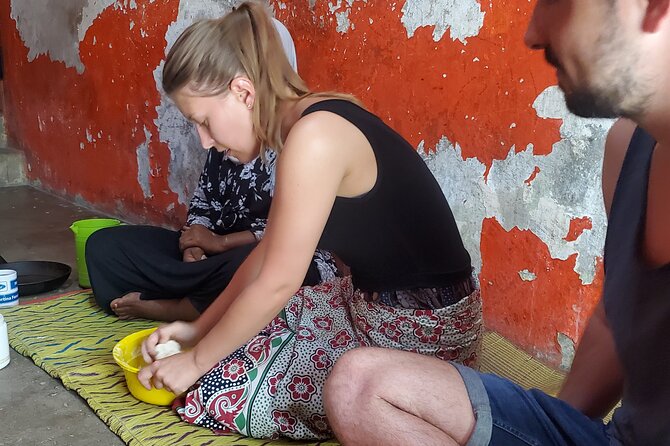
The price is $90.00 per person, booked on average about 93 days in advance (so it’s popular enough that planning helps).
Is $90 a lot? It can be, especially in Zanzibar where you can find cheaper food experiences. But you’re paying for something specific here:
- Small group (max six) with instructor attention
- Market shopping included, not added later
- Chef-led hands-on cooking instead of observation
- Lunch included, plus supplies/ingredients provided
- Cooking setup includes a charcoal brazier and knife use
When you price that out as a combination—guided market time, real cooking instruction, and a sit-down meal—it starts to look fair. The biggest value is the group size and the fact you’re cooking over charcoal with guidance.
If you’re the type who likes food tours mainly as entertainment, you might prefer a cheaper tasting tour. But if you want a skill you can reuse, this is the better trade.
Who this Zanzibar class is best for
This cooking class fits especially well if you:
- want a hands-on experience, not just watching
- like learning with food you’ll actually eat
- enjoy spice-forward cooking or want to understand it better
- travel with curiosity and patience (you’ll be working at a human pace)
- need vegetarian accommodation
It’s also a good fit for couples and small friend groups because the max of six keeps the experience personal.
If you hate early mornings, note the 9:00 am start. And if you’re only interested in casual street food sampling, you might find this more structured than you expected.
Practical tips so you enjoy it more
A few things I’d do before you go:
- Wear comfortable clothes you don’t mind getting spice smells on. Cooking days have a way of sticking to fabric.
- Bring a light layer. Morning in Zanzibar can feel different from later in the day, and cooking spaces aren’t always perfectly cool.
- Have a rough plan for your day after. You’ll finish at the meeting point, but you’ll likely be hungry again later—not because the lunch is small, but because cooking builds appetite.
Also, because the tour depends on good weather, keep your expectations flexible. If conditions are bad, rescheduling or refund options may apply.
Quick FAQ for booking confidence
FAQ
What time does the cooking class start, and how long does it last?
The class starts at 9:00 am and lasts about 5 hours.
Is pickup available from my hotel?
Pickup is offered. The tour also ends back at the meeting point.
How large is the group?
The maximum group size is six travelers.
Can vegetarians join?
Yes. Vegetarians can be accommodated.
What’s included in the price?
Lunch is included, and the class uses a kitchen knife and a charcoal brazier. Supplies and ingredients are also provided.
What meeting point should I use?
Meet at Tembo House Hotel on Shangani Street / Forodhani Street, Zanzibar 0004, Tanzania.
Is the experience affected by weather?
Yes. The experience requires good weather. If it’s canceled due to poor weather, you’ll be offered a different date or a full refund.
Should you book this Zanzibar cooking class?
Yes—if you want a real cooking experience and not just a snack-and-walk tour. The value is in the small group size, the market-to-stove flow, and the fact you’ll cook on a charcoal brazier with an instructor.
Book it especially if you’re curious about Swahili flavors and how Zanzibar spices shape meals. And if you’re vegetarian, this tour is explicitly set up for that too, which is rare enough to take advantage of.
Skip it only if you dislike early mornings or you know you won’t be able to adjust if weather forces a change. Otherwise, $90 buys you something practical: skills, confidence, and lunch that tastes like you earned it.