REVIEW · ZANZIBAR
Zanzibar: Walking Spice Farm with Local Cooking Class
Book on GetYourGuide →Operated by Riser Tours and Safaris Zanzibar limited · Bookable on GetYourGuide
Spices have a sound in your nose. On this Zanzibar spice farm walk at Tangawizi Spice Farm, you get to see plants growing, then smell and taste them up close in the exact way people here use them. It’s a hands-on sensory tour, built around the island’s old-school reputation as a top spice producer.
I especially love the spice-and-fruit tasting part. You’ll get your senses working with familiar aromas like clove, lemongrass, cinnamon, nutmeg, turmeric, vanilla, and black pepper, plus tropical fruit such as papaya, jackfruit, and oranges. One consideration: the cooking portion is often more of a demonstration than a full hands-on class, and the meal format may feel closer to a shared buffet with fruit than a strict four-course sequence.
In This Review
- Key highlights worth your attention
- From your hotel to Tangawizi: how the 6 hours actually move
- Walking the shamba: the real learning happens with your nose
- Cooking time in an open-air hut: what you’re learning (and how it’s taught)
- The meal: three courses of Swahili comfort, plus dessert and fruit
- The spice stall stop: how to shop smart and not waste money
- Getting the most out of it: timing, language, and group size
- Who should book this Zanzibar spice farm and cooking experience?
- Should you book this tour?
- FAQ
- How long is the Zanzibar spice farm and cooking tour?
- Where can the pickup happen?
- Where does the tour drop you off?
- What is included in the price?
- How much does it cost?
- What languages are the guides available in?
- Is the group private?
- What is the cancellation policy?
- Does the experience include cooking, or is it more of a demonstration?
Key highlights worth your attention
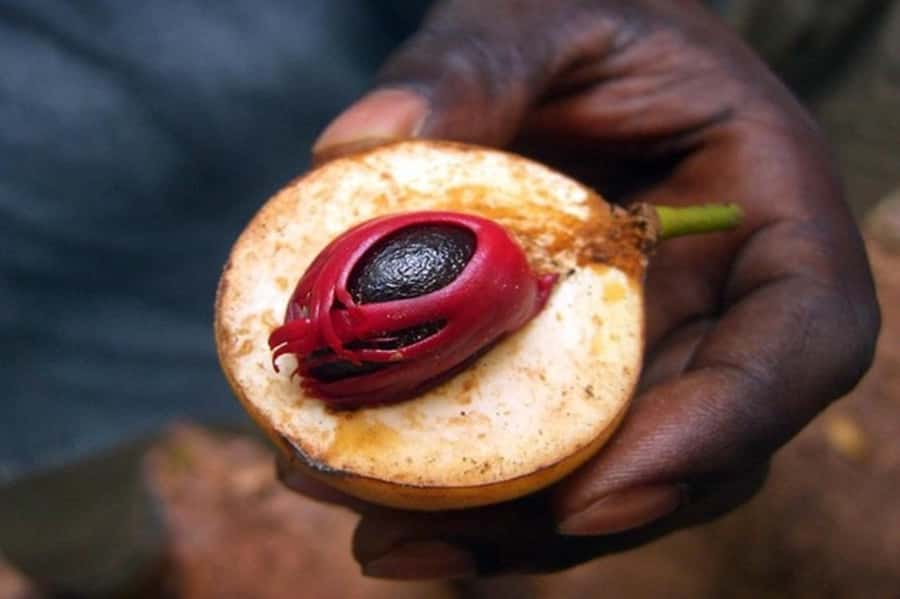
- Tangawizi Spice Farm shamba walk with a guide who points out how spices, herbs, and fruits grow
- Smell-and-taste sampling of spices like clove, nutmeg, cinnamon, cardamom, and black pepper
- Tropical fruit stops including papaya, jackfruit, cassava, and oranges
- Open-air cooking lesson time with local methods and Swahili flavors
- A spice stall finish where packaged spices are sold (cash)
- Hotel pickup and drop-off plus lunch included in the $50 price
From your hotel to Tangawizi: how the 6 hours actually move
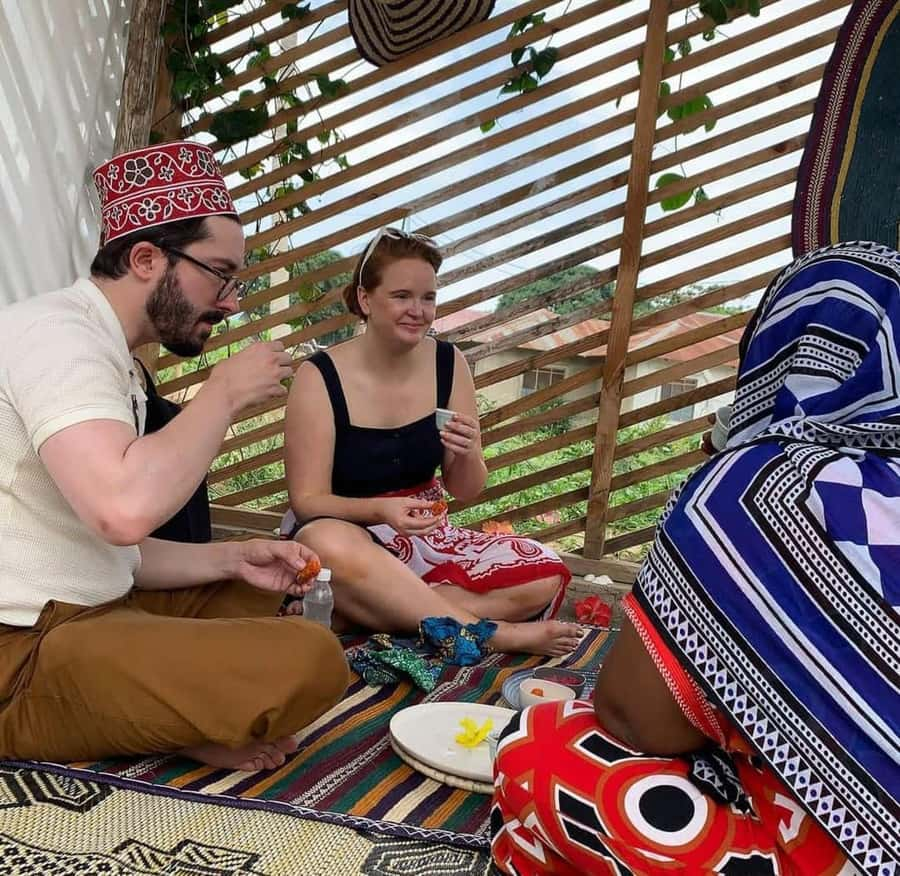
This tour is built as a smooth, full daytime experience. You’re picked up from one of the listed areas (Stone Town, Zanzibar, or Unguja North Region) and then taken to Tangawizi Spice Farm for the walk and cooking portion, finishing with drop-off back in those same areas.
The total time is about 6 hours, which matters because spice tours can drag if the group isn’t moving or if there are long transitions. Here, the day is organized into two clear halves: a guided farm visit and then the cooking time and shared meal afterward. If you’re timing other plans in Stone Town, you’ll want to plan for a full half-day, not just a quick excursion.
Value-wise, the $50 per person price is easier to justify because it includes both transport (pickup/drop-off) and lunch. You’re not paying extra just to get there and eat, and the farm portion is the main event.
You can also read our reviews of more tours and experiences in Zanzibar.
Walking the shamba: the real learning happens with your nose
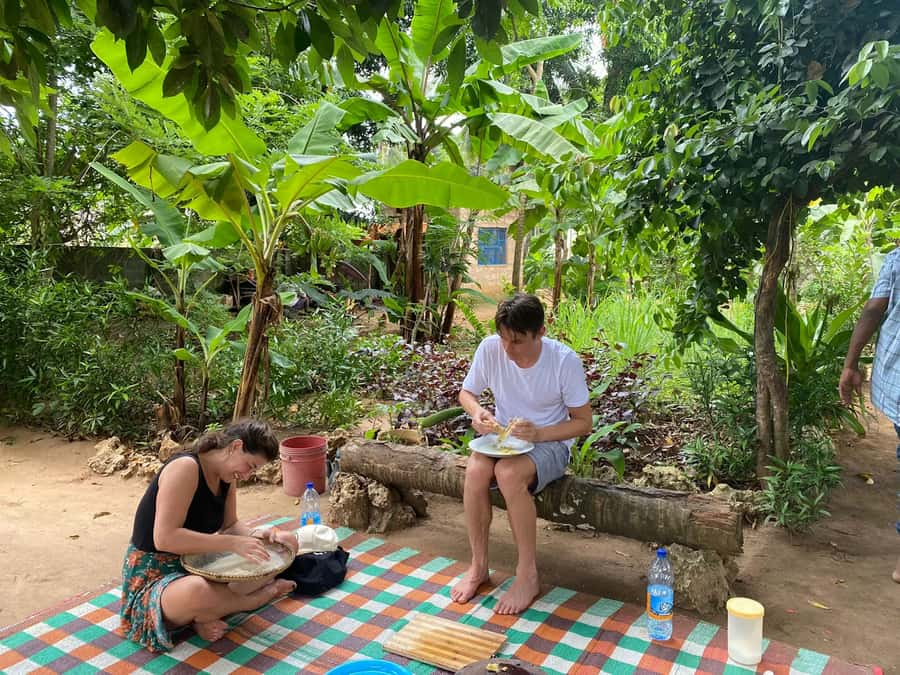
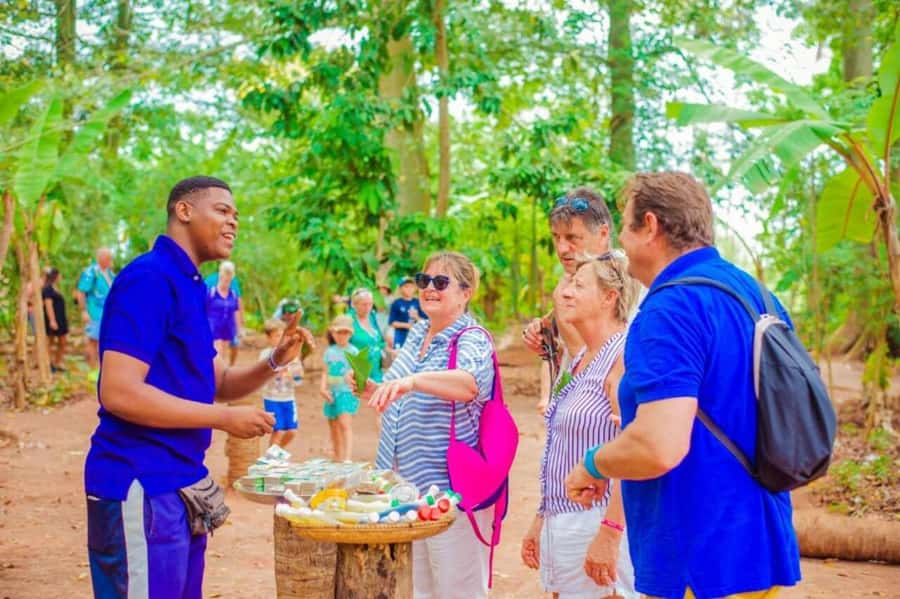
A spice farm walk in Zanzibar is not about pretty photos. It’s about recognizing plants by smell, leaf, seed, and use. The walk is on an organic-style farm (often described as a shamba), and you’re guided through what grows and why it matters on an island that historically produced spices like clove, nutmeg, and cinnamon at world scale.
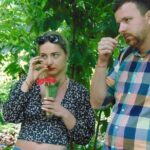
Here’s what makes the shamba portion click for me as a traveler: you’re not only told names. You get chances to smell and taste many of the most important crops people associate with Zanzibar. That sensory practice helps you remember the experience, and it also helps you shop later with less guesswork.
You can expect the guide to introduce a long list of spices, herbs, and fruits, including:
- clove
- lemongrass
- nutmeg and cinnamon
- turmeric, vanilla, and cardamom
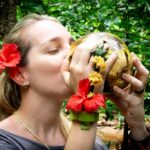
- coconuts (and coconut milk uses)
- chili and black pepper
- jackfruit, papaya, cassava, and oranges
Even if you think you already know these flavors, the farm setting changes how you experience them. Spices can smell strong in a jar, but smelling them where they grow makes the aromas feel more layered. You’ll also start noticing how different plants look before you taste them. That turns the tour into more than entertainment.
One small practical note: since it is a walking experience, wear shoes that handle farm ground. Paths are not usually paved, and the focus is on walking between crops.
Cooking time in an open-air hut: what you’re learning (and how it’s taught)
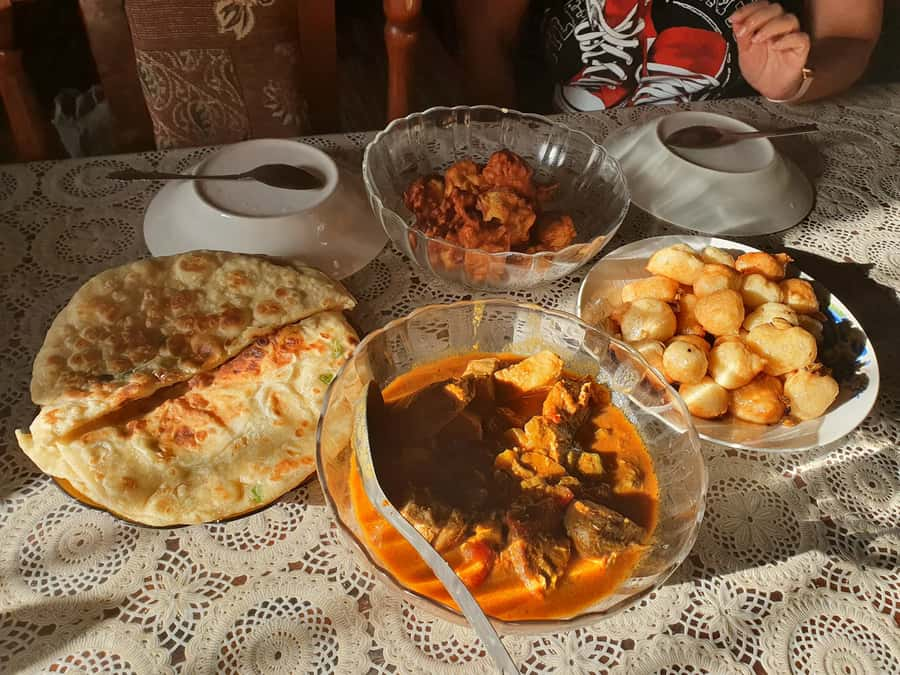
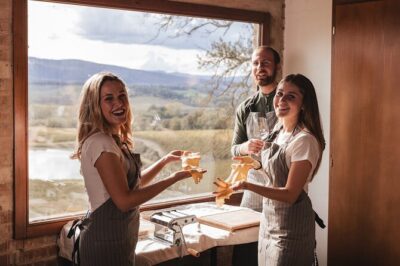
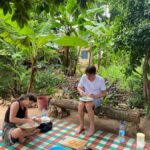
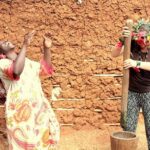
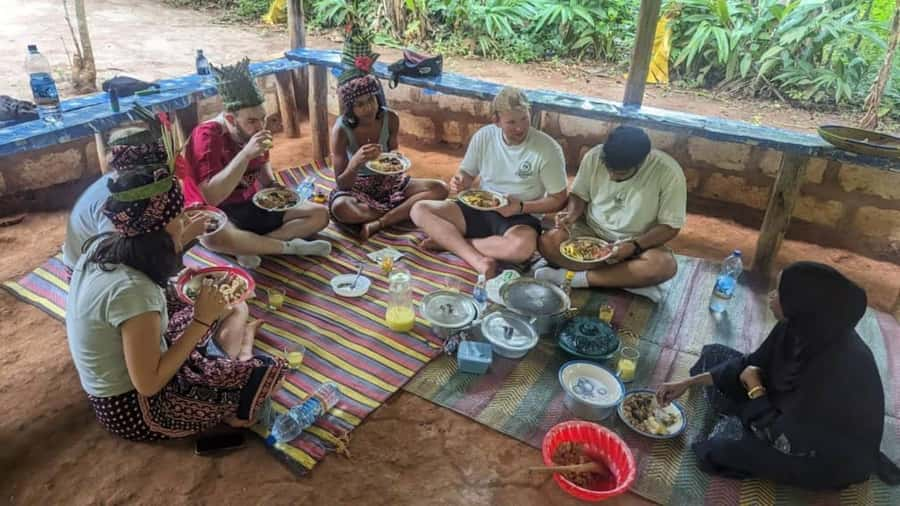
After the farm walk, you shift from tasting to cooking. The lesson happens as you sit down in a simple, open-air cooking space where you can watch how local ingredients are handled and used. You’ll see methods that feel practical and quick, using basic tools and heat sources like wood fire and charcoal burners.
Now, about expectations: the cooking segment is best thought of as a demonstration-led lesson rather than a class where you personally cook every step. You may do some small participation depending on the day and your group, but the core experience is watching and learning. That aligns with how many cooking lessons in Zanzibar are structured: you learn by observing and smelling what’s going into each dish.
What makes this part meaningful is the local approach to flavor. Zanzibar cuisine often builds depth by mixing spices with everyday ingredients like onions, tomatoes, greens, fish, and starchy sides. During this segment, you’ll learn how those spices work together, not just what each spice is individually.
And yes, the open-air setup matters. It’s part of why the food process feels grounded: smoke, heat, and fresh prep are all part of what you see. If you like food experiences where you can connect the recipe to the ingredients you just met on the walk, this portion delivers.
The meal: three courses of Swahili comfort, plus dessert and fruit
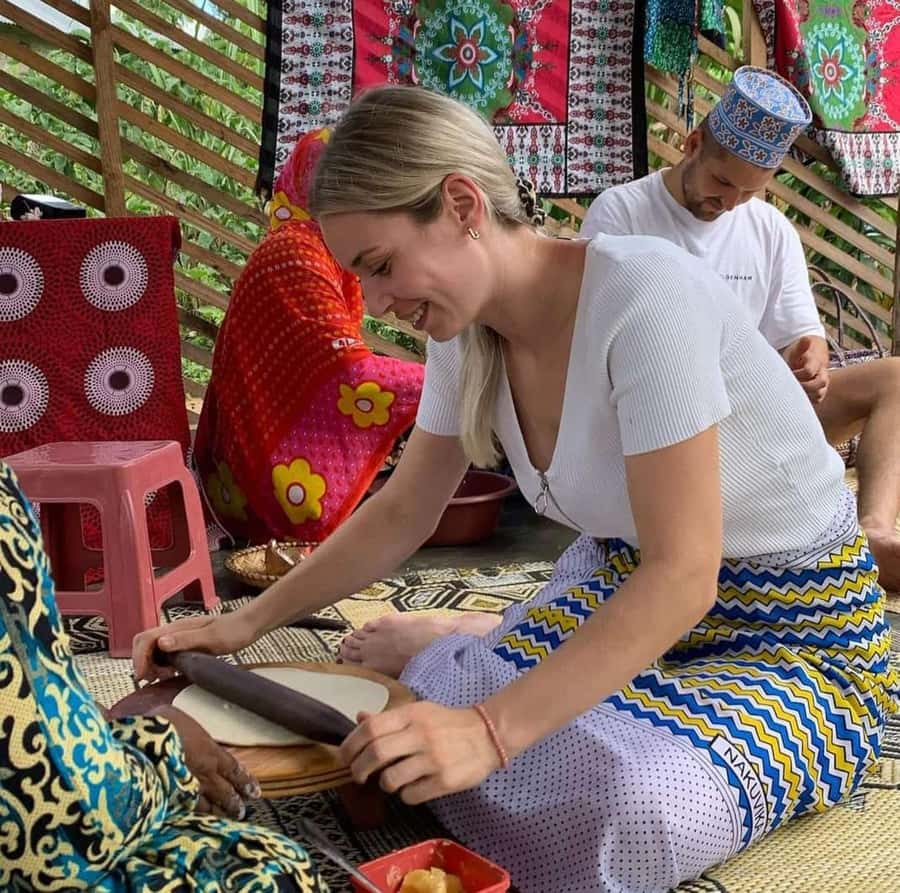
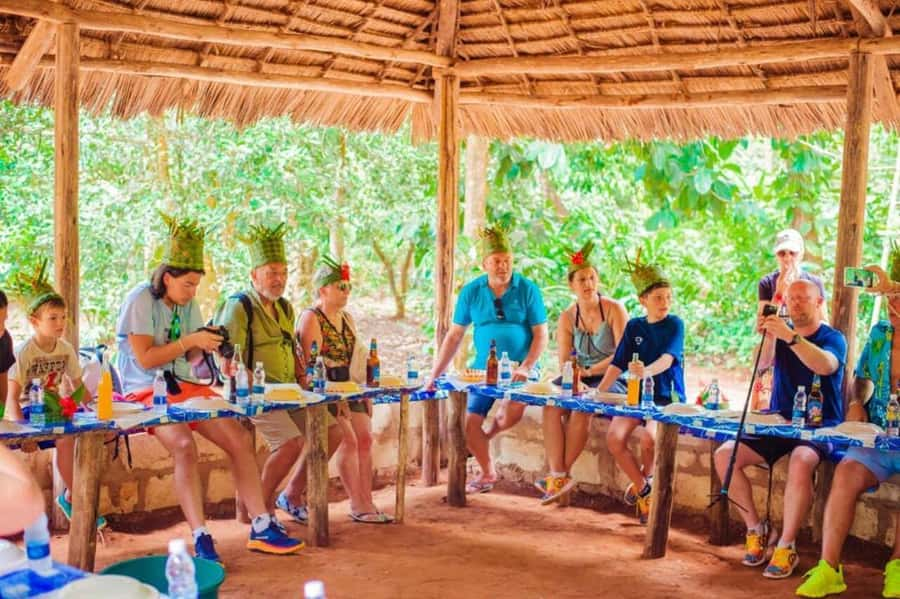
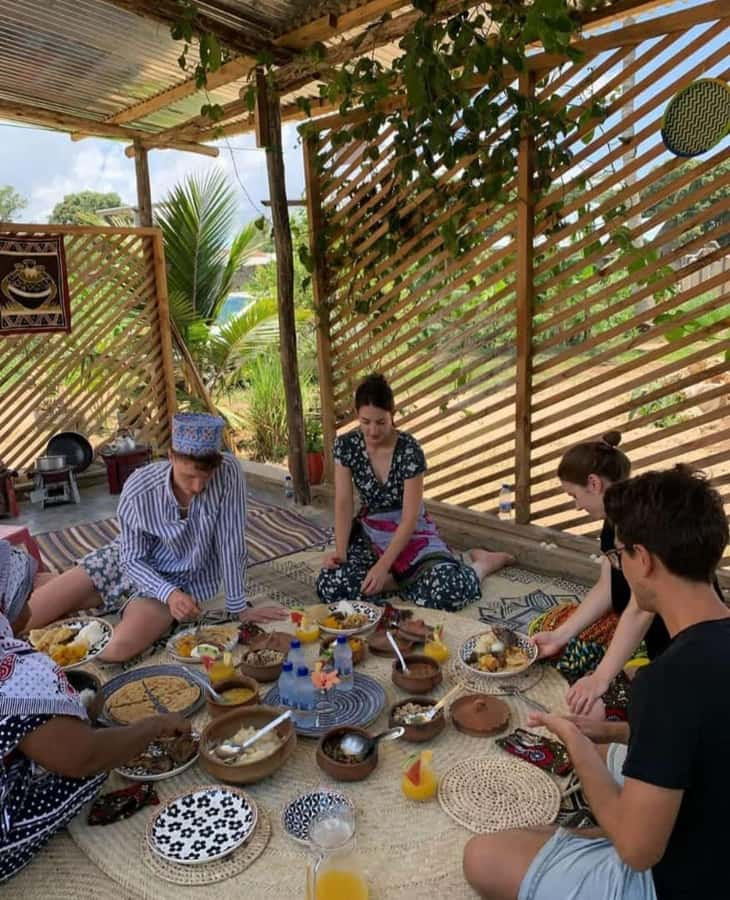
The tour is structured so you end up eating a real meal, not just snacks. The basic promise is that you’ll prepare three meals and a dessert together, then settle down to eat the shared courses. In practice, it may come out as a shared buffet with fruit afterward, but the outcome is the same: you should leave fed.
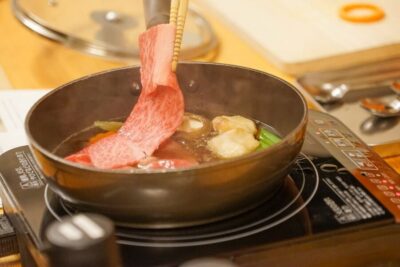
From the dishes described during the cooking time, you can look forward to typical Swahili favorites such as:
- pilau rice flavored with multiple spices
- a tomato-onion style sauce paired with greens and other ingredients
- fish cooked with a lime-and-salt style marinade, then fried
- plus additional sides depending on what’s being prepared that day
If you’re wondering what to expect about portion size: this isn’t a light tasting menu. You should plan to treat lunch as the main meal of the day.
I also love that dessert and fruit are part of the experience. Tropical fruit fits naturally after you’ve been learning about cassava, papaya, jackfruit, and oranges all morning. By the time dessert arrives, your brain has already matched the flavors you smelled earlier to the taste you’re now eating.
The spice stall stop: how to shop smart and not waste money
Most spice tours end with a shopping moment, and this one includes a stop at a spice stall selling fresh packaged spices. It’s a chance to bring something home that actually matches what you tasted on the farm.
Two things to keep in mind here:
- It’s cash only for purchases at the stall, so bring some bills.
- If you want to tip, keep small change or small bills available. The tour price includes tips for farm workers, so you’re not obligated to do anything extra, but having small cash helps if your guide or driver is doing a lot for you during the day.
Shopping advice that keeps you from getting overwhelmed: buy fewer items, but buy with intention. If you tasted something specific you loved on the farm walk, start there. If you only buy what’s cheapest, you’ll often end up with spices that sit in your kitchen drawer because they were never part of your favorite flavors during the tour.

Getting the most out of it: timing, language, and group size
This is offered year-round and runs on a private group setup, which can make the experience feel less rushed. A private format also tends to help if you ask questions during the walk, because your guide can keep the pace aligned with your comfort level.
English is available, along with German and French. If you want a smoother experience, pick the language option that you’ll understand best when the guide is describing how spices are grown and used.
Timing-wise, remember that you’re doing both a farm walk and a food session in one stretch. If you’re prone to getting hungry, show up ready for a full schedule. If you’re sensitive to smells, be aware that spices can be quite strong in concentration during tasting.
Who should book this Zanzibar spice farm and cooking experience?
I think this tour is a great fit if you want Zanzibar food culture without needing a restaurant reservation. You’ll connect spices to plants, then spices to dishes, in a single day.
It also works well for:
- food lovers who like sensory learning
- travelers who want a grounded cultural activity that isn’t just looking at buildings
- people who enjoy buying a few souvenirs that actually relate to what they experienced
Where you should pause and think is if you want a fully hands-on cooking workshop where you do most of the cooking yourself. Based on how the experience is typically run, the format can feel more like a cooking demonstration with shared eating than a participation-heavy class. If that’s your preference, you’ll still learn plenty, but it won’t feel like a strict teach-you-every-step cooking school.
Should you book this tour?
Book it if you want a focused spice farm walk plus Swahili food experience in one tidy 6-hour window, with lunch and transport included. The sensory tastings, the shamba walking element, and the chance to learn how ingredients turn into real dishes are the big reasons it’s worth your time.
Skip it or choose carefully if you’re expecting a hands-on class experience with lots of personal cooking and a very formal four-course service. The day can still be excellent for flavor and learning, but it’s not guaranteed to match that more rigid cooking-school style.
If your main goal is to smell, taste, and understand Zanzibar spices in a practical way, this is one of the most direct routes to doing that.
FAQ
How long is the Zanzibar spice farm and cooking tour?
The tour takes about 6 hours total.
Where can the pickup happen?
Pickup is available from Stone Town, Zanzibar, or Unguja North Region.
Where does the tour drop you off?
Drop-off is available in Unguja North Region, Stone Town, or Zanzibar.
What is included in the price?
The price includes hotel pickup and drop-off, plus lunch.
How much does it cost?
It costs $50 per person.
What languages are the guides available in?
The live tour guide is available in English, German, and French.
Is the group private?
Yes, the group type is private.
What is the cancellation policy?
You can cancel up to 24 hours in advance for a full refund.
Does the experience include cooking, or is it more of a demonstration?
The tour includes a cooking lesson, but the cooking portion is often structured more like a demonstration than a fully hands-on class, followed by a shared meal.