REVIEW · ZANZIBAR
Spice Tour & Cooking Class in Zanzibar
Book on Viator →Operated by Zan Archipelago Tours & Safaris · Bookable on Viator
A Zanzibar spice farm tour makes smells and flavors make sense. This one mixes a walk through Jambo Spice Farm with a real cooking class, so you’re not just looking at plants—you’re learning what they do in Zanzibar food. I especially like that the day starts and ends in Stone Town with hotel pickup, and that the session includes a full spice lunch so you can taste what you’re learning. One thing to consider: the pickup is only around Stone Town, so plan to be nearby if you’re staying farther out.
What stands out most is the people side of it. Guides like Sultan are described as punctual, friendly, knowledgeable, and fun, and the cooking portion is led by talented local chefs such as Farita, who can guide you through making a big meal start to finish. If you’re sensitive to strong aromas, remember you’ll be close to fresh spices during the farm tour and while you cook—this is the real thing, not a light background experience.
In This Review
- Key points to know before you go
- Why This Zanzibar Spice Tour Works So Well
- Getting There From Stone Town: Pickup and Timing That Adds Up
- Jambo Spice Farm: Clove, Vanilla, Nutmeg, Ginger, Turmeric, and Pepper
- The Cooking Class: Turning Farm Knowledge Into a Real Meal
- What You Can Buy: Spices, Soaps, and Creams
- Guides and Chef Talent: Where the Experience Gets Its Personality
- Price and Value: What $60 Actually Covers
- Who Should Book This Spice and Cooking Class
- Things to Pack and How to Prepare
- Should You Book This Zanzibar Tour?
- FAQ
- How long is the Zanzibar spice tour and cooking class?
- What’s the meeting point and where does the tour end?
- Is hotel pickup included?
- What’s included in the tour besides the farm visit?
- Is admission included for the spice farm?
- Can I buy spices or other products during the tour?
- What is the cancellation policy?
Key points to know before you go
- Hotel pickup around Stone Town keeps the day stress-free
- Jambo Spice Farm tour focuses on practical spice knowledge
- Hands-on cooking class uses the spices you learn on the property
- Spice lunch, drinks, and mineral water are included
- Ask-anything guide time helps you connect flavors to Zanzibar culture
- You can buy locally made spices, soaps, and creams during the visit
Why This Zanzibar Spice Tour Works So Well
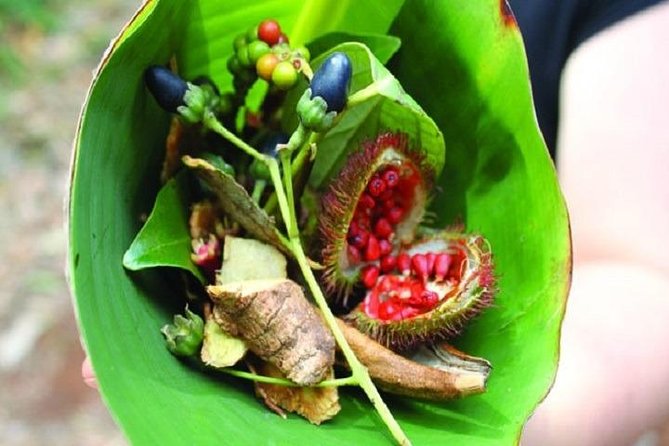
If you’ve ever tasted Zanzibar food and wondered why it tastes the way it does, this kind of tour answers that question in a physical way. Spices aren’t just ingredients here. They’re the whole system—grown, harvested, processed, and then used to build flavor.
I like that this experience stays practical. You spend time at a spice farm where you see plants up close and learn what they’re used for. Then you step into the cooking class and put that knowledge to work with a meal that uses the spices you just encountered.
The value is strongest if you’re the type who wants more than a photo stop. For $60 per person (about 6 hours total, with lunch included), you’re paying for transportation in and out of Stone Town, farm admission, a guided learning segment, and a guided cooking session. You’re not just touring—you’re participating.
You can also read our reviews of more tours and experiences in Zanzibar.
Getting There From Stone Town: Pickup and Timing That Adds Up
This tour is built around Stone Town. It starts there and ends back at the meeting point, so you’re not trying to figure out transport at the end of a long day. Pickup is offered, but it’s specifically around Stone Town, so it’s worth confirming your hotel is within that area.
The pace is also clear. You’re looking at about 6 hours overall, and the spice farm portion takes about 3 hours. That usually means you’ll have enough time to walk the grounds, learn the names and uses of key spices, and still have room for a proper cooking session afterward.
A small but real planning tip: the tour tends to be booked ahead (on average around 47 days in advance). If you’re visiting during busy periods, booking early gives you better odds of the time slot you want, especially since this is offered as a private activity for your group.
Jambo Spice Farm: Clove, Vanilla, Nutmeg, Ginger, Turmeric, and Pepper
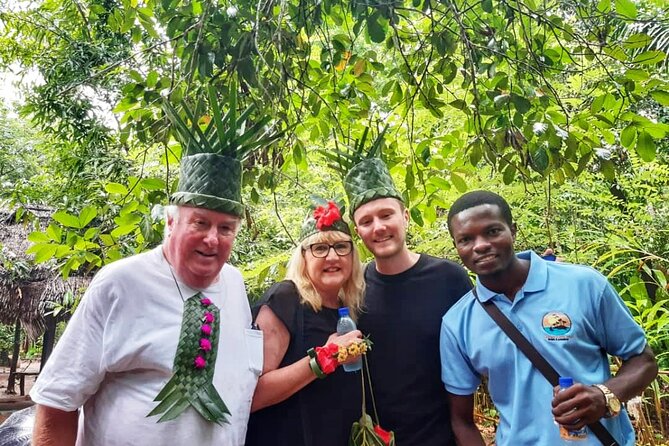
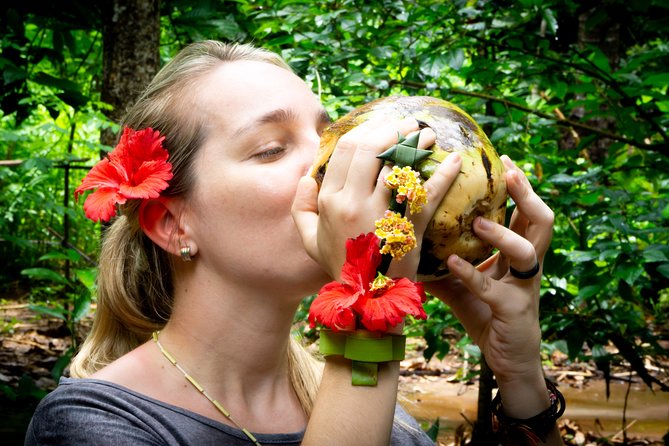
The main stage is Jambo Spice Farm (Jambo Spice Farm). This is where you go from spices as words on a menu to spices as living plants.
You’ll see spice trees and plants such as:
- Clove
- Vanilla
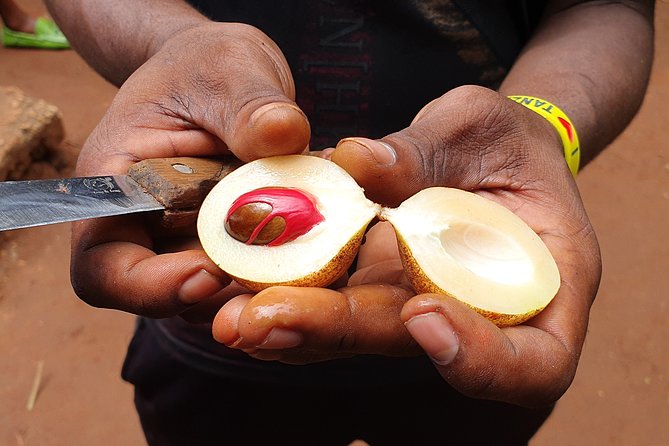
- Nutmeg
- Ginger
- Turmeric
- Black pepper
- Plus different fruits grown alongside them
This is the part I like most when it comes to learning. Seeing the plants in person helps your brain remember what they look like and where they come from. And because your guide can answer questions as you go, you can ask about what you’ve already eaten in Stone Town, how spices are used differently, or even what locals look for when choosing quality ingredients.
One thing to be aware of: spice farms are sensory. You’ll get strong aromas as you move around, and you may also smell the ingredients in the processing steps that might happen during the walk. If you love food but dislike intense scents, go in knowing it’s part of the experience.
The Cooking Class: Turning Farm Knowledge Into a Real Meal
After the spice farm visit, you move into the cooking class with a native chef. This is where the tour stops being purely educational and becomes something you can use later.
What’s included is more than a demo. You’ll participate in the traditional cooking class and work with the spices you learned about. Since the tour also includes spice lunch, drinks, and mineral water, you’re not just watching food being made—you’re eating what you helped create.
From the cooking style described by past participants, the class can cover a full meal rather than just one small dish. One highlight mentioned is cooking a huge meal start to finish, with components such as salad, spiced tuna, spice rice, and banana dishes. That gives you a sense of the effort and structure: you’re guided through multiple parts, not a quick taste-and-go.
A useful takeaway for you: if you pay attention during the class to how each spice is used (not just which spice is used), you’ll be able to recognize the flavor roles later when you eat Zanzibar food on your own.
What You Can Buy: Spices, Soaps, and Creams
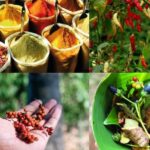
One of the best ways to bring the day home is to buy a few things you can actually use. During the experience, you have the chance to buy spices, plus soaps and creams made locally.
This is practical souvenir shopping. Whole spices and spice blends are easier to pack than bulky items, and they’ll keep your memory tied to smell and cooking rather than just a label.
And since personal expenses aren’t included, remember to budget separately for anything you want to purchase. The tour itself covers the learning and the included lunch, but buying products is your call.

Guides and Chef Talent: Where the Experience Gets Its Personality
A spice tour can be “good” or it can feel genuinely enjoyable—and this one seems to lean toward the fun side through the people leading it.
Names that have come up:
- Sultan, mentioned for being punctual, friendly, knowledgeable, and fun.
- Mady, praised for safe, amazing guidance plus strong knowledge of Tanzania history and culture.
- Farita, highlighted as a very talented chef who can run a cooking session from start to finish.
You’ll also see support for different language needs. At least one participant specifically noted having a guide who spoke French and took time during the course. That’s not guaranteed for every day, but it suggests the team can adapt to group needs when possible.
The practical value of strong guides is simple: they can connect what you’re doing to what you’re seeing and tasting. When your guide can explain why a spice is used a certain way, you leave with a mental map—not just a list of ingredients.
Price and Value: What $60 Actually Covers
At $60 per person, this tour can feel like a sweet spot because you’re getting multiple categories of value in one package:
- Pickup and drop-off from your hotel (around Stone Town)
- Spice farm admission included for the farm stop
- A professional tour guide
- A cooking class with a native
- Spice lunch, drinks, and mineral water
Then there’s the hidden value: the time. About 6 hours is long enough to do real learning and real cooking, not just a quick walk and a snack. Also, because this is designed as a private activity for your group, you’re less likely to get rushed or feel like you’re trapped in a large crowd.
Group discounts may be available, which can help if you’re traveling with friends or family. And since there’s a mobile ticket, you should find the day simpler on the logistics side once you’re confirmed.
Who Should Book This Spice and Cooking Class
This tour is a strong match if you:
- Love food and want to understand how Zanzibar flavors get built
- Prefer hands-on experiences over passive sightseeing
- Want an activity that starts in Stone Town and doesn’t require complicated transport planning
- Enjoy learning from a guide you can ask questions to
It’s also a good option if you’re on a shorter Zanzibar trip and want one structured day that combines farm learning and meal-making.
If you mainly want beaches or nightlife and don’t care about cooking, you might feel the day is too focused on food. But if you enjoy culture through what people grow and eat, this is a very direct route.
Things to Pack and How to Prepare
Since the tour is built around walking a spice farm and then cooking, you’ll want to think about comfort.
Bring:
- Comfortable shoes for uneven ground
- Something light for warmth during the day
- Sun protection if you’re sensitive (farm areas can be bright)
And go in with a simple mindset: ask questions. The included guide time is part of the value, and the better your curiosity, the more you’ll get out of the spice walk.
Should You Book This Zanzibar Tour?
I’d book this if you want a practical Zanzibar food experience that goes beyond tasting. You’re getting hotel pickup in Stone Town, a focused farm visit at Jambo Spice Farm, and a real traditional cooking class with spice lunch included. The guides and chefs named in participant feedback—like Sultan, Mady, and Farita—point to a day that can feel both safe and fun, with real competence in the kitchen.
I’d hesitate only if you’re staying outside the pickup area or if strong spice aromas and cooking steps aren’t your thing. Otherwise, this is a smart value day that turns Zanzibar spices into something you actually remember and can use later.
FAQ
How long is the Zanzibar spice tour and cooking class?
It runs for about 6 hours (approx.).
What’s the meeting point and where does the tour end?
The start and end point is Stone Town, Zanzibar, Tanzania, and the activity ends back at the meeting point.
Is hotel pickup included?
Yes. Pickup and drop-off from your hotel is included, around Stone Town only.
What’s included in the tour besides the farm visit?
You get a professional tour guide, spice lunch with drinks and mineral water, and a traditional cooking class with a native.
Is admission included for the spice farm?
Yes. The spice farm stop includes the admission ticket.
Can I buy spices or other products during the tour?
Yes. You can buy spices, plus soaps and creams made locally. Any purchases are your own personal expenses.
What is the cancellation policy?
You can cancel for a full refund if you cancel at least 24 hours in advance of the experience start time.