REVIEW · SHANGHAI
Private Chinese Dim Sum Cooking Class in Shanghai
Book on Viator →Operated by Shanghai Pathways · Bookable on Viator
Dim sum feels more real when you make it from scratch, and this private Shanghai cooking class centers on the kind of technique that usually stays behind the scenes. You get focused chef attention while learning xiaolongbao-style dumplings and spring rolls in a modern studio setting.
I especially like how hands-on it is. You don’t just watch a demo; you knead dough, stuff fillings, and work toward finished dumplings you’ll actually eat.
One thing to consider: there’s no hotel pickup, so you’ll need to get yourself to the central Shanghai studio.
In This Review
- Key takeaways before you book
- Why this Shanghai dim sum class feels practical (not just fun)
- Price and what $141.40 buys you in real terms
- The 2-hour flow: what happens from arrival to dinner plate
- 1) Getting to the central studio and meeting your guide
- 2) Demo plus hands-on practice (the heart of the class)
- 3) Making the xiaolongbao base: broth, filling, and assembly
- 4) Finishing and eating what you made
- What you’re actually learning: xiaolongbao and spring rolls, step by step
- Xialongbao: why the broth step matters
- Spring rolls: dough handling and stuffing discipline
- Lunch included: the part you’ll remember most
- Private attention and the Chef factor (Chef Michael gets named)
- Who should book this class (and who might want something else)
- Practical tips for a smooth day in central Shanghai
- Should you book this private dim sum cooking class?
- FAQ
- What dishes will I learn to make?
- How long is the cooking class?
- Is this tour private?
- What’s included in the price?
- Are drinks included?
- Can I choose a morning or afternoon class?
- What is the cancellation policy?
Key takeaways before you book
- Private, only-your-group format means the chef can slow down for questions and corrections.
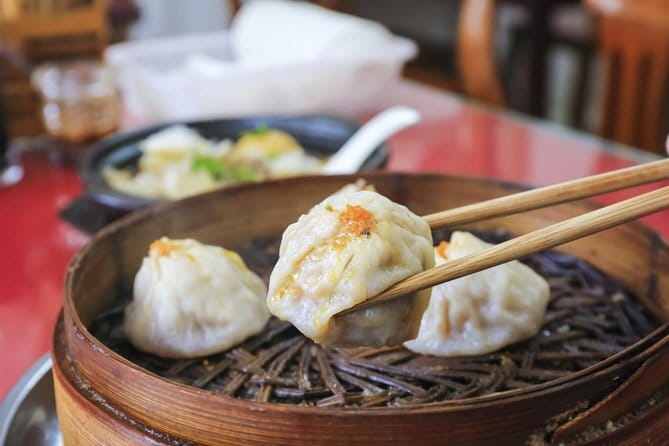
- Xiaolongbao training includes the savory broth and dumpling filling so you understand the flavor base.
- Spring rolls plus classic dough work gives you more than one dim sum skill to take home.
- Lunch is included, so the class ends with a meal built from your own effort.
- Chef Michael is specifically praised for clear teaching and a smooth, fun pace.
Why this Shanghai dim sum class feels practical (not just fun)
Shanghai is famous for eating tiny bites at speed. Dim sum culture moves fast in public tea houses—but in a cooking class like this, you slow down just enough to understand what makes the food work. That’s the real value: you learn the process, not only the final look.
You’ll be working on two core items from a typical dim sum lineup: xiaolongbao (steamed soup dumplings) and spring rolls. The lesson also includes fried spring rolls as part of the dim sum variety you’ll learn about and eat. This matters because dim sum isn’t one dish. It’s a whole system—dough texture, filling balance, and the way hot liquid and soft wrappers behave together.
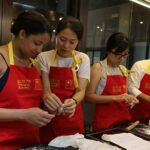
The private setup is also a big deal for quality. When the chef can focus on your table, you get better feedback on things like dough handling, stuffing amounts, and how you seal dumplings. And when Chef instruction is clear, the food you make tends to turn out closer to what you expect.
You can also read our reviews of more tours and experiences in Shanghai.
Price and what $141.40 buys you in real terms
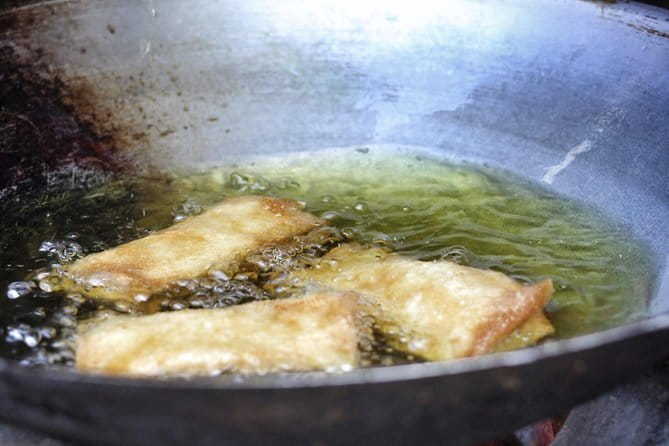
At $141.40 per person, you’re paying for a structured 2-hour experience with a professional instructor, cooking equipment, and a meal (lunch) built from what you produce. You’re also paying for the private format, which is where the value shifts compared to open classes with mixed groups.
If you’re the type who wants more than a quick food photo, the price starts to make sense. The hands-on time is the point here. You’re not paying only for access to a kitchen; you’re paying for guided technique you can repeat at home.
Two small practical notes affect value:
- Drinks beyond lunch aren’t included unless specified, so plan to budget a bit more if you want extras.
- It’s booked around 6 days in advance on average, so the schedule can move, especially if you want a specific morning or afternoon slot.
The 2-hour flow: what happens from arrival to dinner plate
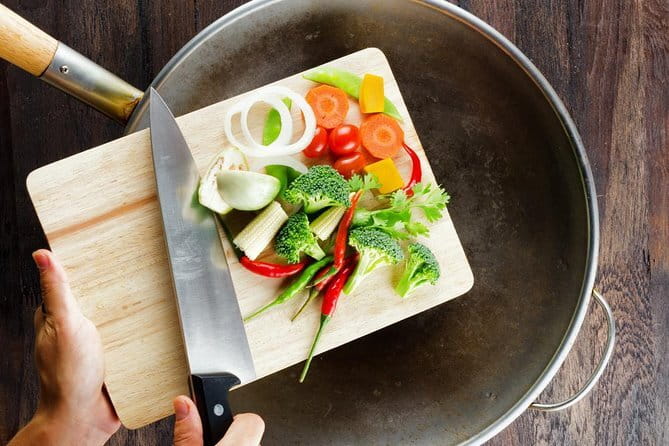
This class runs about 2 hours. That short window matters because it pushes the session to stay focused: you learn key steps, practice them, and then eat the results without feeling like the day is swallowed by cooking.
1) Getting to the central studio and meeting your guide
You’ll choose a morning or afternoon class, then make your own way to the studio in central Shanghai. When you arrive, you’ll greet your gastronomic guide and start the lesson. The “near public transportation” detail helps a lot here: you’re not stuck hunting for a far-off location.
Tip for the timing: if you’re choosing the morning class, try not to cut it too close. Studio cooking starts on schedule, and you’ll want a few minutes to settle in before you’re kneading or stuffing.
2) Demo plus hands-on practice (the heart of the class)
After you start, the chef demonstrates traditional techniques for making items like xiaolongbao and pan-fried spring rolls. Then you practice. This is where the lesson becomes useful for you later.
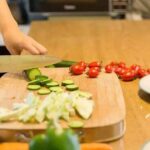
You’ll work with handmade dough—kneading and working it into a shape you can handle comfortably. You’ll also stuff spring rolls with a mouthwatering mix of ingredients (the exact stuffing is part of what you’ll be taught during the session).
This is the step where most people learn the most: small changes in dough thickness and seal quality affect the final texture. In a private class, you can get real-time correction instead of guessing.
3) Making the xiaolongbao base: broth, filling, and assembly
The class specifically covers preparing a classic soup base for xiaolongbao and then topping dumplings with a pork-based filling. Your instructions include:
- seasoning the soup base
- making dumplings stuffed with minced pork, salty soy sauce, and fresh green onion
That combo is the core flavor logic: savory pork with salty depth, plus a fresh onion hit. And the soup base is the special ingredient that turns these into soup dumplings instead of regular steamed buns.
You’ll also work on the art of assembling and perfecting the dumplings, which means more than just placing filling inside. It’s about forming the wrapper so it holds together during steaming while still delivering that soft, juicy experience.
4) Finishing and eating what you made
Once the dishes are completed, you dine with your gastronomic guide. This is not a “walk away and snack later” situation. The meal is part of the lesson. When you eat your own dumplings, you can compare your results to what you expected, and you’ll notice texture differences right away—wrapper thickness, sealing tightness, and filling balance.
What you’re actually learning: xiaolongbao and spring rolls, step by step
Xialongbao: why the broth step matters
In many cooking lessons, broth feels like a background detail. Here, it’s central. You’re told to season a classic soup for the base of xiaolongbao, then assemble dumplings that sit within the dumpling-and-soup idea.
For you, that means you’ll understand the “why” behind the taste. When soup dumplings work, the liquid inside isn’t separate—it’s part of the experience you eat. The class structure supports that by teaching the soup base and the filling together, not as two unrelated recipes.
Spring rolls: dough handling and stuffing discipline
Spring rolls are a great second skill because they demand different technique from xiaolongbao. For xiaolongbao, you’re working with steamed dumpling wrappers. For spring rolls, you’re kneading and shaping dough and stuffing rolled pieces with the right ratio of filling to wrapper.
A big practical win is that you practice. Kneading and handling dough changes from “I watched it” to “I can do it.” Once you’ve handled dough yourself, you can judge doneness and thickness better when you try again later.
Also, the class includes mention of fried spring rolls as part of Shanghai’s favorite bite-size snack world. Even if your session focuses on the steps for what you make there, you leave with broader context for the dim sum menu you’ll see outside the studio.
Lunch included: the part you’ll remember most
I like that lunch is included because it removes the “guessing game” for your schedule. You don’t have to wonder if you’ll end the class hungry or if the meal is just a small tasting.
In this class, the lunch ties directly back to the cooking. You feast on the fruits of your labor after the dishes are completed. That structure is helpful because you’re fresh from the prep steps, so the food makes sense to your brain right then.
Keep in mind: food and drinks are not included unless specified beyond lunch. If you’re someone who wants tea, bottled drinks, or anything extra, plan on buying those separately.
Private attention and the Chef factor (Chef Michael gets named)

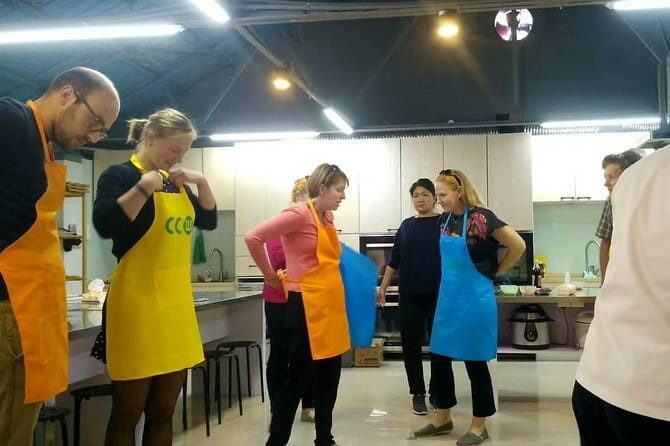
This is a private tour/activity: only your group participates. That means the chef can pace instruction around you. It also means you’re more likely to get specific feedback instead of generic tips meant for a crowd.
One instructor is specifically praised in the class experience: Chef Michael. In that feedback, he’s described as professional, nice, and a strong teacher, with the time flying by because the class pace stayed comfortable and clear. Another highlight was the fact that people felt they could take great recipes home, which is exactly what you want after spending money on a hands-on class.
Bottom line for you: if you want a cooking class where the chef actually sees your mistakes and corrects them, this format delivers.
Who should book this class (and who might want something else)
This private dim sum cooking class is a strong choice if you:
- want hands-on instruction for xiaolongbao and spring rolls
- like learning technique you can repeat at home
- prefer a private group with a chef who can focus on you
- want lunch included so you don’t need to build extra meal plans
It may be less ideal if you:
- need hotel pickup and drop-off (that service isn’t included, so you’ll rely on transit and your own navigation)
- expect a longer day (the class is about 2 hours)
- have strict dietary needs and haven’t planned to communicate them in advance
If you do have dietary requirements, you should advise them at booking. That’s the right moment to make sure the chef can plan.
Practical tips for a smooth day in central Shanghai
- Choose your class time (morning or afternoon) based on your Shanghai itinerary. The experience starts at 10:00 am for the listed start time, but you can select a morning or afternoon option.
- Build in a little travel buffer. Since there’s no pickup, you’ll arrive better prepared if you’re not sprinting.
- Wear comfortable clothes. You’ll be working with dough and handling ingredients.
- If you want to take the techniques home, pay close attention to dough consistency and filling amounts. Those are the small details that make results repeatable.
Also, keep an eye on confirmation timing. Confirmation is received within 48 hours of booking, subject to availability. That’s normal for popular time slots.
Should you book this private dim sum cooking class?
If your goal is to learn real technique—not just eat dumplings—you should book this. The class is built around the two dim sum skills that most people can’t master from a random recipe alone: xiaolongbao (with its soup base and pork filling) and spring rolls (with dough and stuffing practice). Add private instruction and lunch included, and you get a solid value mix for Shanghai.
I’d especially recommend it to couples, small friend groups, or anyone who hates feeling lost in a group class. You’ll get focused attention, clear steps, and food that lands on your plate right after you make it.
If you dislike self-navigation, double-check transit options since hotel pickup isn’t included. But if you can get yourself to central Shanghai, this is one of the more satisfying ways to experience Shanghai dim sum culture beyond restaurant hopping.
FAQ
What dishes will I learn to make?
You’ll learn to make dumplings and spring rolls, including preparation steps for xiaolongbao (steamed soup dumplings) and pan-fried spring rolls.
How long is the cooking class?
The class lasts about 2 hours.
Is this tour private?
Yes. It’s a private tour/activity, and only your group participates.
What’s included in the price?
The cooking class and equipment, a professional instructor, and lunch are included.
Are drinks included?
Food and drinks are not included unless specified. Lunch is included, but additional drinks may cost extra.
Can I choose a morning or afternoon class?
Yes. You can select a morning or afternoon class to match your schedule.
What is the cancellation policy?
You can cancel for a full refund up to 24 hours before the experience starts. Free cancellation is available, but cancellations made less than 24 hours before the start time aren’t refunded.