REVIEW · SHANGHAI
Private Home Cooking Class with Shanghai Mama
Book on Viator →Operated by Shanghai Melody Tours · Bookable on Viator
Wet markets turn dinner into a story. I love the wet market snack stop and learning what’s worth buying before you ever step into the kitchen, plus you get to taste popular local treats on the way. I also love the private cooking class in a real home, where you get hands-on attention and then sit down to lunch or dinner you helped make.
One thing to consider: this is about 4 hours of active time, and market areas can mean lots of walking and strong food smells. Come wearing comfortable walking shoes, and dress for the weather since it runs in all conditions.
In This Review
- Key Things That Make This Tour Work
- Wet Market Snacks and the Food Culture Behind Them
- A Shanghai Mama Home Kitchen That Feels Like Local Life
- What the Hands-On Cooking Class Actually Teaches
- Your Lunch or Dinner: Meal You Made, Conversation You Share
- Pickup, Timing, and How the 4-Hour Flow Fits Your Day
- Price and Value: When $199.11 Really Adds Up
- Dietary Requests and Comfort: Set Yourself Up for a Good Time
- Who This Cooking Class Is Best For
- Should You Book This Private Cooking Class?
- FAQ
- What time does the tour start?
- How long is the experience?
- Is hotel pickup and drop-off included?
- Do I get snacks and bottled water?
- Is lunch or dinner included?
- Is this a private tour?
- Can I request a vegetarian option?
- What about dietary requirements or restrictions?
- Is there free cancellation?
Key Things That Make This Tour Work
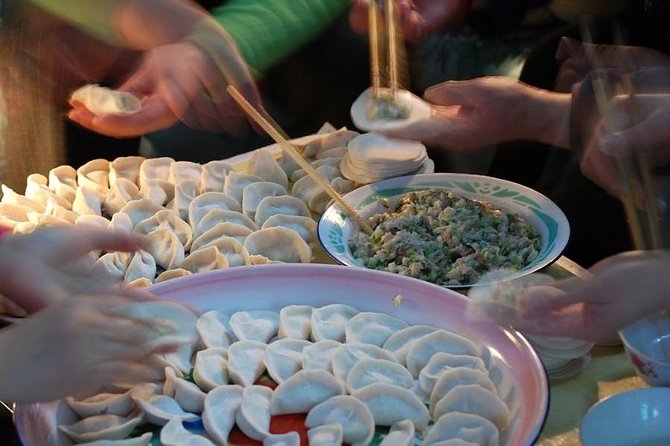
- Wet market first, cooking second: you learn ingredients before the knives come out
- Snacks + bottled water included: you’re not guessing what to order along the way
- Private class in a Shanghai Mama’s home: typical locals’ housing built in the 1950s–1970s
- You eat what you cook: lunch or dinner is part of the experience, not an afterthought
- Hotel pickup and drop-off in central Shanghai: less stress, more time on the food
- A guide’s food culture stories: you’re taught not just what to do, but why
Wet Market Snacks and the Food Culture Behind Them
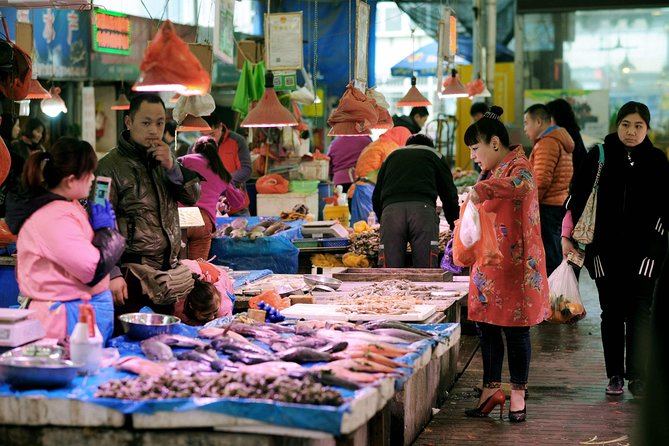
Your day starts with the guided market tour in one of Shanghai’s big wet markets. This is the part that makes the rest of the cooking class click. You’re not meeting ingredients as random items on a menu. You’re seeing them in context—bright, fresh, and very much alive in the market setting.
The guide takes you through stalls with a plan: first you sample snacks. Think of it as food orientation with real bites. The snacks also act like a gentle warm-up. You’re testing flavors, getting used to local spice and textures, and learning how locals snack as part of everyday life.
After the snack phase, you shift from packaged convenience to the fresh-food section. You’ll see and learn about vegetables, hairy crabs, shrimp, meat, and fruits. The guide helps you recognize them and explains the Chinese food culture behind what you’re looking at. That matters because in Chinese cooking, the ingredient and the method are tied together. Knowing why something is used can help you understand what you’re tasting later—even if you never cook it again at home.
Practical note: wet markets are sensory places. Expect strong smells and crowded aisles. The tour handles it with a guide leading the pacing, but you’ll still want that flexibility in your body—take it slow, keep hydrated (water is provided), and keep your expectations realistic. You’re there to see how people really shop, not to tour a museum.
You can also read our reviews of more tours and experiences in Shanghai.
A Shanghai Mama Home Kitchen That Feels Like Local Life
Then you head to the cooking class at the Shanghai Mama’s home. The setting is part of the value here. You’re cooking in a typical locals’ home built in the 1950s–1970s, and that’s a major difference from the usual studio-class vibe.
Before you start cooking, the guide explains details about daily life in the home. This is where the tour becomes more than just a recipe lesson. You begin to understand how food fits into routine—how families shop, cook, and eat in a way that feels normal to people who live there.
And yes, it’s hands-on. You’re not watching from a distance. The class is designed for personalized attention, so you can ask questions and get feedback while you cook. That’s one of the strongest reasons this works as a private experience. You can move at your own pace, ask about ingredients you saw at the market, and connect the dots between buying and cooking.
The hospitality factor also matters. In past experiences, the welcoming team has included people like FeiFei, her mother, and Penny, described as warm and hospitable. When the host family makes you comfortable, you learn faster. You also enjoy the whole meal more, because you’re not just eating—you’re participating.
What the Hands-On Cooking Class Actually Teaches
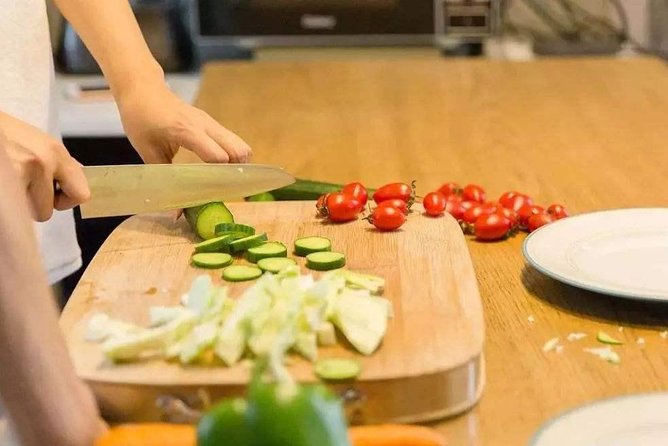
A hands-on class is only useful if it gives you skills, not just entertainment. This one starts with you already knowing the ingredient story from the wet market. So when you’re back in the kitchen, you can focus on technique.
You’ll cook as part of a real meal plan that ends with lunch or dinner. The exact dishes aren’t spelled out in the information you have, but the structure is clear: learn, cook, then eat. That format reduces the usual cooking-class letdown—where you leave hungry, or you taste something generic. Here, the goal is that the food on the table is tied to what you worked on.
Because you have a guide, you’re not stuck deciphering steps you don’t understand. The guide’s job is to connect ingredient choices to cooking decisions. That’s why this class is a good pick if you want Chinese cooking to make sense, not just taste good.
One small but important detail: you’re operating in a home kitchen, not a commercial one. That can mean less “showy” equipment and more practical cooking. For me, that’s a plus. It feels grounded. You’ll learn what actually matters in a real kitchen: timing, prep, and how flavors build.
Also, the tour includes bottled water and market snacks, which keeps the class from feeling like you’re rationing energy until lunch. You can stay focused on cooking instead of thinking about food logistics.
Your Lunch or Dinner: Meal You Made, Conversation You Share
The finish is straightforward and satisfying: you enjoy lunch or dinner that you helped to make. This is not a quick taste. It’s a proper meal, with lively conversation while you eat.
That meal component is where the tour pays off emotionally. Food experiences get remembered when the eating part feels personal—when it’s tied to your own work and to the people hosting you. In this case, you’re also carrying the ingredient knowledge you picked up earlier in the market, so each bite has context.
If you’ve ever taken a cooking class where the food is fine but you’re mostly thinking about leaving, this format is different. The “cook together, then eat together” rhythm is designed to make you slow down.
It’s also a nice cultural bonus. You’ll naturally compare what you’re doing with what you’re used to at home—how you prep, season, and serve. And because you’re eating in the home environment, the meal feels like part of daily life rather than an add-on performance.
Pickup, Timing, and How the 4-Hour Flow Fits Your Day
The tour runs about 4 hours. You meet your guide at your hotel lobby either at 10:00 am or 4:00 pm, then you head out by private car to start the wet market visit. After the market and cooking segment, you’re taken back to your hotel or another downtown location.
That hotel pickup and drop-off is a big deal in Shanghai. Central Shanghai traffic can make self-guided plans stressful. Here, you’re outsourcing the logistics, so you can focus on enjoying the food and the explanations.
A quick planning tip: choose the time that matches your energy. The morning session works well if you like starting your day with something active and social. The afternoon session can be great if you want a relaxed start and still end with a full meal.
Also, even though it’s private, it’s still weather-dependent in the sense that you’ll be in a real market environment. The tour runs in all weather conditions, so dress appropriately and keep expectations realistic. If it’s rainy, you’ll appreciate having covered transport and a guide handling pacing.
Price and Value: When $199.11 Really Adds Up
At $199.11 per person, this isn’t a budget snack-and-stroll. It’s closer to paying for a full private experience: guide time, private transfer, market time, and a cooking lesson in a host home, plus meals and water.
Here’s how the value stacks up if you’re comparing it to alternatives:
- You’re getting hotel pickup and drop-off from central Shanghai. That alone saves time and hassle.
- You get market snacks and bottled water, so you’re not paying separately for quick bites.
- You get a home cooking class with hands-on instruction and personalized attention.
- You get lunch or dinner that’s included, and you eat what you helped make.
For the money, the real win is that you’re paying to reduce uncertainty. Instead of trying to figure out what to buy at a market, how to interpret ingredients, and how to turn them into an actual meal, the guide does those links for you.
This is also priced fairly if your group is only you (and any booking companions). A private format spreads costs better than group classes where you share attention.
If you’re traveling with a strong interest in food and want a grounded look at everyday Shanghai life, the price makes sense. If you just want a quick cooking show, you might find cheaper classes elsewhere—but you’d lose the market-to-home connection that’s the point here.
Dietary Requests and Comfort: Set Yourself Up for a Good Time
You’ll want to think about two practical things: dietary needs and walking comfort.
Vegetarian option is available, but you should request it at booking. If you have any specific dietary requirements, tell the operator when you book. That’s how you make sure the cooking plan fits your needs instead of hoping for a last-minute workaround.
Wear comfortable walking shoes. The market visit involves walking and close-quarters stall browsing. Even if the guide handles the pacing, your feet will do the work.
Bring a normal amount of curiosity. You’ll be tasting snacks and seeing ingredients like hairy crabs, shrimp, and meats. If you’re squeamish, you don’t have to be dramatic about it—just go slow and let the guide explain what you’re looking at. The tour is set up for education, not shock.
Who This Cooking Class Is Best For
This is a great match if you:
- care about food culture, not just food
- want a private experience with real personal attention
- like learning through doing, especially in a market-to-kitchen flow
- enjoy conversation over a proper meal, not just a quick demonstration
It’s also a solid choice if you’re visiting Shanghai for the first time and you want a guided way to understand everyday eating habits. The market tour helps you get your bearings fast. The home cooking class helps you understand what you saw.
If you hate markets, or if you want a fully hands-off experience, you might find the wet market segment less fun. But if you can handle a crowded-feeling environment and strong smells for a short window, you’ll likely consider it money well spent.
Should You Book This Private Cooking Class?
Yes—if you’re the kind of traveler who likes food with context. The best part is the sequence: market snacks and ingredient learning, then cooking in a real home, then eating the meal you made. That chain makes the experience stick.
Also consider booking if you value comfort. Hotel pickup and drop-off from central Shanghai cuts the stress, and the tour runs in all weather conditions with a guide keeping things moving.
Skip it only if you’re looking for the cheapest cooking class or you dislike markets entirely. This tour is built around the market-first idea. It’s not a cooking class that happens to include a quick stop—it’s food education that ends at the table.
FAQ
What time does the tour start?
You meet your local guide at your hotel lobby at either 10:00 am or 4:00 pm.
How long is the experience?
The cooking experience runs about 4 hours.
Is hotel pickup and drop-off included?
Yes. Hotel pickup and drop-off from central Shanghai are included.
Do I get snacks and bottled water?
Yes. Snacks at the wet market and bottled water are included.
Is lunch or dinner included?
Yes. You’ll have lunch or dinner included, and it’s food you help prepare.
Is this a private tour?
Yes. It’s a private tour/activity, and only your group participates.
Can I request a vegetarian option?
Yes. A vegetarian option is available, and you should advise the operator at booking.
What about dietary requirements or restrictions?
You should advise any specific dietary requirements at the time of booking.
Is there free cancellation?
Yes, you can cancel for a full refund up to 24 hours in advance of the experience start time.