REVIEW · ROME
Cooking Class in Rome: Chef in a Day
Book on Viator →Operated by Federico Alessandri · Bookable on Viator
Rome turns cooking into a street-level skill. You’ll meet by Piazza Farnese, then head to Campo de’ Fiori for a market-first ingredient lesson before going hands-on in Trastevere to make three pasta styles and sauces with a professional chef. I like how the day mixes shopping, technique, and eating what you cook, so it feels like a mini Italian food education you can actually repeat. One thing to plan for: this is a mostly standing class with lots of prep, so comfy shoes help.
The small-group setup keeps it personal. You learn why things work, not just what to do, and the class ends with a proper lunch and wine—then you get recipes emailed so the day doesn’t vanish the next morning. My only caution is simple: transport is not included, so you’ll want to map out how you’ll get from your hotel to Piazza Farnese and back into Trastevere.
In This Review
- Quick highlights you’ll feel in your hands
- Piazza Farnese meet-up to Trastevere kitchen: the smart way to start
- Campo de’ Fiori market tour: learn to shop like a Roman cook
- What you’ll learn to notice
- The cooking space in Trastevere: an apartment-style studio, not a showroom
- Making three pastas (and the sauces that make them make sense)
- Pasta variety basics you can actually replicate
- Sauce coaching: why your sauce should taste like something
- The technique part that people rave about
- Lunch with wine: you finish the course, then you remember it
- How much value you’re really getting for $147.49
- Who should book Chef in a Day in Rome
- Dietary needs: plan early
- Tips to make your 9:30 am start feel easy
- Should you book Chef in a Day?
- FAQ
- How long is the Cooking Class in Rome: Chef in a Day?
- What’s included in the price?
- Is transport included?
- How big is the class?
- Can the class accommodate dietary requirements?
- What if I need to cancel?
Quick highlights you’ll feel in your hands
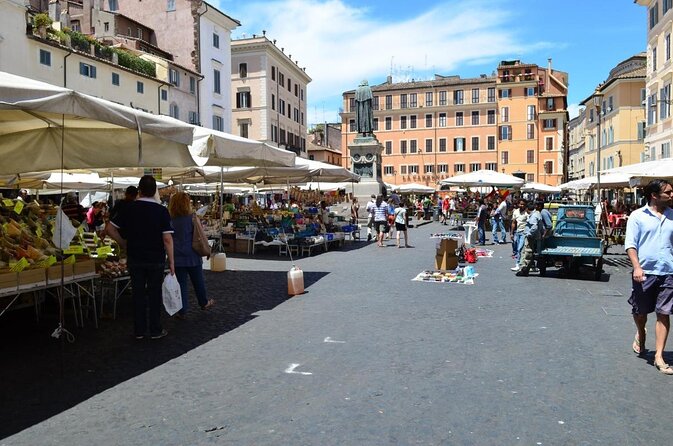
- Campo de’ Fiori market shopping that actually guides what to buy for the menu
- Three pasta varieties: a stuffed pasta, a long pasta, and a short-medium pasta
- Three sauces built alongside the pasta techniques, not as an afterthought
- Open-plan Trastevere cooking space where you do the work, not just watch
- Lunch with Italian wine paired with what you made
- Recipes emailed after class so you can recreate the dishes at home
Piazza Farnese meet-up to Trastevere kitchen: the smart way to start
This is one of those Rome experiences where the location helps you understand the food. You start at Piazza Farnese at 9:30 am, then the day quickly moves into real life: picking ingredients, talking through the menu, and getting to the kitchen in Trastevere.
What I like about beginning in central Rome is that it’s easy to orient yourself. Piazza Farnese is a clear starting point, and you’re not guessing where to go with a half-finished map. The schedule also matters. You don’t just sprint between attractions—you build momentum: market → cooking space → lunch.
The class runs about 5 hours (approx.), and it’s English-offered. Expect a small group (maximum 11 people), which is the sweet spot for hands-on cooking. You’ll be able to see what the chef is doing and still get real-time feedback.
Also: there’s no transport included. So if you’re staying far from the Campo de’ Fiori / Trastevere area, you’ll want to budget time for getting to the meeting point and then ending in Trastevere.
You can also read our reviews of more tours and experiences in Rome.

Campo de’ Fiori market tour: learn to shop like a Roman cook
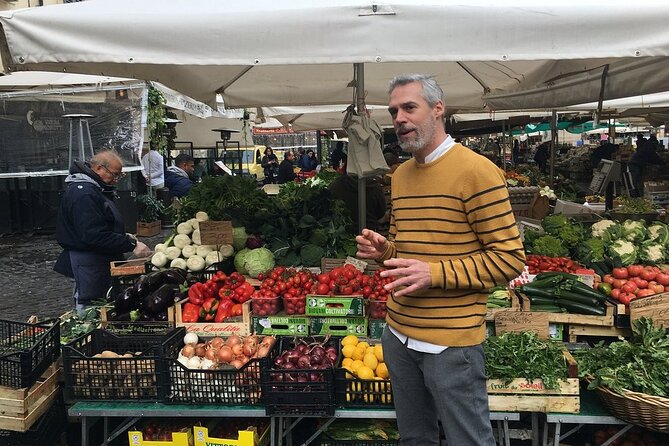
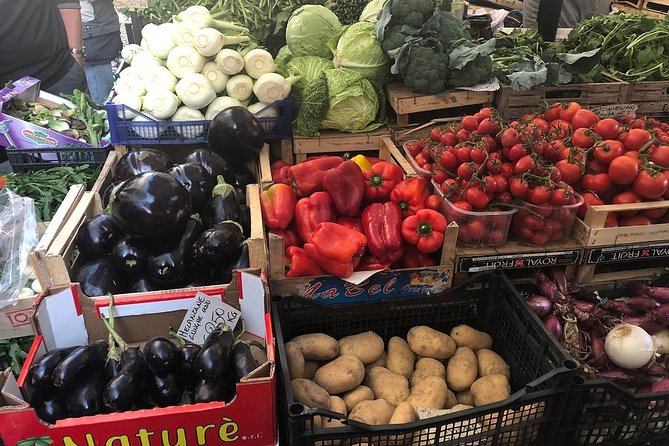
After meeting, you head to Campo de’ Fiori for the market portion. This is more than scenic wandering. The chef guide walks you through seasonal ingredients and explains what to look for—so later, when you’re at your local market, you have a checklist in your head.
In practice, you’ll be involved in the selection of things that directly shape the pasta and sauce. That includes produce like vegetables and herbs, plus key items like cheese and meat (when the menu calls for it). Based on past classes, you may also stop at a butcher shop area as part of the ingredient run, depending on the day’s menu.
Here’s why this part has real value: most cooking classes skip the shopping, then expect you to magically recreate flavors at home. This one ties ingredients to technique. If the dish depends on a particular herb or a specific cheese style, you’ll hear it explained while you can still choose alternatives.
What you’ll learn to notice
You’ll get guidance on:
- What “seasonal” looks like in Rome right now
- Which herbs and spices work best with the menu
- How ingredient quality changes taste (even when the recipe stays the same)
- How to select vegetables and meats that match the sauce style
And yes, it’s fun. Campo de’ Fiori has that big-city Italian energy where everyone seems to know what they came for. You’ll learn fast by doing: picking up items, asking questions, and understanding the logic behind the menu.
The cooking space in Trastevere: an apartment-style studio, not a showroom
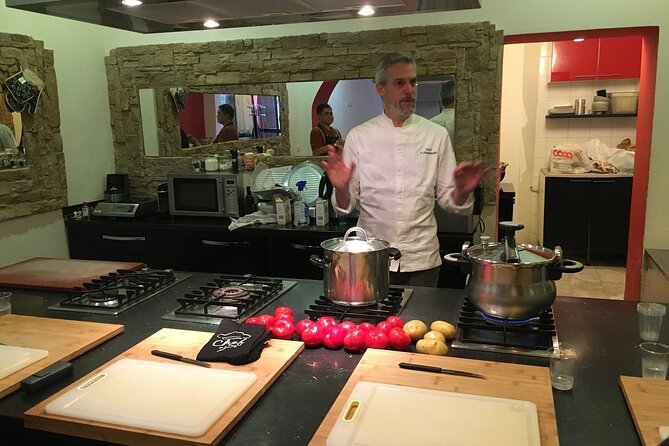
Once you leave the market, you head to your cooking location in Trastevere. The class takes place in an open-plan apartment-style space in the neighborhood. That matters more than it sounds. Apartment studios are usually less staged than big commercial kitchens, which means you get a more normal rhythm: pass ingredients, move around the workstations, and cook in a way that feels repeatable.
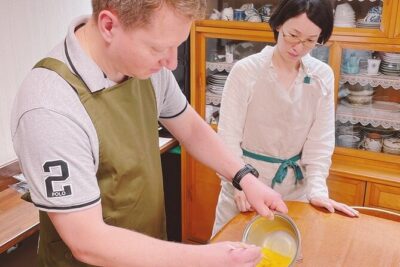
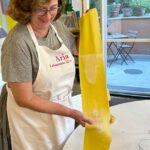
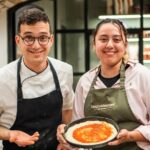
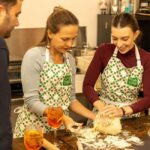
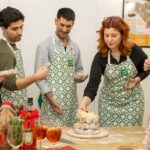
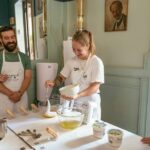
You’ll cook 100% hands-on. This isn’t watch-and-copy. The chef expects your participation—kneading, chopping, blending sauces, shaping pasta, and plating. It’s also where you get the most coaching. With a group this size, the chef can step in as needed so you don’t just follow steps blindly.
One practical note: there are breaks, but it’s still a hands-on, mostly standing day. Plan for that. If you’re used to cooking at home sitting down, this may feel like more activity than you expect—especially once the dough and sauce work ramps up.
Making three pastas (and the sauces that make them make sense)
The heart of the class is learning how to go from raw ingredients to finished pasta dishes. The menu changes seasonally, but the structure stays consistent: you’ll make three pasta varieties and create three sauces to go with them.
You’ll build a sequence that makes sense:
- Make and shape the pasta dough (and follow the technique for the style)
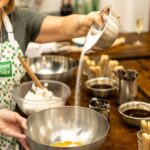
- Prepare sauces and learn how they connect to the pasta shape
- Cook, assemble, and taste as you go

Pasta variety basics you can actually replicate
This class targets three distinct pasta formats:
- A stuffed pasta (technique focus: sealing and filling)
- A long pasta (technique focus: stretching/rolling into strands)
- A short-medium pasta (technique focus: shaping into smaller bites)
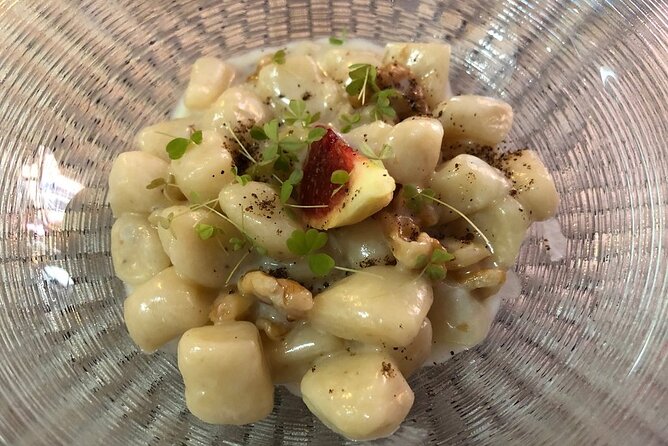
Depending on the seasonal menu, you might also see variations like pasta made with egg and flour, pasta using semolina and water, or other regional-style options. Past classes have included gnocchi on at least some days, plus vegetable sides and antipasto elements.
The big takeaway for you: you learn the logic behind different pasta types. Long pasta changes how sauce clings and how you portion. Stuffed pasta teaches you a different dough behavior. Short pasta is a different shaping challenge. You don’t just learn recipes—you learn how pasta behaves.
Sauce coaching: why your sauce should taste like something
The sauces are not generic. You’ll work on multiple sauce styles as part of the instruction, with the chef explaining what’s happening as ingredients combine.
In past sessions, sauces have included tomato-based sauces made from scratch, plus cheese-forward sauces like gorgonzola/blue cheese-style preparations. There can also be herb-forward combinations (including anchovy-garlic olive oil type flavors on some menus).
You’ll learn things you can use at home, like:
- How to build flavor early so the sauce tastes complete
- How to keep a sauce balanced rather than one-note
- Timing cues that help you coordinate pasta and sauce
The technique part that people rave about
The most highly praised aspect here is the teaching style: chefs coach step-by-step, and they explain the why. Even if you’re an experienced home cook, you’ll likely pick up small method tweaks that make a difference—how to handle dough, how to adjust for seasonal ingredients, and how to plate in a way that makes the meal feel finished.
And because the chef is guiding while you cook, you can correct mistakes in real time. That’s a big quality-of-life upgrade over YouTube-style learning, where you only find out something went wrong after the fact.
Lunch with wine: you finish the course, then you remember it
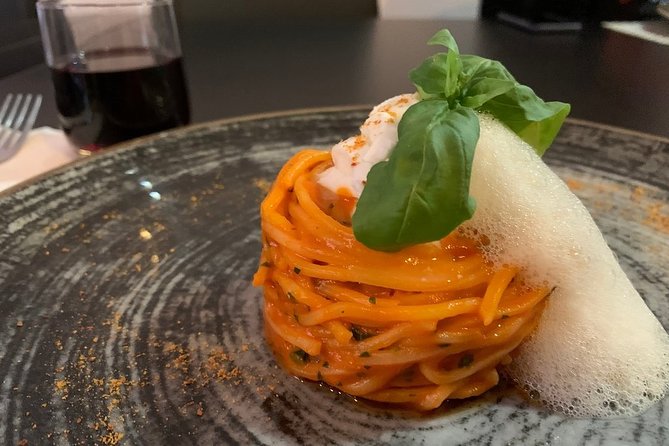
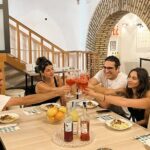
After all that prep and cooking, you sit down and eat the meal you made. Lunch is included, along with a selection of Italian wines chosen to match the menu.
This is one of the best parts because it turns learning into satisfaction. You aren’t training for the sake of training. You’re eating your results, which helps everything click: dough texture, sauce thickness, salt balance, and how portions work on a plate.
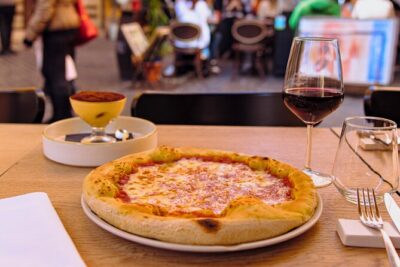
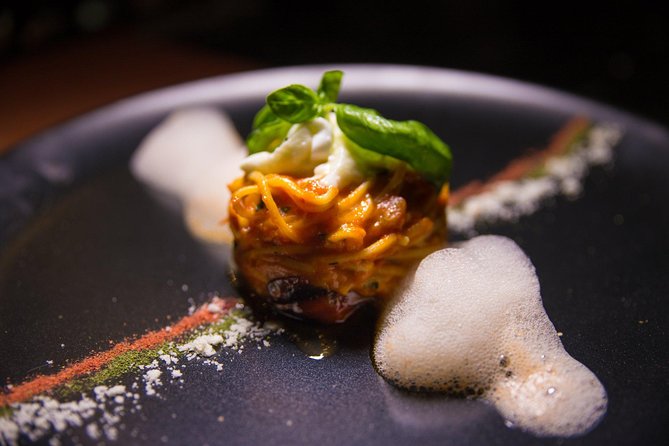
Menus are described as including an appetizer, homemade pastas, a meat course, and dessert, plus wine. Since the menu changes with the seasons, the exact dishes vary, but the structure stays like a real Italian meal.
From past classes, desserts have included items like strawberry-based options with fresh mint. The point is you’ll finish on something sweet and seasonal, not just a cookie-and-coffee afterthought.
How much value you’re really getting for $147.49
At $147.49 per person, you’re paying for more than a recipe sheet. You’re paying for:
- A guided market tour (ingredients are part of the experience)
- A professional chef and small-group attention
- Hands-on instruction for multiple pasta formats
- Lunch and wine included
- Recipes sent to you after (so you can recreate the dishes)
If you try to recreate this day by yourself, you’d spend a lot on ingredients plus the time and trial-and-error. Here, the chef compresses the learning curve. You also get the social side—cooking with a small group in a real neighborhood kitchen, which is more memorable than a solo food quest.
Is it expensive compared to buying ingredients at a grocery store? Sure. But this is closer to paying for coaching, guidance, and an easy-to-enjoy full meal experience in one package.
Who should book Chef in a Day in Rome
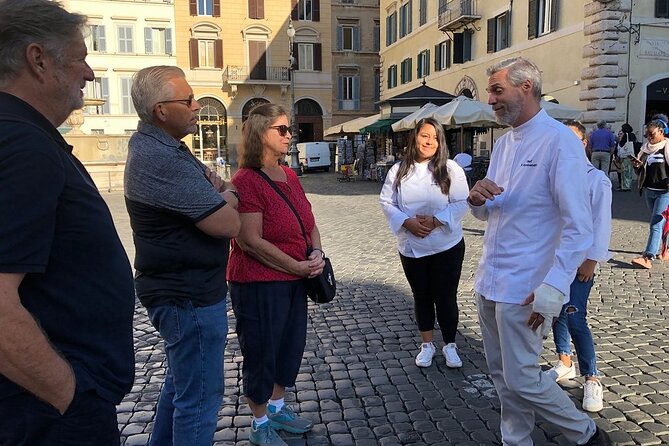
This class is a great fit if you:
- Want a hands-on foodie experience instead of museum-style sightseeing
- Like cooking, even casually, and want technique you can repeat
- Enjoy market shopping and want a “how to choose ingredients” lesson
- Travel with a small group and want a shared activity
It also works well across ages when everyone’s ready to cook. Past groups have included families with teens and adults ranging from 18 to 60. Children must be accompanied by an adult, and the class is described as family-friendly in at least some sessions.
If you’re traveling solo, you’ll still get enough attention in a class this size, but you should be comfortable cooking alongside others.
Dietary needs: plan early
Dietary requirements are handled through the booking notes. When you book, you should list your needs in the special requirements box so the chef can adapt the menu as best as possible. The menu is seasonal and can include meat, but you should treat dietary handling as something you must communicate ahead of time.
Tips to make your 9:30 am start feel easy
A few practical things will make the day smoother:
- Wear comfortable, non-slip shoes. You’ll be on your feet more than you think.
- Keep a light day before you go. By lunch time you’ll be ready for a real meal.
- Bring your curiosity. The market part is where you’ll get the most shopping guidance.
- If you have dietary requirements, write them clearly during booking.
- Since transport isn’t included, check your route to Piazza Farnese the night before.
Also, consider the timing of your other plans. This takes a chunk of your day—about 5 hours—and ends back in Trastevere. If your hotel is elsewhere, you’ll want to plan an easy post-class dinner or rest.
Should you book Chef in a Day?
I think you should book this if you want Rome in a practical form: market skills plus real pasta technique plus lunch you helped create. The format is built for learning—small group size, hands-on instruction, and recipes sent afterward. It’s one of those rare tours where you leave with knowledge you can use, not just photos.
Skip it only if you want a passive experience, or if standing and active cooking would be a problem for you. Also, remember transport is on you, so make sure you can get to Piazza Farnese and end your day in Trastevere without stress.
If you’re the type who likes doing rather than watching, this is a strong yes.
FAQ
How long is the Cooking Class in Rome: Chef in a Day?
It lasts about 5 hours (approx.), starting at 9:30 am.
What’s included in the price?
You get a Campo de’ Fiori market tour, instruction from a professional chef, lunch, wine included, and recipes emailed after the course.
Is transport included?
No, transport is not included.
How big is the class?
The class has a maximum of 11 travelers, and it needs a minimum of 6 participants to start.
Can the class accommodate dietary requirements?
You should note any dietary requirements in the special requirements box when you book, and the menu is described as changing seasonally.
What if I need to cancel?
You can cancel for a full refund up to 24 hours before the experience’s start time. If you cancel less than 24 hours before, the amount paid will not be refunded.