REVIEW · LISBON
Lisbon Portuguese Cooking Class
Book on Viator →Operated by The Chefs Company · Bookable on Viator
Forget takeout; cook Portugal in Lisbon. I like how this class starts with a hands-on tasting of Portuguese cheeses, chorizo, and wines, then turns right into a chef-led lesson with a full starter, main, and dessert. The vibe is warm and family-friendly, with guides Ana and Carina keeping things relaxed, even for kids—but if you’re dealing with major allergies or you’re vegan, this one may not fit.
You’re not just learning recipes; you’re learning how Portuguese cooks think. The menu shifts with fresh, local, seasonal ingredients, and you get the stories behind what you’re making, so the flavors make more sense when you’re back home.
One consideration: this experience isn’t recommended for vegans and people with food allergies, and dietary restrictions need to be communicated at least 72 hours in advance.
In This Review
- Key highlights worth your attention
- A 3-hour Portuguese meal lesson that starts with tasting
- Where you meet in Algés and what that means for your day
- The tasting first: how cheese, chorizo, and wine teach your palate
- Cooking your starter, main, and dessert like it’s a real dinner
- Why the stories behind Portuguese food help more than you expect
- Ana and Carina set the tone: warm, hands-on, and kid-friendly
- Small group size means more time at the stove
- Price and value: what $96 buys you (and what it doesn’t)
- Dietary needs: what you can count on, and what to plan around
- Should you book this Lisbon Portuguese Cooking Class?
- FAQ
- How long is the Lisbon Portuguese cooking class?
- Where does the experience start?
- Is the class offered in English?
- What’s included in the dinner and cooking?
- Can vegetarians join?
- Is it suitable for vegans or people with food allergies?
- What dietary information do I need to provide in advance?
- How big is the group?
- What’s the minimum age?
Key highlights worth your attention
- Cheese, chorizo, and wine tasting kicks things off so you understand the flavors before the cooking starts.
- Small group size (max 10) keeps the class interactive instead of lecture-style.
- Seasonal menu changes means you’re cooking what’s actually available, not a fixed tourist menu.
- Starter, main, and dessert makes this feel like a real dinner you finish and enjoy.
- Chef-led, story-based approach helps you remember not just how, but why Portuguese food works.
A 3-hour Portuguese meal lesson that starts with tasting
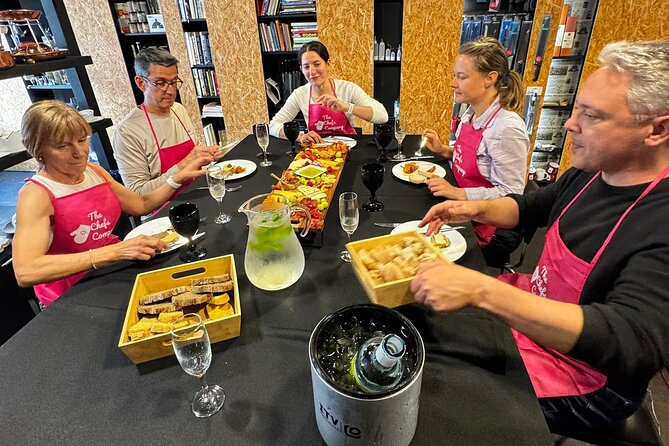
This is a 3-hour cooking class in Lisbon that feels more like a dinner you helped make than a short workshop you survive. You’ll begin with a selected tasting—cheeses, chorizo, and wines from different regions of Portugal—guided by the chef. It’s a smart warm-up. Instead of jumping straight into chopping and stirring, you first taste the “direction” Portuguese cuisine tends to go: salty, savory, and well-balanced with regional wine.
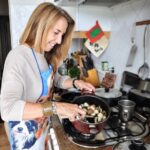
Then the cooking takes over. You’ll learn how to prepare a traditional Portuguese meal in a relaxed setting. The class is structured around three parts: a starter, a main course, and a dessert. By the time you sit down to enjoy what you made, it stops feeling like a class and starts feeling like you’re part of someone’s kitchen rhythm.
English is available, so you won’t be stuck guessing what “this sauce” is supposed to do. And the group stays small, which matters in a cooking class. When you have fewer people, questions get answered faster, and you spend more time actively cooking.
You can also read our reviews of more tours and experiences in Lisbon.

Where you meet in Algés and what that means for your day
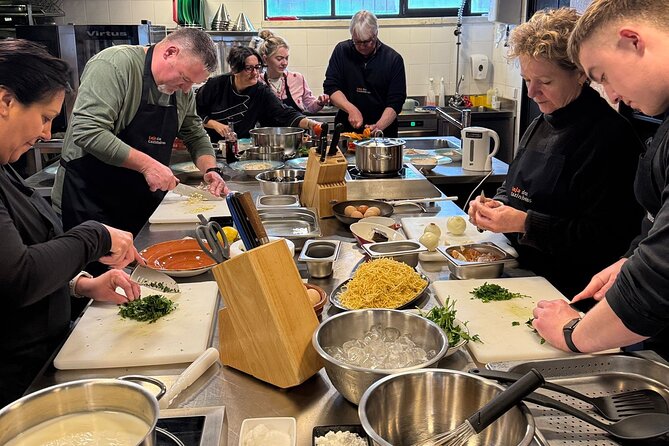
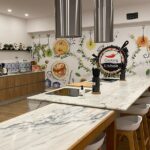
The meeting point is at R. Margarida Palla 25A, 1495-143 Algés, Portugal. The good news: it’s near public transportation, so you’re not forced to plan your whole day around taxis. Algés is close enough to central Lisbon that you can still pair this with other sightseeing, but far enough that it feels less like you’re doing a “tour bubble.”
Expect to be able to get there without a major headache, then spend your time cooking and eating rather than managing logistics. The activity ends back at the meeting point, so you also avoid the awkward moment where you finish somewhere inconvenient.
One practical tip: plan your next meal plans lightly. After cooking and eating a full three-course meal, you won’t want a heavy dinner right after. Think of this class as part of your “anchor” day meal.
The tasting first: how cheese, chorizo, and wine teach your palate
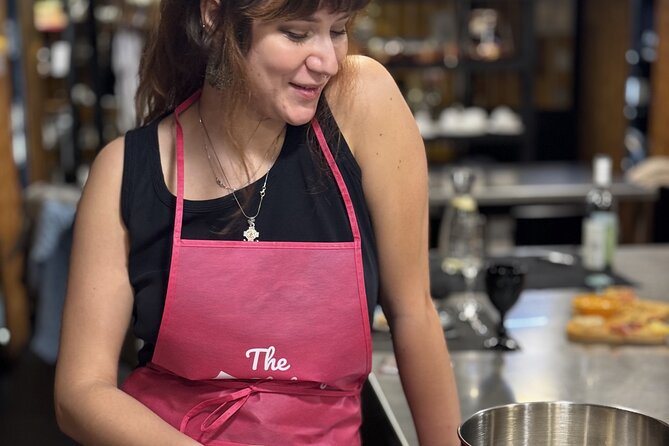
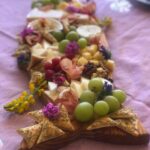
Starting with a tasting is one of the smartest parts of this experience. You get to sample Portuguese cheeses, chorizo, and wines from various regions before you cook. That means you’re not just following steps—you’re learning the flavor logic of what you’re about to make.
Here’s why that matters for you:
- You’ll recognize ingredients and flavor styles when they show up later in the cooking.
- You’ll be able to adjust as you cook—more salt, different balance, or a better feel for how the flavors should “sit” together.
- If you’re planning to cook Portuguese food later, the tasting becomes a reference point. It’s easier to remember taste than instructions.
The class doesn’t treat tasting like a side dish. It’s positioned as part of understanding Portuguese cuisine. You’re guided through the basics, and then you apply what you learned while cooking.
And yes, this is the part where you should take mental notes. Taste first, cook second. Your future self will thank you.
Cooking your starter, main, and dessert like it’s a real dinner
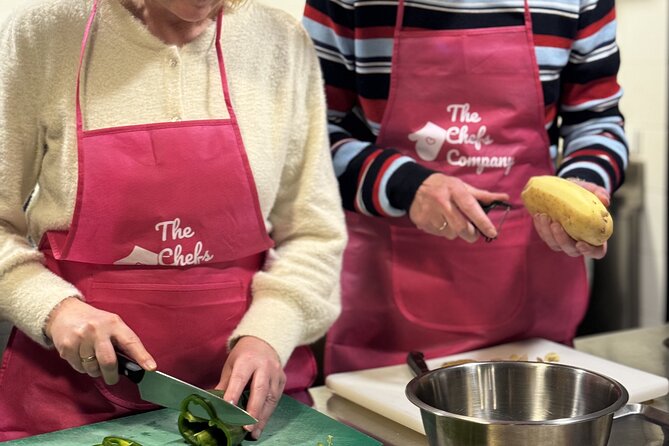
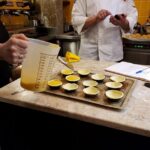
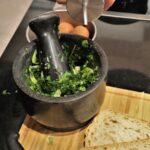
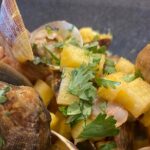
After the tasting, you’ll cook a full meal with the chef: starter, main course, and dessert. The exact menu can change depending on the season and what ingredients are available locally. That’s a big deal, because it keeps the class grounded in real Portuguese cooking rather than “always the same dishes for tourists.”
In a well-run class, technique is everything, and this is where you’ll get practical value. You’ll learn how to put together dishes using fresh ingredients and traditional methods. The goal isn’t to make you a professional cook by the end of three hours—it’s to give you confidence: what to look for, what to taste for, and how to shape a dish so it tastes right.
Also, the class is designed for a relaxed pace. You’re not being rushed from station to station. With a maximum of 10 travelers, you get room to work and ask questions without constantly waiting for the chef’s attention.
When you’re done cooking, you enjoy what you prepared. That “eat your work” part matters more than you might think. Many cooking classes are all action and no payoff. Here, the payoff is built in.
Why the stories behind Portuguese food help more than you expect
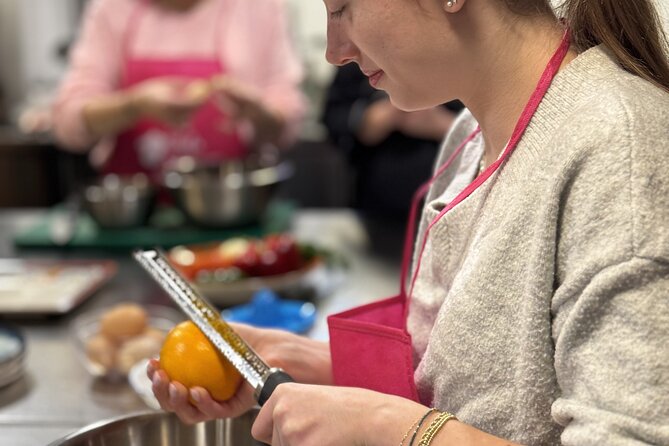
Portuguese cuisine isn’t just ingredients and technique. It has a lot of “context”: regional habits, family traditions, and the way food connects to community life. This class leans into that idea.
They share stories that reflect traditions and create a sense of connection beyond the kitchen. The flavors are described as coming from the ingredients themselves—simple but bold—and the narrative helps you understand why those ingredients matter and how they’re used.
This is especially useful if you cook at home. When you remember the story, you remember the purpose. You’re less likely to treat the recipe like a single-use trick and more likely to cook with it as a style—seasonal, ingredient-driven, and geared toward satisfying flavors.
You’ll also see how the chef’s approach fits the menu changing with seasons. Instead of memorizing a fixed set of dishes, you learn a way of thinking. That’s the real takeaway.

Ana and Carina set the tone: warm, hands-on, and kid-friendly
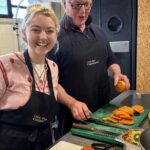
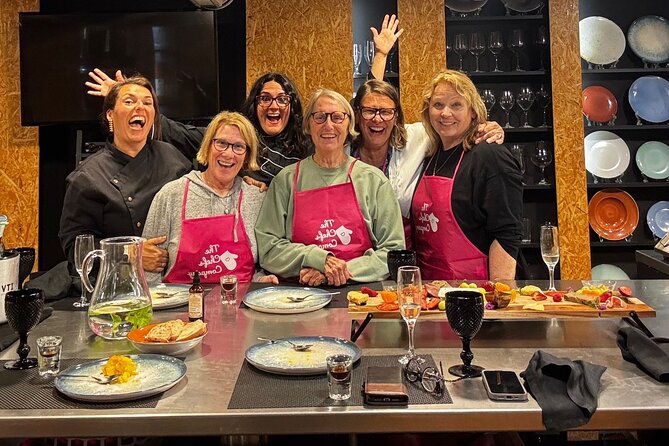
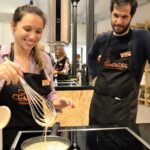
The tone is a big part of why this class gets such strong enthusiasm. Ana and Carina help create a warm atmosphere and keep the experience authentic and welcoming.
If you’re cooking with a family, this matters. The class is described as wonderful with kids, which is rare. At a practical level, that usually means the pace and instruction feel approachable, not intimidating. So if you’re traveling with children from age 8, you’re more likely to get an experience that doesn’t feel like it’s only for adults.
This isn’t just “friendly.” It affects how you learn. When people feel comfortable, they ask questions. When they ask questions, you learn faster.
Small group size means more time at the stove
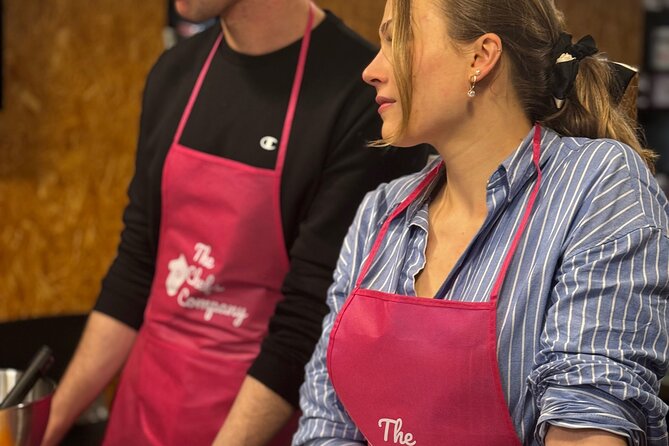
Maximum group size is 10 travelers. That number changes the whole class feel.
In a bigger group, you often watch more than you do. In a class like this, you’re more likely to be actively cooking and getting feedback. It also means the chef can pay attention to how your dish is progressing, not just whether the end result exists.
If you like hands-on experiences—chopping, mixing, tasting as you go—this format is a good match. It’s also a nice change from the big, impersonal food tours that feel more like a parade than a lesson.
And since the class runs about 3 hours, the pacing needs to be tight enough to cover starter, main, and dessert without dragging. A smaller class helps make that happen.
Price and value: what $96 buys you (and what it doesn’t)
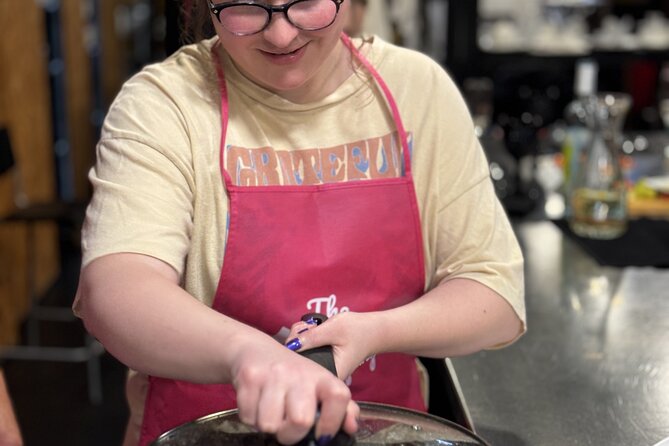
At $96.02 per person for about 3 hours, you’re paying for a complete dinner experience plus instruction. You also get an opening tasting of cheeses, chorizo, and wines—so the value isn’t only about cooking. It’s about food, guidance, and a finished meal you actually eat.
When you compare it to what you’d pay for:
- a restaurant meal for the whole three-course experience,
- plus a guided food activity,
- plus hands-on teaching,
the price starts to look more reasonable. The tasting component is a key value driver. It gives you an appetizer-style start and builds understanding.
That said, it’s not a bargain if you’re only looking for a quick recipe you can repeat later with no chef coaching. If you want a relaxed, structured dinner lesson where you learn technique and flavor sense, then you’re in the right place.
Dietary needs: what you can count on, and what to plan around
This is one area where you should plan carefully.
- People with dietary restrictions must communicate at least 72 hours in advance before the class.
- The menu is adaptable to vegetarians.
- It is not recommended for vegans and people with food allergies.
So if you’re vegetarian, you have a clear path to participate. If you’re vegan or dealing with allergies, you’ll want to think twice and contact the organizer in advance. Since the class is based on fresh ingredients and a specific Portuguese menu flow, substitutions for allergy-safe needs aren’t guaranteed based on the info provided.
My advice: treat the 72-hour rule as non-negotiable. Tell them what you can eat, what you can’t, and what level of strictness you need. The earlier you communicate, the better your odds.
Should you book this Lisbon Portuguese Cooking Class?
Book it if you want a hands-on, chef-led Portuguese dinner experience with a real tasting start. I’d especially recommend it if you like learning by doing, tasting first, and then cooking with confidence. The small group size and the warm approach by Ana and Carina make it a strong pick for couples and families.
Skip or reconsider if you’re vegan or have food allergies, because the class is specifically not recommended for those situations. Also, if you prefer purely sightseeing over food-based learning, this isn’t that kind of tour.
If you can work around that dietary fit, this class is a solid way to understand Portuguese flavor—cheese, chorizo, wine, and a full meal—without the stress of cooking everything yourself from scratch.
FAQ
How long is the Lisbon Portuguese cooking class?
It runs about 3 hours.
Where does the experience start?
The meeting point is R. Margarida Palla 25A, 1495-143 Algés, Portugal, and the activity ends back at the meeting point.
Is the class offered in English?
Yes, it’s offered in English.
What’s included in the dinner and cooking?
You get a tasting of cheeses, chorizo, and wines, then a cooking class where you prepare a starter, main course, and dessert.
Can vegetarians join?
Yes. The menu is adaptable to vegetarians.
Is it suitable for vegans or people with food allergies?
It’s not recommended for vegans and people with food allergies.
What dietary information do I need to provide in advance?
If you have dietary restrictions, you must communicate at least 72 hours before the start of the class.
How big is the group?
It has a maximum of 10 travelers.
What’s the minimum age?
Children from 8 years old can join.