REVIEW · SIEM REAP
Siem Reap: Khmer Cooking Class at a Local’s Home
Book on GetYourGuide →Operated by Angkor Wat Travel Tour · Bookable on GetYourGuide
Cooking lessons, in a real Siem Reap home. I love the way this class kicks off with a tuk-tuk pickup and then shifts into real Khmer cooking, with guides like Kong helping you learn dishes such as Fish Amok.
My favorite part is the market-to-kitchen flow: you walk through a local market, haggle for ingredients, then cook a 4-course meal from a menu-style set of choices. It also runs as a small group (up to 6), so you’re not lost in the shuffle.
One thing to consider: the experience isn’t set up for everyone, and it’s not suitable for wheelchair users (plus it doesn’t allow unaccompanied minors).
In This Review
- Key highlights worth your attention
- A tuk-tuk ride that actually feels like Siem Reap
- Hotel pickup, market stop, and why the first 30 minutes matter
- The home kitchen setup: 4 courses, active cooking, clear instruction
- Market-to-bowl cooking: what you learn while making Fish Amok
- Tom Yum: balancing heat, sour, and herbs in the real way
- The menu-style choice: why it makes the class feel personal
- Garden glimpses and ingredient context you can’t get from a classroom
- Lunch is part of the lesson: eat what you make
- Price and value at $29 for 3 hours of real food work
- Who should book this class (and who should skip it)
- Practical tips so you get the most from the afternoon
- Should you book this Siem Reap Khmer cooking class?
- FAQ
- How long is the Khmer cooking class in Siem Reap?
- Is hotel pickup and drop-off included?
- How many people are in the group?
- What dishes will I cook?
- Can the class accommodate vegetarian or vegan diets?
- What’s included in the price?
- Can I cancel and get a refund?
Key highlights worth your attention
- Tuk-tuk pickup and city-side convenience so you start close to where you’re staying
- Market time with real Khmer context as you shop for ingredients
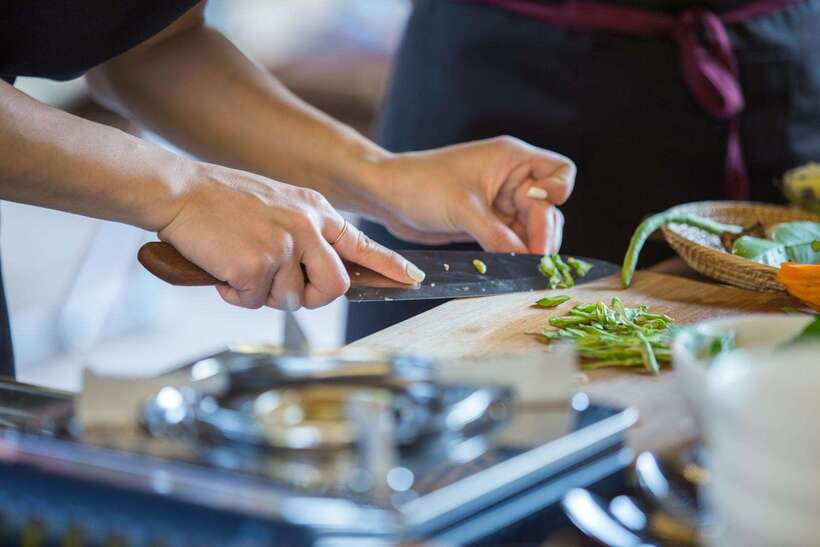
- 4 dishes you actively cook including Fish Amok and Tom Yum
- Small group limit (6 max) for more attention at the cutting board
- Choice from a menu for each course, not a one-size-fits-all set
- Recipes and photos at the end so you can recreate the food back home
A tuk-tuk ride that actually feels like Siem Reap
This class is designed for a simple day that still feels local. Pickup runs from your hotel, and you go in a traditional tuk-tuk, not a bus. You’re expected to wait in the lobby about 10–15 minutes early while the driver holds a sign with your last name.
The small group size (limited to 6) matters more than you might think. With fewer people, your English-speaking guide can slow down when someone asks a question, and your cooking instructor can keep an eye on what everyone is doing. You don’t feel like a number, and you don’t spend the afternoon waiting.
Time-wise, it’s about 3 hours total. That makes it a strong option if you want something cultural that still fits around Angkor Wat plans or dinner reservations. Lunch-time and other start times can be available, so check what’s offered when you book.
You can also read our reviews of more tours and experiences in Siem Reap.
Hotel pickup, market stop, and why the first 30 minutes matter
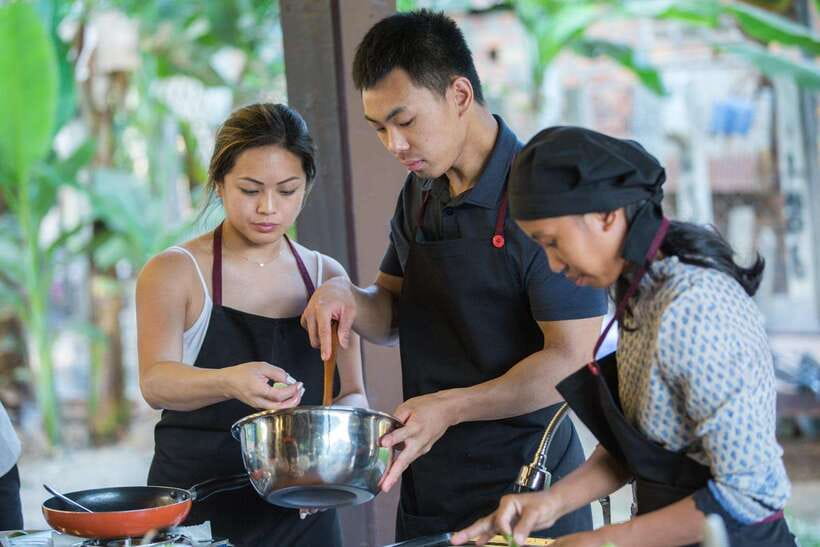
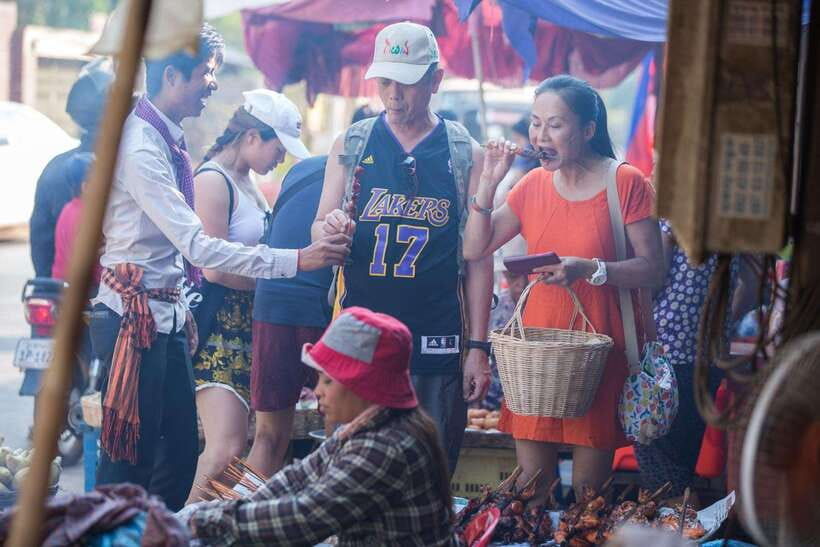
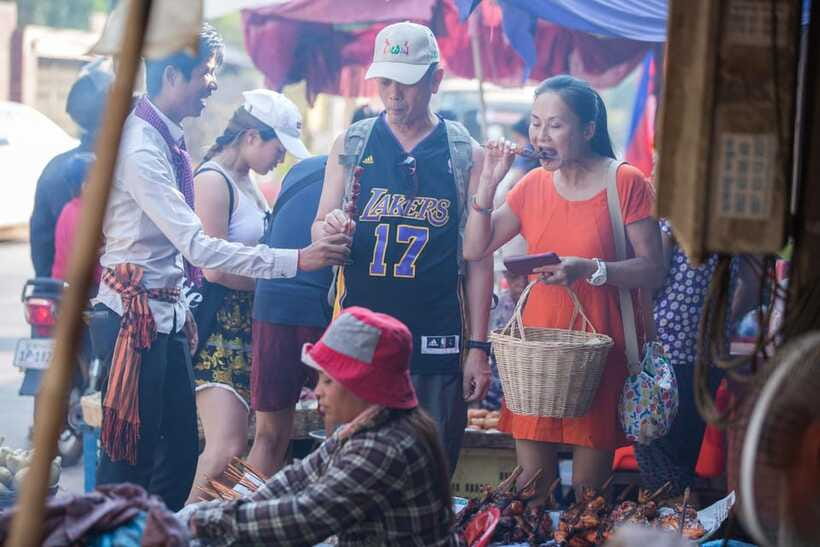
The day starts with a hotel pickup, then you head to a local market before cooking begins. This isn’t just a quick photo stop. You meet locals and get hands-on practice shopping for the ingredients that make Khmer food what it is.
You’ll haggle for fresh produce as part of the experience. Even if you’re not a confident negotiator, it’s a useful way to see what matters in Cambodian cooking: herbs, aromatics, and the ingredients that shape flavor long before they hit the pan.
One practical benefit: you go into the kitchen with a mental map of what you’re using. When Fish Amok or Tom Yum later appears on your cutting board, it won’t feel like a mystery dish. It will feel like a recipe built from things you picked together with your guide.
The home kitchen setup: 4 courses, active cooking, clear instruction
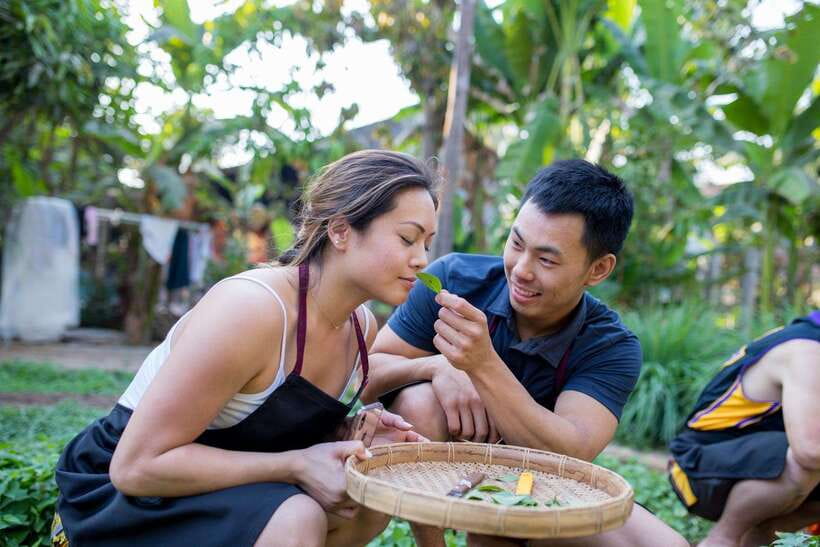
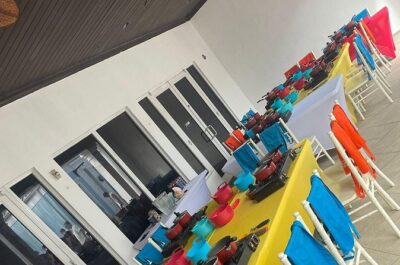
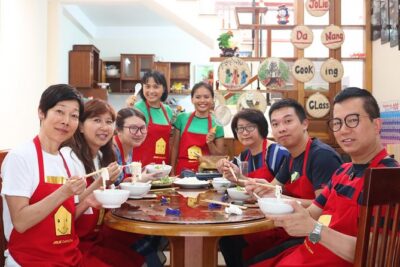
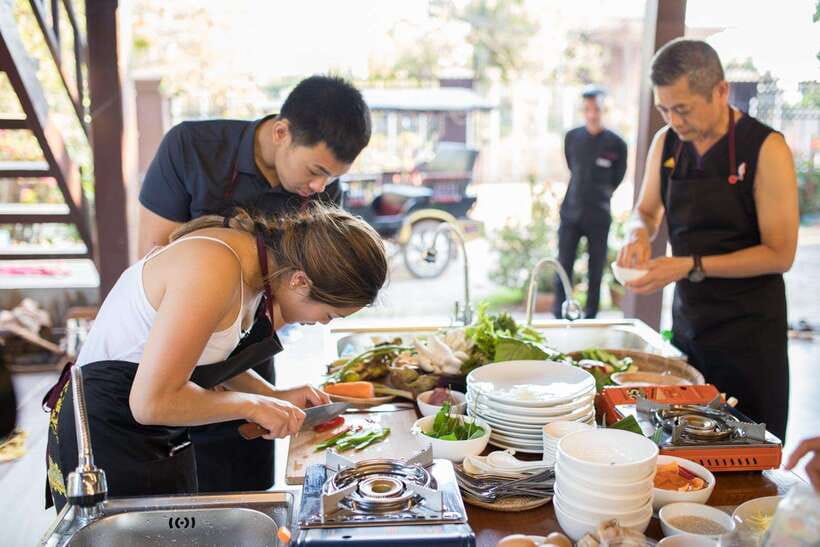
After the market, you head to your cook’s home base for the lesson. Here’s where the class becomes more than entertainment. You roll up your sleeves, work in parallel with other participants, and learn technique while you cook.
The class centers on 4 traditional Khmer dishes. Two of them are fixed options you should expect—Fish Amok and Tom Yum—and the rest comes from the menu-style choices. In many sessions, the 4 courses are set up like a starter/side plus a main and dessert style format, but the key idea is simple: you’re learning a complete Khmer meal, not just a single iconic dish.
What makes this format work for real life is that instruction is pitched for normal visitors. People tend to come in with no Cambodian cooking experience, and the guidance stays practical. Chopping, mixing, tasting along the way, and getting feedback are part of the rhythm.
Also, the class is English-language instruction, so you can follow what’s happening without playing translation games.
Market-to-bowl cooking: what you learn while making Fish Amok
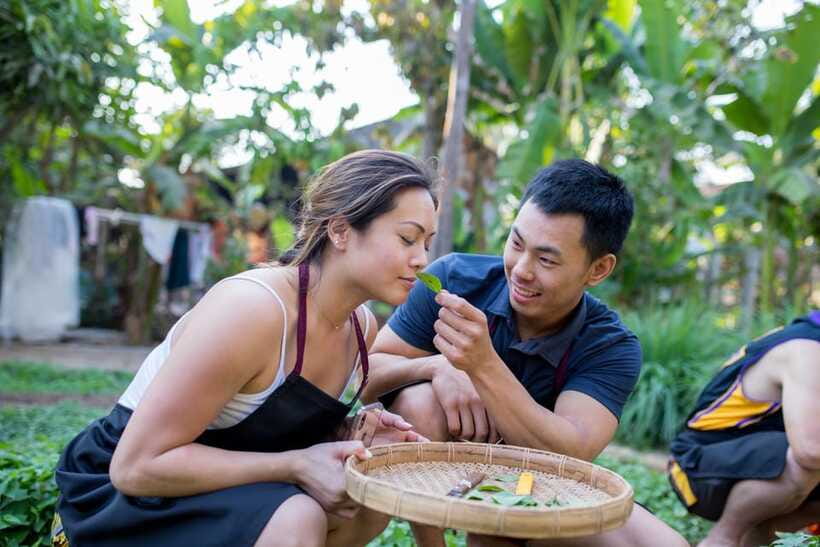
Fish Amok is one of those dishes that sounds intimidating until you’re actually working on it. In this class, you get to do it step-by-step, which helps you understand how Khmer flavors build.
The practical learning isn’t only about ingredients. You also learn texture and timing—how to handle sauces, how to keep the mixture consistent, and when a dish is ready. And because you shopped for key items at the market earlier, Fish Amok stops being an abstract recipe and becomes a set of decisions you can recreate later.
A useful side effect: once you make one “signature” Khmer dish yourself, you’ll start recognizing the patterns across other Cambodian dishes. That means Tom Yum later feels less random and more like part of the same flavor language.
Tom Yum: balancing heat, sour, and herbs in the real way
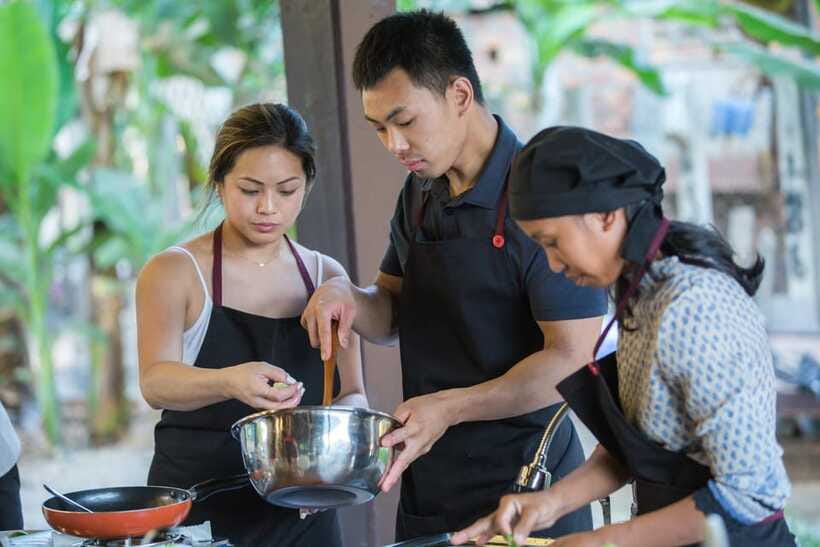
Tom Yum is well-known, but Khmer-style Tom Yum has its own feel. In this class, you don’t just watch it happen—you participate. That’s where you pick up the real skill: tasting and adjusting while you cook.
Tom Yum also tends to teach you something about Khmer aromatics. The market stop helps here because you already saw the herbs and ingredients that drive the soup’s character. Back at the station, you’re not guessing what to use—you’re assembling what you bought and learning how it changes in the pot.
This dish is also a good confidence booster. Even if your cutting and stirring aren’t perfect, guided instruction helps you land a finished soup that tastes like it should.
The menu-style choice: why it makes the class feel personal
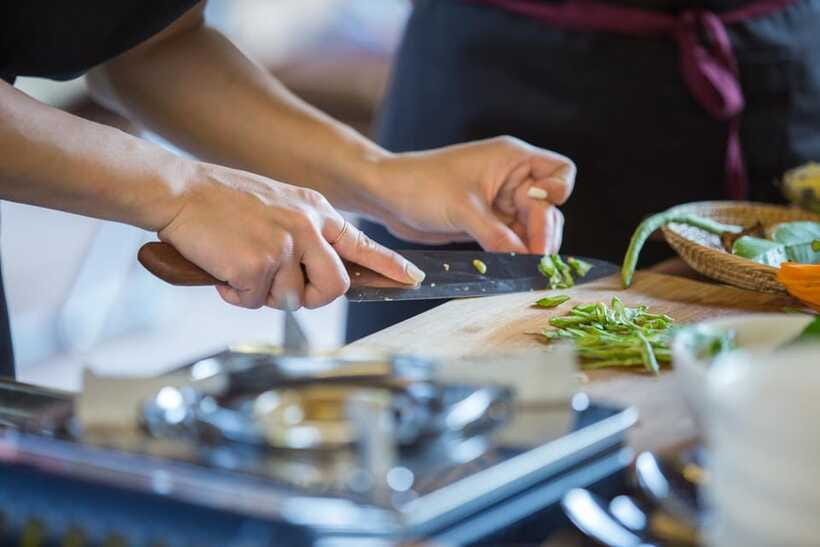
One standout feature is the way you can choose what you cook. Instead of being forced into one set menu, you select options from a short list for your 4-course meal. That’s a big deal for value and satisfaction because you can match the dishes to what you actually want to eat.
Many people end up cooking different combinations across the group, which keeps the afternoon lively. It also helps you learn more than one style of Khmer cooking, because dishes differ in ingredients and technique even when they’re part of the same meal.
This menu approach is also why it works for mixed groups. If someone isn’t sure about Fish Amok or another dish, they still get a choice somewhere in the set so they’re not stuck with something they don’t like.
Garden glimpses and ingredient context you can’t get from a classroom
Some classes also include a short look around growing areas on site—think kitchen garden style herbs and greens. You might even spot produce like mushrooms being grown and used as teaching examples.
This matters because Khmer cooking uses ingredients that are fresh and seasonal. When you see where things come from, the recipes feel less like tourist copy-and-paste and more like a living food system.
Even if you don’t care about farming, these quick tours improve your cooking. You learn substitutions and how to swap ingredients when you can’t find something at home—an underrated skill if you plan to cook after your trip.
Lunch is part of the lesson: eat what you make
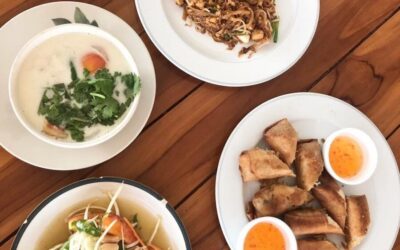
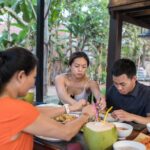
After cooking, you sit down to enjoy the 4-course meal. This is one of the best ways to learn because you immediately taste the result while the instructor’s tips are still fresh in your mind.
You’re not just eating; you’re also doing quality control. If something tastes too salty, sour, or under-seasoned, you remember what you did and what the guide advised. That turns the meal into practical feedback you can carry home.
Food amounts are also part of why this class gets such positive energy. You’ll likely leave comfortably full, and there’s a clear focus on making the experience feel worth your time and money.
Price and value at $29 for 3 hours of real food work
At $29 per person for about 3 hours, this class is priced like a local experience rather than a fancy cooking show. What you get is important:
- Hotel pickup and drop-off
- Local host/guide and English instruction
- Ingredients
- A full 4-course meal
- Bottled water
Alcoholic drinks are not included, so if you want a beer or cocktail with lunch, you’ll need to handle that separately.
For me, the best value angle is that you’re paying for the full pipeline: market buying, cooking instruction, ingredients, and the meal. You’re not paying just to learn techniques in theory. You leave with food, recipes, and the confidence to reproduce at least part of it back home.
Who should book this class (and who should skip it)
This is a great fit if you want:
- A hands-on culture activity close to the city
- Khmer cooking that’s practical enough to cook later
- A small group so you can ask questions
- A menu with choices, so you can tailor your 4-course set
It may not be a good fit if:
- You use a wheelchair (this isn’t suitable)
- You’re traveling with children under 8
- You’re hoping for a fully relaxed, low-movement class
- You need a fully customized menu for strict dietary needs (you can request accommodations for vegetarian and vegan, and you should tell the team about allergies when booking)
The class can accommodate vegetarian and vegan options, which is a rare plus for Cambodian cooking. If you have allergies or dietary restrictions, inform the team at booking so they can plan appropriately.
Practical tips so you get the most from the afternoon
Wear comfortable shoes. You’ll be moving between pickup, market time, and a home kitchen setup where you’ll likely stand and chop.
Bring a camera if you want to capture the market and cooking stations. People often come away with plenty of photos, and it’s also common to receive recipes to take home.
Come ready to taste along the way. Khmer cooking uses flavors that build in layers, and tasting helps you learn how balance works. If you skip that part, you lose some of the main lesson.
And if English is your comfort language, you’re set. Instruction is provided in English, and guides like Kong and instructors such as Sivorn or Sorya are known for keeping the mood light while explaining what to do.
Should you book this Siem Reap Khmer cooking class?
If you want one activity in Siem Reap that’s both cultural and actually useful when you get home, this is a strong booking. The market stop, the tuk-tuk pickup, the small group size, and the chance to cook four dishes—including Fish Amok and Tom Yum—make it feel like a full experience rather than a quick demo.
Book it especially if you:
- Like learning by doing
- Want to eat what you cook
- Prefer a menu-based class with choices
- Enjoy food that feels connected to daily life, not staged for tourists
If you’re the type who hates hands-on cooking or needs accessibility support, skip it and choose a different format.
FAQ
How long is the Khmer cooking class in Siem Reap?
It lasts about 3 hours, and you’ll want to check available starting times when you book.
Is hotel pickup and drop-off included?
Yes. Pickup is included, and you should wait in your hotel lobby 10–15 minutes before the scheduled time. The driver will hold a sign with your last name, and you’ll also be dropped back after the class.
How many people are in the group?
The group is small, limited to 6 participants.
What dishes will I cook?
You’ll cook 4 authentic Khmer dishes, including Fish Amok and Tom Yum. The other courses are chosen from the menu options available during the class.
Can the class accommodate vegetarian or vegan diets?
Yes. The class can accommodate vegetarian and vegan options.
What’s included in the price?
The price includes hotel pickup and drop-off, an experienced local host/guide, ingredients, a 4-course meal, and bottled water. Alcoholic drinks are not included.
Can I cancel and get a refund?
Yes. You can cancel up to 24 hours in advance for a full refund.