REVIEW · TBILISI
Tbilisi: Cooking Class with a Local Family
Book on GetYourGuide →Operated by Gamarjoba Georgia Tours · Bookable on GetYourGuide
Six dishes, one family, and plenty to eat. I love how this Tbilisi cooking class pulls you into Shorena’s Magic Kitchen, where you learn classic Georgian dishes and then make them yourself instead of watching from the sidelines. You cook with a real local expert, in the kind of home setting that immediately turns food into a story.
I also like the ending: a full, sit-down feast with homemade dry white wine and chacha, plus plenty to taste while you work. Guides such as Maria or Ana keep things smooth in English, especially when the host speaks mostly Georgian and needs a translator to get instructions across.
One thing to keep in mind: while you do most of the cooking, some parts may already be prepped for you, and the quality of the wine or chacha can vary a bit by night.
In This Review
- Key Highlights You’ll Actually Care About
- Avlabari Metro at 17:30: the start that keeps things easy
- Shorena’s Magic Kitchen: what the home setting changes
- The six Georgian dishes you make in 3 hours
- Khinkali: the dumpling that teaches patience
- Khachapuri: cheese bread with built-in wow factor
- Eggplant with walnuts: sweet-savory depth, not just a side
- Georgian salad: the fresh anchor
- Mchadi: cornbread that earns a second piece
- The feast part: you eat what you cook
- Homemade dry white wine, chacha, and the toast culture
- Transportation and timing: the parts that can make or break your evening
- Vegetarian option: how it works for real
- What you take home: recipes you can repeat
- Who this cooking class is best for
- Should you book Shorena’s Magic Kitchen in Tbilisi?
- FAQ
- Where is the meeting point for the class?
- How long is the experience?
- Is there an English-speaking guide?
- What is included in the price?
- Is a vegetarian option available?
- What should I bring?
Key Highlights You’ll Actually Care About
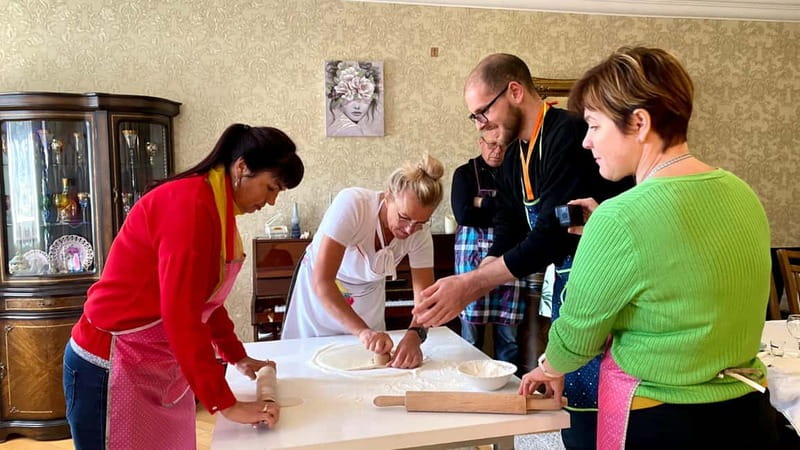
- A local-family setup with Shorena, a cook from western Georgia with 30+ years of experience
- You make six Georgian dishes, not just a couple of hands-on steps
- Khinkali and khachapuri focus, the two biggest icons of Georgian eating
- English-speaking guide with translation, often the difference between fun and frustration
- Homemade wine and chacha included, served with the meal you helped create
- Rain or shine you’ll head out to cook, so dress for the weather
Avlabari Metro at 17:30: the start that keeps things easy
This experience starts at Avlabari Metro Station at 17:30. You meet a partner representative in front of the station holding a branded orange flag, which is great if you don’t want to play guess-the-meeting-point for 20 minutes. From there, transportation from the meeting point is included, so you’re not hunting for a cab right after a long day of walking.
Before you go, bring your passport or ID card. It’s one of those small requirements that’s easy to forget until you’re already at the metro. Also dress for the weather. The class runs rain or shine, which in Georgia often means you’ll want shoes you don’t mind getting a little dusty or wet.
You can also read our reviews of more tours and experiences in Tbilisi.

Shorena’s Magic Kitchen: what the home setting changes
The whole point of this class is the family-home feel. You’re not in a cooking studio. You’re in a real household with a mother-and-family rhythm to the evening, where ingredients, timing, and hospitality all matter. That matters for you because you get a clearer sense of what Georgian cooking looks like when it’s everyday life, not an industry performance.
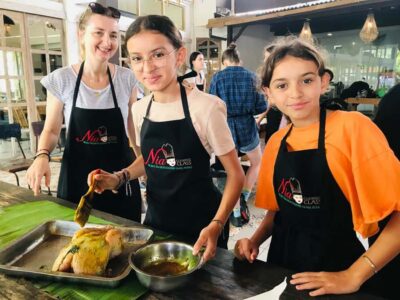
Shorena runs the cooking side, and you learn directly from someone with decades of practice. The experience is described as a masterclass, and the structure reflects that: you get guided instructions, then you do the work—shaping, mixing, assembling, and frying—so the food is something you can repeat later at home.
You’ll also see how language is handled. In some groups, the host speaks mostly Georgian and a few English words, so the English tour guide (for example Maria or Ana, depending on your session) translates the instructions clearly. That translation isn’t just about words. It’s about timing—when the filling should be ready, how the dough should behave, and what “good” looks like before you commit.
The six Georgian dishes you make in 3 hours
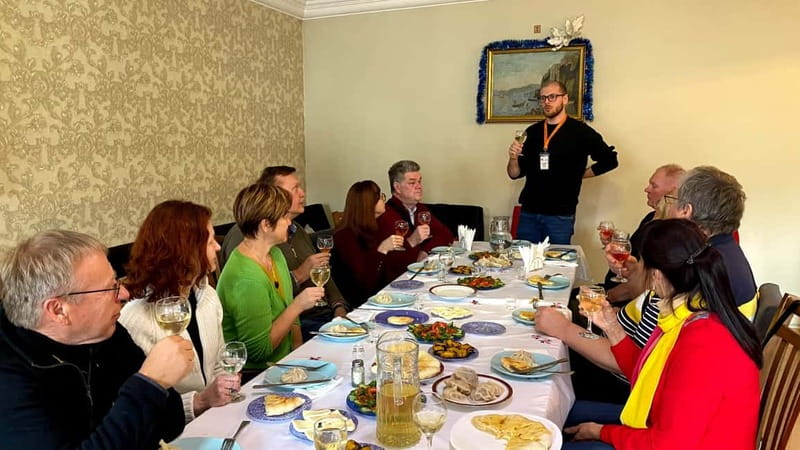
You’ll spend your time cooking and then eating everything you made. The menu centers on famous Georgian comfort food, with a hands-on approach that works even if you’re not the confident kitchen type.
Here’s what you can expect to cook, as listed for the class:
- Khinkali (Georgian dumplings)
- Khachapuri (cheese-filled bread)
- Eggplant with walnuts
- Georgian salad
- Mchadi (cornbread)
- One additional dish that rounds out the six-food meal, and it may show up as an extra Georgian staple or a variation on what you’re preparing
Khinkali: the dumpling that teaches patience
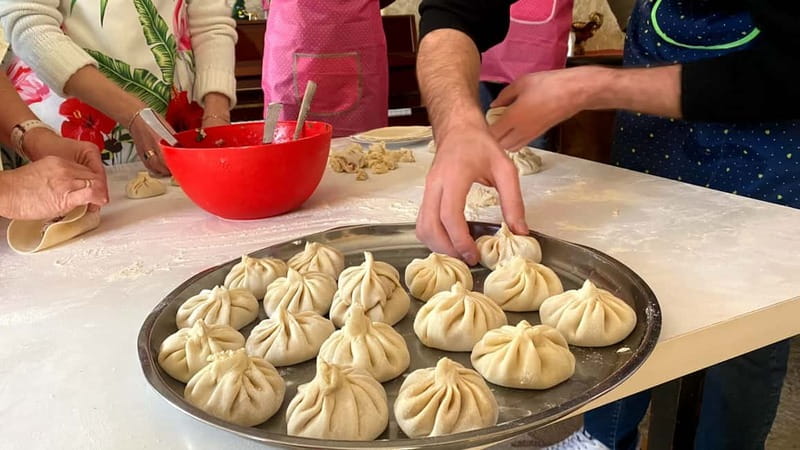
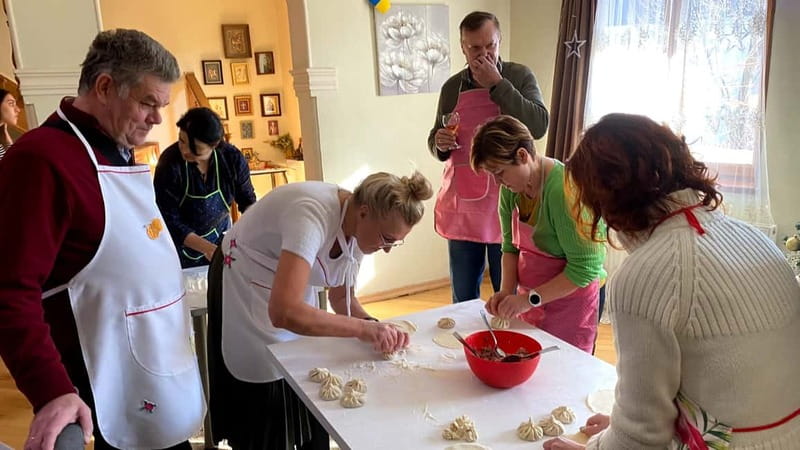
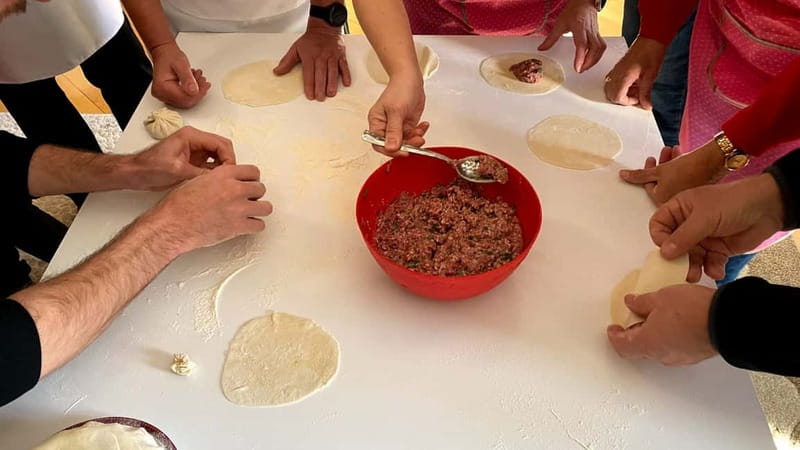
Khinkali is the dish everyone recognizes, and it’s a great one for a class because you learn technique fast. You’ll work on assembly—portioning, shaping, and getting the folds right—then you’ll see how the dumplings are meant to be eaten and appreciated.
What makes khinkali valuable for your skills is the “feel” part. Even when a guide breaks it down step-by-step, there’s a tactile lesson in how the filling stays inside and how the shape holds together. If your group is small, you’ll get enough attention to correct problems before they become a dumpling disaster.
Khachapuri: cheese bread with built-in wow factor
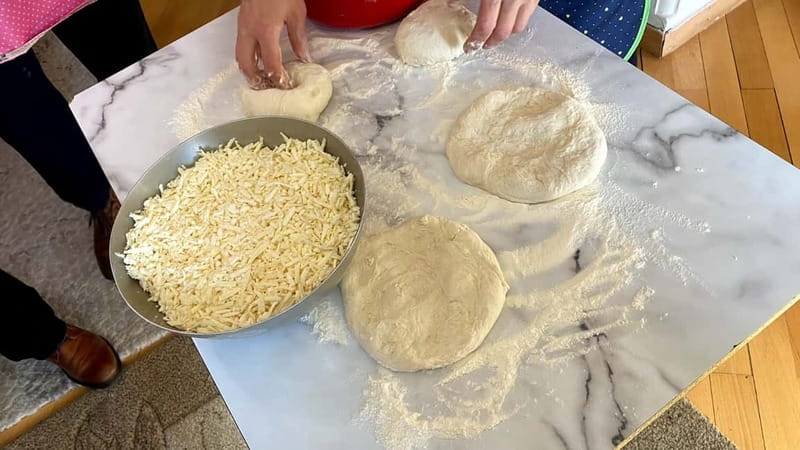
Khachapuri is Georgia’s comfort bread, and it’s also very teachable. You’ll work with Georgian cheese Sulguni, and you’ll learn how the dough and filling work together. There’s a reason khachapuri is so commonly used as an intro-to-Georgia dish: the results feel impressive without requiring advanced baking knowledge.
One practical heads-up: some classes may not have you start absolutely everything from raw dough, since you’re aiming for six dishes in three hours. Even so, you still get your hands in the process and you’ll learn the flow—how much filling, how thick the bread should be, and what a good bake looks like.
Eggplant with walnuts: sweet-savory depth, not just a side
This is the dish that often surprises people. Eggplant can sound plain on paper, but when it’s paired with walnut and Georgian seasoning styles, it turns into a real main-event flavor. You’ll learn the process behind the filling and how it’s assembled—often in a roll or layered approach depending on the day’s method.
This dish is also useful for you if you like cooking vegetarian-friendly food. It teaches flavor building, not just frying. The walnut base gives texture, and the seasoning keeps it bright.
Georgian salad: the fresh anchor
You’ll make a Georgian salad as part of the group meal. The value here is simple: it balances the richer dishes. Salad in Georgian meals isn’t an afterthought—it’s part of why the meal feels complete, with crunchy freshness against dumplings, bread, and cheese-heavy comfort foods.
As you prep it, you’ll understand why the salad shows up again and again with Georgian staples: it helps your palate reset between bites.
Mchadi: cornbread that earns a second piece
Mchadi (cornbread) brings the class back to earth. It’s not fancy, and that’s the beauty. You’ll learn how it’s mixed and shaped, and how the cooking method creates the texture you want.
If you’ve never cooked with cornmeal before, this is one of the easier wins in the menu. Reviews consistently point out that even beginners can participate, largely because the class design keeps you moving and gives you enough structure to succeed.
The feast part: you eat what you cook
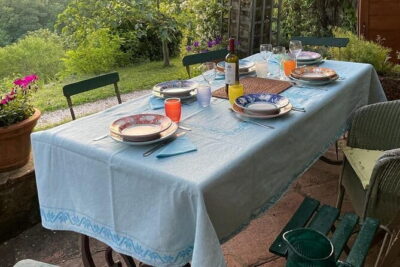
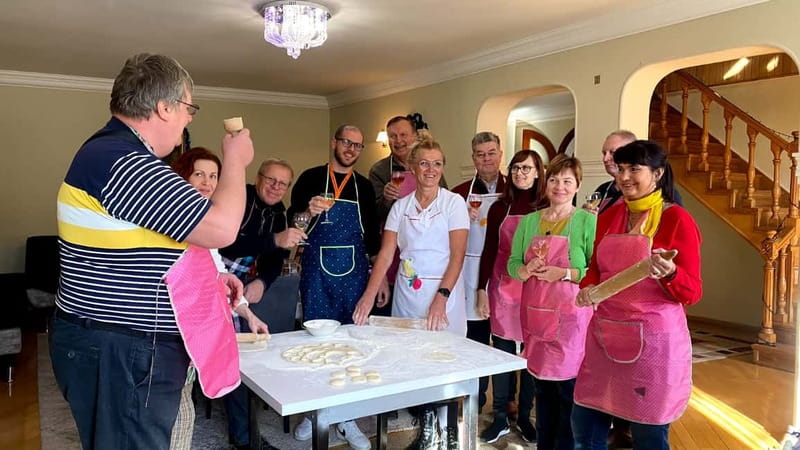
After you make the dishes, you try them all. This is where the experience clicks. Cooking classes often stop right when you start tasting. Here, the tasting is baked into the schedule, so you can actually compare flavors while your brain still remembers what you did.
And yes, the portions can be generous. Several people highlight that there was a lot of food for the group size, and that the meal feels like dinner with company, not just a snack at the end.
Homemade dry white wine, chacha, and the toast culture
Food is the headline, but the drinks tell you a lot about the culture. You’ll have homemade dry white wine and Georgian vodka called chacha during the class. It’s not listed as optional tasting; it’s included as part of the experience.
One detail I really like for your planning: you’re not just handed a glass and left alone. Guides and hosts often frame the meal with small explanations—how Georgian drink culture works, when to toast, and why certain pairings fit. In at least one memorable group, a guide known for being a toast master led stories and toasts with traditional music in the background, which made the meal feel like a mini celebration instead of a classroom.
Do keep a light reality check: one review mentioned that the wine and chacha weren’t their favorite part and that return transportation back to the starting point felt less organized. That’s not the majority of feedback, but it’s worth noting. Treat the drinks as a big part of the experience, but don’t assume every bottle will hit the same notes every single night.
Transportation and timing: the parts that can make or break your evening
The class runs for 3 hours, which is the sweet spot for an activity like this. You’re not locked into a half-day commitment, but you also get enough time to cook, eat, and learn without feeling rushed.
Transportation is included from the meeting point. Transportation from the local family is listed as not included, so if your mind works like mine and you hate last-minute uncertainty, ask ahead about how you get back after the meal. You’re likely fine, but this is the one logistics detail worth confirming so you don’t end the evening stranded.
Vegetarian option: how it works for real
If you prefer vegetarian food, there’s a vegetarian option available upon request. That’s a big deal because Georgian menus often revolve around cheese, eggplant, and breads, but dumpling fillings and some prep may vary.
If you’re booking, send your vegetarian request early and be clear about what you eat. That’s the safest way to avoid surprises for both you and the host cooking for you.
What you take home: recipes you can repeat
You’ll get a recipe of traditional Georgian food, which is one of the most practical souvenirs you can bring home. A lot of cooking classes give you stories. This one also gives you instructions you can use when you’re back at your own stove.
I also think this is a class where your notes matter. You’ll remember the big steps, but the small ones—seasoning amounts, dough feel, filling consistency—are the difference between a one-time meal and something you can replicate next weekend.
And if you want to keep the Georgian vibe going after the class, one handy tip from a prior participant: check out market shopping for ingredients you can actually transport and use later. They recommended Dezerter Bazaar in Tbilisi as a place to find spices and cheese (like Sulguni).
Who this cooking class is best for
This is ideal for you if:
- You want a real-home introduction to Georgian cuisine, not a restaurant tasting
- You’re into hands-on cooking, especially khinkali and khachapuri
- You like eating with new people in a group setting
- You want an English guide who can translate and keep you confident in the process
- You appreciate culture alongside food, since guides often share context about Georgian traditions and how the meal fits daily life
It might not be the best match if:
- You only want the most hands-on from-scratch cooking possible. Some prep may be done for you so the schedule stays on track.
- You’re extremely picky about alcoholic drink quality. Most people like it, but one review flagged disappointment with the wine and chacha.
- You hate group activities where you need to pay attention to steps and timing.
Should you book Shorena’s Magic Kitchen in Tbilisi?
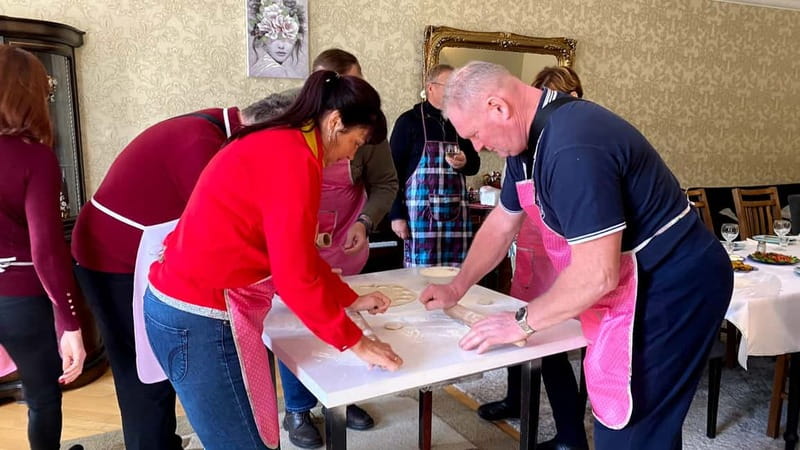
If you’re choosing among Tbilisi food experiences, I’d book this one when you want something you can taste and do. For $55 per person, you’re getting a three-hour evening, a small-group cooking setup, six foods you cook and eat, plus homemade wine and chacha, water, and transport from the meeting point. That’s solid value for a hands-on Georgian cooking class that doesn’t feel like a show.
I’d especially recommend it for first-timers to Georgian cuisine. You’ll cover the key dishes in one night, and you’ll leave with recipes you can actually use.
Just do yourself a favor and come hungry, bring your ID, and ask about return logistics. Then relax into the rhythm of a real Georgian family meal—and cook something you’ll be talking about for days.
FAQ
Where is the meeting point for the class?
You meet at Avlabari Metro Station at 17:30. A local partner representative will be there in front of the station holding a branded orange flag.
How long is the experience?
The cooking class lasts 3 hours.
Is there an English-speaking guide?
Yes. The tour includes a live guide in English.
What is included in the price?
The class includes a guide, six foods, homemade wine, homemade vodka (chacha), water, cooking masterclasses with a local family, and transportation from the meeting point.
Is a vegetarian option available?
Yes. A vegetarian option is available upon request.
What should I bring?
Bring your passport or ID card.