REVIEW · TBILISI
Small-Group Khinkali and Khachapuri Cooking Class in Tbilisi
Book on Viator →Operated by Discover local wine and food · Bookable on Viator
There is something oddly satisfying about shaping dumplings. This 2-hour Tbilisi workshop teaches you the practical steps for khinkali and Imeretian khachapuri right in the restaurant hall, paired with Georgian wine, cheese, and salad. I especially love how the class focuses on the parts you can actually do well at your table, not just watch. The other big win is the meal built from your own handiwork. One thing to consider: it is not held in the kitchen, so you mostly shape and prep, while the hot cooking happens behind closed doors.
The experience feels personal because the group is designed to be small, capped at 6 people. That means you get step-by-step attention as you mix, spread, and learn the classic folding and sculpting moves. And since the instruction is in English, you can follow along without guessing what comes next.
If you’re expecting a truly hands-on, full kitchen experience with every minute spent cooking over heat, you may feel a little boxed in by the restaurant setting. Some sessions also run a bit longer or start slightly behind time in busy periods, so it helps to build in flexibility.
In This Review
- Key highlights you should know before you go
- The Tbilisi dumpling-and-cheese lesson that actually feeds you
- Where the class fits in Tbilisi (and why the location helps)
- What you’ll cook: khinkali plus Imeretian khachapuri
- Khinkali: the sculpting skill
- Khachapuri: Imeretian cheese bread (with hands-on dough work)
- The lesson flow: from wine welcome to dumpling mastery
- 1) Welcome bites: wine, salad, and farm cheese
- 2) Chef instruction at your table (not in the back kitchen)
- 3) Your hands take over: dough, filling, cheese, and shaping
- 4) Sit down and eat what you made
- Recipes included
- Group size: small on paper, sometimes larger in peak season
- Price and value: $27.50 for a real meal plus technique
- Who this cooking class is perfect for
- Practical tips to get more out of the experience
- Potential drawbacks to weigh (honest and useful)
- Should you book this khinkali and khachapuri class in Tbilisi?
- FAQ
- How long is the cooking class?
- Where does the class start in Tbilisi?
- Is the class held in the kitchen?
- What dishes will I make?
- Is wine included?
- How big is the group?
- Is the class offered in English?
- Do I need to bring anything?
- Are service animals allowed?
- What is the cancellation window?
- Do I get recipes to take home?
Key highlights you should know before you go
- Small-group feel capped at 6 for more individual attention
- Restaurant-hall instruction, not a kitchen tour
- Included feast: wine, salad, farm cheeses, plus your own khinkali and khachapuri
- Learn the real shapes: sculpting khinkali folds and making Imeretian cheese bread
- Friendly, funny teaching style from instructors like Chef Vladimir, Seva, and Artem (depending on your session)
- Recipes at the end, so you can repeat the dishes at home
The Tbilisi dumpling-and-cheese lesson that actually feeds you
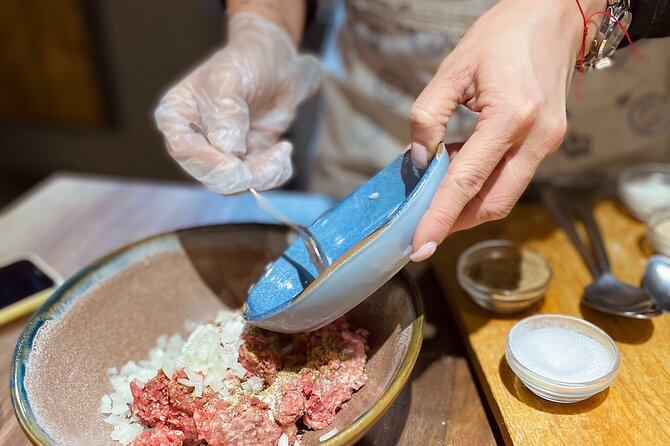
This class is one of the easiest ways to understand Georgian comfort food without needing a full day, a rental kitchen, or a crash course in “how to read a dough.” You’ll spend about two hours learning khinkali and Imeretian khachapuri—two dishes that show up everywhere in Georgia for good reason: they’re filling, shareable, and built around technique.
The atmosphere is part classroom, part meal. You learn at a table, you practice the key moves, and then the food arrives for eating when it’s ready. If you like experiences where you leave with both skills and dinner, this one works.
That “restaurant hall, not the kitchen” detail matters. It can either feel limiting—or feel perfect, because it keeps the flow relaxed and social. You’re not stuck waiting around for a crowded kitchen or cleaning up dozens of tools. Instead, you get a clear, guided sequence: dough work, filling prep, shaping, and then eating.
You can also read our reviews of more tours and experiences in Tbilisi.
Where the class fits in Tbilisi (and why the location helps)
You meet at St.Bunny31 on Griboedov St, right in central Tbilisi. For planning, that’s a big deal. Central neighborhoods mean you can do this between other sightseeing blocks without hiring a car or timing a complicated transfer.
It also ends back at the meeting point, so you’re not wondering where the activity dumps you after dinner. Since it’s near public transportation, you can keep the rest of your evening simple too.
Language is also straightforward: instruction is offered in English, which makes the class comfortable for solo travelers and couples who want something structured but not stiff.
What you’ll cook: khinkali plus Imeretian khachapuri
The menu focuses on two Georgian favorites, but the teaching method is the real story.
Khinkali: the sculpting skill
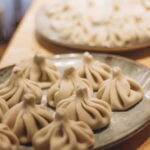
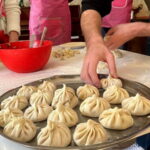
Khinkali are Georgian dumplings, known for their distinctive “cinched” top. In this class, you don’t just talk about them—you practice the shaping and get the chef’s explanations for what makes the folding work.
You’ll hear about khinkali dough and how it’s made, but your hands-on time centers on learning to sculpt the dumplings. After that, the dumplings are cooked behind the scenes and served to you. This is why the restaurant-hall setup works: you can focus on the technique without turning the session into a hot kitchen free-for-all.
If you’ve ever tried to copy dumplings from a recipe at home, you know the hard part isn’t mixing. It’s getting consistent folds and sealing the dumpling properly. The instructor’s guidance is the point here.
Khachapuri: Imeretian cheese bread (with hands-on dough work)
Khachapuri is Georgian cheese bread, and this class specifically aims at Imeretian khachapuri—the ruddy, fragrant style with a cheese-forward filling.
This is where you get more direct dough participation. You prepare the dough for the khachapuri, work on the filling, spread cheese, and shape the dough to get it to readiness. In other words, you’ll do more than fold—there’s real prep work you can feel.
Then the finished bread is served once ready. Again, the hot cooking is handled outside your station, but your hands are still deeply involved in getting to the final form.
The lesson flow: from wine welcome to dumpling mastery
The class is designed as a smooth progression, and that structure is part of the value. Here’s how the timeline tends to feel:
1) Welcome bites: wine, salad, and farm cheese
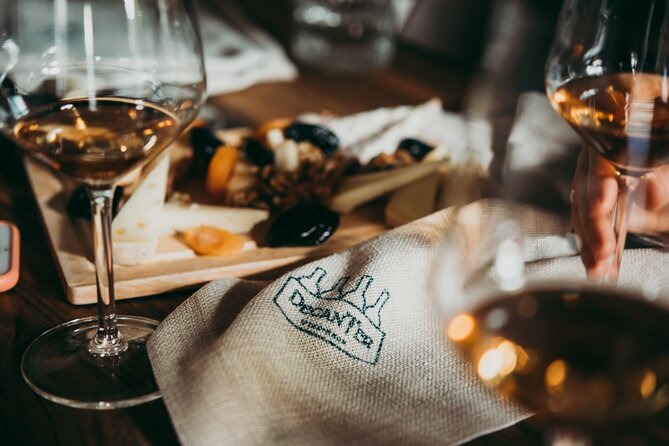
You start with a Georgian wine pour, plus a vegetable salad made from memorable Georgian tomatoes and a platter of farm cheeses. This matters more than it sounds. When you’re learning dough and shaping—sticky, messy tasks—it helps to have a relaxed start and real food in front of you.
Also, having cheese and salad at the beginning turns the class into a meal experience rather than a formal class that ends in hunger. Some people even describe it as a fun casual lunch.
One practical note: wine is included, but in some sessions the selection may be limited (for example, red only). If you’re sensitive to wine types, consider that ahead of time.
2) Chef instruction at your table (not in the back kitchen)
You get guidance inside the restaurant hall. That means you’ll watch and learn, then repeat steps at your place. You’ll hear the key points for dough and filling, and the chef’s stories that connect technique to Georgian food culture.
Multiple instructors have been reported over time—Chef Vladimir, Seva, and Artem—each with a mix of clear steps and humor. If you get an instructor with strong explanations, the whole experience clicks faster.
3) Your hands take over: dough, filling, cheese, and shaping
This is the hands-on stage.
- You prepare the dough for khachapuri and the filling.
- You spread cheese and get the bread ready.
- You sculpt the khinkali using the chef’s direction.
Some participants find that khinkali includes more shaping than fully cooking-from-scratch. That’s consistent with the class format: the hot process is off-limits from the table, and the restaurant setup keeps things moving.
4) Sit down and eat what you made
Once your dishes are ready, you eat. There’s no stingy portioning experience here—many people report the meal is plentiful for a full class dinner or late lunch.
And yes, there’s that satisfying moment where your food tastes better because you made it. It’s not magic. It’s technique plus effort plus the fact that you’re eating right where you learned.
Recipes included
At the end, you receive recipes so you can try again at home. That’s one of the best reasons to take cooking classes even when you know you could cook from YouTube later: you’ll have a clearer baseline for what “right” should look and taste like.
Group size: small on paper, sometimes larger in peak season
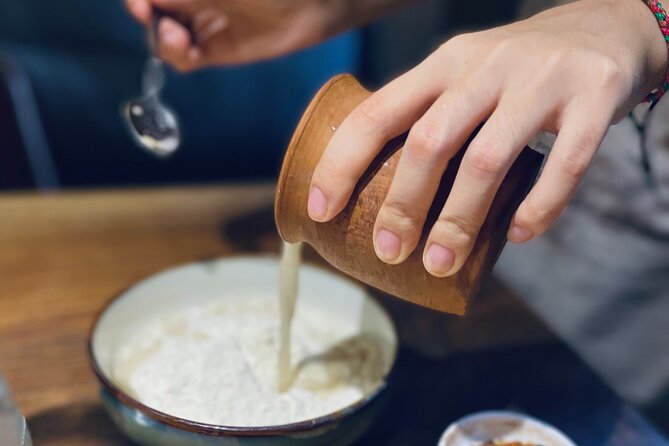
The experience is designed for a maximum of 6 travelers, which is what keeps it friendly and coachable.
Still, in busier seasons, some sessions can run larger than that. A few people have reported groups closer to 9–13, and that naturally changes the vibe: less personal attention and more waiting for supplies or for the whole group to finish steps.
If you want the most intimate version of this class, booking ahead is smart. The experience is commonly booked around 11 days in advance on average, which lines up with the fact that this is a popular, easy “do it now” activity for food lovers.
Price and value: $27.50 for a real meal plus technique
At $27.50 per person, this is strong value for Tbilisi—especially because the package includes:
- wine
- salad
- farm cheese
- khinkali and khachapuri from your class work
- instruction in English
- recipes at the end
Cooking classes often charge for instruction alone. Here, you’re paying for the teaching and the meal in one bundle. That makes the math easier, especially if you’d otherwise spend money on a lunch plus a separate cultural activity.
Two hours also keeps it from ballooning into a half-day commitment. If you’re doing a tight itinerary, this is a practical “high payoff” stop.
Who this cooking class is perfect for
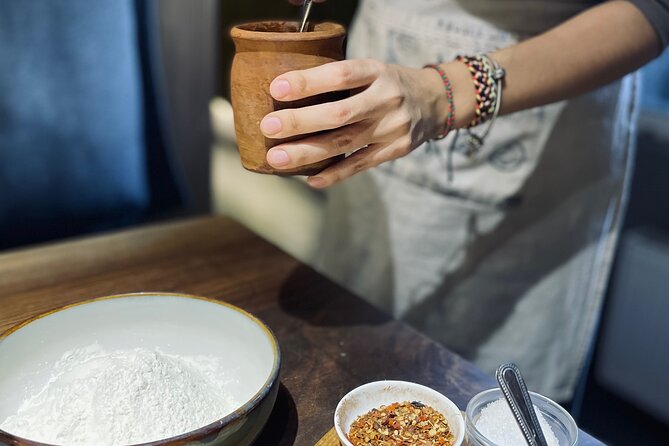
This class is a great fit if you want:
- a hands-on Georgian food experience without needing advanced culinary skills
- a way to eat what you make (not just snack and leave)
- a social activity that still feels small and guided
- a central-location experience that won’t eat your whole day
It’s also frequently mentioned as a fun option for families. At least one report included kids (including a 2-year-old and a 8-year-old), and described the session as easy and scheduling-friendly.
If you’re a complete beginner, you’ll still likely succeed because the chef breaks down the steps and gives patient direction. If you’re an experienced cook, you may still enjoy it for the shaping technique and the chance to learn Georgian methods you might not already use.
Practical tips to get more out of the experience
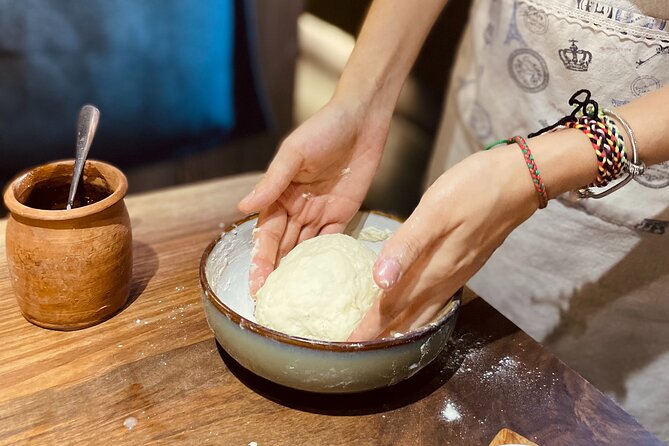
A few small things can make a big difference:
- Come hungry. You’re learning and eating, and the portions are meant to cover a real meal.
- Expect a table-focused setup. It is not a kitchen workshop. Plan to shape and prep rather than cook over heat.
- Go for the technique, not perfection. Dumpling folding gets easier once you’ve done it once with guidance.
- Ask about consistency. If you’re unsure about dough or sealing, that’s usually where instructors can help most.
- Don’t rush the quiet moments. Some waiting happens when food is prepared behind closed doors. Use that time to ask food-culture questions—part of the appeal for people who really enjoy the story side of Georgian dining.
Potential drawbacks to weigh (honest and useful)
To be fair, there are a couple of realistic considerations:
1) Not a full kitchen experience
You learn and shape a lot, but the cooking happens behind closed doors, and some dough prep for khinkali may be handled by the chef rather than fully starting from scratch at your station.
2) Timing can slip in busy periods
A few people have noted late starts or a less smooth flow—often tied to staffing and restaurant scheduling. If you’re trying to catch a tight reservation right after, build in buffer time.
3) Group size can expand
Even though it’s advertised as small, peak season can bring bigger groups, which reduces hands-on access and increases waiting.
The tradeoff is that you still get a meal, instruction in English, and the core technique you came for.
Should you book this khinkali and khachapuri class in Tbilisi?
I’d book it if you want a practical Georgian food skill with a satisfying payoff: you leave fed, you learn how to shape khinkali, and you prep Imeretian khachapuri with real dough work.
Skip it—or at least set expectations—if you’re specifically chasing a hands-on cooking-in-the-kitchen experience with minimal waiting and one-on-one attention at every step. The restaurant hall format is the deal here, and the hot cooking is handled separately.
For most visitors, this is a smart, low-risk choice: central location, small-group intent, and a price that doesn’t feel inflated for what you actually get on the table.
FAQ
How long is the cooking class?
It runs for about 2 hours.
Where does the class start in Tbilisi?
You meet at St.Bunny31, Griboedov St, Tbilisi, Georgia.
Is the class held in the kitchen?
No. The instruction happens inside the restaurant hall, not in the kitchen.
What dishes will I make?
You’ll learn to sculpt khinkali and prepare Imeretian khachapuri with cheese.
Is wine included?
Yes. Georgian wine is included, along with cheese and salad.
How big is the group?
The experience is limited to a maximum of 6 travelers.
Is the class offered in English?
Yes, the class is offered in English.
Do I need to bring anything?
You’ll receive a mobile ticket, and you’ll be cooking and eating as part of the experience. Specific items to bring aren’t listed.
Are service animals allowed?
Yes, service animals are allowed.
What is the cancellation window?
Free cancellation is available up to 24 hours in advance for a full refund.
Do I get recipes to take home?
Yes. Recipes are shared at the end of the experience.