REVIEW · ROME
Exclusive cooking class in Roman countryside with local chef
Book on GetYourGuide →Operated by Timonfaya Travel Lanzarote · Bookable on GetYourGuide
A stay in Lazio tastes better when you cook it yourself. This small-group class takes you from Zagarolo Station into the Roman countryside, where chef Claudia teaches an old-school Italian Sunday lunch start to finish. Then you sit down, pour the homemade wine, and eat what you made—no shortcuts, no tourist buffet.
I love the hands-on pace, especially learning how to make pasta by hand and finishing with a full multi-course meal. I also love the setting: the ride out of Rome, the garden or living room for eating, and the relaxed, family-feeling atmosphere hosted by Claudia and Bruno.
One thing to consider: the meeting point can take a minute to sort out. You’ll be at the station looking for Bruno’s gray car, so give yourself a little time and double-check you have the right station.
In This Review
- Key things I’d mark on your map
- Roman countryside cooking class in Zagarolo: what makes it feel local
- Getting there: Termini to Zagarolo, then finding Bruno
- Claudia’s kitchen: the Sunday lunch plan, from herbs to dessert
- Hands-on cooking: pasta by hand and Roman comfort food
- Star moves in the kitchen
- Why you’ll remember the pasta lesson
- The meal and the wine: where the view actually matters
- Bruno’s hosting energy
- Price and value: does $112.15 make sense?
- Dietary needs and language: what to tell them up front
- Who should book (and who might not)
- Should you book this Roman countryside cooking class?
- FAQ
- Where is the meeting point?
- How do I get there from Rome Termini?
- How long is the cooking class?
- How many people are in the group?
- What food and drinks are included?
- Can dietary restrictions be accommodated?
- What languages are spoken during the class?
Key things I’d mark on your map
- Zagarolo Station pickup with Bruno waiting for you by the gray car
- Claudia’s kitchen lessons focused on an authentic Sunday lunch rhythm
- Seasonal cooking menu that changes by time of year, from summer desserts to winter specialties
- Hand-made pasta using flour from a local mill and eggs from a farmer
- Homemade wine + a real meal together in the garden or under a pergola
Roman countryside cooking class in Zagarolo: what makes it feel local
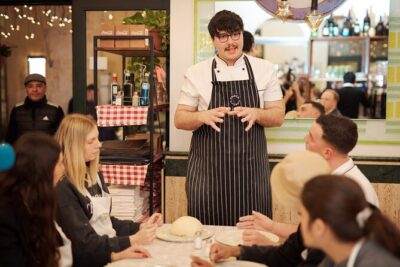
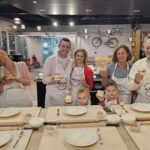
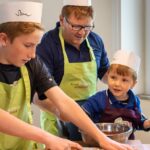
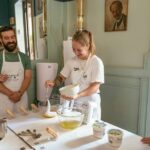
This isn’t a cooking class where you watch, clap, and leave. It’s a proper day in someone’s working kitchen, with you doing the work—chopping, mixing, shaping, and tasting as you go. The experience starts in Zagarolo, not the center of Rome, which matters. It shifts you from city mode into countryside mode fast.
You meet your host at the station and then you’re driven out between two valleys. That short ride changes the whole tone. The air feels different, and you stop thinking about schedules and start thinking about food. You’re still close enough to Rome to be practical, but far enough to feel like you’re getting a real slice of Lazio life.
The class is built around Italian Sunday lunch, which in Italy is more than lunch. It’s a moment. It’s slow enough to talk. It’s serious enough that people take pride in what’s on the table. Claudia’s approach treats the meal like a tradition you can participate in—not a theme you can consume.
You can also read our reviews of more tours and experiences in Rome.

Getting there: Termini to Zagarolo, then finding Bruno
Here’s the main logistics piece, and it’s worth getting right. You’re not meeting on a random street corner. You’re meeting at Zagarolo Station, and your guide is waiting there.
If you’re coming from Rome Termini, one listed option is train n. 12703 at 9:14, with about 25 minutes to reach Zagarolo. In the square outside the station, you’ll find Bruno with a gray car. Another listed usual train return is n. 12610 at 14:05 (also from Zagarolo, back toward Rome).
Two practical tips:
- Buy return tickets on trenitalia.it so you’re not stuck solving machine puzzles on arrival. The info says you don’t have to validate at the station.
- Give yourself buffer time. Even if everything runs smoothly, station meeting points can be a tiny bit chaotic at first—especially if you show up right on the minute.
Your transfer from Zagarolo Station to the chef’s house is included, so once you meet Bruno, the rest becomes easy.
Claudia’s kitchen: the Sunday lunch plan, from herbs to dessert
When you arrive at Claudia’s home, you’re stepping into a kitchen that clearly belongs to someone who loves food. The lessons aren’t generic “Italian cooking.” They’re tied to places, seasons, and ingredients that come from real local sources.
You may start with market or ingredient picking (the experience is described as going to the market before the house). In the kitchen, Claudia teaches you what ingredients are and why they behave the way they do. One nice touch from the experience details: you can pick fresh herbs from Claudia’s garden and learn how to recognize them by smell and use.
What you’re aiming to make is a classic Italian three-course meal, shaped as a Sunday lunch. The exact dishes can vary with the season, and you should expect that. In summertime, the menu can shift toward things like sorbet and ice cream. In winter, the focus can move toward specialties such as sfogliatelle and stuffed pasta.
That seasonal rotation is more than trivia. It helps you cook in a way that matches how Italians actually eat. When you go home, you won’t be chasing ingredients that aren’t in season. You’ll understand the logic.
Hands-on cooking: pasta by hand and Roman comfort food
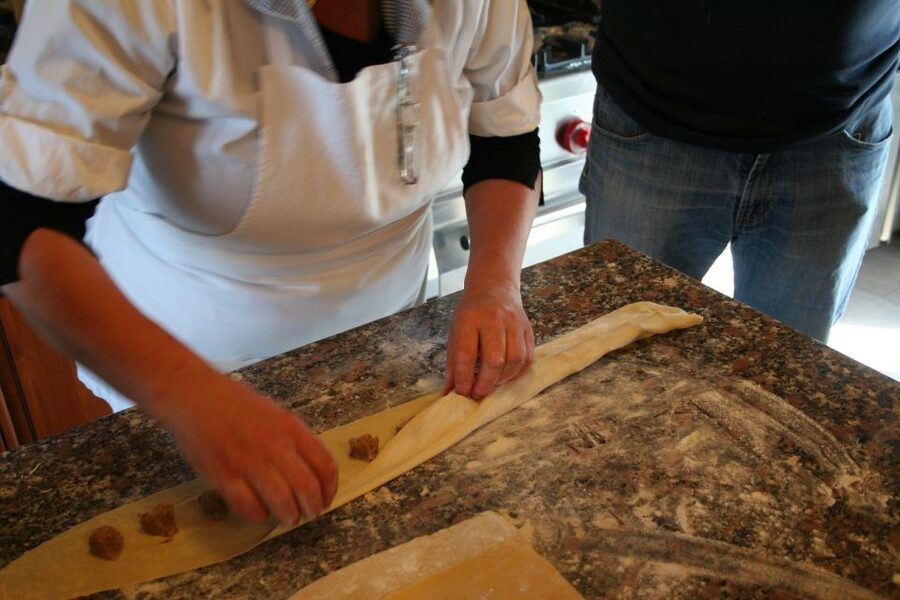
This is where the experience earns its money. You’re not just tasting; you’re building dishes step by step.
Star moves in the kitchen
You’ll likely rotate through several styles, including:
- Vegetable fritters or a savory strudel
- Bruschette with vegetables and cheese
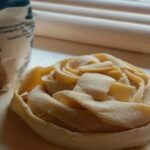
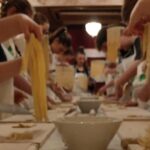
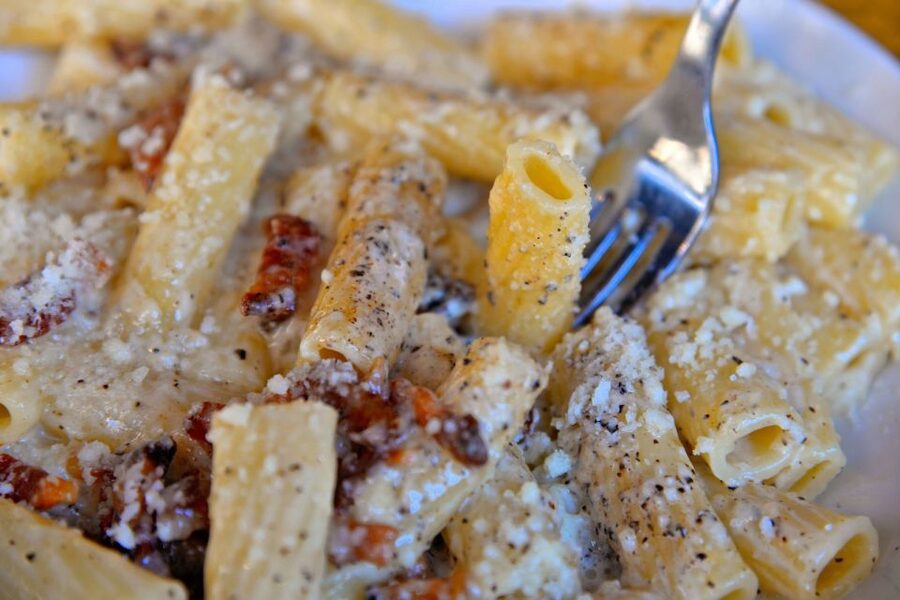
- Hand-made pasta—with flour from a local mill and eggs from a farmer
- A first-course option such as lasagne, ravioli, or fettuccine with its sauce
- A typical second-course choice like saltimbocca or rolls
- A vegetarian dish designed for non-meat preferences
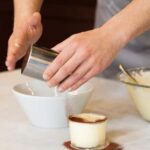
- A dessert like a parfait or a tart, made together
Not every date will create the exact same menu. But the structure stays consistent: you learn the technique, then you apply it right away. That’s what makes it feel like a real class instead of a filmed recipe demonstration.

Why you’ll remember the pasta lesson
Hand-made pasta isn’t hard in the way people fear. It’s hard in the way that rewards attention. You learn how the dough feels, how thickness changes cooking, and how sauce selection affects the whole plate.
And yes, the flour and eggs matter. The info says the flour comes from a local mill and the eggs are from a farmer. That’s not just a feel-good line—it explains why the pasta tastes like something you’d eat in Lazio, not like something you recreated from a packet.
Claudia is also described as teaching with a lot of clarity. If you ask questions, you’ll get real answers tied to the food.
The meal and the wine: where the view actually matters
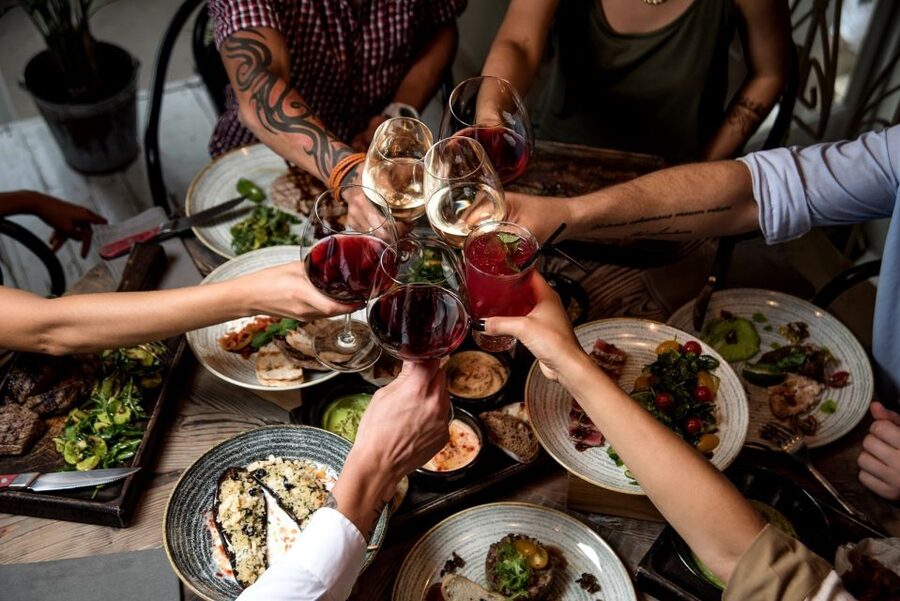
After cooking, you don’t “wrap up” and sprint away. You eat. The experience includes a sit-down meal as part of the class, with bottled water and alcoholic beverages included.
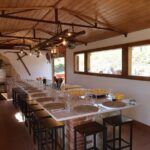
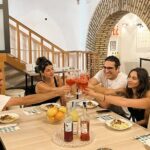
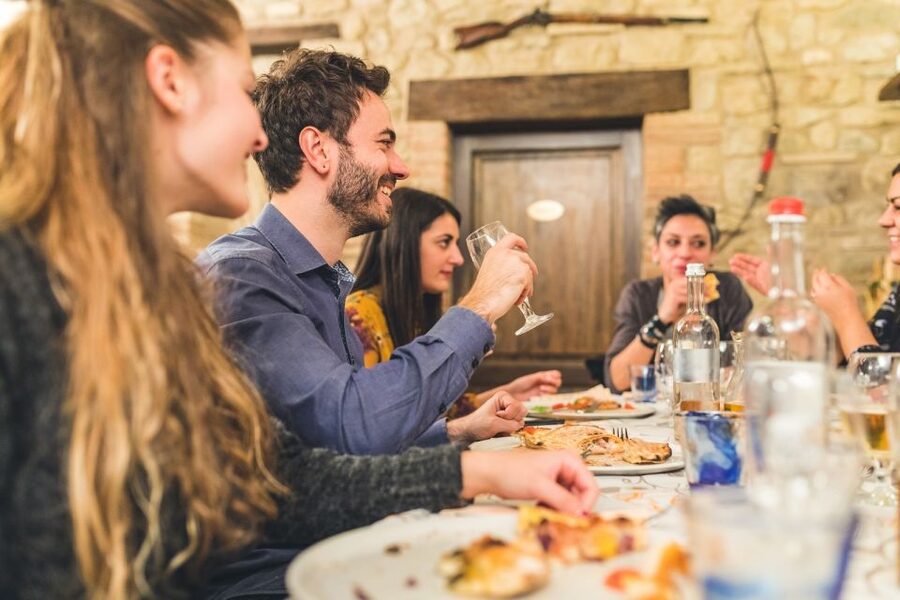
Where you eat can be outdoors or inside, and the setting is part of the appeal. The details describe eating in a romantic living room or out in the garden. In one account, the group enjoyed the meal outside under a pergola.
This is also when the atmosphere shifts from kitchen focus to people focus. You’re eating something you made with your hands, and that changes the flavor—not in a magical way. In a practical way. You pay attention. You taste for balance. You notice salt, acidity, and whether the pasta is cooked properly because you did it.
The homemade wine is served alongside the meal. This is one of those moments where you feel the hosts’ comfort with hosting, not their effort to impress. If you like food that tastes like care, this part lands.
Bruno’s hosting energy
Bruno isn’t just a driver. He’s part of the experience. One standout detail is that he can serenade you while you prepare the meal—singing and playing his keyboard. Even if you’re not a “music while cooking” person, it adds a human, playful energy that fits the countryside feel.
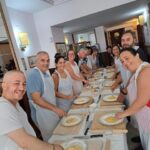
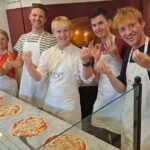
It’s a small-group setting, limited to 8 participants. That size keeps conversations flowing and helps you feel like you’re joining a day at the house—not passing through.
Price and value: does $112.15 make sense?
At $112.15 per person for about 3.5 hours, you’re paying for four things at once:
- Transport included (Zagarolo Station to the chef’s house and back)
- A true hands-on class with instruction while you cook
- A full three-course meal plus water and alcoholic beverages
- Recipes to take home, so you’re not leaving with only memories
Cooking classes in Europe can swing wildly in price. The best value ones combine real labor, a full meal, and a host who teaches you enough to reproduce part of it. This one fits that pattern. You’re getting an afternoon of work and then a full meal to enjoy immediately—plus the social side of eating together.
The small group matters here too. With only up to 8 people, you’re more likely to get individualized attention when you’re shaping pasta or adjusting seasoning. That’s harder to get in larger group formats.
So if your goal is tasting Rome by visiting a historic site, this isn’t that. But if your goal is understanding Italian food through a kitchen lesson and eating what you made in a real home, the value is strong.
Dietary needs and language: what to tell them up front
You can accommodate dietary restrictions when you notify in advance. That’s important because this type of class still requires ingredient planning and kitchen flexibility.
Language-wise, the host or greeter works in English and Italian. Even if your Italian is limited, you’ll have support, and the cooking itself is a visual language too. The format also helps: you’re doing the work while you learn.
If you’re a serious food lover who likes practical technique, you’ll likely get more out of this class than someone looking for a “quick photo and done” activity.
Who should book (and who might not)
I think this class fits best if you want:
- A small-group experience in a private home
- Real cooking work: hand-made pasta and multi-course assembly
- A meal that feels like Sunday lunch instead of a staged demo
- A countryside change of pace from central Rome
You might not love it if:
- You hate any travel time outside the city center
- You want a fully scripted, never-changing menu regardless of season
- You need very clear meeting-point guidance at the start (you’ll be fine, but you should arrive with a bit of patience)
As always, cooking classes are social by nature. If you get energized by talking while you cook and eat, you’ll feel right at home.
Should you book this Roman countryside cooking class?
If you want a memorable day in Lazio that mixes practical cooking with a real meal in a home setting, I’d book it. The combination of Claudia’s teaching, Bruno’s warm hospitality, and a full three-course lunch with homemade wine makes the experience feel worth the time.
Just do two things before you go: plan your train arrival to reach Zagarolo Station without stress, and tell the hosts about dietary needs early. After that, you can relax. You’ll spend the afternoon cooking, then you’ll eat like it’s Sunday—because, in Claudia’s kitchen, it basically is.
FAQ
Where is the meeting point?
You meet at Zagarolo Station, where the guide is waiting for you.
How do I get there from Rome Termini?
One listed option is train n. 12703 at 9:14 to Zagarolo (about 25 minutes). There’s also a usual return train listed as n. 12610 at 14:05.
How long is the cooking class?
The duration is 3.5 hours. Starting times depend on availability.
How many people are in the group?
It’s a small group limited to 8 participants.
What food and drinks are included?
You get a three-course meal (lunch or dinner), plus bottled water and alcoholic beverages.
Can dietary restrictions be accommodated?
Yes, dietary restrictions can be accommodated if you notify in advance.
What languages are spoken during the class?
The host or greeter speaks English and Italian.
If you want, tell me your travel dates and dietary needs, and I’ll help you pick the best train option and set expectations for what dishes you might see based on the season.