REVIEW · KYOTO
Private Cooking Class Udon in Kyoto Japan
Book on Viator →Operated by 創作料亭出雲 Kyoto Izumo · Bookable on Viator
Handmade udon in Kyoto is a hands-on throwback you’ll remember. You get a private class inside a 130-year-old renovated Japanese house (a real kyomachiya setting), taught by local Kyoto instructors who walk you through the steps and then help with the boiling so you can focus on the craft. I especially like the fact that you make the noodles yourself (no fake demo), and you eat your work right away with a full side of tempura.
A single possible drawback: the cooking portion is about 1 hour, but you’ll likely want to plan a longer block for the meal and lingering afterward, especially if you’re traveling with kids.
In This Review
- Key highlights at a glance
- A 130-year-old kyomachiya kitchen near Kyoto Station
- What you do during the handmade udon class
- Your instructors: Tanaka and Hisayu as examples
- After class: the udon meal and the tempura set
- Why this udon workshop feels more authentic than most
- Private and family-friendly: who should book this
- Price and value: what $60.43 really buys you
- How the 12:00 start fits into your Kyoto day
- Tips to get the most from your udon session
- Should you book this private udon cooking class in Kyoto?
- FAQ
- How long is the udon cooking class?
- Is this experience private?
- What’s included in the meal after the class?
- Do I need to make the tempura or boil the udon?
- Where do I meet for the activity?
- What time does the class start?
- How far is it from Kyoto Station and Nishi Honganji Temple?
- What is the cancellation policy?
Key highlights at a glance
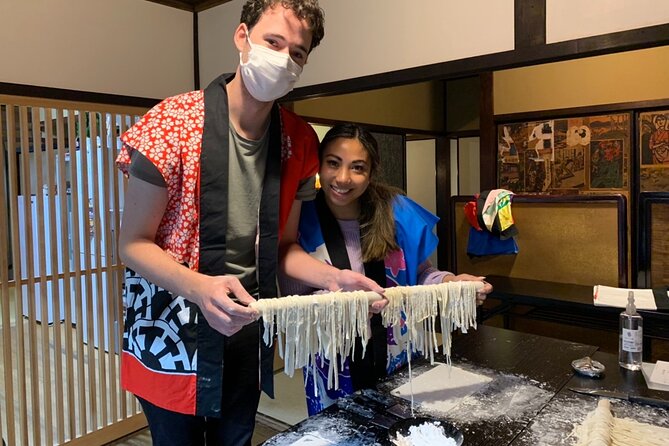
- 130-year-old kyomachiya classroom with antique furniture that feels like Kyoto 100+ years ago
- Private group setup so you’re not squeezed into a crowded class
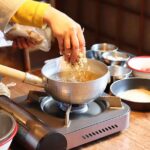
- Hands-on noodle making: saltwater, kneading/resting, stretching, and cutting
- No need to boil your udon since teachers handle the boiling for you
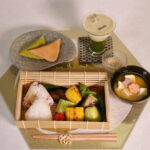
- Lunch is built in: the udon you make plus a separate tempura set
- Central meeting point near Nishi Honganji Temple and about a 12-minute walk from Kyoto Station
A 130-year-old kyomachiya kitchen near Kyoto Station
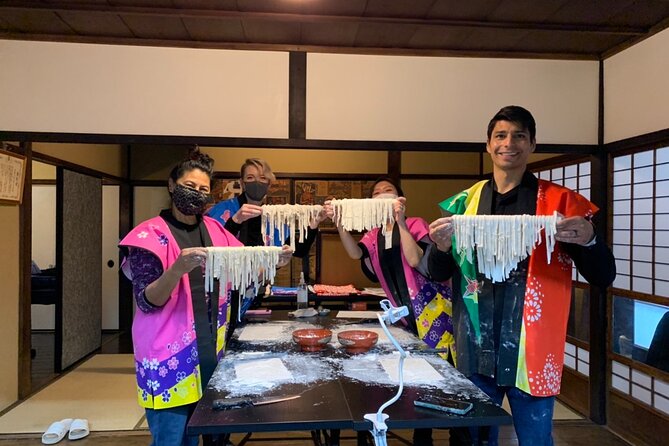
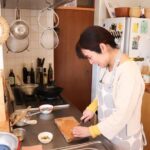
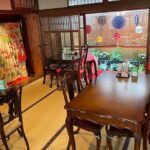
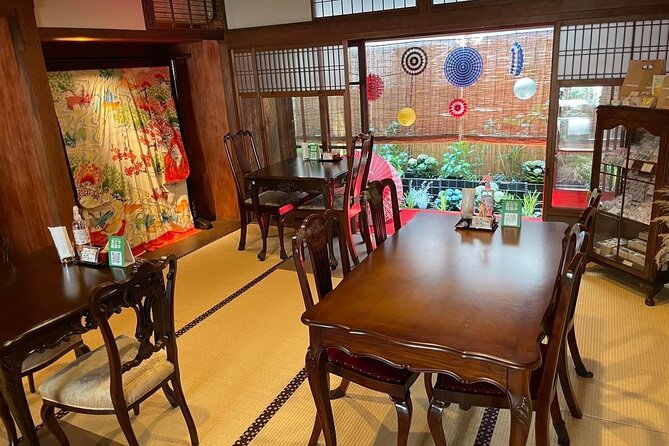
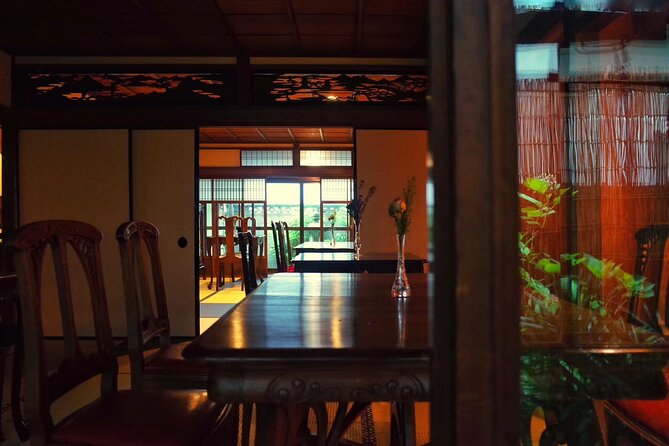
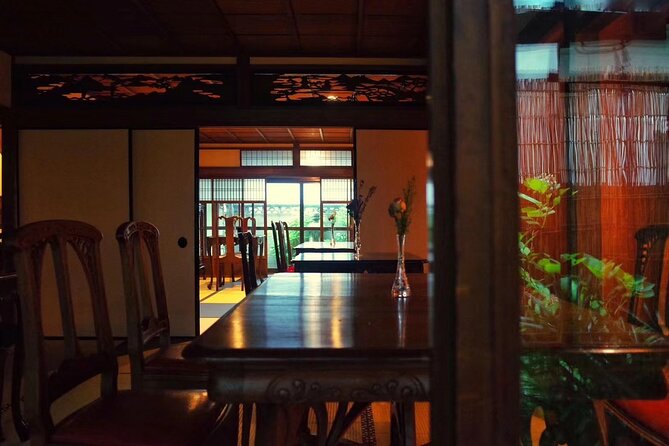
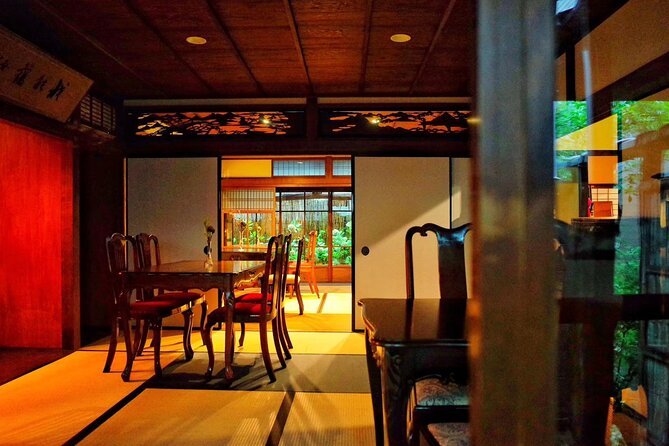
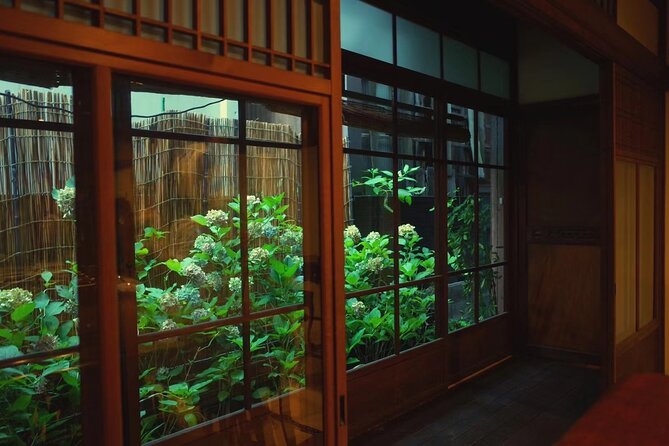
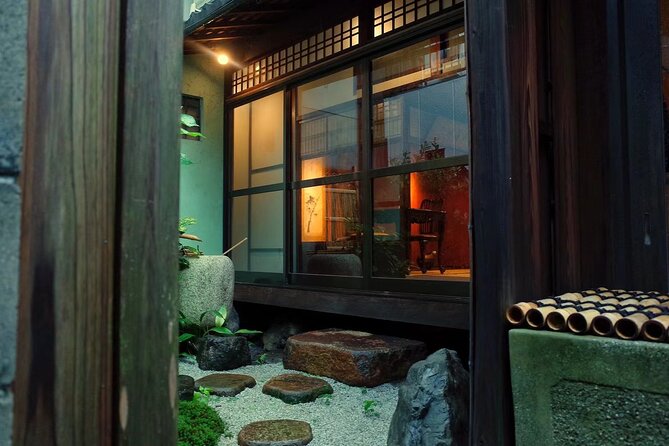
Kyoto has plenty of cooking experiences. This one starts with a setting that already tells you the lesson matters. Your classroom is in a traditional Japanese house that’s been around for roughly 130 years, thoughtfully renovated for visitors. Inside, you’ll see antique furniture and old artifacts, with the room styled and run in a way that makes the whole experience feel more like learning in a real home than lining up for a show.
Location helps too. The meeting point is in Shimogyo Ward, a short walk from Kyoto Station and very close to Nishi Honganji Temple. That makes it easy to pair with your morning or early afternoon plans, without turning your day into a logistics puzzle.
One more detail I appreciate: the instructors are local to Kyoto. That matters because you’re not just learning how to make noodles—you’re getting explanations that sound like someone from the city, not a rehearsed script.
You can also read our reviews of more tours and experiences in Kyoto.
What you do during the handmade udon class
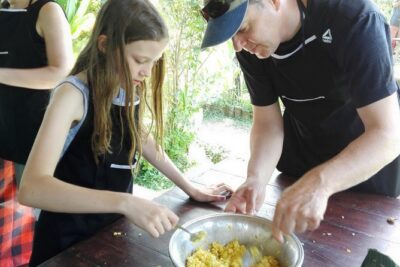
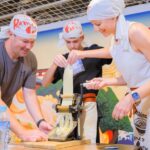
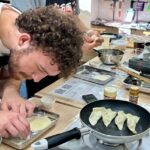
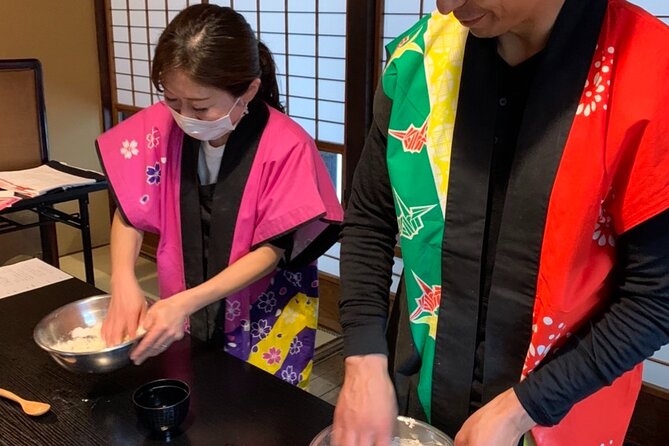
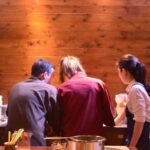
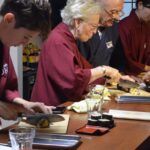
The class is built around a step-by-step udon process, with clear instruction and hands-on participation. Even better, the structure is friendly for families because the parts you do are doable, and the high-heat, time-sensitive work is handled by the staff.
Here’s the flow you can expect, in plain terms:
- Making saltwater
You start with the seasoning liquid that helps guide the dough. This is the point where you’ll see udon isn’t just dumping flour into water. Ratios and texture start here.
- Rinse the water
This is part of the method that helps you avoid a gritty result. You’re learning what the dough needs before it ever becomes noodles.
- Kneading and resting (the class calls for letting the dough mature)
In udon-making, time matters as much as technique. You’ll work the dough, then the process includes a resting period so the flour hydrates and the texture becomes stretchy instead of stiff.
- Stretch the dough
This is where the experience becomes physical and fun. You’re shaping the dough so it will cut cleanly into noodles.
- Knife cut
Cutting is one of those moments where you’ll realize why udon looks the way it does. The thickness and consistency are what make the noodles chew properly later.
- Boiling happens with teacher support
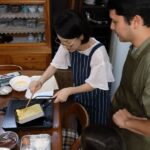
You don’t need to run the pot. Teachers boil the noodles and handle the timing, so you’re not stressed about heat, water level, or whether the noodles are ready.
The class duration is about 1 hour, and you’ll be guided throughout in English. In real-world terms, the experience is paced so you stay involved: you aren’t stuck watching. Many people also end up chatting and asking questions after the structured timing is done.
Your instructors: Tanaka and Hisayu as examples
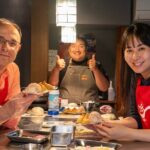
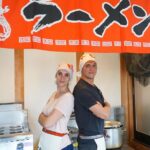
You might be taught by Tanaka San, who comes across as upbeat, patient, and very encouraging—especially with kids. Another instructor that’s been mentioned is Hisayu, also described as fun and friendly. You won’t be left to guess; the teaching style is interactive, and you’re meant to succeed at making noodles you can recognize as udon.
After class: the udon meal and the tempura set
Making noodles is the main event, but the meal is what turns the lesson into a complete Kyoto experience.
After your cooking session, you relax and eat the udon you made. The experience includes:
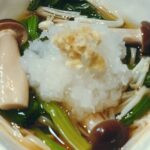
- Your handmade udon, served warm after boiling
- Tempura vegetables in a separate set
- Dashi dipping broth (so you can taste udon the way it’s meant to be tasted)
You also get common finishing touches like grated ginger and minced green onion, which help balance the dashi and make the noodles taste more layered than just plain broth.
A key detail: the class does not require you to make the tempura or the broth yourself. That’s a smart design choice. You get real technique practice with the noodles, while the meal portion stays enjoyable rather than turning into a full-day kitchen marathon.
This matters for your trip planning. The meal is basically part of the experience, not an optional add-on. If you schedule this around lunch, you can keep the rest of your day simple.
Why this udon workshop feels more authentic than most
Plenty of food tours end with a plate. This one tries to teach you the underlying method—then you eat what you learned.
A few reasons it feels more authentic in practice:
- You handle the core dough work.
Saltwater, kneading/resting, stretching, cutting—these are the real building blocks. You’re not just rolling your sleeves up for a photo.
- Teacher help removes the hardest part.
Boiling and timing are where beginners get stuck. By taking that off your plate, the lesson becomes successful fast. You leave feeling like you could make it again.
- The setting supports the story.
A 100+ year-old house with antique pieces and traditional music isn’t decoration fluff. It sets the tone that you’re learning a domestic craft, not consuming a branded activity.
If you care about depth, you’ll also appreciate that the class includes context about udon—people mention learning where udon originated (with a note that it has roots in China), plus some of the dish’s background alongside the technique.

Private and family-friendly: who should book this
This works especially well for families, mixed-age groups, and anyone who likes learning by doing.
Why families tend to love it:
- You can participate without needing advanced cooking skills.
- The boiling part is handled by the staff, so kids can focus on the hands-on steps they can actually do well.
- The class is paced so everyone can feel useful, from younger kids to adults.
It’s also a great fit for:
- Couples who want a quieter, more personal experience than a big group workshop
- Anyone staying near Kyoto Station or Nishi Honganji who wants something that doesn’t require long transit time
- Travelers who like eating what they cook, right away, while the lesson is still fresh
If you prefer highly scripted dining experiences with zero hands-on work, this probably won’t be your best match. The point here is work with your hands.
Price and value: what $60.43 really buys you
At $60.43 per person, this sits in the “activity with food” zone, not the cheap side of Kyoto. But the value comes from three practical things:
- It’s private.
You’re not sharing your table space, teacher attention, or equipment with strangers.
- You get a real noodle-making lesson.
Many workshops spend most of the time watching. Here, the key steps are yours.
- Lunch is included.
You eat the results of your work plus tempura and dipping broth, so you’re not paying extra to find food nearby right after.
It’s also worth thinking about your day’s cost trade-off. If you’d otherwise pay for lunch and a separate “activity,” combining them into one ticket can feel like a better deal. Especially if you’re traveling with kids, where a structured, hands-on hour can replace a longer search for entertainment.
How the 12:00 start fits into your Kyoto day
The start time is 12:00 pm and the experience ends back at the meeting point. Plan around that.
Because the class is about an hour, it works nicely as:
- Your lunch activity
- A mid-day reset if you’ve already done an early morning temple run
- A break before an afternoon stroll in central Kyoto
Also keep in mind that the experience doesn’t always feel like a strict 60-minute appointment. People mention time extending after the meal, especially when families hang around to chat or ask questions. So I’d build in a comfortable couple-hour window.
Getting there is straightforward. You’re close to public transport, and if you’re arriving from Kyoto Station, it’s an easy walk at roughly 12 minutes. If you’re already sightseeing near Nishi Honganji Temple, you’ll be nearby within minutes.
Tips to get the most from your udon session
You don’t need special gear, but a few choices can make the experience smoother:
- Wear comfortable clothes and shoes you don’t mind getting a little flour on. Aprons are part of the setup, but flour is flour.
- Expect to get hands-on during stretching and cutting. If you’re bringing kids, tell them it’s a washable kind of mess.
- Ask your teacher about the noodle thickness while you’re cutting. That’s where you learn the small difference that affects how the noodles feel later.
- If you want to repeat the recipe at home, pay attention to the steps and ask for the recipe details if they provide them. People say they left with enough guidance to make it again.
Finally, lean into the conversation. Teachers like Tanaka San (and Hisayu, if you get them) are described as friendly and encouraging, and the class history context makes it more than just a cooking mechanic lesson.
Should you book this private udon cooking class in Kyoto?
I’d book it if you want a cooking activity that feels grounded, not performative. You’ll make udon noodles yourself, then eat them for lunch, in a traditional kyomachiya space near Kyoto Station and Nishi Honganji. The private format is a big part of the value, and the boiling support keeps the experience fun instead of stressful.
Skip it if you want a hands-off food experience or you’re looking for something that’s mostly about scenery and walking. This is about technique and doing, then eating your results.
If your goal is a Kyoto memory you can recreate at home—plus a meal that actually tastes like what you worked for—this one is a strong pick.
FAQ
How long is the udon cooking class?
The class is about 1 hour (approx.). You’ll also have time to eat the udon afterward.
Is this experience private?
Yes. It’s a private tour/activity, and only your group participates.
What’s included in the meal after the class?
After the class, you can eat the udon you made, along with a separate tempura set.
Do I need to make the tempura or boil the udon?
No. The class focuses on making the udon noodles, and teachers handle boiling. A separate tempura set is provided for the meal.
Where do I meet for the activity?
The meeting point is at 364 Momijichō, Shimogyo Ward, Kyoto, 600-8345, Japan. The experience ends back at the meeting point.
What time does the class start?
Start time is 12:00 pm.
How far is it from Kyoto Station and Nishi Honganji Temple?
It’s about a 12-minute walk from Kyoto Station and about a 2-minute walk from Nishi Honganji Temple.
What is the cancellation policy?
Free cancellation is available up to 24 hours in advance for a full refund. If you cancel less than 24 hours before the start time, the amount paid is not refunded. If canceled due to poor weather, you’ll be offered a different date or a full refund.