REVIEW · KYOTO
Kyoto: Ramen, Gyoza, and Onigiri Cooking Class
Book on GetYourGuide →Operated by Friendship Adventures Co., ltd · Bookable on GetYourGuide
Ramen is easier than you think. This Kyoto cooking class is built around learning the stuff that usually stays hidden behind restaurant walls: ramen broth and the hands-on tricks that make gyoza actually look right. In 90 minutes, you work with an English-speaking team, cook as you go, and leave with recipes you can use at home.
What I like most is that they focus on repeatable technique (not just eating ramen) and keep things small, so you’re not yelling across a crowd. One big consideration: this isn’t a flexible menu. They can do Regular or Vegetarian (pork swapped for tofu), but they can’t handle vegan, gluten-free, or other special diets, so you’ll need to fit their plan.
In This Review
- Kyoto Ramen, Gyoza, and Onigiri in 90 Minutes: The Real Goal
- Where You Start: Honoring Ramen Before the Noodles
- What Makes the Broth Lesson Practical
- The Toppings Moment: Simple, Not Random
- Gyoza Wrapping: Where You Actually Learn the Shape
- Pancakes and dumplings have one thing in common
- Onigiri Skills: Rice Balls That Don’t Fall Apart
- The Menu Reality Check: Regular vs Vegetarian
- If you’re vegetarian
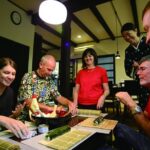
- The Classroom Setup: Small Group, English Support, Real Station Flow
- Will you feel lost?
- Finding the Place in Kyoto (Without Stress)
- What to bring
- Price and Value: What $90 Buys You Here
- Who This Cooking Class Is Best For
- Who should skip it
- Should You Book This Kyoto Class?
- FAQ
- What dishes are included in this Kyoto cooking class?
- Do they teach how to make the ramen broth from scratch?
- Can I get vegan or gluten-free options?
- Is there a vegetarian option?
- How long is the class?
- How big is the group?
- Is the class taught in English?
- Where is the meeting point in Kyoto?
- What should I wear or bring?
- Who can participate?
Kyoto Ramen, Gyoza, and Onigiri in 90 Minutes: The Real Goal
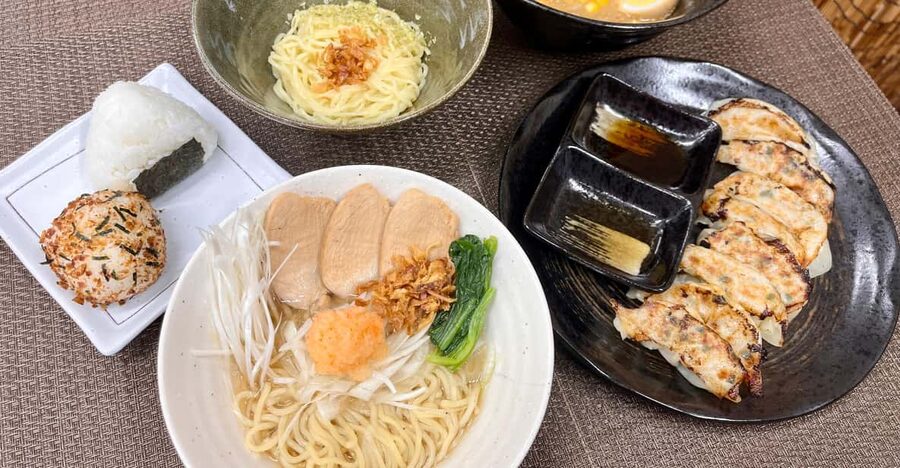
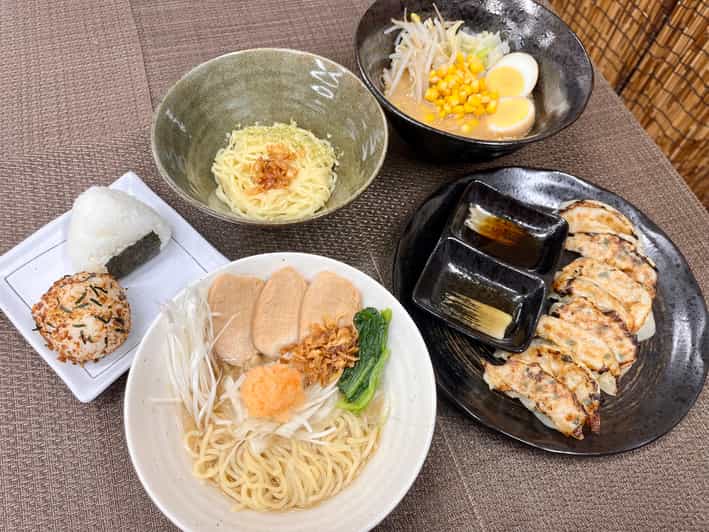
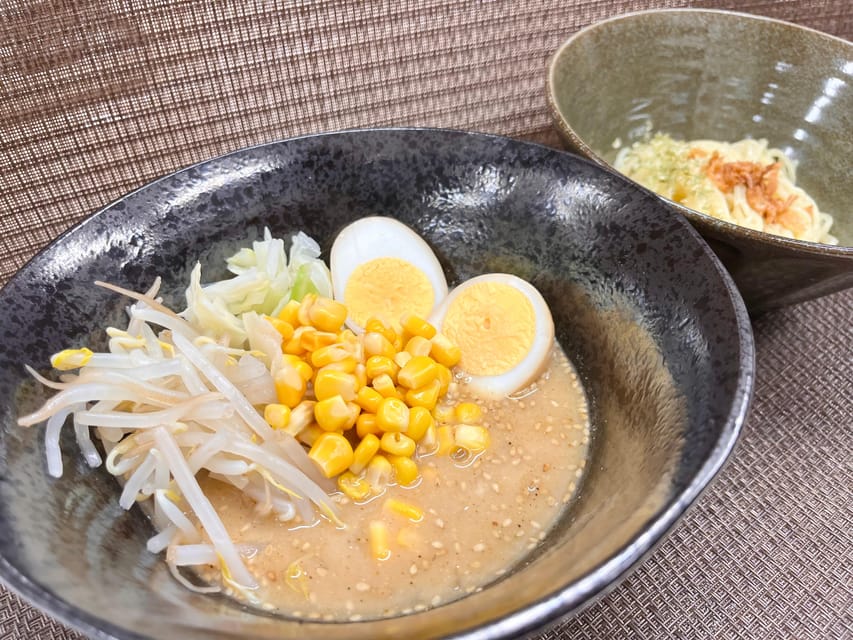
This class is for people who want more than a fun evening out. The point is to take Kyoto favorites—miso ramen, shoyu ramen, gyoza, and onigiri—and translate them into a home-cook version.
Here’s the key idea: ramen can be easy or impossible depending on whether you know the broth foundation. This class is built for that. You also get actual gyoza wrapping practice, not just assembly vibes. And onigiri is treated like a skill too—shape, texture, and seasoning matter when you want rice balls that hold together and taste intentional.
The group size is capped at 8, which matters more than it sounds. When stations are busy and portions are fast, small groups keep the flow smooth and instructions clear.
Where You Start: Honoring Ramen Before the Noodles
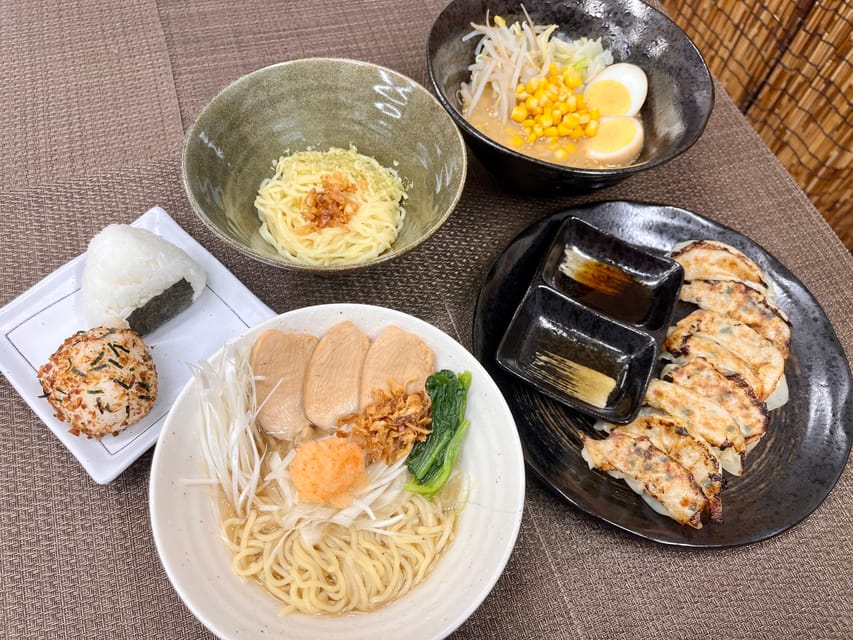
In this class, you do not make noodles. That’s not a downside if you’re there for the broth lesson—the part that most people can’t figure out. You’ll learn how to prepare flavorful ramen broth using ingredients and seasonings you can find at home.
You’ll work with two ramen styles:
- Miso ramen (with toppings like boiled egg, bean sprouts, green onions, sweet corn)
- Shoyu ramen (with toppings like chicken, bamboo shoots, and green vegetables)
A smart detail here is how they think about toppings. The toppings shouldn’t bulldoze the soup. Their approach is simple toppings—mostly vegetables—because the broth already carries the heavy lifting. That balance is something you can use in your own cooking later. Even if your kitchen doesn’t look like theirs, you’ll know what not to overdo.
You can also read our reviews of more tours and experiences in Kyoto.
What Makes the Broth Lesson Practical
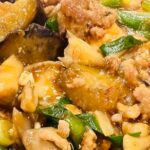
From the ingredient list, you can see they’re aiming for flavor layers you can rebuild: soy sauce, miso, garlic, ginger, sesame oil, mirin, and—depending on the recipe—pork lard, butter, and grounded pork. There’s also oyster sauce, fish powder, chicken stock powder, and chili oil in the mix.
Why that matters for you: these aren’t exotic moves. They’re common pantry items in many Japanese cooking setups. The class teaches you how they fit together, so you’re not left with a vague idea like ramen tastes good.
The Toppings Moment: Simple, Not Random
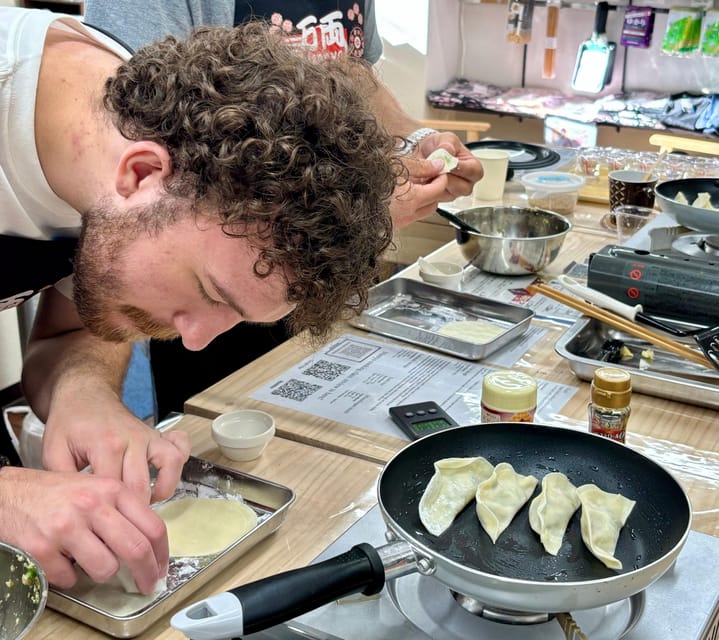
You’re not just cooking broth and calling it done. You also assemble typical ramen toppings that match the soup style.
The class uses straightforward topping choices—boiled egg, sprouts, onions, corn for miso; chicken, bamboo shoots, and greens for shoyu. The lesson is basically: don’t fight your broth. Let it lead.
This is one of those “small” teaching points that makes ramen at home much better. When you keep toppings mild and balanced, the soup tastes like ramen instead of like a hot bowl of random add-ons.
Gyoza Wrapping: Where You Actually Learn the Shape
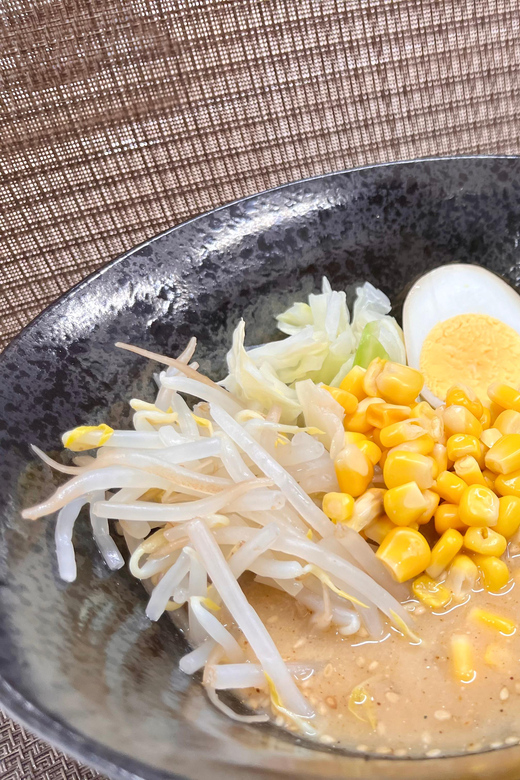
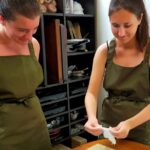
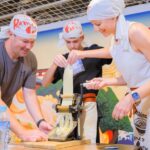
If ramen is the foundation, gyoza is the confidence builder. The class aims for full mastery of gyoza wrapping—especially the fold and seal. That’s the part that changes everything at home: if the seal fails, your filling leaks, and your dumpling loses its structure.
You’ll learn:
- the gyoza filling (the balance of meat, vegetables, and seasonings)
- how to portion so you’re not fighting too much filling
- how to wrap for the ideal shape
- how to seal properly so they hold together
The ingredient list points to typical building blocks: ground pork, cabbage, chives, onion, garlic, ginger, soy sauce, salt and pepper, cooking sake, and sesame oil. Chili oil shows up too, which can hint at a spicy edge if it’s in your flavor set.
Pancakes and dumplings have one thing in common
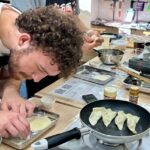
Heat control and timing matter. The good news is that in a class setting, you get feedback fast—either from instructors or from the way your gyoza behaves in the pan. That’s how you learn the difference between “kind of folded” and “clean, tight dumpling.”

Onigiri Skills: Rice Balls That Don’t Fall Apart
Onigiri sounds simple until you try it. Then you realize rice needs the right tack, the right handling, and a filling that’s strong enough to stay put.
In this class, you’ll learn how to make perfectly shaped onigiri. The idea is that onigiri is an everyday snack—easy lunch replacement, portable comfort food. And because it’s quick once you know the technique, it’s one of the most “use-it-forever” skills you can take from Japan.
You’ll stuff the rice balls with variety fillings and flavors. The class doesn’t describe every option in the details provided, but it does emphasize technique for shaping and proper seasoning.
A practical payoff: onigiri is one of those foods you can make when you want Japanese-style lunch without eating out. Once you can shape them reliably, you’ll actually do it instead of just thinking about it.
The Menu Reality Check: Regular vs Vegetarian
Here’s the honest part. The class runs two menu options:
- Regular Menu
- Vegetarian Menu (only pork is replaced with tofu; other ingredients remain the same)
They cannot accommodate:
- Vegan
- Pescatarian
- Gluten-free
- Any other special diets
That’s important because ramen and gyoza naturally involve ingredients that can conflict with dietary restrictions. The broth itself includes items like soy sauce, miso, chicken stock powder, fish powder, and oyster sauce in the ingredient list. So if you need strict dietary control, you’ll be better off booking a class that explicitly supports your needs.
If you’re vegetarian
The tofu swap is straightforward. Just know it’s not a full vegetarian rework—other ingredients stay the same—so check how comfortable you are with everything else in the recipe.
The Classroom Setup: Small Group, English Support, Real Station Flow
The class is set up at B1 of Life Building, and it’s located one street off the main street. That matters because Kyoto has plenty of confusing alleys and entrances, and this one isn’t always obvious at first glance.
You also get:
- English-speaking instructors
- all cooking ingredients and equipment
- the food you make
- recipes for ramen and gyoza
- free coffee and tea
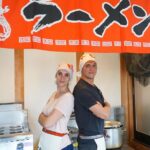
In the reviews, I kept seeing the names Nori and Kairi tied to patient, clear teaching. Other helpers like Aoi and Ayuna show up too, which fits the idea of a team running multiple stations smoothly. One of the strongest themes is how organized the kitchen feels—ingredients are portioned and the steps are explained in a way that moves quickly without feeling chaotic.
Will you feel lost?
If you can cook by yourself without extra hands during the process, you’ll fit right in. The class notes that participants must be 13 and able to cook on their own without stuff help. That’s not just a rule for fun—it affects how fast stations run.
Finding the Place in Kyoto (Without Stress)
Location details are pretty specific, but Kyoto rewards planning.
Meeting point:
- B1 of Life Building
- It’s not on the main street; it’s one street down.
If you’re arriving by taxi, get off in front of:
- Family Mart at Sanjo Keihan
It’s about a 2-minute walk from there.
They also suggest searching Google Maps for:
- Manryo cooking class
One useful tip from past participants: aim to arrive around 10 minutes early. It gives you time to locate the entrance and settle your jacket before you’re handed an apron and told to get cooking.
What to bring
- Comfortable shoes
- Comfortable clothes
You’re moving between stations and standing while folding dumplings and shaping rice. Your feet will thank you if your shoes can handle real kitchen time.
Price and Value: What $90 Buys You Here
At $90 per person for 90 minutes, this sits in the “you’re paying for instruction” category, not the “cheap snack making” category. The good news is that this class justifies the price in several ways.
You’re getting:
- real cooking time (not a demo you watch)
- ingredients and equipment included
- the full food outcome (you eat what you make)
- recipes for ramen and gyoza
- English-speaking instruction in a small group (max 8)
Value is about transfer—can you recreate it later? Ramen broth technique and gyoza wrapping translate directly into repeatable meals at home. Onigiri adds the quick, portable win.
And if you’re the kind of person who likes Japanese cooking beyond sushi rolls, this is a good “skill upgrade” day. You’ll probably spend more than $90 in one meal if you do Kyoto dining back-to-back, especially if you add drinks.
The drawback to the value equation is the dietary limitation. If your diet doesn’t match their menu, you’re not just losing convenience—you’re losing the ability to participate at all. In that case, the $90 isn’t “worth it,” because it may not be an option for you.
Who This Cooking Class Is Best For
This class is a strong fit if you:
- want ramen broth technique you can repeat at home
- enjoy hands-on cooking and don’t mind a fast, guided pace
- care about getting the dumpling fold and seal right
- want lunch/snack skills you’ll actually use (onigiri)
It’s also a good choice for couples and small groups because the size stays intimate. In the past, many people highlighted how the small group keeps attention focused and makes it easier to ask questions without waiting.
Who should skip it
You should look elsewhere if you:
- need vegan, gluten-free, pescatarian, or other special-diet support
- use a wheelchair (not suitable)
- have had recent surgeries (not suitable)
- are traveling with kids under the official age guidance (not suitable for children under 12, and participants must be 13 and able to cook independently)
Should You Book This Kyoto Class?
My take: book it if you want take-home skills in ramen broth, gyoza wrapping, and onigiri shaping—and you don’t need special dietary accommodations. The structure is built for home cooking success: broth first, then dumplings, then rice balls you can use for lunches.
Skip it if your diet rules are strict or if you need accessibility support. Also, if you’re the kind of eater who wants a calm, slow-paced experience, remember this is a 90-minute class that moves. You’ll come hungry and you’ll leave satisfied—with the recipes and technique to try again later.
If your goal is to cook Kyoto food at home with less guesswork, this class is a solid use of your Kyoto time.
FAQ
What dishes are included in this Kyoto cooking class?
You’ll make ramen broth, gyoza, and onigiri. The class focuses on the broth (you do not make noodles), plus gyoza filling and wrapping, and shaping rice balls.
Do they teach how to make the ramen broth from scratch?
Yes. The class teaches how to prepare the ramen broth using ingredients and seasonings you can get at home, including miso and shoyu styles.
Can I get vegan or gluten-free options?
No. The class cannot accommodate vegan, pescatarian, gluten-free, or other special diets.
Is there a vegetarian option?
Yes. The Vegetarian Menu replaces pork with tofu, while other ingredients remain the same.
How long is the class?
The duration is 90 minutes.
How big is the group?
It’s a small group with a maximum of 8 participants.
Is the class taught in English?
Yes. The instructor and support are English-speaking.
Where is the meeting point in Kyoto?
The classroom is located at B1 of Life Building. It is one street down from the main street.
What should I wear or bring?
Wear comfortable shoes and comfortable clothes. Coffee and tea are included, and all ingredients and equipment are provided.
Who can participate?
Children under 12 are not suitable. The class also requires participants to be 13 and able to cook by themselves without assistance. It’s not suitable for wheelchair users or people with recent surgeries.
You Might Also Enjoy
 Mojo Workshop Cooking Class in Ancient Canarian Village
 Morning Thai cooking class
 Oaxaca: Traditional Oaxacan Cooking Class with Market Visit
 Xiao Long Bao, Chicken vermicelli with mushroom and sesame oil, Tofu strips salad, Bubble milk tea. Taiwan Traditional Delicacies Experience-A (Taipei Cooking Class)