REVIEW · HOI AN
Hoi An Eco & Cooking Class
Book on Viator →Operated by Hoi An Eco Cooking Tour · Bookable on Viator
Hoi An can taste like a whole afternoon adventure. This 5-hour outing blends a market stop, a bamboo basket boat through the Bay Mau nipa palm forest, and then a cooking class using what you bought. It is part food lesson, part local-water experience, and part real-life storytelling.
What I like most is how the day stays practical. You start with how people shop at the market, then you cook with those exact ingredients, so the cooking class feels earned. And the hands-on fishing portion is not a photo op; you actually learn nets, techniques, and how locals work the water in the Cẩm Thanh area.
One thing to consider: you will be outdoors for the boat and fishing parts, so rain or sun both matter. Bring a light rain layer and plan to get a bit wet if the river is choppy.
In This Review
- Key highlights worth marking on your map
- From Villa Hoa Vừng to the market: why the day starts on land
- Riding into Bay Mau nipa palms on a bamboo basket boat
- The Cua Dai river transfer: a quick taste of how the region connects
- Fishing with local nets: catching fish and purple crabs
- Palm-leaf souvenirs: making something from the place you rode through
- War stories in the fishing village: context without a lecture
- The cooking class: market ingredients become your real meal
- Lunch or dinner after class: why the meal feels better here
- Price and value: $25 for a full day of food, water, and stories
- Logistics you should plan for: timing, getting there, and what to pack
- Who should book this Hoi An Eco & Cooking Class
- Should you book it: my take on making the call
- FAQ
- What is the duration of the Hoi An Eco & Cooking Class?
- Do I get pickup in Hoi An?
- Where does the tour start and end?
- Is a mobile ticket used?
- What’s included in the price?
- What is not included?
- How big is the group?
- Is the cooking lesson included, or is it only for fishing?
- What’s the cancellation policy?
Key highlights worth marking on your map
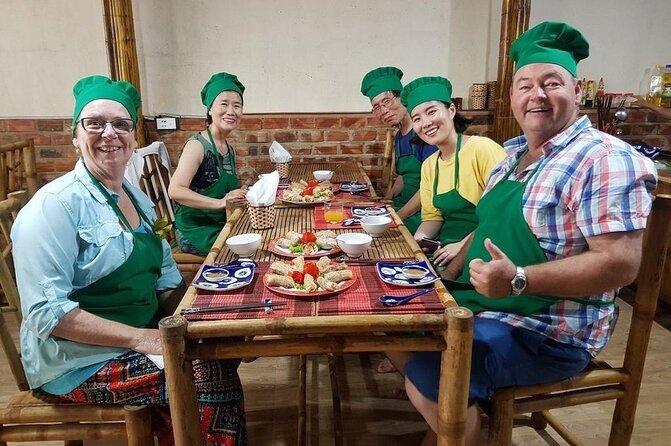
- Market-to-pan cooking: Buy ingredients with your guide, then cook with them later.
- Bay Mau nipa palm basket boat: Glide through coconut-water palms on a small local-style ride.
- Hands-on fishing & crabs: Learn local nets and try catching fish and purple crabs.
- Palm-leaf souvenir making: Make keepsakes from the same natural materials you ride through.
- Vietnamese–American war stories: Hear true, interesting context woven into the day.
- Small group energy (max 10): Easier questions and more time with the hosts.
From Villa Hoa Vừng to the market: why the day starts on land
Your day starts at Villa Hoa Vừng (Bartonia Villa) in Cẩm Thanh, with pickup offered from Hoi An ancient town. After meeting your guide, the first big move is heading to a local market. This matters more than it sounds.
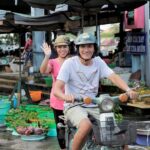
Markets in Hoi An are where you see what people actually buy for everyday cooking. You learn how local people purchase products, and you pick up ingredients that will later become part of your meal. Even if you think you already know Vietnamese flavors, watching the way vendors display, sort, and price ingredients helps you understand what makes a dish taste right: fresh herbs, the right aromatics, and the balance of ingredients that do not need guesswork.
Practical tip: markets can be lively and a bit crowded. Wear comfortable shoes you can walk in for a while, and keep small cash or your normal payment method handy just in case your guide wants to explain something on the spot.
You can also read our reviews of more tours and experiences in Hoi An.
Riding into Bay Mau nipa palms on a bamboo basket boat
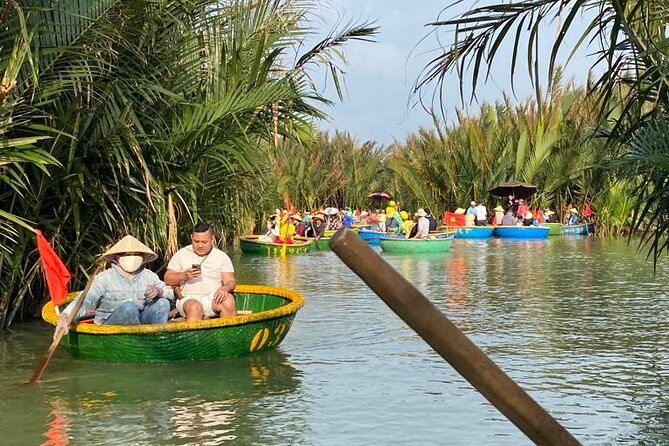
After the market, you transfer toward the fishing village area by car, passing rice paddy fields along the way. Then you head up toward the Cua Dai river and on to the Bay Mau nipa (water coconut palm) grove. The setting is different from the old town streets. The air feels cooler near the water, and the pace slows down fast.
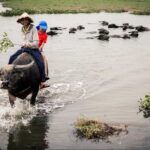
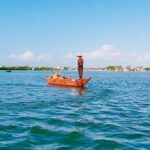
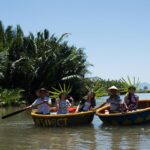
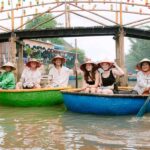
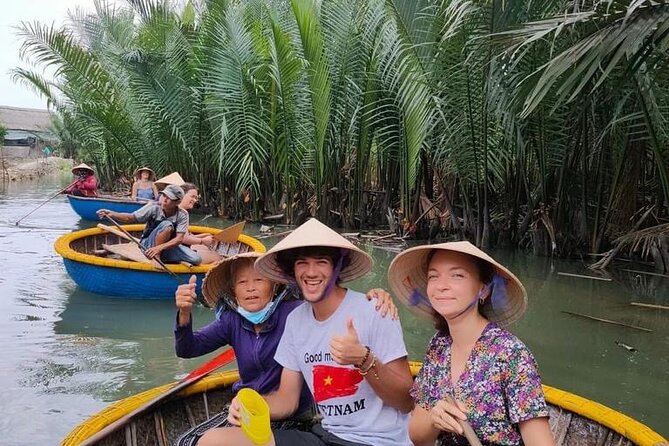
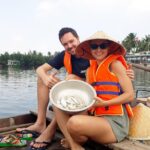
The highlight here is the bamboo basket boat trip with local fishermen through the nipa palm forest. This is where Hoi An’s “water palms” really come alive. The boats slide into narrow channels, and you get a close look at how the palms grow right over and around the water.
What you get from this stop goes beyond scenery. You also learn the daily rhythm of the fishermen and what the grove means to them. It is a living workspace, not a staged attraction.
If you are the kind of person who enjoys understanding local livelihoods, this is a strong start. You are not just watching boats; you are learning why the boats matter.
The Cua Dai river transfer: a quick taste of how the region connects
The route by car between Hoi An and the fishing areas is part sightseeing, part context. Passing rice paddies shows how much of this region is about growing food and managing water. Then the move up toward the Cua Dai river makes the geography click.
This transfer is also a sanity saver. Instead of trying to get yourself to multiple places on foot, you get carried from the old town rhythm into a rural river rhythm, with your guide handling the timing and direction.
One small drawback: transfers can mean you are in a vehicle for part of the time, so this tour is best if you feel comfortable with short rides between activities. If you hate being in transit, you may still find it worthwhile, but you will feel the “moving day” side of the itinerary.
Fishing with local nets: catching fish and purple crabs
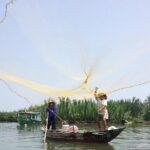
Once you reach the nipa palm grove area, you join local fishermen for the hands-on fishing experience. You do not just sit there. You learn and share fishing experience, and you try catching fish and purple crabs using unique fishing nets.
This is one of the most praised parts of the experience, and it makes sense. It is physical enough to feel real, but not so intense that it becomes hard work for most people. And because local fishermen are there, you are learning techniques that grew out of necessity and experience, not a classroom demonstration.
You may also end up picking up small practical tips you can use later when you watch fishing elsewhere. Even simple things like how nets are handled and how fishermen read the water surface can teach you more than watching fish swim.
Practical consideration: this part can get messy and damp. If you are picky about clean shoes, plan to wear something you do not mind getting wet.
Palm-leaf souvenirs: making something from the place you rode through
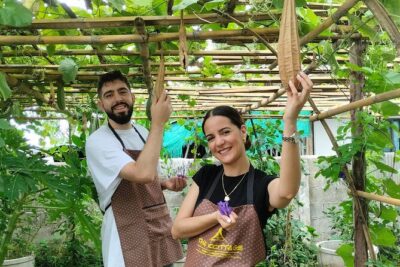
During the fishing and grove experience, there is time to make souvenirs using palm leaves. This is not a complicated craft workshop, and that is a good thing. It gives you a tactile souvenir tied directly to the nipa palms, rather than something bought elsewhere with little connection to the day.
If you like travel that leaves you with a story you can tell later, these palm-leaf pieces help. They are small, but they point back to the hands-on moments: the nets, the palms, and the fishermen’s daily routine.
This is also a nice break from the physical side of the day. After trying fishing techniques, you get to slow down and make something with your hands while the group regroups.
War stories in the fishing village: context without a lecture
One part of the day that adds depth is learning about the Vietnamese–American war, including interesting and true stories from the war time. The important thing is that it is presented as part of the local experience, not a detached history class.
This section works best if you are open to a human scale of history. Instead of memorizing dates, you hear how events shaped lives in the places you are visiting. It also helps explain why certain communities rebuilt and adapted the way they did.
Balance matters here. This tour does not try to overwhelm you. It adds context to the setting, which makes the whole day feel more grounded.
If you are traveling with family or friends, this storytelling time can be a good chance to ask questions, since you are in a smaller group setting.
The cooking class: market ingredients become your real meal
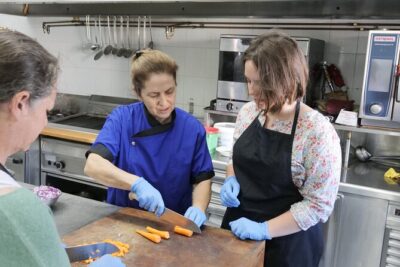
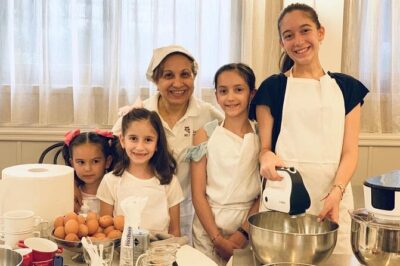
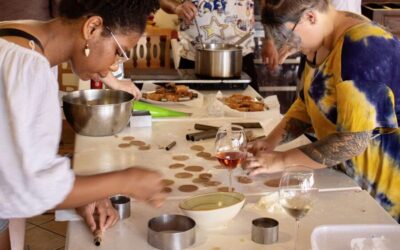
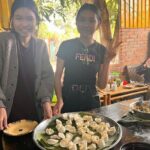
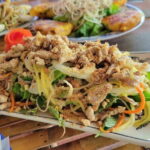
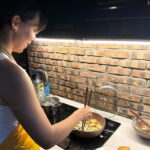
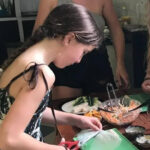
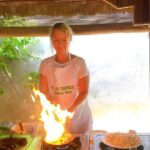
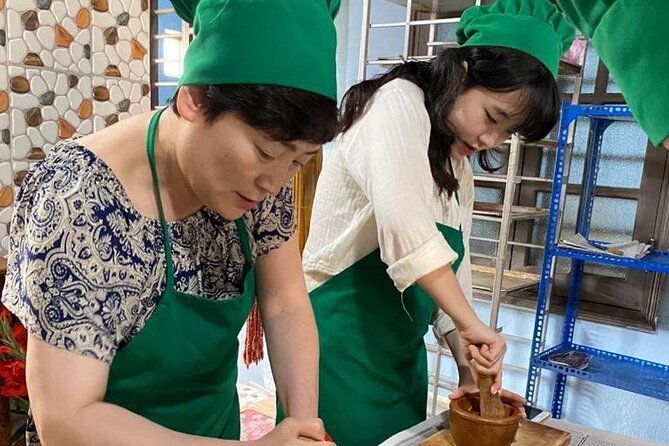
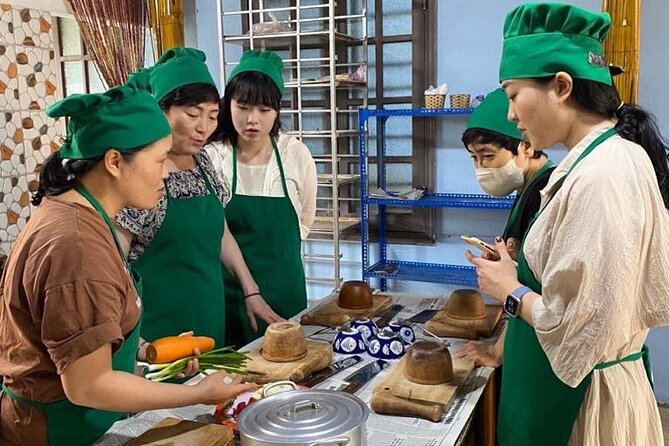
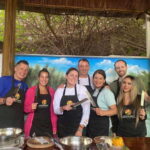
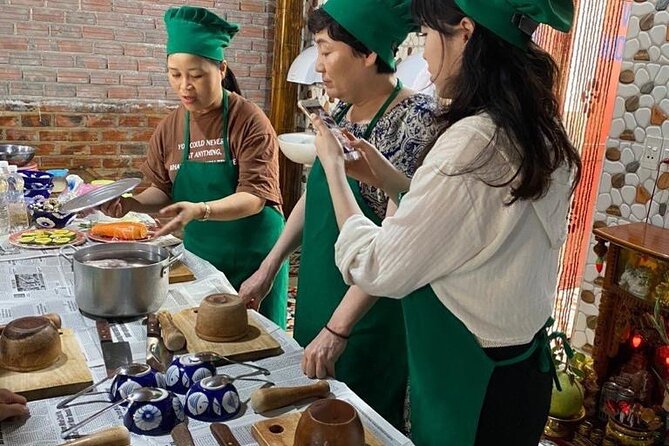
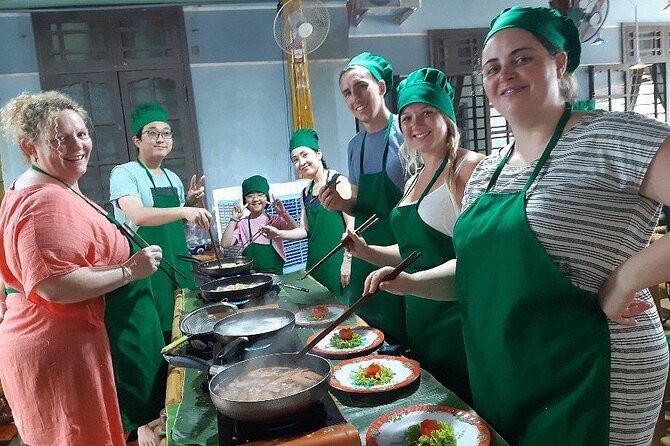
After the water and fishing stops, the day shifts to the part food lovers care about most: the cooking lesson. The ingredients you bought at the market feed directly into the dishes you learn to make, which makes the class feel logical and connected.
In reviews, the cooking instruction gets major praise for being fun, engaging, and clear. A standout theme is that the hosts explain steps well, with excellent English skills mentioned in particular. You also learn preparation and ingredient usage, not just which button to press in a kitchen.
What I would call the real value here is transferability. If you cook these dishes again later at home, you will understand the core flavors and how they come together because you started with the ingredients and the shopping logic.
Also, the recipe book you receive helps you keep it. It is one of those “you will be glad later” inclusions. Even if you only remember a few key techniques, the notes make the class worth repeating.
Lunch or dinner after class: why the meal feels better here
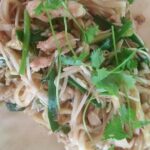
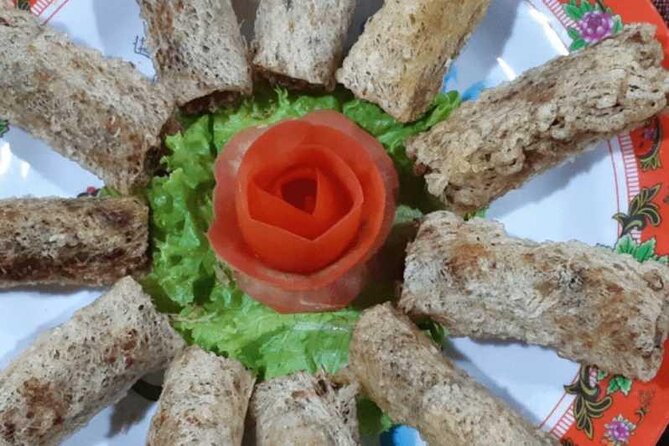
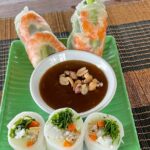
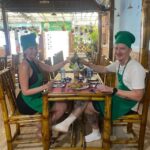
After cooking, you enjoy a delicious lunch or dinner. The meal is not a random add-on. Because you prepared the dishes, you eat with a different level of understanding.
This is exactly why these multi-activity food tours are often better than a straight cooking class. You taste what you made, but you also know where the ingredients came from and why they mattered in the market. That combination is what makes the food memorable.
And because the tour includes meals, you avoid the awkward question of where to eat next. In Hoi An old town, that can turn into a lot of effort and decision fatigue. Here, the meal is timed with the cooking, so you can stay focused on the experience.
Note: alcoholic beverages are not included.
Price and value: $25 for a full day of food, water, and stories
At $25 per person, this tour is priced low for how much you get. For a roughly 5-hour experience, you are combining several categories that normally cost more separately: market visit, bamboo basket boat ride, hands-on fishing attempt, palm-leaf souvenir making, a cooking class, and meals. You also get a recipe book and all ingredients.
That is the core value equation. You are not paying just for a kitchen. You are paying for a full local workflow: how people shop, how they fish, and how they cook.
Two more value signals from how it is run:
- Maximum group size is capped at 10, which usually means more interaction and less “stand in line” time.
- Pickup is offered, which cuts down on the hassle of coordinating transport in and around Hoi An ancient town.
If you are trying to balance budget with meaningful activities, this is one of the better ways to do it without feeling like you sacrificed quality.
Logistics you should plan for: timing, getting there, and what to pack
The tour lasts about 5 hours. It ends back at the meeting point, and pickup means you can keep your travel day simpler.
Here is what to plan around:
- You are outdoors for the boat and fishing portion.
- You will likely handle palm leaves and be near water.
- The market stop may involve walking.
So pack for comfort, not perfection. Comfortable shoes, a hat, sun protection, and a light rain layer are smart. If you have a towel or change of clothes, that can help, but you do not need to overthink it.
If you are sensitive to weather swings, treat the outdoor parts as the main variable. Rain can change how slippery paths feel or how muddy the water gets, even if the hosts keep things running smoothly.
Who should book this Hoi An Eco & Cooking Class
This tour is a great match if you want:
- A cooking class with real context, starting at a market
- A hands-on experience in the nipa palm area around Bay Mau
- Local storytelling mixed into the day, including Vietnamese–American war context
- A smaller group setup so questions and instruction feel easier
It is also a good option for food-first travelers who do not want a long, exhausting day. Five hours keeps it manageable, and the included meals mean you can keep your budget tight.
If you hate anything hands-on, this might feel a bit active for you. But if you are curious, even a light participation level will still connect you to how the fishermen do their work and how the cooks put ingredients together.
Should you book it: my take on making the call
Yes, I think you should book it if you want a low-cost way to combine three things Hoi An is known for: food, the water-world near Cẩm Thanh, and stories tied to real local life. The standout strengths are the market-to-cooking flow and the hands-on fishing in the nipa palm grove.
Skip it if you mainly want to wander old town streets with minimal movement, or if you are very uncomfortable being outdoors near water. In that case, a lighter walking tour might fit better.
If you are deciding between staying “just eating” or getting a fuller day, this one leans toward the fuller day, in a way that still feels organized and value-heavy.
FAQ
What is the duration of the Hoi An Eco & Cooking Class?
It lasts about 5 hours.
Do I get pickup in Hoi An?
Pickup is offered. You meet at Villa Hoa Vừng (Bartonia Villa) and can also be picked up from the hotel lobby in Hoi An ancient town.
Where does the tour start and end?
It starts at Villa Hoa Vừng (Bartonia Villa) in Cẩm Thanh and ends back at the meeting point.
Is a mobile ticket used?
Yes, a mobile ticket is provided.
What’s included in the price?
The price includes lunch and dinner, a recipe book, and all ingredients.
What is not included?
Alcoholic beverages are not included.
How big is the group?
The tour has a maximum of 10 travelers.
Is the cooking lesson included, or is it only for fishing?
A cooking lesson is included in the experience.
What’s the cancellation policy?
Free cancellation is available. You can cancel up to 24 hours in advance for a full refund, but cancellations within 24 hours are not refunded.