REVIEW · POKHARA
MoMo or Dal Bhat Cooking Class at Aama Kitchen in Pokhara
Book on GetYourGuide →Operated by Crystal Holidays Adventure Pvt Ltd · Bookable on GetYourGuide
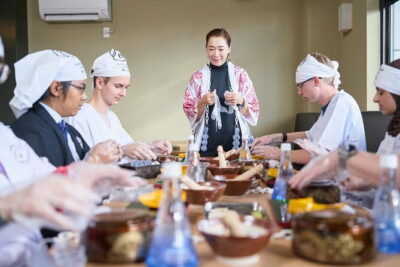
Momo lessons happen in a real Pokhara home. At Aama Kitchen, you’ll learn momos or dal bhat from the family head (Aama) in a homely kitchen, with a short drive from the Lakeside area to get you into the right mood. It’s practical cooking instruction, not a restaurant performance, and the whole setup feels welcoming from the start.
I especially like the step-by-step teaching style. You work hands-on, ask questions, and get patient help with the parts that feel tricky, like folding dumplings or balancing a pot of lentils with the right sides. The second thing I like is how much you learn beyond the dish itself, from spice and curry basics to how vegetables and flavors fit into everyday Nepalese cooking.
One thing to consider: this is real cooking in a family apartment, so it involves spice work and active prep. Also, it is not suitable for people with food allergies.
In This Review
- Key things to know before you cook
- Entering a family kitchen in Pokhara (not a classroom)
- Momo or dal bhat: the 3-hour cooking plan
- Pickup from Lakeside to Aama’s home: timing and comfort
- Inside the homely apartment kitchen
- The teaching style that makes it click: questions, patience, spices
- What you actually eat and why it feels different
- Price and value: what $28 covers in real terms
- Who should book this cooking class (and who shouldn’t)
- Practical tips so you enjoy the 3 hours
- Is this tour run by Crystal Holidays Adventure?
- FAQ
- Can I choose momo or dal bhat when booking?
- How long is the cooking class?
- Where does the class start?
- What’s included in the price?
- What languages are used during the class?
- Is the class wheelchair accessible?
- Do I need to bring anything special?
- Is luggage allowed?
- Is it suitable for people with food allergies?
- Should you book Aama Kitchen’s momo or dal bhat class?
Key things to know before you cook
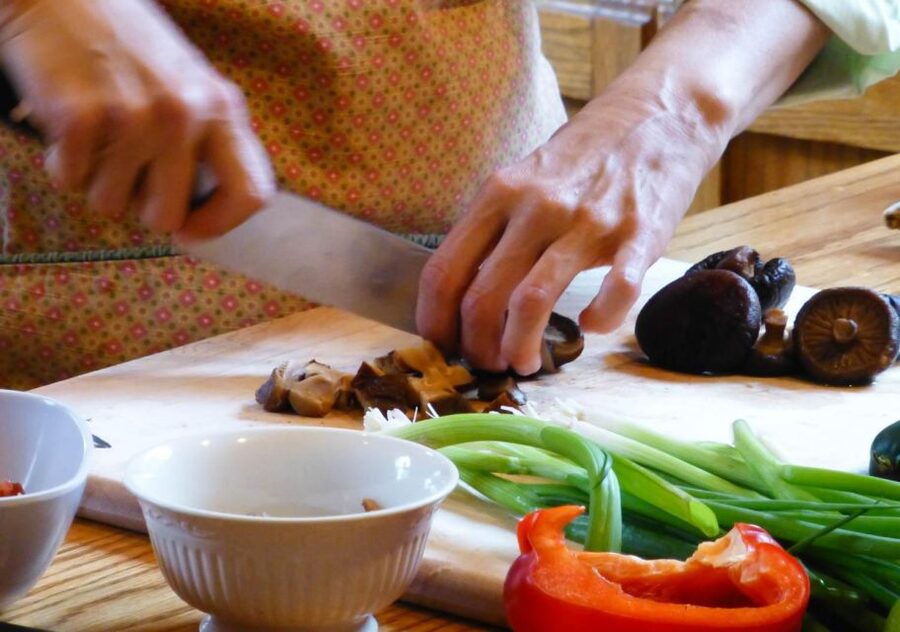
- Real home-kitchen setting: You cook in a family apartment atmosphere, not a staged demo.
- Choose your dish ahead of time: Book for momo or dal bhat and follow the class plan around that choice.
- Pickup and private group: Round-trip transfer is included within Pokhara Lakeside, and you’ll be in a private group setup.
- Learn spices and sides: Expect guidance on spices, curries, and the vegetables that go with the main dish.
- Recipes to take home: You leave with a recipe so you can repeat the results later.
- English and Hindi instruction: The instructor supports English and Hindi, with a Q&A time built in.
Entering a family kitchen in Pokhara (not a classroom)
This class is built around the simplest idea: if you want Nepalese food to make sense, you should cook it while someone explains what matters. You’ll be picked up from your hotel within the Lakeside area of Pokhara, then driven about 25 minutes to Aama Kitchen’s home. Once you arrive, the tone shifts from tourist mode to kitchen mode fast.
You’re not just watching from a distance. You’re working at the same pace as the lesson, surrounded by everyday home cooking rhythms. That matters in a place like Pokhara, where it’s easy to snack your way through Nepal without ever learning how the meals come together.
You can also read our reviews of more tours and experiences in Pokhara.

Momo or dal bhat: the 3-hour cooking plan
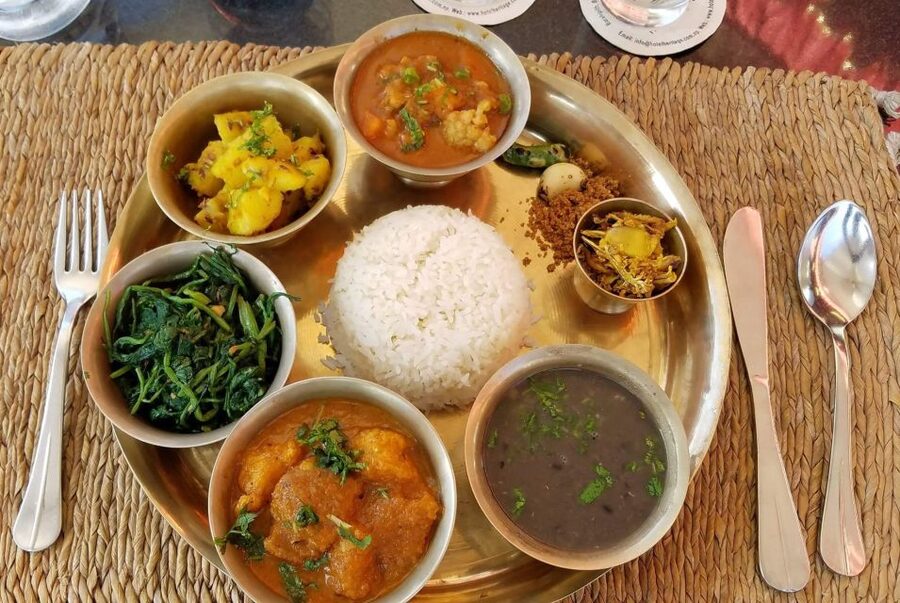
You choose your focus at booking: either momo (Nepali dumplings) or dal bhat (lentils with rice and classic sides). The class runs about 3 hours, and you’ll follow step-by-step guidance in that time frame.
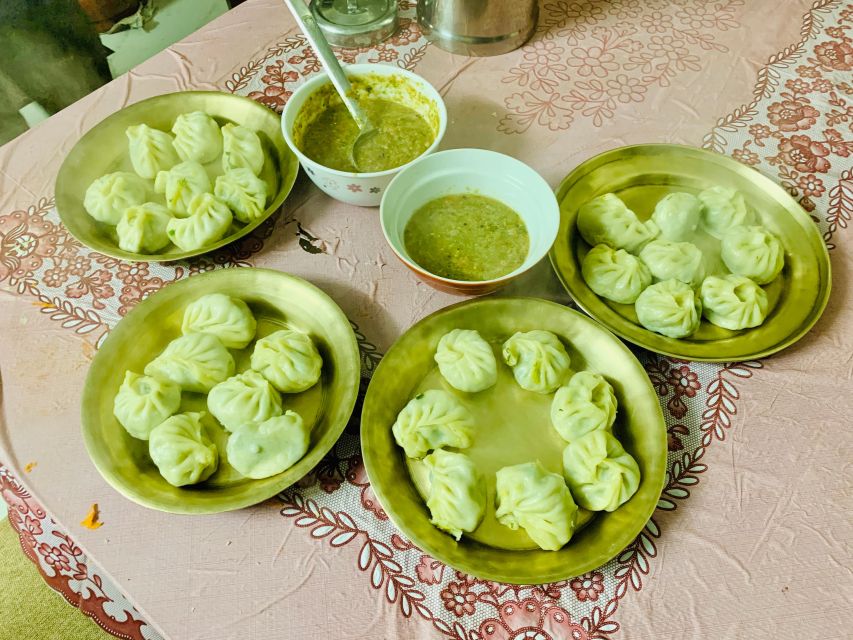
With momo, the key learning is technique. You’ll practice how the dumpling dough comes together and how to assemble the dumplings properly, including the folding. If your folds look rough at first, that’s normal. The teaching style is patient, and the goal is that you leave understanding what you did and why it works.
With dal bhat, you’ll learn the components that make the meal feel complete. Expect instruction on lentils and the sides that typically accompany dal bhat in Nepalese home cooking. The focus stays practical: get the flavors balanced, understand spices and curries, and know how the vegetables fit into the overall plate.
At the end, you don’t just eat and leave. You get to take the recipe home, so the experience can turn into a repeat meal, not a one-off memory.
Pickup from Lakeside to Aama’s home: timing and comfort
The class includes round-trip transfer from your hotel within the Lakeside area. You’ll want to be ready in the hotel lobby about 10 minutes before your pickup time, since the driver is coming for you on schedule.
The ride is short, around 25 minutes each way, so you’re not spending your day in transit. The included transport is also a major plus here: a high share of past participants scored the transport performance at the top level. That usually means fewer stress points, like waiting around or getting route surprises.
This is also a private group experience, which tends to make the pace feel more natural. If you learn better by asking questions (or you get stuck on one step), you won’t feel squeezed by a big group dynamic.
Inside the homely apartment kitchen
Aama Kitchen’s kitchen setup is described as homely and family-based. That’s part of the appeal, but it also changes your expectations. This isn’t a slick, hotel-style environment. It’s a working kitchen inside a family apartment, which means you should plan to get involved.
Bring comfortable shoes and comfortable clothes. Even if the mess is modest, you’ll be working with ingredients and active cooking tasks. Also note the rule: luggage or large bags are not allowed, so pack lightly for this half-day experience.
If you’re sensitive to strong spice smells or you want a totally hands-off food experience, you might find this style less comfortable. But if you like rolling up your sleeves and learning by doing, the homely setup works in your favor.
The teaching style that makes it click: questions, patience, spices
The heart of the class is Aama herself, the family head who leads the instruction. You’ll also learn from other household members involved in the cooking process. Names like Shanta and Sadaha appear as cooking leads in different sessions, so if you meet someone with one of those names, that’s likely part of the instruction team.
The teaching style is step-by-step and Q&A friendly. You’ll have time to clarify doubts, and the pace is designed for you to actually understand the method rather than memorize steps. That includes the parts that are easy to mess up, like dumpling folding for momos.
One of the best learning benefits here is spice context. You don’t just add spices; you get explanations around spices, curries, and how vegetables show up in Nepalese cooking. If you’re the type who wants to understand flavor logic, you’ll appreciate this.
And if your dates overlap with local festival season, you might also get small cultural touches. One class during October festival time included a brief moment with a tika and a small ceremony connected to Hindu celebrations. It’s not guaranteed, but it’s the kind of “food plus culture” moment that can make the class feel more personal.
What you actually eat and why it feels different
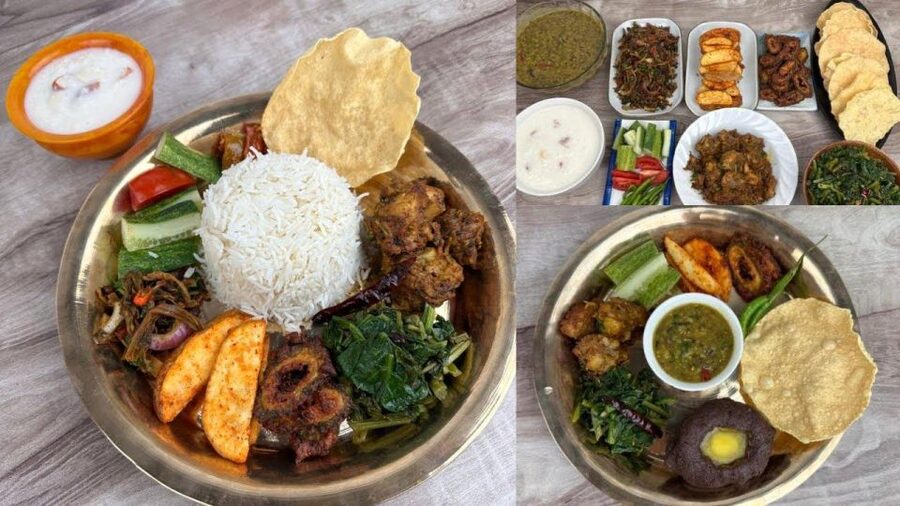
The class is about making a dish and then tasting it as a result of your own work. That usually makes the flavors feel sharper, because you know what you added and when. For momo, that means you’ll get dumplings that reflect your folds and your assembly choices. For dal bhat, you’ll eat the lentils and sides that you built up through the cooking steps.
A big part of the enjoyment is the food quality coming from a home kitchen. Cooking facilities are kept clean, and the finished meal tends to be described as some of the best Nepalese food people eat during a trip. When the meal tastes like it belongs to a family table, you naturally start thinking about how you can recreate it.
The takeaway is not just a recipe sheet. It’s a sense of proportion and balance that helps you cook confidently later.
Price and value: what $28 covers in real terms
At $28 per person for a 3-hour, hands-on class, this can be good value in Pokhara, mostly because the cost isn’t just for the cooking lesson.
You’re getting:
- Round-trip pickup and drop-off within the Lakeside area
- All ingredients and cooking equipment
- A family head led instruction (Aama) and household cooking guidance
- A Q&A portion so you can learn the why, not only the how
- A recipe you can take home to repeat later
Many cooking classes charge similar prices but leave out major parts like convenient transport or full ingredient sourcing. Here, the class setup is designed to be easy to join even if you have zero Nepalese cooking background.
If you want maximum value, book the dish you’re most curious about. If you’ve been eating momos all over Pokhara but never understood the technique, choosing momo is the fastest way to connect taste with method.
Who should book this cooking class (and who shouldn’t)
This experience is a great fit if you want:
- A hands-on food lesson in a home-kitchen setting
- A chance to ask questions during cooking, not only after
- A cultural moment tied directly to what people cook and eat every day
- A meal you can recreate at home using the recipe you take away
It’s also a good option for solo cooks because it’s a private group format. You’re not stuck in a loud, chaotic crowd while trying to learn technique. The home setting also tends to make it easier to feel at ease and ask for help when something doesn’t work on the first attempt.
It’s not a good fit if you have food allergies. The class involves cooking activities with multiple ingredients and spice mixes, and the data provided says it isn’t suitable for people with allergies.
Practical tips so you enjoy the 3 hours
Keep it simple and you’ll be fine:
- Wear comfy clothes for active cooking work.
- Wear comfortable shoes for moving around a home kitchen area.
- Don’t bring large bags or luggage, since luggage isn’t allowed.
- If you want the best experience, pick either momo or dal bhat based on what you actually want to learn, not just what sounds fun.
- Be ready with questions in the moment, especially when it comes to spices and technique.
Also, arrive a few minutes early for pickup. Those small timing wins help you settle into the class without rushing.
Is this tour run by Crystal Holidays Adventure?
The activity provider is Crystal Holidays Adventure Pvt Ltd. That’s the team arranging the experience and transport, including the Lakeside hotel pickup and drop-off. If you like knowing who’s behind the logistics, this setup is clearly organized around a single provider handling the day’s flow.
FAQ
Can I choose momo or dal bhat when booking?
Yes. You choose momo or dal bhat at the time of booking by selecting your option in the comment.
How long is the cooking class?
The class runs for 3 hours.
Where does the class start?
Pickup is included from your hotel within the Lakeside area of Pokhara, then you travel about 25 minutes to the family home kitchen.
What’s included in the price?
You get round-trip transfer (within Lakeside), hands-on guidance, all ingredients and cooking equipment, instruction from the family head (Aama), and a Q&A session.
What languages are used during the class?
Instruction is available in English and Hindi.
Is the class wheelchair accessible?
Yes, it is listed as wheelchair accessible.
Do I need to bring anything special?
Wear comfortable shoes and comfortable clothes. Ingredients and equipment are provided.
Is luggage allowed?
No. Luggage or large bags are not allowed.
Is it suitable for people with food allergies?
No. It is not suitable for people with food allergies.
Should you book Aama Kitchen’s momo or dal bhat class?
If you want a Pokhara food experience that goes past tasting, I’d book it. The best part isn’t only the final plate. It’s the way you learn technique in a real home kitchen with Aama leading the session, plus the built-in chance to ask questions and understand spices and sides.
Skip it if you have food allergies or if you hate hands-on cooking. But if you’re curious about Nepalese flavors and you like learning by doing, this is a solid, value-packed class at $28 that leaves you with a recipe you can actually use at home.