REVIEW · KYOTO
Kyoto: Ramen Cooking Class at a Ramen Factory with Souvenir
Book on GetYourGuide →Operated by Factory Alliance · Bookable on GetYourGuide
Making ramen in Kyoto is surprisingly simple. What makes this class special is that you go beyond tasting: you build noodles from flour and customize the bowl with miso, salt, and soy flavors.
I also like the pace. You get a full workflow in 90 minutes, and you leave with a take-home plan via a recipe email. One possible drawback: you do need to arrive ready to work with dough and hot soup, so it is not the best pick if you want a very hands-off activity.
In This Review
- Key highlights at a glance
- Finding the Ramen Factory Kyoto School Near Demachiyanagi
- What the 90-Minute Chef Course Really Covers
- From Flour to Noodles: The Work That Makes It Worth It
- Sauce Blending in Miso, Salt, and Soy (And Why You Should Care)
- Assembling Your Bowl and Eating It Right Away
- Recipe by Email: The Best Take-Home Part
- Souvenirs: What You Can Choose Before You Go
- Price and Value: Is $127 Fair for a Kyoto Ramen Class?
- Who This Class Is Best For (And Who Might Skip It)
- Dietary needs
- Quick Tips for a Smoother Class Day
- Should You Book This Kyoto Ramen Cooking Class?
- FAQ
- Where is the meeting point for the ramen class?
- How long is the Kyoto ramen cooking class?
- What’s included in the price?
- Are drinks included?
- Can you accommodate dietary restrictions?
- What sauces do you work with during the class?
- Do you get a recipe to cook ramen at home?
- What souvenirs will I receive?
- Will I be photographed or filmed during the class?
Key highlights at a glance
- From flour to noodles using a step-by-step method (including folding the dough more than 100 times)
- Three featured sauces (miso, salt, soy) that you taste and mix for your own bowl
- Choose your soup and oil combo, then assemble toppings, egg, and condiments your way
- Recipe sent by email so you can repeat the dish at home
- Souvenir included, with options to choose from multiple types
- English and Japanese instruction, with guides who keep things fun and clear
Finding the Ramen Factory Kyoto School Near Demachiyanagi
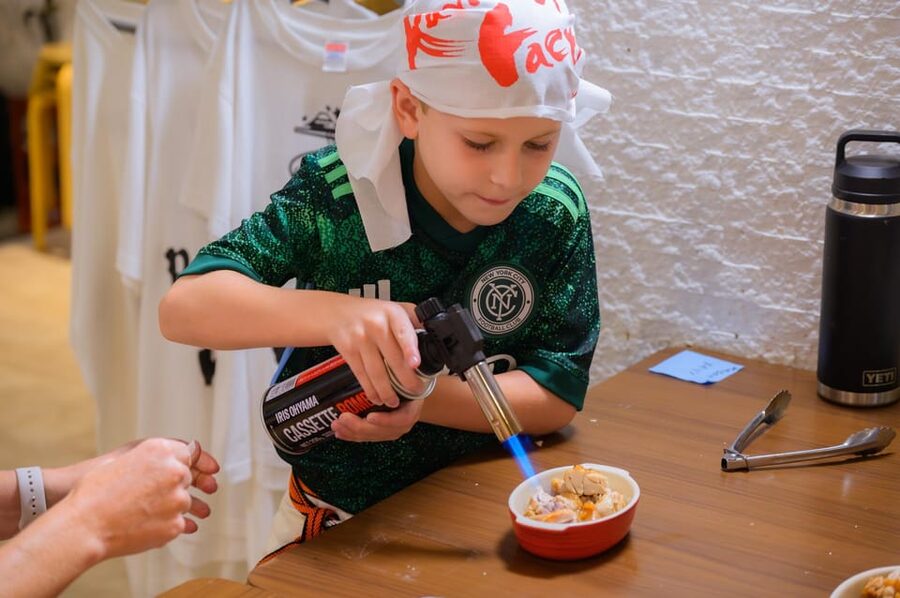
This class is set up for an easy half-day stop: you spend your time cooking, and you do not have to chase around Kyoto for the right instructions. The meeting point is only a five-minute walk from Demachiyanagi Station on the Keihan line.
Here’s the one detail you should not ignore: the location is on the basement floor. When you get there, go to the staircase on the right side of the supermarket and head down. If you arrive expecting it to be on street level, you might waste a few minutes looking around.
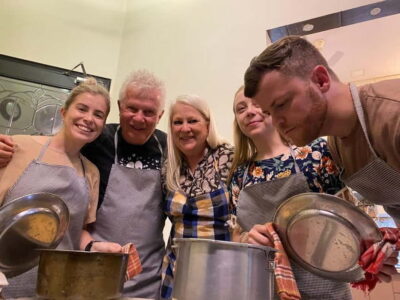
In practice, the basement setup matters. It keeps the class focused and reduces the usual chaos of a kitchen tour. You will still want comfortable clothes and a hair tie if you have long hair, because you’ll be wearing a ramen apron and a headscarf during the cooking.
You can also read our reviews of more tours and experiences in Kyoto.



What the 90-Minute Chef Course Really Covers
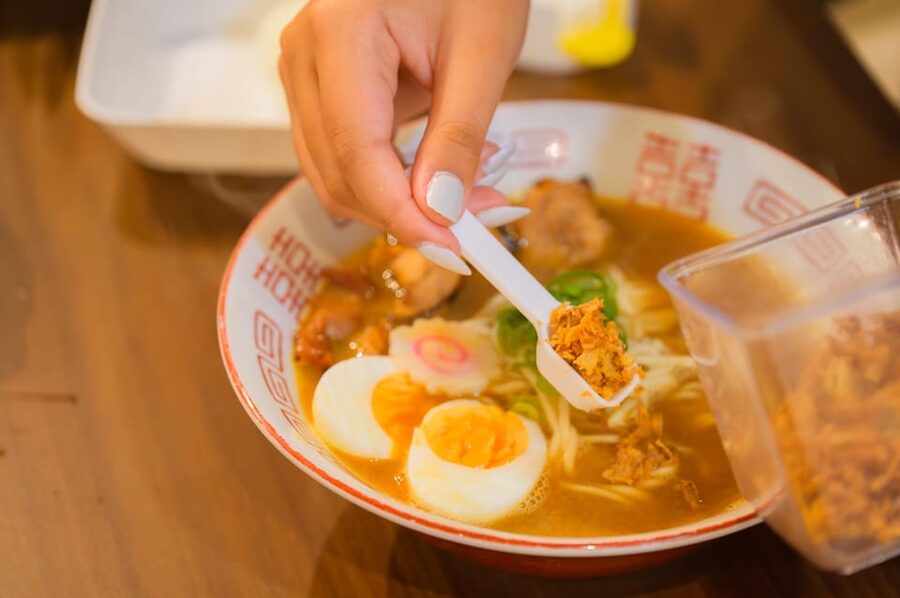
The class is designed as a complete ramen workflow, not just a noodle-making demo. You start with a video overview, then you move into hands-on steps that cover dough, seasoning, noodle shaping, and bowl building.
You will:
- Season the chicken with prepared seasonings
- Mix, punch, knead, drain, and shake dough for noodles
- Build the final bowl by choosing a soup base and sauce combination
- Add toppings, egg, and condiments based on your preferences
- Enjoy the ramen you made right after assembling it
This matters because many cooking classes stop at one skill. Here, you get to experience how noodles, broth choices, and sauce blending work together. Even if you are not a confident cook, you’re not left guessing at the end.
A small but important point: ramen takes time when made the traditional way. This class does the smart thing for a short visit: it focuses on the parts you can learn quickly while still guiding you through real ramen logic—especially how the broth and oils change the flavor profile.
From Flour to Noodles: The Work That Makes It Worth It
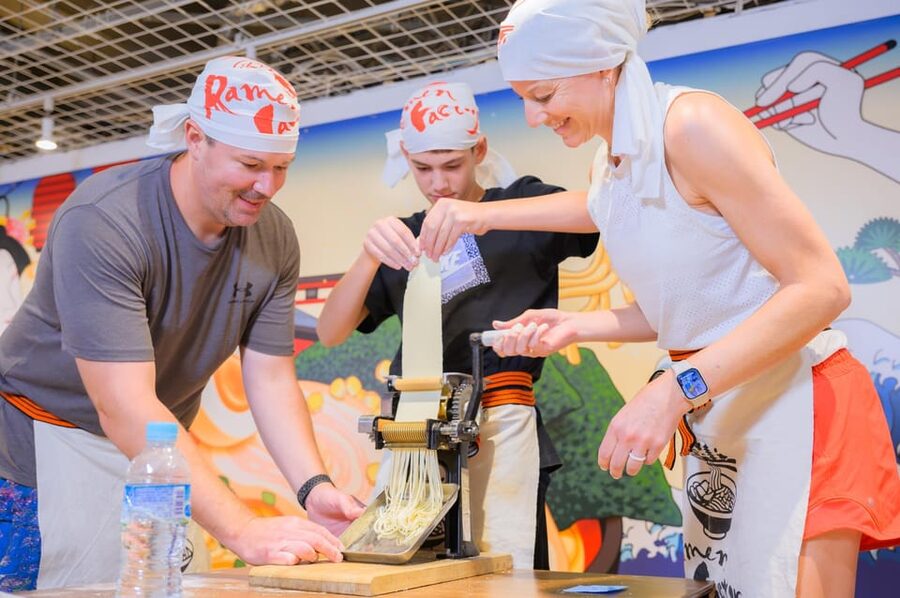
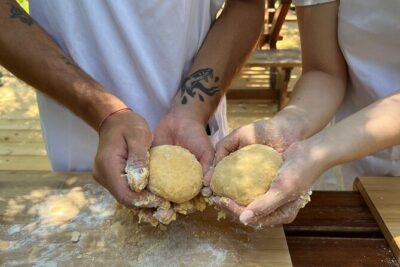
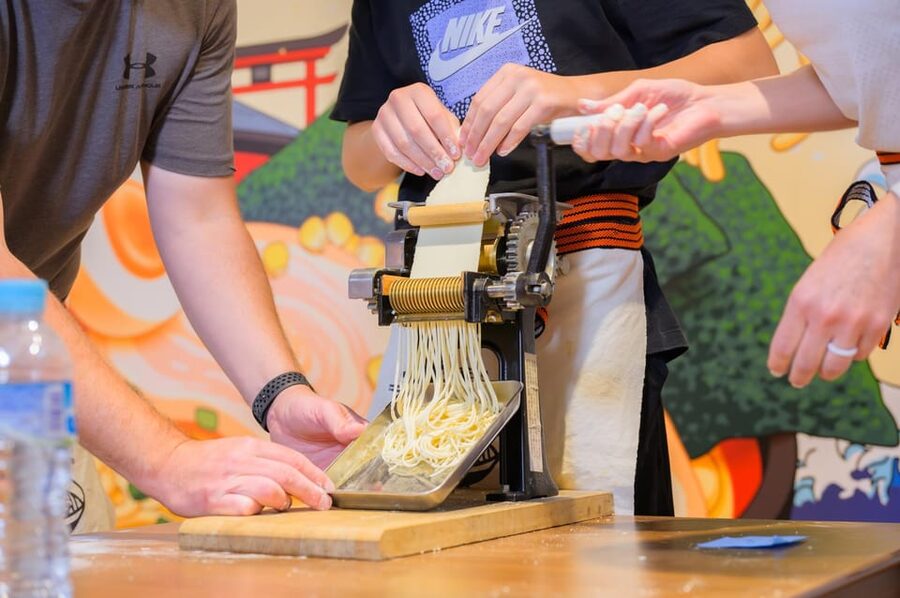
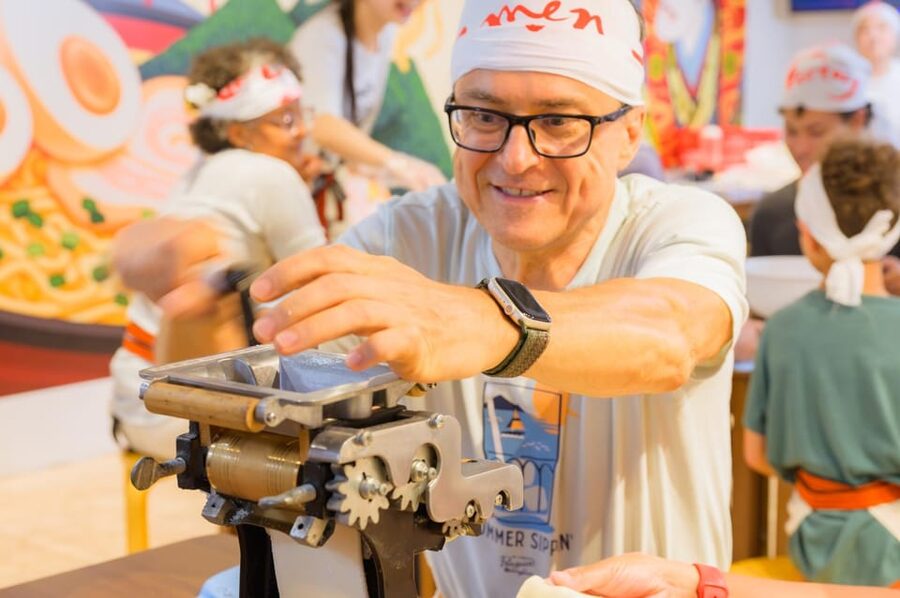
The headline is making noodles completely from flour. You start with dough and go through the method in a very specific sequence. One detail that sticks out for me as a reader: the process includes folding the noodle dough over 100 times.
That is not just a fun challenge. Folding helps develop the right texture, and it’s part of why ramen noodles feel springy instead of gummy. When you do it step by step, it becomes more understandable than watching someone else do it.
During the active portion, you’ll feel how the class reduces the intimidation factor. The instructions break the work into manageable motions:
- Mix and punch the dough
- Knead it so it becomes cohesive
- Drain and shake as part of the noodle step
- Shape the noodles until they’re ready for the final bowl
Many participants also talk about how organized the team is behind the scenes. That matters because noodle-making can be timing-sensitive. If the class were chaotic, the noodles might not land right for eating. Instead, the structure helps you finish with something you can taste immediately.
You’ll also wear a ramen apron and headscarf. It sounds minor, but it signals that the kitchen is run like a working school, not a tourist performance.
Sauce Blending in Miso, Salt, and Soy (And Why You Should Care)
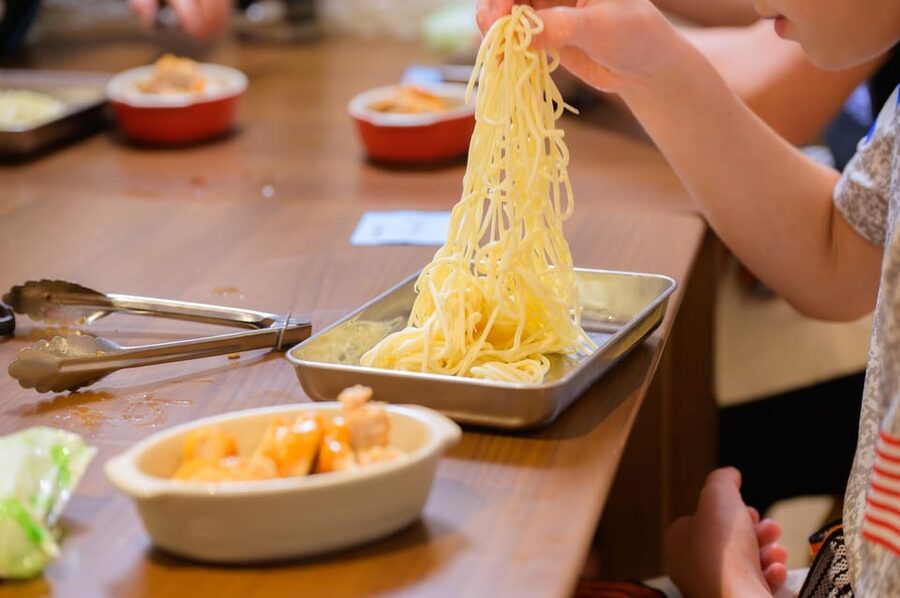
A big value point is the sauce portion. You do not just pick one seasoning and call it done. You taste and mix three featured sauces—miso, salt, and soy—to create a flavor direction for your bowl.
Then you choose:
- A soup base
- A sauce combination
- Oils that finish the ramen’s taste
This is where you get real control. Ramen is not one flavor; it’s a system. Miso can bring warmth and depth. Salt tends to feel clean and direct. Soy adds savory thickness. When you mix and match during the class, you start to learn what you like instead of relying on guesswork.
If you’re the type who always orders the same thing at ramen shops, this is the chance to break the habit. Even simple swaps can change the final experience, and you will feel that difference in your own bowl.
Assembling Your Bowl and Eating It Right Away
Once your noodles and broth/sauce plan are ready, you build your bowl. You display your ramen bowl with toppings, egg, and condiments according to your tastes.
That moment is more than eating. It’s the point where the class becomes a memory you can recreate. When you choose your own condiments, you see how the flavor layers come together—salt level, richness, aroma, and the little hits of crunch or tang that make ramen feel complete.
Then you enjoy the ramen you made while looking back at the experience during preparation. The timing is great: you’re not waiting hours to taste the results. You taste what you built while the steps are still fresh in your mind.
One note from the class style: because you learn and eat in the same session, you’re less likely to leave frustrated. You might come in thinking you’ll have trouble with noodles. You leave with a bowl in your hands and a clear mental map of how to repeat it.

Recipe by Email: The Best Take-Home Part
The standout take-home is the recipe. You get the full recipe sent via email so you can cook ramen at home.
For me, this is the difference between a fun activity and a useful skill. A souvenir is nice, but recipe instructions are what turn ramen into a repeatable dish. You can review it after you return from Kyoto, when you have time to compare what you did in class versus what you’re seeing in your kitchen.
If you’ve ever bought a cookbook in Japan and never used it, this is the style that encourages follow-through. You already made the noodles and built the bowl once, so the recipe has context.
Souvenirs: What You Can Choose Before You Go
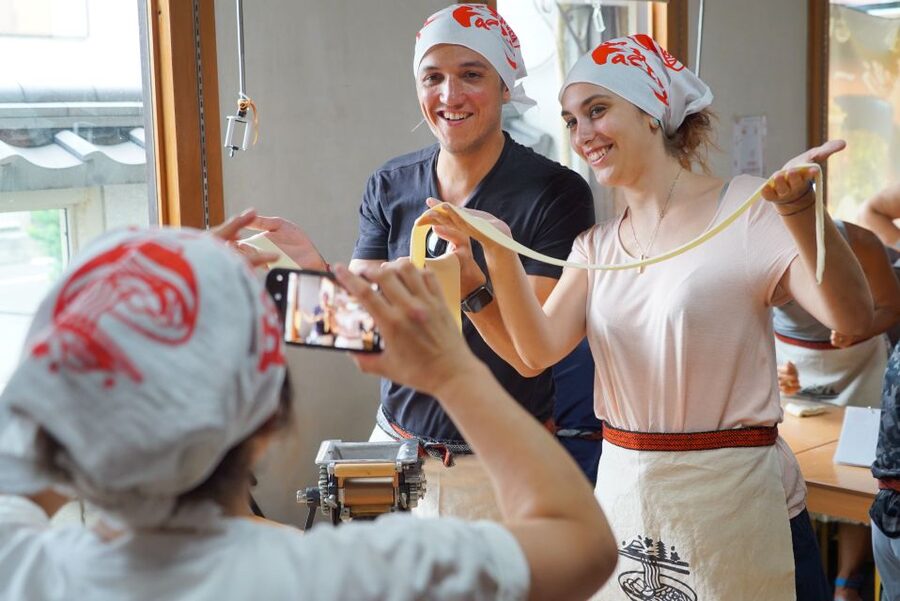
Souvenirs are included, and you get to choose from four different types. This is a practical detail: it gives you something physical to remember the class without forcing a single design on everyone.
The class also uses the whole experience to create keepsakes. Based on what people often mention after, you may also leave with photo-focused materials captured during the lesson, plus additional small items tied to the cooking session. If you care about photos, plan to use your phone early and often, because the team helps you capture the process while you cook.
A practical tip: if you are sensitive about heat or splashes, bring a small towel or extra wipes. Even well-run kitchens can get a little messy when dough and broth are involved.
Price and Value: Is $127 Fair for a Kyoto Ramen Class?
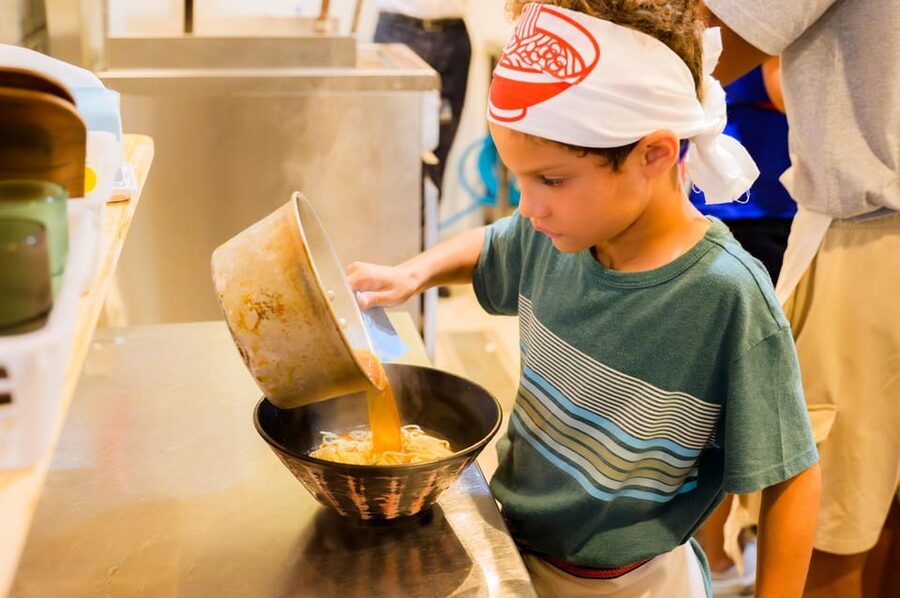
At $127 per person for 90 minutes, the price is not budget-level. But for what you get, it can feel fair—especially if you compare it to other hands-on food classes in Japan.
Here’s why the value makes sense:
- You learn multiple ramen components (noodles, seasoning, sauce blending, bowl assembly)
- You taste and eat the finished bowl during the session
- You receive a recipe by email to cook again at home
- A souvenir is included, with choice involved
What you should factor in: drinks are not included, and transportation is on you. Still, the class duration is short enough that you can slot it into a sightseeing day without losing half your plans to transit.
If you’re only looking for a snack and a photo, you can skip this. If you want one Kyoto experience that teaches a real skill and gives you leftovers of knowledge—not leftovers of food—this is strong value.
Who This Class Is Best For (And Who Might Skip It)
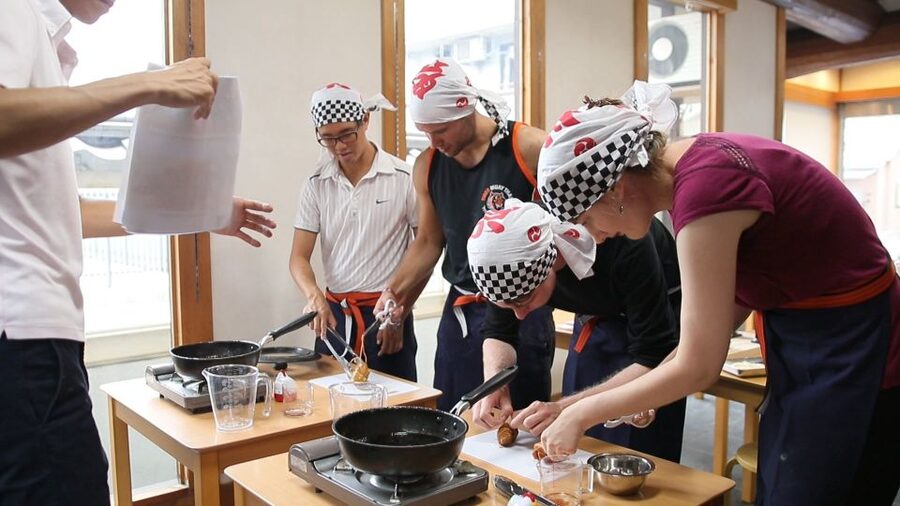
This works for a wide range of visitors. The class is beginner friendly, and you get step-by-step guidance in English or Japanese. Many people do it as couples, solo trips, or family activities, including kids who want something interactive.
It’s especially good if:
- You like hands-on food experiences more than passive tours
- You want to learn ramen basics without a multi-day commitment
- You want to customize flavors rather than follow a preset menu
- You care about taking home an actual recipe, not just a ticket stub
A consideration: it’s still cooking. You’ll be handling dough and working through multiple steps. If you want something purely relaxing, you might prefer a tasting-focused ramen tour instead.
Dietary needs
If you need a dietary option, contact the local supplier after booking. People have reported accommodations like pescatarian options (including tofu and fish broth) and help for dietary restrictions. The key is to request your needs early so the team can plan.
Quick Tips for a Smoother Class Day
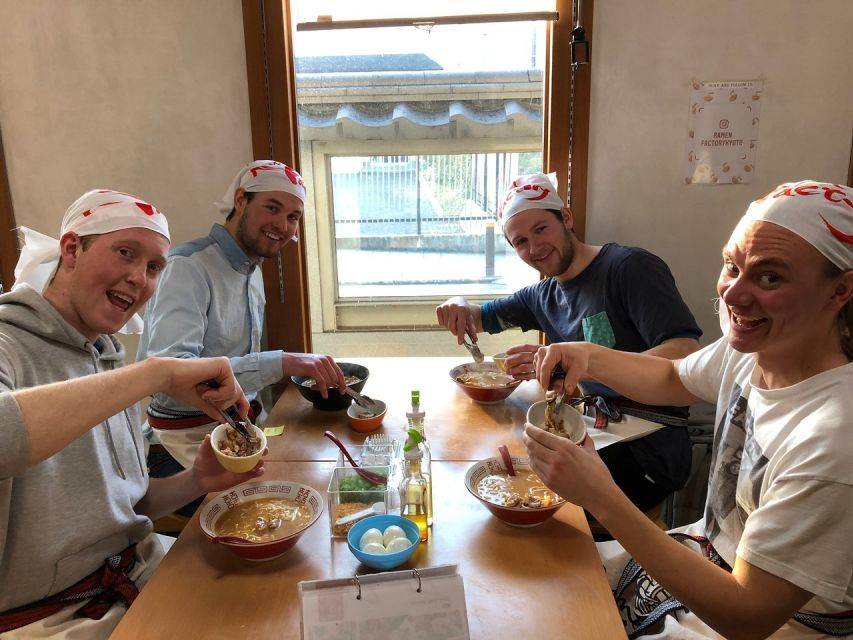
You’ll get the most from this experience if you treat it like a skill lesson, not just entertainment.
- Eat lightly beforehand. You’ll get to eat your ramen at the end, and you’ll enjoy it more if you’re not stuffed.
- Wear practical clothing. Dough work is hands-on, and you might get a little flour or broth on your sleeves.
- Take photos of your sauce choices. The miso, salt, and soy mixing part is easy to forget later when you’re trying to replicate flavors at home.
- Save the recipe email. When you’re back at home, it’s the closest thing to a shortcut to remembering exactly what you did.
Also, a heads-up: the facility may film or photograph you as part of professional media production. If that matters to you, it’s worth thinking about before you arrive.
Should You Book This Kyoto Ramen Cooking Class?
If your goal is one Kyoto activity that is fun, tastes great, and teaches you something you can actually repeat, I’d book it. The combination of noodle-making from flour, sauce blending with miso/salt/soy, and a recipe sent by email makes it more than a one-time show.
I’d especially recommend it if you want a short side trip from Kyoto sightseeing areas. It fits neatly into a day because the session is 90 minutes and the instructions are organized. The basement location near Demachiyanagi also makes it easier to plan around.
Skip it only if you’re looking for a low-effort food outing, or if you strongly prefer to avoid cooking tasks. Otherwise, this is one of the most practical ways to bring Kyoto ramen flavor back home.
FAQ
Where is the meeting point for the ramen class?
The class meets a five-minute walk from Demachiyanagi Station on the Keihan line. The location is on the basement floor, and you should take the staircase to the right of the supermarket and go down.
How long is the Kyoto ramen cooking class?
The chef course lasts 90 minutes.
What’s included in the price?
Included is the 90-minute chef course ramen making, plus a selective souvenir.
Are drinks included?
No. Drinks are not included.
Can you accommodate dietary restrictions?
You can request a dietary option by contacting the local supplier after booking.
What sauces do you work with during the class?
The class focuses on three featured ramen sauces: miso, salt, and soy. You taste and mix them to create your bowl.
Do you get a recipe to cook ramen at home?
Yes. The full recipe is sent via email.
What souvenirs will I receive?
You can choose from four different types of souvenirs, and the souvenir is included.
Will I be photographed or filmed during the class?
You may be filmed or photographed as part of professional video or photo productions, including worldwide media or promotional use.