REVIEW · KYOTO
Kyoto: Authentic Sushi Making Cooking Lesson
Book on GetYourGuide →Operated by atelier SUSHI · Bookable on GetYourGuide
Sushi starts with rice control. In Kyoto, this small-group workshop teaches you how sushi is put together the way local cooks do it, with an English-speaking host guiding every step. I like that you get hands-on technique, not just watching, and that you work with fresh fish and make nigiri and maki you’ll actually eat.
One possible catch: it’s a fish-based menu, so it’s not a fit for vegetarians, and wheelchair access isn’t available.
In This Review
- Key takeaways before you go
- Where Kyoto Wand Puts You for an Easy, Local Start
- Meet Kana and Get Into the Right Headspace
- What You Actually Make in 90 Minutes: Rice, Nigiri, and Maki
- Step one: Seasoning sushi rice (the make-or-break skill)
- Step two: Shaping nigiri
- Step three: Rolling maki
- Step four: Eating what you made
- The Fresh-Fish Factor and How It Changes the Experience
- The Lunch Setup: Miso Soup, Soy Sauce, Wasabi, and Ginger
- The Gift Bag That Extends the Class Past Your Last Bite
- Price and Value: What $102 Gets You (and Why It’s Not Just Lunch)
- Who This Kyoto Sushi Workshop Fits Best
- Make It Part of Your Kyoto Day: Timing and Logistics That Actually Matter
- Should You Book This Kyoto Sushi-Making Lesson?
- FAQ
- How long is the sushi making workshop in Kyoto?
- Is the class taught in English?
- How many people are in each class?
- What’s included with the ticket price?
- Is this class suitable for vegetarians?
- Do I need hotel pickup for this activity?
Key takeaways before you go
- English guidance with real technique, led by Kana and her assistant (Kenneth in some sessions)
- Small group, up to 8 people, so you can ask questions and get help without a crowd
- Fresh fish used for your class (sourced locally that morning), reducing that I’m-not-sure-about-raw-fish anxiety
- You’ll make enough to feel full, and the sushi is served for lunch with miso soup
- A take-home gift bag with a rolling mat, chopsticks, and a recipe card so you can try it again back home
Where Kyoto Wand Puts You for an Easy, Local Start
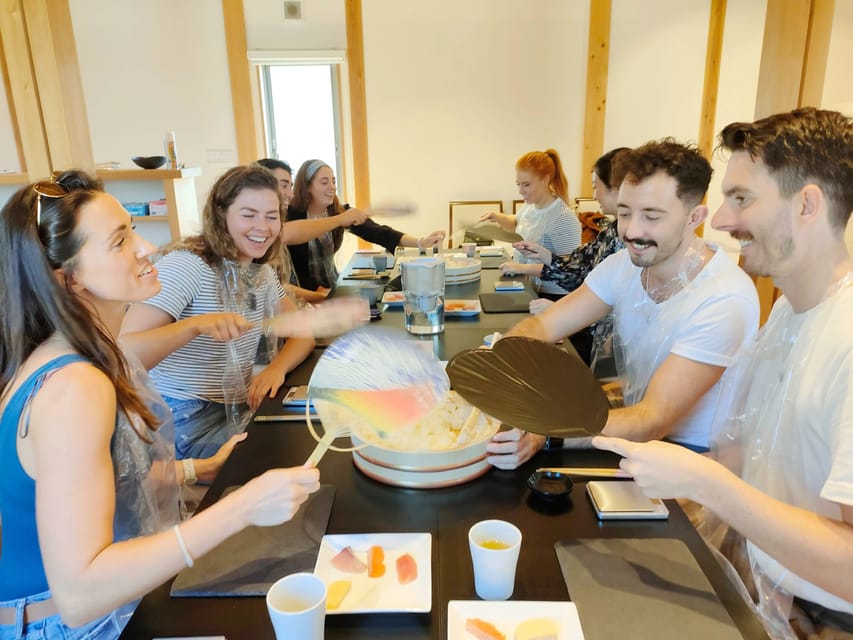
This class is set in a place you can reach easily on foot from Kyoto’s major sights. You meet at the Kyoto Wand building, just minutes from Kiyomizu-Gojō Station on the Keihan Main Line. That location matters more than it sounds: it makes the workshop feel like part of a Kyoto day, not an awkward detour.
The area is also handy for planning. From this meeting spot, you’re within walking distance of key neighborhoods such as Kiyomizu-dera and Gion. If you like to keep your days flexible—temple in the morning, practical food activity in the afternoon—this fits nicely.
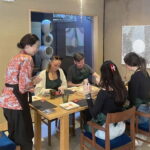
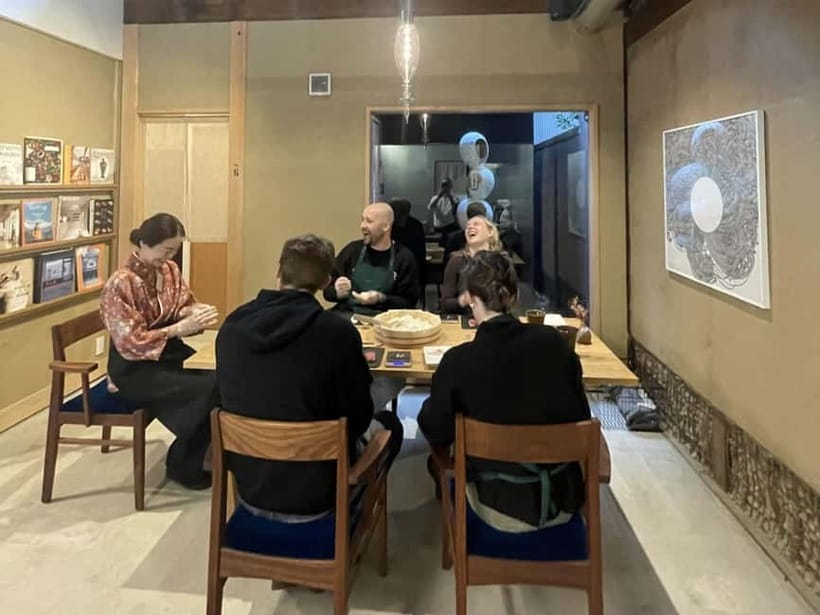
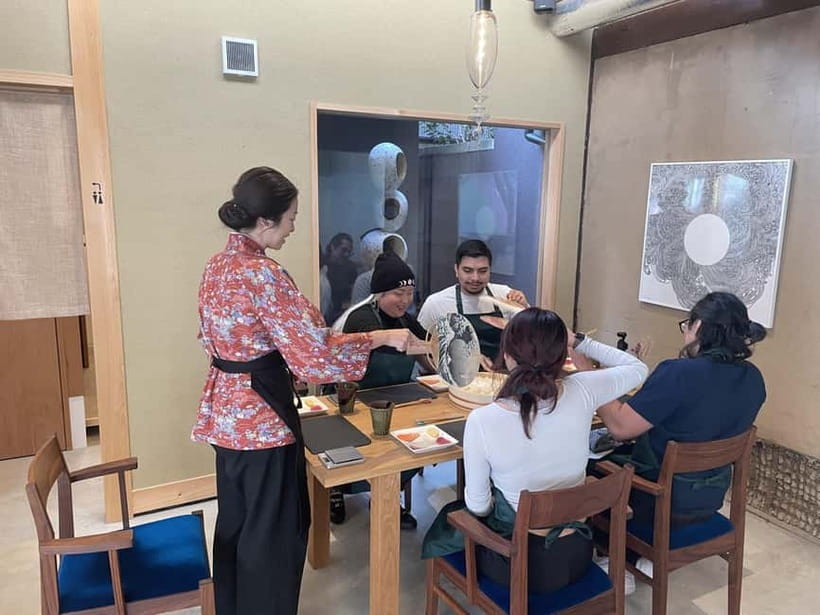
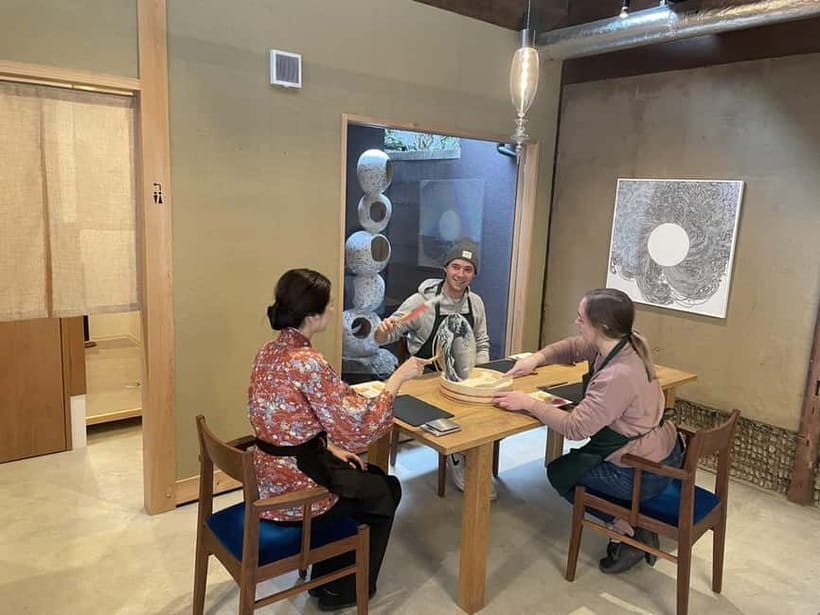
The workshop also runs with small-group energy, which you feel right away. You’re not squeezed into a big room where you watch someone else cook. You get your own workstation, your own step-by-step instruction, and time to ask questions.
You can also read our reviews of more tours and experiences in Kyoto.
Meet Kana and Get Into the Right Headspace
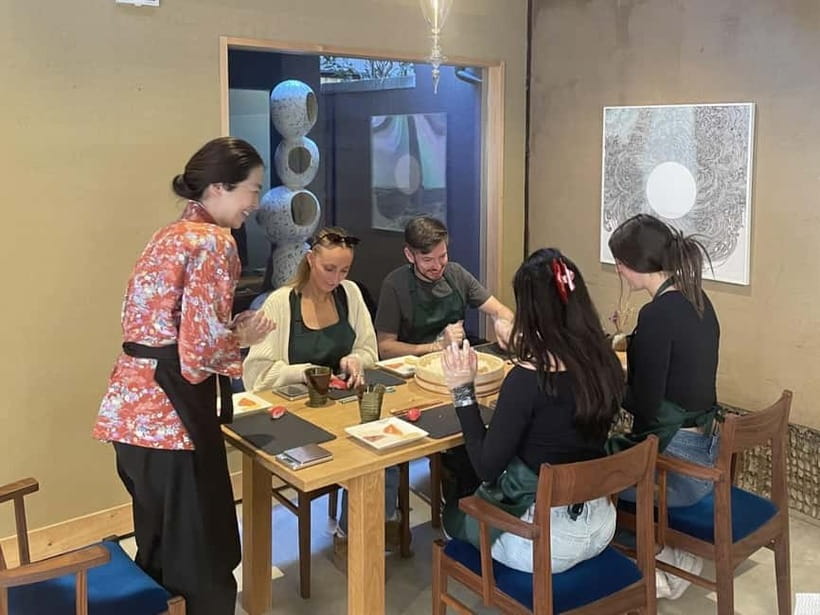
Your host is Kana, and in at least some sessions you may also work with her assistant Kenneth. From the way the instruction is described, the vibe isn’t stiff or overly formal. It’s calm, patient, and practical—exactly what you want when you’re learning rice seasoning, knife-less assembly, and how to shape sushi so it holds together.
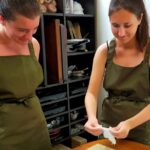
You’ll be supplied with basics that make the experience smoother: disposable gloves and an apron. That’s not just convenience. It helps you focus on the technique instead of worrying about being neat.
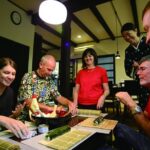
And don’t underestimate the social part. In a room with up to eight participants, conversation comes naturally. People swap tips about Kyoto, ask food questions, and compare notes on what they’ve been seeing around town.
What You Actually Make in 90 Minutes: Rice, Nigiri, and Maki
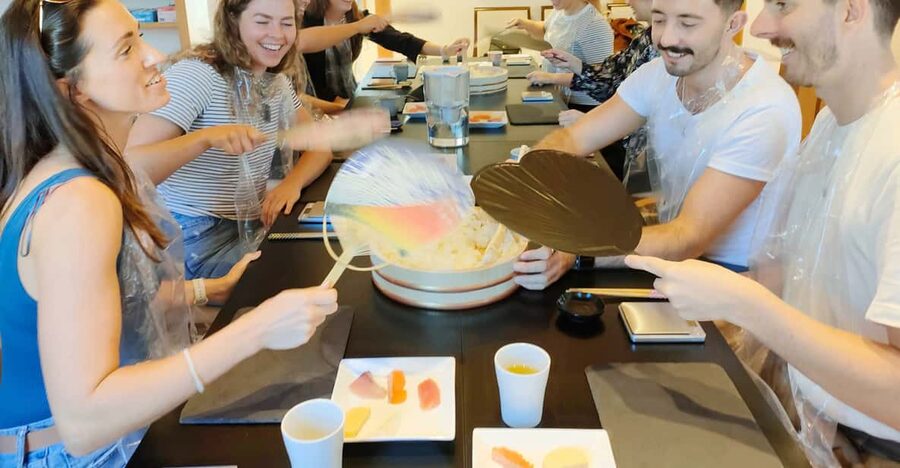
This is a hands-on workshop lasting about 1.5 hours, and it’s built around the core skills that matter.
Step one: Seasoning sushi rice (the make-or-break skill)
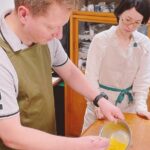
Most people can roll a maki in theory. The real challenge is rice. Expect to learn how to season the rice properly and how to handle it so it doesn’t turn into gluey clumps or fall apart when you shape it.
This is where the class design shines. You’re guided step-by-step, and you can ask questions while you’re doing it. When you get the rice right, everything else becomes easier.
Step two: Shaping nigiri
After rice is sorted, you’ll craft nigiri. That means learning how sushi is formed so it looks tidy and eats well—firm enough to hold, delicate enough not to get dense.
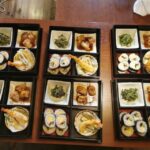
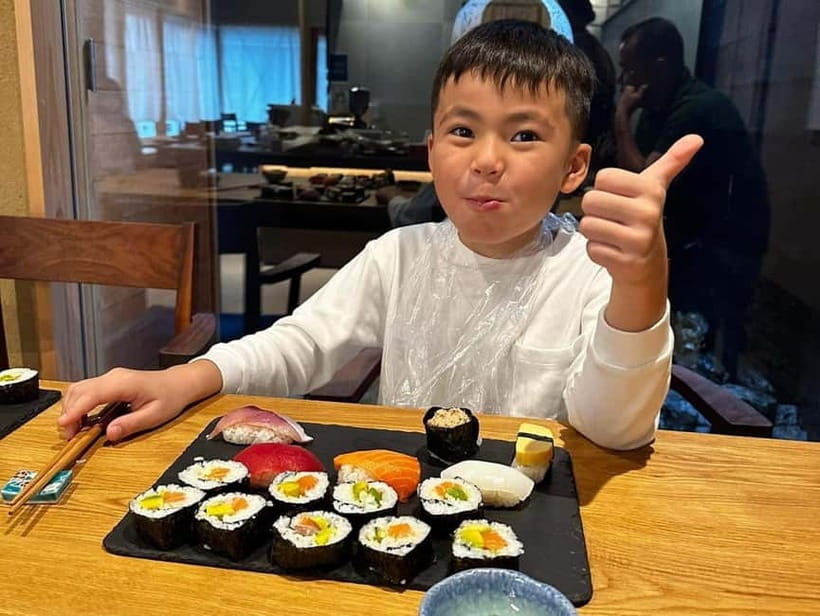
In one described class, the nigiri included options like salmon, tuna, squid, yellowtail, and egg omelette. You should think of those as examples of the kinds of fish and toppings you might encounter, since offerings can vary. The key is the method: rice plus topping, shaped carefully, not jammed together.

Step three: Rolling maki
Then you’ll move to maki sushi. Rolling is more than wrapping seaweed. You’ll learn how much filling to use, how to pack it, and how to get clean slices at the end.
Some sessions include a salmon-and-avocado style roll, again depending on what’s being prepared. Either way, the point is that you’re not stuck with a single technique. You leave with both core forms—nigiri and maki—so you’re not recreating only one kind of sushi at home.
Step four: Eating what you made
The workshop finishes with lunch. And yes, they mean lunch you made with your own hands, served right after cooking. You’ll also get miso soup, which is a nice Kyoto touch—simple, warming, and balanced after you’ve been shaping and rolling for an hour.
More than a few people note that the quantity is generous. So go hungry. If you only snack beforehand, you’ll likely feel stuffed anyway.
The Fresh-Fish Factor and How It Changes the Experience
A big fear for some first-timers is raw or lightly handled seafood. The good news here is the class emphasizes high-quality, fresh fish that’s sourced locally that morning. That freshness comes through in the taste descriptions, and it helps people who were unsure about eating seafood feel more comfortable.
You’re working with fish that’s chosen for sushi preparation, not leftover from somewhere else. That matters. Sushi isn’t forgiving like a stir-fry. It relies on the quality of each ingredient—especially the fish.
In the reviews, people specifically call out the fish quality and freshness, even from folks who were nervous at the start. So if you’re on the fence, this workshop is a smart place to test it, because your meal is directly tied to the ingredient quality used in class.
The Lunch Setup: Miso Soup, Soy Sauce, Wasabi, and Ginger
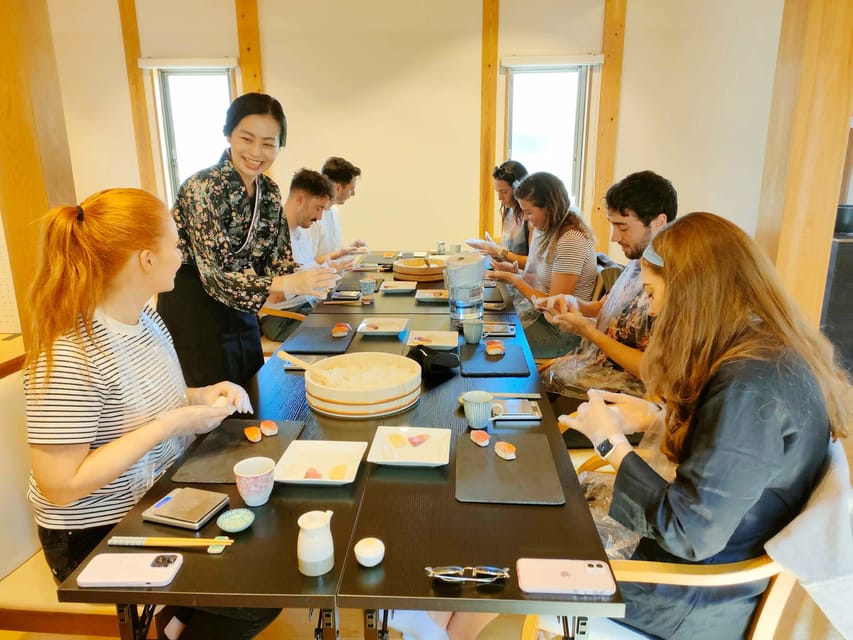
Lunch isn’t an afterthought. You sit down and eat the sushi you created, usually with the usual lineup—soy sauce, wasabi, and ginger—so you can taste the sushi as it’s meant to be eaten.
Miso soup is included, and that’s a small detail with real value. After you handle rice and shape sushi for a while, something warm and soothing helps reset your palate. It also keeps the meal feeling complete instead of just snack-sized.
This is also where you’ll understand whether your sushi technique worked. If your nigiri holds and your roll slices cleanly, you’ll taste the difference immediately.
The Gift Bag That Extends the Class Past Your Last Bite
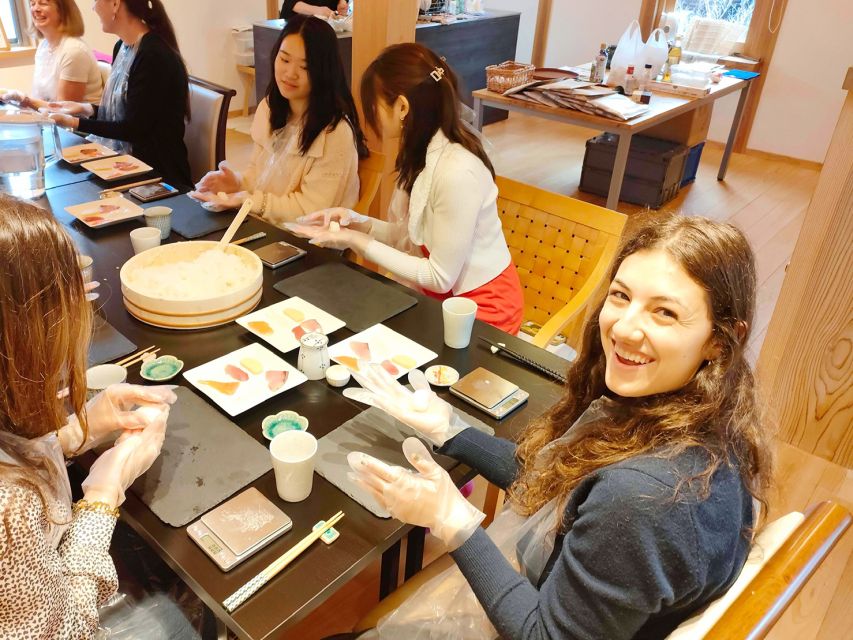
A lot of cooking classes end with a nice memory and a vague wish to cook again someday. This one gives you actual tools: a gift bag that includes a sushi rolling mat, chopsticks, and a recipe card.
That’s a big deal for value. If you like the workshop, you can recreate it without guessing what equipment you need. And the rolling mat is especially practical—people forget how much easier maki becomes once you have the right setup.
The recipe card also helps you translate what you learned in the moment into something you can repeat at home. It turns the workshop from entertainment into a skill.
Price and Value: What $102 Gets You (and Why It’s Not Just Lunch)
At $102 per person, you’re paying for more than ingredients. You’re paying for:
- Instruction in technique (rice, nigiri shaping, maki rolling)
- High-quality ingredients used for your exact meal
- Lunch with miso soup plus the sushi you produce
- A take-home kit (rolling mat, chopsticks, recipe card)
If you compare this to a sushi dinner, the cost can feel high—until you remember you’re not just eating. You’re learning skills with a guide, in a small setting where you can ask questions. You also leave with tools for future attempts.
Also, the small-group limit (up to 8 participants) improves the value. More hands-on attention usually means you pick up technique faster and leave less frustrated.
So the best way to look at the price is simple: you’re buying a guided meal and a repeatable home project.
Who This Kyoto Sushi Workshop Fits Best
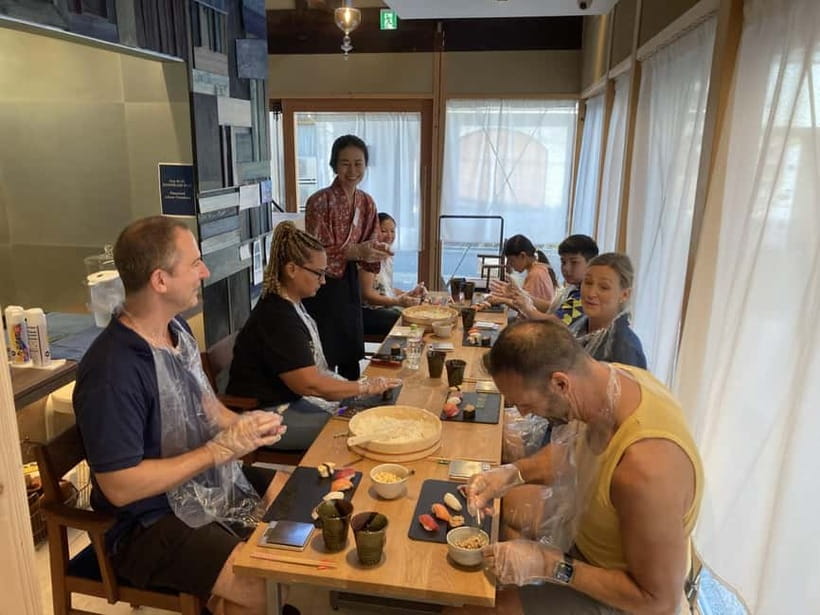
This workshop is a strong match if you:
- Want a fun, practical way to experience Kyoto beyond temples and markets
- Like cooking classes where you do the work yourself
- Enjoy learning food culture through conversation
- Are comfortable in a hands-on setting (you’ll be shaping and rolling)
It also seems to work well for mixed groups. One report includes a parent and their 10-year-old attending and having a positive, engaging time. That said, it’s not described as a formal “kid class,” so if you’re bringing children, plan for an experience that involves technique and careful handling.
On the other hand, skip it if you:
- Need a vegetarian option (it’s not suitable for vegetarians)
- Use a wheelchair (not suitable for wheelchair users)
Make It Part of Your Kyoto Day: Timing and Logistics That Actually Matter
The session lasts about 1.5 hours, and it runs at starting times you can check before you book. No hotel pickup is included, which is typical for classes like this—but it means you’ll want to plan how you’ll get there on your own.
Since it’s near Kiyomizu-Gojō Station, I’d build your day around transit convenience. That station connection makes it easy to pair the class with nearby areas like Kiyomizu-dera and Gion without wasting time.
If you’re the type who hates rushing, this is a good choice. You’re doing one main activity, in one location, with a clear flow from instruction to lunch to departure back at the meeting point.
Should You Book This Kyoto Sushi-Making Lesson?
Book it if you want a hands-on sushi skill in a small group, with an English-speaking host, fresh ingredients, and lunch included. The big selling points here are the combination of calm, detailed instruction from Kana, the fresh-fish quality, and the fact that you leave with a rolling mat, chopsticks, and a recipe card.
Skip it if you’re a strict vegetarian, need wheelchair access, or you only want to watch someone else cook. This class is built around you making the sushi.
If you’re even slightly curious about learning nigiri and maki, it’s one of the more practical ways to bring Kyoto home with you—because you’ll eat what you make today, and you’ll have the tools to try again later.
FAQ
How long is the sushi making workshop in Kyoto?
The workshop lasts about 1.5 hours.
Is the class taught in English?
Yes, the instructor and host provide instruction in English.
How many people are in each class?
It’s a small group limited to 8 participants.
What’s included with the ticket price?
You get the sushi-making workshop with an English-speaking host, the sushi you make for lunch, miso soup, a gift bag (rolling mat, chopsticks, and recipe card), plus disposable gloves and an apron.
Is this class suitable for vegetarians?
No, it is not suitable for vegetarians.
Do I need hotel pickup for this activity?
Hotel pickup and drop-off are not included, and the activity ends back at the meeting point.